
Secondhand and Thrift Shopping in Japan Guide

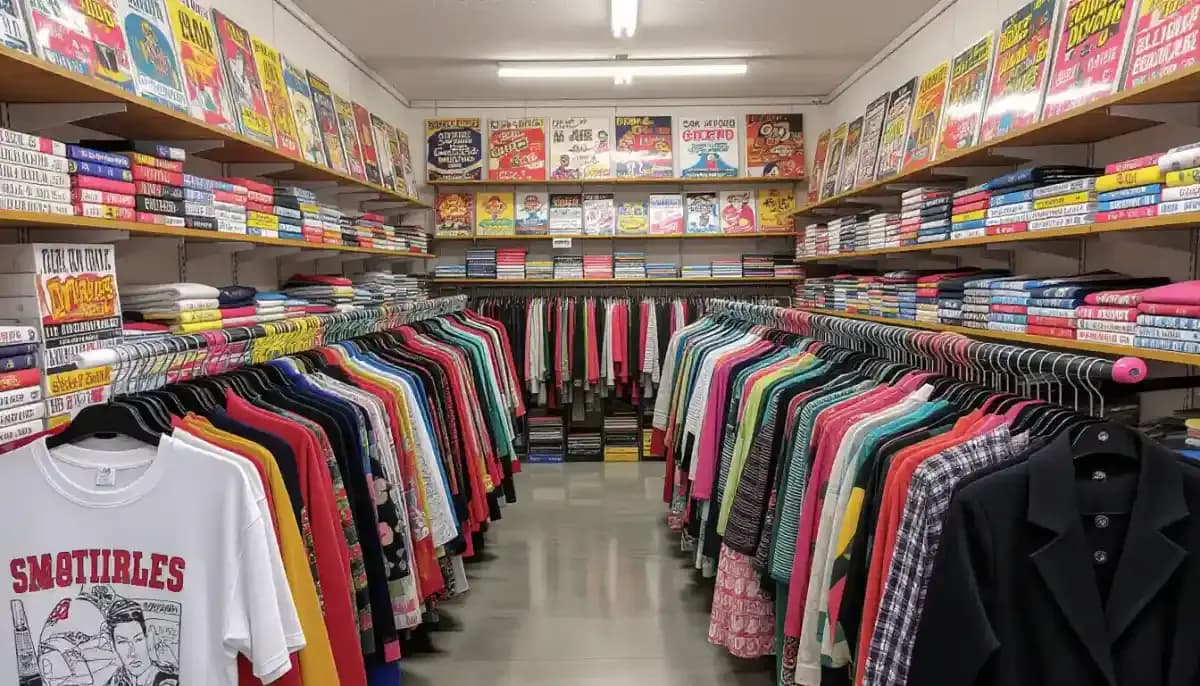
Discover Japan's incredible secondhand shopping scene. From recycle shop chains like BOOK OFF and 2nd STREET, to vintage districts, flea markets, and Mercari — your complete guide to thrift shopping in Japan as a foreigner.
Secondhand and Thrift Shopping in Japan: The Complete Foreigner's Guide
Japan's secondhand scene is one of the best in the world — and one of the most overlooked benefits of living here. Whether you're looking to furnish your new apartment on a budget, hunt for vintage fashion, or score lightly used electronics at a fraction of retail price, Japan's vast network of recycle shops, thrift chains, flea markets, and online platforms has you covered. This guide covers everything foreigners need to know to shop secondhand like a local.
!Colorful vintage clothing racks at a Japanese thrift store

Why Secondhand Shopping in Japan Is So Good
Japanese used goods are famously well-maintained. The country's culture of care and cleanliness means items are often returned to shops in near-pristine condition — clothes are freshly laundered and folded, electronics are thoroughly tested, and furniture arrives without scratches or stains.
Japan's reuse market was forecast to exceed 3.2 trillion yen in 2025, up from $13.2 billion in 2017 — a testament to how mainstream secondhand shopping has become. According to a Ministry of the Environment survey, 44.1% of Japanese citizens purchased secondhand goods in 2024, making it a normal part of everyday life rather than a last resort.
For foreigners, there are additional perks:
- More size variety: Japanese retail often stocks limited size ranges, but secondhand stores carry a wider mix — useful if you wear larger sizes.
- Cheaper setup costs: When moving into your first Japanese apartment, used furniture and appliances are far more affordable than buying new.
- Sustainable lifestyle: Reducing waste aligns well with Japan's growing eco-consciousness.
- Treasure hunting: Rare finds, vintage items, and limited-edition products surface regularly at great prices.
For more on settling into Japan affordably, check out our guide to cost of living in Japan and finding housing in Japan.
Types of Secondhand Shops in Japan
Japan's secondhand market is organized and diverse. Here's a breakdown of what you'll encounter:
Recycle Shops (リサイクルショップ)
The most common type of secondhand store in Japan. These shops buy and sell almost anything: clothing, books, electronics, household goods, furniture, and collectibles. Most major chains fall into this category.
Vintage and Furugi Shops (古着屋)
"Furugi" (古着) means secondhand clothing in Japanese. Furugi shops range from curated vintage boutiques to budget piles. Areas like Shimokitazawa in Tokyo and Amerika-Mura in Osaka are famous for vintage clothing culture.
Antique and Hyakuyen (100-yen) Sections
Some recycle shops have designated ¥100 or ¥200 bins — incredible for books, manga, CDs, and miscellaneous household items.
Flea Markets (フリーマーケット)
Outdoor markets held at parks, temples, and racecourses. Cash-focused, negotiable prices (unlike recycle shop chains), and great for unique finds.
Online Flea Markets (フリマアプリ)
Apps like Mercari, Rakuma, and Yahoo! Flea Market allow peer-to-peer selling from smartphones, with prepaid shipping and convenience store drop-off.
Major Secondhand Chain Stores
These chains are nationwide and easy to shop at, even without Japanese skills:
| Chain | Specialty | Locations | Notes |
|---|---|---|---|
| BOOK OFF | Books, manga, CDs, games, brand goods | 800+ | Best for media at ¥100+ |
| HARD OFF | Electronics, appliances, instruments | 800+ | Test items before buying |
| 2nd STREET | Clothing, household goods | 700+ | 7-day return guarantee |
| Treasure Factory | Furniture, appliances, general | 100+ | Home pickup service |
| RAGTAG | Designer fashion | Limited | High-end vintage brands |
| Geo | Games, electronics, DVDs | 1,000+ | Strong used game selection |
HARD OFF and BOOK OFF are part of the same group and often share locations (sometimes called "Moff Mall" locations with multiple OFF brand stores). You can easily spend hours browsing these massive stores.
2nd STREET is great for foreigners — it's organized, well-priced, and the staff are used to non-Japanese customers. Their clothing selection covers basics, casual wear, and sometimes designer pieces.
For more shopping tips, see our guide to shopping in Japan for foreigners.
How to Shop at Japanese Recycle Shops
What to Bring
- Photo ID: Large chain stores may ask for ID (especially when selling items). Your residence card (在留カード) or passport works.
- Cash: Most recycle shops accept cash and major credit cards, but flea markets are usually cash-only.
- Bags: Some stores charge for plastic bags.
Condition Labels
Secondhand items are typically labeled with a condition grade:
- S/A: Like new / barely used
- B: Good condition, minor signs of use
- C: Visible wear, functioning
- D/Junk: For parts only or heavily used
Language Tips
Even basic Japanese goes a long way. Useful phrases:
- Ikura desu ka? (いくらですか?) — How much is this?
- Shiken dekimasu ka? (試験できますか?) — Can I try/test this?
- Henpin dekimasu ka? (返品できますか?) — Can I return this?
You can also use Google Translate's camera function to read labels and condition tags.
Bargaining
Do not haggle at chain stores. Unlike Western thrift shops, Japanese recycle shops have set prices and negotiation is considered rude. Flea markets are more flexible, but even there, keep bargaining polite and low-key.
Shopping Online: Mercari and Apps
Mercari (メルカリ) is Japan's dominant flea market app, with over 22 million monthly active users and roughly 70% market share in online flea markets. It's used by both individuals and small businesses to sell secondhand goods.
Other major platforms:
- Rakuma (ラクマ): Operated by Rakuten, lower fees for sellers
- Yahoo! フリマ: Integrated with Yahoo Japan Auctions
Tips for Foreigners on Mercari
- Create an account using a Japanese phone number or LINE account
- Search in Japanese: Use terms like 古着 (furugi), 中古 (chūko), or specific brand names for better results
- Check shipping: Look for "送料込み" (shipping included) listings to avoid surprise fees
- Communication: Sellers expect acknowledgment messages even if you're just confirming the purchase
- Price watching: Save searches and set notifications for specific items
For everyday life guidance, see our daily life in Japan guide.
Flea Markets in Japan
Flea markets (フリーマーケット) are a fantastic weekend activity and a great way to find unique items at negotiable prices. They're also social events where locals and foreigners mix freely.
Popular Flea Markets
- Oedo Antique Market (大江戸骨董市) – Tokyo's largest outdoor antique market, held at Tokyo International Forum on the first and third Sundays of the month
- Setagaya Boro-ichi – One of Japan's oldest markets (since 1578!), held in December and January in Setagaya, Tokyo
- Harajuku / Yoyogi Park Flea Markets – Regularly held events popular with the vintage crowd
- Oi Racecourse Flea Market – One of the largest regular flea markets, held Saturdays and Sundays with hundreds of vendors
Flea Market Tips
- Arrive early: The best items go fast, especially on weekends
- Bring cash: Most vendors don't accept cards
- Be polite when bargaining: A gentle "Motto yasuku narimasuka?" (もっと安くなりますか?) is acceptable at flea markets
- Bring large bags or a cart: You may be buying furniture or multiple items
Expat Secondhand Communities
Sayonara Sales
A uniquely expat tradition, "Sayonara Sales" happen when foreigners leave Japan and need to quickly sell furniture, appliances, and household goods. Prices are often very low, and items are frequently in excellent condition.
Find them on:
- Facebook Groups: Search "[Your City/Prefecture] Sayonara Sale," "[Your City] Expat Community," or "Foreigner in [City] Japan"
- Craigslist Japan (English listings)
- Internations forums
These sales are particularly valuable for people just arriving in Japan and needing to furnish an apartment fast.
Vintage and Fashion Districts
If you're specifically into vintage fashion, Japan is a paradise. These neighborhoods are internationally famous:
Shimokitazawa (Tokyo)
Tokyo's ultimate vintage destination. Hundreds of independent furugi shops line narrow streets alongside live music venues and cafes. Prices range from ¥200 bargain bins to carefully curated designer vintage. Best explored on weekends.
Koenji (Tokyo)
A close rival to Shimokitazawa, Koenji has a grungier, more eclectic vibe with excellent American vintage and Japanese brand shops.
Amerika-Mura (Osaka)
Osaka's answer to Shimokitazawa, famous for American retro, streetwear, and vintage finds.
Nakameguro / Daikanyama (Tokyo)
More upscale vintage and designer resale options for those seeking luxury secondhand pieces.
Essential Japanese Vocabulary for Secondhand Shopping
| Japanese | Romaji | Meaning |
|---|---|---|
| リサイクルショップ | Risaikuru shoppu | Recycle/secondhand shop |
| 中古 | Chūko | Used/secondhand |
| 古着 | Furugi | Used clothing |
| フリーマーケット | Furī māketto | Flea market |
| フリマアプリ | Furima apuri | Flea market app |
| 訳あり | Wake ari | "Reason available" (discounted, flawed) |
| 使用感あり | Shiyōkan ari | Shows signs of use |
| 未使用 | Mishiyō | Unused |
| 値下げ不可 | Nesage fuka | No price reduction |
Selling Your Own Items
Japan's recycle culture works both ways — you can easily sell items you no longer need.
At chain stores: Most chains (BOOK OFF, 2nd STREET, Treasure Factory) offer walk-in buying. Bring your items, they inspect them, and make you an offer on the spot. Bring ID. Payment is usually cash or bank transfer.
On Mercari/Rakuma: Take clear photos, describe condition honestly, and price competitively. The apps handle payment and provide prepaid shipping labels you can print at convenience stores.
At flea markets: Rent a vendor spot (typically ¥1,000–3,000 for a spot) and sell directly. Great for clearing out lots of items.
For more on Japan's consumer culture, visit Living in Nihon's guide to secondhand shops and flea market apps.
Further Reading and Resources
Japan's secondhand scene is deep — the more you explore, the more you find. Here are some excellent resources:
- Tofugu's Secondhand Shopping Guide — One of the most comprehensive English guides to Japan's used goods market
- Japan Handbook: Recycle Shops & Flea Markets — Practical breakdown of stores by type
- Guidable: How to Thrift Like a Local — Targeted advice for expats
For careers and working life in Japan, visit For Work in Japan and Ittenshoku for IT career transitions and employment guides.
Final Tips for Secondhand Shopping in Japan
- Start with chains: BOOK OFF and 2nd STREET are beginner-friendly, well-organized, and nationwide
- Learn basic Japanese terms: Even knowing 中古 and 古着 will improve your search results online
- Use Mercari: It's worth the learning curve for the sheer variety available
- Visit Shimokitazawa: If you love vintage fashion, this neighborhood is unmissable
- Check flea market schedules: Most are weekend-only events held monthly or seasonally
- Watch for Sayonara Sales: Join expat Facebook groups in your city for great deals on furniture
- Explore neighborhood stores: Small independent recycle shops often have the most unique items
- Be patient: Great finds come to those who browse regularly
Japan's secondhand market rewards patience and curiosity. Whether you're furnishing a new home, refreshing your wardrobe, or hunting for rare collectibles, the combination of quality goods, fair prices, and incredible organization makes thrift shopping in Japan genuinely enjoyable — not just economical.
Related guides: Daily Life in Japan | Cost of Living in Japan | Shopping in Japan | Japanese Culture and Etiquette

Originally from Vietnam, living in Japan for 16+ years. Graduated from Nagoya University, with 11 years of professional experience at Japanese and international companies. Sharing information about living in Japan for foreigners.
View Profile →Related Articles
Japanese Drug Stores Best Products and Tips
Discover the best Japanese drug store products, top chains like Matsumoto Kiyoshi and Welcia, must-buy skincare and health items, and essential shopping tips for foreigners and expats in Japan.
Read more →
Rakuten Shopping Guide for Foreign Residents in Japan
Complete Rakuten Ichiba guide for foreigners in Japan: how to register, use Rakuten Points, maximize SPU multipliers, navigate sale events, and save money on every purchase.
Read more →
Tax Free Shopping in Japan How It Works for Residents
Complete guide to tax-free shopping in Japan. Learn who qualifies (tourists vs. residents), minimum purchase rules, the 2026 system changes, and how foreign residents can save money without tax-free eligibility.
Read more →
Buying Home Appliances in Japan Guide for Foreigners
Everything foreigners need to know about buying home appliances in Japan. Learn where to shop, how much to budget, voltage differences, used vs new options, and disposal rules.
Read more →
Best Outlet Malls and Discount Stores in Japan
Complete guide to Japan's best outlet malls (Gotemba, Kisarazu, Rinku) and discount stores (Donki, Daiso) for foreigners. Tax-free tips, sale seasons, and practical advice for expats and tourists.
Read more →
Japanese Department Stores Complete Shopping Guide
Complete guide to Japanese department stores (depato) for foreigners: tax-free shopping, floor layouts, depachika food halls, major chains like Isetan and Mitsukoshi, and essential tips for expats.
Read more →