
Electronics Shopping in Japan Best Deals and Stores

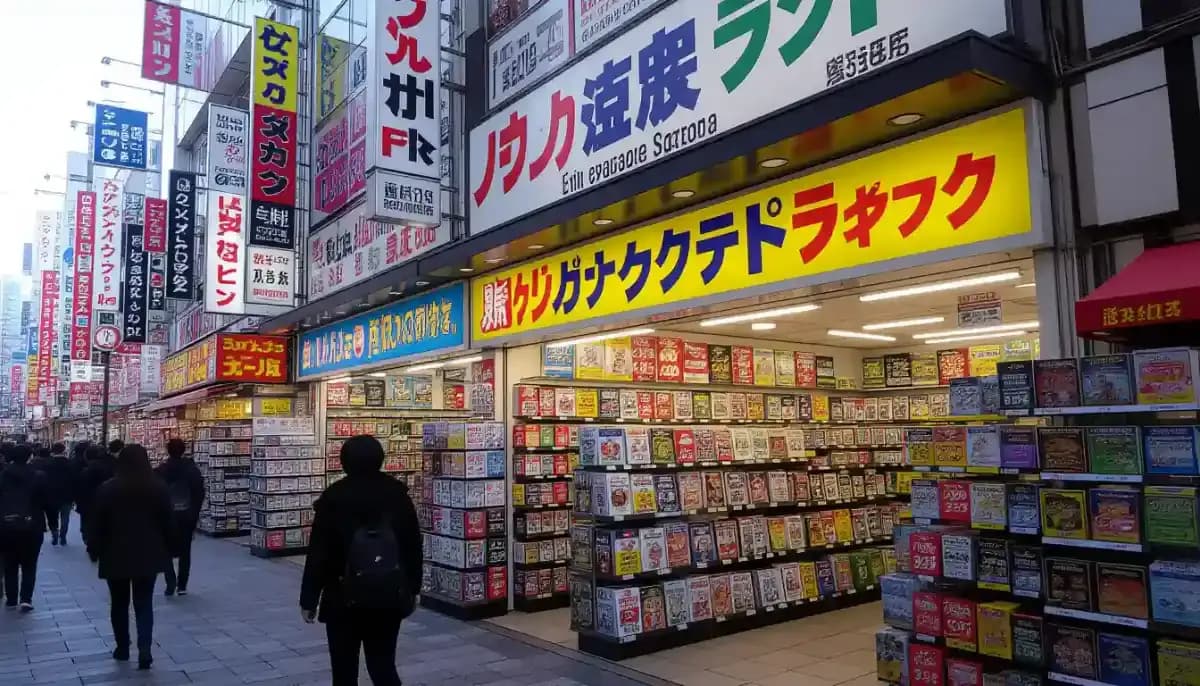
Your complete guide to electronics shopping in Japan. Discover the best stores like Yodobashi Camera and Bic Camera, tax-free tips, Akihabara, and how to find the best deals on gadgets as a foreigner.
Electronics Shopping in Japan: Best Deals and Stores Guide
Japan is a paradise for electronics enthusiasts. Whether you're searching for the latest smartphones, cutting-edge cameras, or quirky gadgets you can't find anywhere else in the world, Japan's electronics retail scene is unmatched. From the legendary streets of Akihabara to massive multi-floor stores at major train stations, shopping for electronics in Japan is an experience that goes far beyond simple purchasing. This guide will walk you through everything you need to know — from which stores to visit, what to buy, how to get tax-free discounts, and practical tips to make the most of your electronics shopping adventure in Japan.
The Major Electronics Retail Chains in Japan
Japan's electronics retail market is dominated by a handful of giant chains, each with its own personality, strengths, and store culture. Understanding the differences between them will help you choose where to shop based on what you're looking for.
Yodobashi Camera
Yodobashi Camera is arguably the most famous electronics retailer in Japan. Despite the name, it sells far more than cameras — you'll find everything from laptops, smartphones, and home appliances to gaming gear, audio equipment, and even toys. The flagship store, Yodobashi Camera Multimedia Akiba in Akihabara, is a shopper's dream. The building is organized by category: floors 1–5 are dedicated to home appliances, floor 6 houses gaming consoles, figurines, and hobby items, while floors 7–8 feature cafes and restaurants. Yodobashi stores are located near major train stations in Tokyo, Osaka, Kyoto, and other major cities, making them extremely convenient.
Bic Camera
Bic Camera is another retail giant with over 260 stores across Japan as of 2024. Like Yodobashi, Bic Camera sells a massive range of electronics — and also cosmetics, liquor, and even travel goods. Key locations include the flagship at Ikebukuro, plus stores in Akihabara, Yurakucho, Shinjuku, Namba (Osaka), Kyoto, and Sapporo. One standout feature for international shoppers is the Payke Tablet system, which lets you scan product barcodes to access product information in 7 languages, including English and Chinese. Their tax-free counters are staffed by multilingual employees.
Yamada Denki (LABI)
Yamada Denki is Japan's largest consumer electronics retailer by revenue. Their premium "LABI" stores cater specifically to international tourists with dedicated multilingual staff and tax-free services. Flagship LABI locations are in Tokyo's Akihabara and Shinjuku areas, as well as Osaka and Fukuoka.
Don Quijote (Donki)
While not exclusively an electronics retailer, Don Quijote (fondly called "Donki") is worth mentioning. Their stores carry a surprising selection of electronics, accessories, and gadgets — often at discounted prices. With locations open late night (many are open 24 hours), Donki is a go-to for budget-friendly finds.
| Retailer | Locations | Language Support | Speciality |
|---|---|---|---|
| Yodobashi Camera | Major cities, Akihabara flagship | English, Chinese | Full electronics range, gaming |
| Bic Camera | 260+ stores nationwide | 7 languages via Payke system | Electronics + cosmetics + more |
| Yamada Denki (LABI) | Tokyo, Osaka, Fukuoka | Multilingual staff | Tourist-oriented flagship stores |
| Don Quijote | Nationwide, 24hrs | Limited | Discount gadgets, accessories |
The Best Shopping Districts for Electronics
Akihabara, Tokyo
No guide to electronics shopping in Japan is complete without Akihabara. Known as "Electric Town" (電気街), this neighborhood in central Tokyo is the global mecca for tech enthusiasts, anime fans, and gadget hunters. The district is home to flagship stores for Yodobashi Camera and Bic Camera, but also hundreds of smaller specialty shops selling everything from vintage electronic parts to rare gaming collectibles and anime merchandise. Walking through Akihabara is a sensory overload in the best possible way — neon signs, demo units everywhere, and staff who are genuinely passionate about their products.
What you'll find in Akihabara:
- The latest smartphones, cameras, and audio gear
- Gaming consoles and rare retro hardware
- Components, cables, and DIY electronics
- PC builds and custom parts
- Anime goods and figures alongside tech
For more information on navigating daily life in Japan, including tech and digital services, check out the Technology & Digital Life Guide on Living in Nihon.
Nippombashi, Osaka
Osaka's answer to Akihabara is Nippombashi (also spelled Nipponbashi), located in the Namba area. This district features a dense concentration of electronics stores, hobby shops, and manga/anime retailers. While smaller than Akihabara, Nippombashi offers comparable product ranges and has a slightly more local, less tourist-heavy atmosphere — which can sometimes mean better prices. It's easily accessible from Namba Station.
Akihabara vs. Nippombashi: Quick Comparison
| Category | Akihabara (Tokyo) | Nippombashi (Osaka) |
|---|---|---|
| Size | Massive, spread over many blocks | Compact, concentrated on one main street |
| Atmosphere | International tourist-heavy | More local flavor |
| Store variety | Highest in Japan | Similar range, slightly more niche |
| Prices | Competitive | Sometimes lower for niche items |
| Access | JR Akihabara Station | Namba Station, Osaka Metro |
Tax-Free Shopping for Foreign Visitors
One of the biggest perks of electronics shopping in Japan as a foreigner is the tax exemption program. Japan's consumption tax is 10%, and eligible foreign visitors can have this waived at participating stores.
Who Qualifies?
To qualify for tax-free shopping in Japan, you must be:
- A foreign national visiting Japan on a short-term stay visa (not a resident or long-term visa holder)
- Present in Japan for less than 6 months
- Not employed in Japan
Minimum Purchase Requirements
For non-consumable goods like electronics, you must purchase 5,000 yen or more (excluding tax) at the same store on the same day. There is a maximum of 500,000 yen per store per day.
How the Process Works
- Bring your passport to the store (this is mandatory)
- Shop until you meet the minimum threshold
- Head to the designated tax-free counter or ask at checkout
- Complete the paperwork and receive your tax exemption
- Your passport will receive a purchase record sticker
Important 2025–2026 Changes
The Japanese tax-free system is undergoing significant changes:
- From April 1, 2025: Tax-free shopping does not apply if you ship items home via international parcel. You must physically take the items out of Japan yourself.
- From November 1, 2026: The system will change so customers pay the full tax-inclusive price at checkout and receive a refund only after customs confirms the items were exported at the airport upon departure.
These changes are designed to prevent abuse. Plan your purchases accordingly.
For the latest information on tax-free procedures, visit the Japan National Tourism Organization (JNTO) Tax Exemption page.
What to Buy: Best Electronics Deals in Japan
Japan is famous for producing world-class electronics brands — Sony, Panasonic, Canon, Nikon, Sharp, Fujitsu, and many more have their home markets here. This means you'll often find products launched in Japan first, exclusive Japanese models, or simply better pricing due to the competitive retail environment.
Cameras and Lenses
Japan is possibly the best place in the world to buy cameras. Both Canon and Nikon have their flagship stores in Tokyo, and all major retailers carry a massive range of mirrorless and DSLR cameras. You'll often find exclusive Japanese bundles and kits unavailable elsewhere. Used camera gear from reputable second-hand chains like Map Camera (Shinjuku) or Fujiya Camera (Nakano) is also exceptional value.
Audio Equipment
Japanese audio culture runs deep — audiophile headphones, earphones, and amplifiers from brands like Sony, Audio-Technica, and Sennheiser are sold alongside boutique Japanese brands rarely available overseas. Akihabara's specialty audio shops are worth hours of browsing.
Smartphones and Tablets
While flagship devices from Apple, Samsung, and local brands are widely available, be aware that some Japanese carrier-locked smartphones may not work on overseas networks. For unlocked phones or SIM-free devices, look for stores that explicitly sell SIM-free (SIMフリー) models. Yodobashi and Bic Camera both have dedicated SIM-free sections.
Home Appliances and Gadgets
Japan is famous for innovative home appliances — toilet seats with heated functions (washlets), high-tech rice cookers, compact and efficient vacuum cleaners, and more. Note that voltage compatibility is important: Japan uses 100V/50-60Hz while most other countries use 220-240V. Check device compatibility before purchase or look for dual-voltage products.
Gaming Gear
For video game hardware, peripherals, and collectibles, Japan — particularly Akihabara — is unbeatable. Retro gaming stores are scattered throughout the district, and major retailers carry the newest consoles and accessories. The Nintendo Store in Shibuya's PARCO building is also worth a visit.
Practical Tips for Electronics Shopping in Japan
Always Bring Your Passport
You'll need it for tax-free shopping, and many stores will request it even for credit card purchases above certain amounts.
Check Voltage and Compatibility
Japan uses 100V electricity (different from US 120V and Europe's 220-240V). While most modern electronics like phones and laptops auto-adapt via universal power supplies, items like hair dryers, rice cookers, and appliances may not work at home without a transformer. Always check the label.
Look for Used Electronics
Japan's second-hand electronics market is excellent. Stores like Hard Off, Book Off, and specialty recycle shops offer clean, tested used electronics at significant discounts. Condition is clearly labeled (graded S, A, B, C), and products are often barely used.
Use Point Cards
Bic Camera, Yodobashi, and other major retailers offer point cards (ポイントカード) that accumulate rebates of 10%+ on purchases. If you're making multiple purchases, registering for a point card is worthwhile — you can use accumulated points on the same trip.
Bargain at Smaller Shops
Unlike the major chains, smaller independent shops in Akihabara and Nippombashi often have more flexibility on pricing, especially for high-ticket items. Don't be afraid to politely ask if they can do better — this is standard practice.
For career and employment guidance in Japan's IT industry, check out For Work in Japan and Ittenshoku for resources on working in Japan's tech sector.
Online Electronics Shopping in Japan
While the in-store experience is hard to beat, Japan's online electronics market is equally impressive and very convenient.
Amazon Japan (amazon.co.jp)
Amazon Japan offers a vast range of electronics with competitive pricing and fast delivery. With a Japanese address, you can access prices unavailable on international Amazon. Many sellers also ship internationally.
Rakuten Ichiba
Rakuten is Japan's largest e-commerce platform and a go-to for electronics. Like Amazon, prices are competitive and the selection is huge. Rakuten also runs cashback campaigns during special events like "Rakuten Super Sale."
Yodobashi.com and BicCamera.com
Both major chains have excellent online stores that ship nationwide. Their websites are in Japanese, but Google Translate works reasonably well, and both have strong international shipping support.
PayPay Mall / Yahoo! Shopping
Yahoo's shopping platform in Japan (now integrated with PayPay) is another large marketplace worth checking for deals.
For more on living and shopping in Japan as a foreigner, see our guides on Shopping in Japan for Foreigners and Daily Life in Japan.
The Japan Electronics Market: What You Need to Know
Japan's consumer electronics market is one of the largest and most dynamic in the world. The market was valued at approximately US$ 116 billion in 2024 and is projected to grow to US$ 162 billion by 2032, at a compound annual growth rate of 4.3%. This robust market means fierce competition between retailers, which ultimately benefits shoppers through competitive pricing, strong service standards, and deep product ranges.
Interestingly, Japan's shoppers are increasingly price-sensitive. The depreciation of the yen and rising inflation have pushed consumers toward cost-performance-focused buying decisions — a trend that creates opportunities for savvy shoppers (including foreigners) who know where to look for deals.
AI integration is also rapidly advancing in Japan's electronics space, particularly in smartphones, wireless earphones (TWS), and laptops — making Japan an excellent place to find the latest AI-powered gadgets ahead of their global launch.
For an overview of costs and budgeting in Japan, see our Cost of Living in Japan Guide.
Summary: Top Tips for Electronics Shopping in Japan
- Start with Akihabara if you're in Tokyo — it's unmissable and has everything
- Bring your passport for every shopping trip to qualify for tax-free benefits
- Check the tax-free rules before your trip, especially the 2025-2026 changes
- Use point cards at major chains to maximize savings
- Visit second-hand shops (Hard Off, Map Camera) for incredible value
- Check voltage compatibility before buying appliances
- Look for SIM-free devices if buying a smartphone
- Japan's electronics market is valued at over US$ 116 billion — the competition keeps prices and quality high
Whether you're a tech enthusiast on a shopping pilgrimage, an expat setting up your home, or a visitor looking for unique Japanese gadgets to bring home, Japan's electronics shopping scene will not disappoint. The combination of world-class products, competitive pricing, excellent service, and the tax-free advantage makes Japan one of the best places on earth to buy electronics.
For more resources on living as a foreigner in Japan, explore our complete shopping guide and daily life guide.
Sources: Japan National Tourism Organization, Tax-Free 2025 Updates, Yodobashi vs Bic Camera Guide

Originally from Vietnam, living in Japan for 16+ years. Graduated from Nagoya University, with 11 years of professional experience at Japanese and international companies. Sharing information about living in Japan for foreigners.
View Profile →Related Articles
Japanese Drug Stores Best Products and Tips
Discover the best Japanese drug store products, top chains like Matsumoto Kiyoshi and Welcia, must-buy skincare and health items, and essential shopping tips for foreigners and expats in Japan.
Read more →
Rakuten Shopping Guide for Foreign Residents in Japan
Complete Rakuten Ichiba guide for foreigners in Japan: how to register, use Rakuten Points, maximize SPU multipliers, navigate sale events, and save money on every purchase.
Read more →
Tax Free Shopping in Japan How It Works for Residents
Complete guide to tax-free shopping in Japan. Learn who qualifies (tourists vs. residents), minimum purchase rules, the 2026 system changes, and how foreign residents can save money without tax-free eligibility.
Read more →
Buying Home Appliances in Japan Guide for Foreigners
Everything foreigners need to know about buying home appliances in Japan. Learn where to shop, how much to budget, voltage differences, used vs new options, and disposal rules.
Read more →
Best Outlet Malls and Discount Stores in Japan
Complete guide to Japan's best outlet malls (Gotemba, Kisarazu, Rinku) and discount stores (Donki, Daiso) for foreigners. Tax-free tips, sale seasons, and practical advice for expats and tourists.
Read more →
Japanese Department Stores Complete Shopping Guide
Complete guide to Japanese department stores (depato) for foreigners: tax-free shopping, floor layouts, depachika food halls, major chains like Isetan and Mitsukoshi, and essential tips for expats.
Read more →