
Japanese Department Stores Complete Shopping Guide

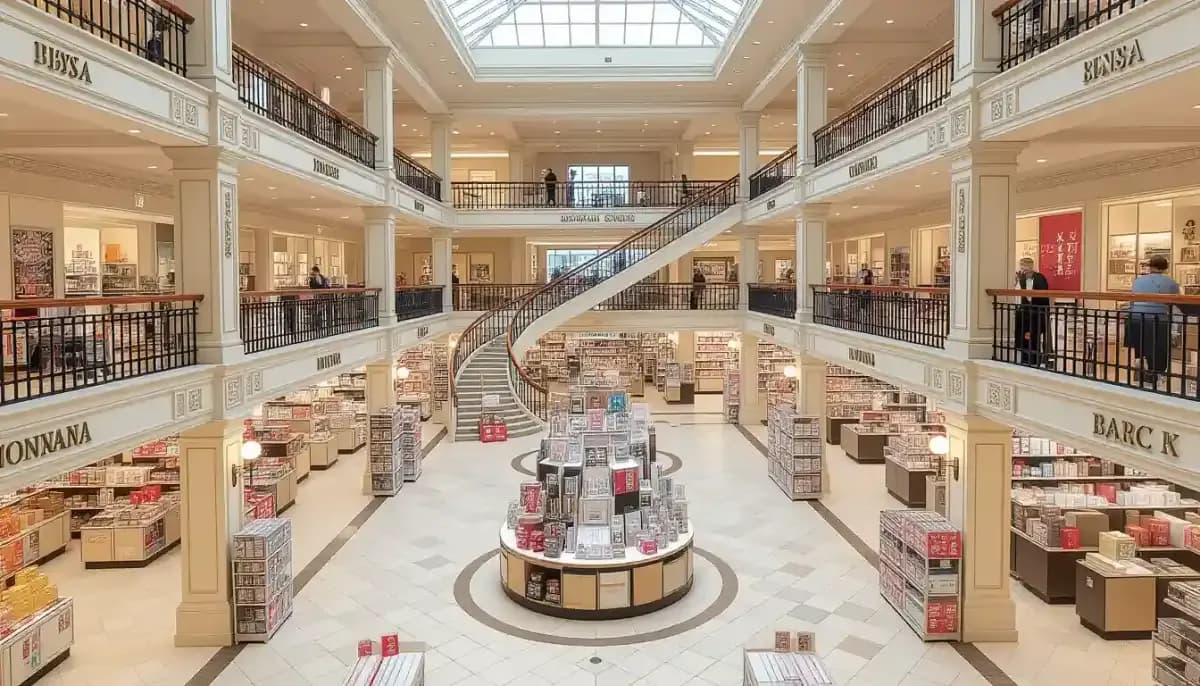
Complete guide to Japanese department stores (depato) for foreigners: tax-free shopping, floor layouts, depachika food halls, major chains like Isetan and Mitsukoshi, and essential tips for expats.
Japanese Department Stores Complete Shopping Guide for Foreigners
Japanese department stores — known as depāto (デパート) — are some of the most iconic and awe-inspiring retail destinations in the world. Whether you are a tourist looking for tax-free deals, an expat settling into Japanese life, or a long-term resident seeking premium goods and gourmet food, understanding how Japan's department stores work will transform your shopping experience. This guide covers everything you need to know about navigating, shopping, and making the most of Japan's legendary department stores.
A Brief History of Japanese Department Stores
The story of Japanese department stores stretches back centuries. Mitsukoshi, widely considered Japan's oldest department store, traces its roots to 1673 when it began as a kimono shop called Echigo-ya in Tokyo's Nihonbashi district. It officially became a department store in 1904, just a year after Takashimaya began its transformation from a used-clothing dealer (founded 1831) into a full-scale retailer.
By the early 20th century, Japan had embraced the Western department store model while adding distinctly Japanese touches: meticulous customer service, elaborate gift-wrapping, and the concept of the basement food hall, known as the depachika (デパ地下). Hankyu in Osaka, opened in 1907, became the world's first train-station-connected department store — a model that became standard across Japan.
Today, there are over 200 department stores operating across Japan, and 91% of visiting foreigners have shopped at Japanese department stores, drawn by exclusive products, tax-free benefits, and unmatched service.
The Major Department Store Chains
Understanding Japan's main department store groups helps you know what to expect in different cities and neighborhoods.
| Store Chain | Founded | Flagship Location | Ownership Group |
|---|---|---|---|
| Mitsukoshi | 1673 | Nihonbashi, Tokyo | Isetan-Mitsukoshi Holdings |
| Isetan | 1886 | Shinjuku, Tokyo | Isetan-Mitsukoshi Holdings |
| Takashimaya | 1831 | Nihonbashi, Tokyo | Takashimaya Co. |
| Daimaru | 1717 | Tokyo Station | J. Front Retailing |
| Matsuzakaya | 1611 | Ginza, Tokyo | J. Front Retailing |
| Hankyu | 1907 | Umeda, Osaka | H2O Retailing |
| Hanshin | 1922 | Umeda, Osaka | H2O Retailing |
| Sogo / Seibu | 1830 | Ikebukuro, Tokyo | Sogo & Seibu Co. |
| Marui (0101) | 1931 | Shinjuku, Tokyo | Marui Group |
| Tokyu | 1934 | Shibuya, Tokyo | Tokyu Department Store |
Isetan Shinjuku is often ranked Japan's #1 department store by sales volume and fashion prestige. Its flagship in Shinjuku features an entire building devoted to women's fashion, showcasing top Japanese designers alongside global luxury labels. Directly across the street, Isetan Men's houses one of the world's largest collections of menswear.
Mitsukoshi Ginza and Mitsukoshi Nihonbashi are known for their classic elegance, deep heritage, and curated selection of traditional Japanese arts, crafts, and premium gifts.
Understanding the Floor Layout
One of the most distinctive aspects of Japanese department stores is their highly standardized floor layout. Once you learn the pattern, navigating any depato becomes intuitive.
| Floor | Typical Contents |
|---|---|
| Basement (B2-B1) | Depachika: gourmet food, sweets, bento boxes, wagashi, wine, takeout |
| Ground Floor (1F) | Cosmetics, international perfumes, handbags, accessories |
| 2F–4F | Women's fashion (casual to luxury), shoes, lingerie |
| 5F–6F | Men's fashion, suits, shoes, sportswear |
| 7F–8F | Children's clothing, toys, baby goods, maternity wear |
| 9F–10F | Interior goods, tableware, stationery, books |
| 11F–12F (or top floor) | Restaurants (Japanese and international cuisine), cafes |
| Upper Floors / Rooftop | Event spaces, art galleries, seasonal exhibits, gardens |
One essential tip: visit the depachika (basement food floor) without fail. These food halls are a world unto themselves, offering perfectly packaged bento boxes, seasonal wagashi (traditional Japanese sweets), premium seafood, regional specialties, artisan chocolates, and freshly prepared hot dishes. Around 30–45 minutes before closing time, staff often discount perishable items — a great opportunity for budget-conscious shoppers.
Tax-Free Shopping for Foreign Visitors
One of the biggest advantages of shopping at Japanese department stores as a foreigner is tax-free shopping. Japan's consumption tax is 10% (8% on food and daily necessities), and foreign visitors can claim an exemption on qualifying purchases.
Key Tax-Free Rules (as of 2025–2026):
- Who qualifies: Foreign visitors staying in Japan for less than 6 months (tourists and short-term visa holders)
- Minimum purchase: 5,000 yen or more at a single store on the same day
- What you need: Your passport (bring it every time you shop)
- Where to claim: Dedicated tax-free counters inside the department store — look for "Tax Refund" or "Duty Free" signs
- Important 2026 change: Japan is shifting from in-store exemption to an airport refund model. From 2026, you pay full price in-store and claim your refund at the airport when departing.
- April 2025 update: Tax exemption on items shipped directly to your home country is no longer available.
Many department stores also offer tourist discount coupons at their information desks — always ask at the ground floor information counter when you arrive.
For more on navigating Japan's shopping system as a foreigner, see Living in Nihon's Japan Shopping and Consumer Guide.
The Depachika: Japan's Most Famous Food Halls
If you only visit one part of a Japanese department store, make it the depachika (デパ地下 — "department store basement"). These underground food halls are considered a cultural institution and a benchmark of Japanese culinary excellence.
What you'll typically find in a depachika:
- Wagashi — traditional Japanese sweets made from rice flour, red bean paste, and seasonal ingredients
- Obento — beautifully arranged boxed lunches featuring rice, grilled fish, pickled vegetables, and more
- Sweets from luxury patisseries — top Japanese confectioners, European chocolatiers, and artisan dessert counters
- Fresh seafood — sashimi-grade fish, crab legs, oysters, and prepared seafood dishes
- Regional specialties — products imported from across Japan's 47 prefectures
- Fine wines, sake, and whisky — curated selections from around the world
- Artisan breads and bakeries — French-style boulangeries and Japanese milk bread specialists
The depachika is also a beloved destination for omiyage (お土産 — souvenir gifts). Japan has a strong culture of bringing back food gifts for colleagues and family, and department store basements stock beautifully packaged regional treats ideal for gifting.
For career and lifestyle tips that complement your shopping life in Japan, check out For Work in Japan — a resource for foreigners navigating professional and daily life here.
Shopping Etiquette and Customer Service
Japanese department stores are famous for their extraordinary service standards, which can be surprising and wonderful for newcomers. Here is what to expect:
Store opening ceremonies: At 10am opening time, staff line up at the entrance to greet customers with a deep bow. This is standard practice across all major depato.
Elevator attendants: Some traditional department stores still employ elevator attendants in uniforms who announce each floor and bow as doors open.
Gift wrapping: Ask for noshi-gami wrapping for formal gifts. Department store gift wrap is meticulous and often included free of charge. During major gift-giving seasons like Ochugen (mid-year) and Oseibo (year-end), department stores become the epicenter of Japan's gift economy.
Returns and refunds: Japan's consumer return culture differs from the West. Returns are not legally required after purchase. Most department stores accept returns for defective items, but changing your mind is not always grounds for a return. Check the store's policy carefully before purchasing.
Handling money: At checkout counters, you will typically see a small tray — place your cash in the tray rather than handing it directly to the cashier.
For more on navigating Japanese cultural etiquette in daily situations, visit our guide on Japanese Culture and Etiquette.
Must-Visit Department Stores by City
Tokyo
- Isetan Shinjuku — Best for fashion and contemporary Japanese designers
- Mitsukoshi Ginza / Nihonbashi — Classic elegance, premium gifts, traditional crafts
- Takashimaya Nihonbashi / Shinjuku — Comprehensive selection, excellent depachika
- Seibu Ikebukuro — Large format store; art, culture, and food events
- Tokyu Shibuya / Hikarie — Trendy Shibuya location with art exhibitions and contemporary brands
Osaka
- Hankyu Umeda — The grand dame of Osaka shopping; world's first station-linked store
- Hanshin Umeda — Famous for its extraordinary food basement and Albi gourmet market
- Kintetsu Abeno Harukas — Inside one of Japan's tallest buildings; panoramic city views from the top
Kyoto
- Takashimaya Kyoto — Excellent selection of Kyoto crafts: kyo-gashi sweets, Nishijin textiles, kyo-yaki pottery
- Daimaru Kyoto — Connected to Kyoto Station; convenient for travelers
Nagoya
- Mitsukoshi Sakae — Premium department store in central Nagoya
- Matsuzakaya Nagoya — Classic Nagoya department store experience with strong regional specialties
For more on living and navigating daily life across Japan's cities, our Daily Life in Japan Guide for Foreigners covers everything you need.
Loyalty Programs and Seasonal Sales
Many department stores offer point loyalty programs that reward regular shoppers:
- Isetan/Mitsukoshi MI Card — Points redeemable as store credit; additional benefits at MI card counters
- Takashimaya Card — Earn points on all purchases; exclusive member sales and early access events
- Marui EPOS Card — Widely accepted; useful for points and installment plans
Seasonal sales are a major feature of Japanese department store culture:
| Season | Sale Event | Timing |
|---|---|---|
| New Year | Hatsu-uri (初売り) + Fukubukuro lucky bags | January 1–3 |
| Winter clearance | End-of-season fashion discounts | February–March |
| Mid-year | Ochugen gift season | June–July |
| Summer sale | Major fashion and household discounts | Mid-July |
| Summer clearance | End-of-season | August–September |
| Year-end | Oseibo gift season | November–December |
Fukubukuro (lucky bags) sold during New Year sales are a beloved tradition: sealed bags filled with mystery merchandise — typically worth 3x to 5x the bag price. Major stores' lucky bags sell out within minutes of opening on January 2nd.
For insights on job-hunting while building your life in Japan, Ittenshoku offers perspectives on career transitions that help foreigners settle into Japanese society.
Practical Tips for Foreigners
- Always bring your passport — Required for tax-free purchases at every department store
- Visit on weekdays — Weekend crowds at major stores like Isetan Shinjuku can be intense; weekday mornings are peaceful
- Start at the basement — Orient yourself with the depachika, grab a snack, then explore upward
- Ask at the information counter — Staff at ground floor information desks often have English-language store maps and tourist brochures
- Use ATMs inside the store — Many major department stores offer ATMs that accept foreign cards
- Look for seasonal exhibitions — Top floors often host free or low-cost art exhibitions and food fairs from different Japanese regions
- Discount timing — Visit the depachika 30–45 minutes before closing for discounted prepared foods
- International shipping — Many stores offer international shipping for purchases, though tax-free shipping exemption ended in April 2025
- Credit cards accepted — Major international cards (Visa, Mastercard, AmEx) accepted at most registers; IC card payment (Suica/Pasmo) is also widely available
- Japan Tax Refund info — For updated official tax-free rules, check Japan Guide's shopping page
For full context on shopping beyond department stores — from 100-yen shops to online platforms — see our Complete Shopping Guide for Foreigners in Japan.
Conclusion
Japanese department stores are far more than shopping destinations — they are cultural institutions embodying Japan's commitment to quality, service, and beauty. From the legendary depachika food halls to the meticulous gift-wrapping traditions, from the world-class fashion floors of Isetan Shinjuku to the heritage halls of Mitsukoshi Nihonbashi, every visit to a Japanese department store is an experience worth having.
Whether you are shopping for everyday needs, hunting for the perfect omiyage gift, or simply exploring Japan's retail culture, mastering the depato experience is an essential part of life as a foreigner in Japan. Combine your department store trips with our Banking and Finance Guide to understand payment options, and our Transportation Guide to plan your journey to major shopping districts.
Japan's department stores are waiting — bring your passport, take your time, and never skip the basement.
Explore more on Matcha-jp's Department Stores in Japan guide and E-Housing's Tokyo Department Store Guide for additional recommendations.

Originally from Vietnam, living in Japan for 16+ years. Graduated from Nagoya University, with 11 years of professional experience at Japanese and international companies. Sharing information about living in Japan for foreigners.
View Profile →Related Articles
Japanese Drug Stores Best Products and Tips
Discover the best Japanese drug store products, top chains like Matsumoto Kiyoshi and Welcia, must-buy skincare and health items, and essential shopping tips for foreigners and expats in Japan.
Read more →
Rakuten Shopping Guide for Foreign Residents in Japan
Complete Rakuten Ichiba guide for foreigners in Japan: how to register, use Rakuten Points, maximize SPU multipliers, navigate sale events, and save money on every purchase.
Read more →
Tax Free Shopping in Japan How It Works for Residents
Complete guide to tax-free shopping in Japan. Learn who qualifies (tourists vs. residents), minimum purchase rules, the 2026 system changes, and how foreign residents can save money without tax-free eligibility.
Read more →
Buying Home Appliances in Japan Guide for Foreigners
Everything foreigners need to know about buying home appliances in Japan. Learn where to shop, how much to budget, voltage differences, used vs new options, and disposal rules.
Read more →
Best Outlet Malls and Discount Stores in Japan
Complete guide to Japan's best outlet malls (Gotemba, Kisarazu, Rinku) and discount stores (Donki, Daiso) for foreigners. Tax-free tips, sale seasons, and practical advice for expats and tourists.
Read more →
Mercari Japan Buying and Selling Guide for Foreigners
Everything foreigners need to know about using Mercari Japan—creating an account, buying tips, selling strategies, shipping methods, fees, and common pitfalls explained.
Read more →