
Mercari Japan Buying and Selling Guide for Foreigners

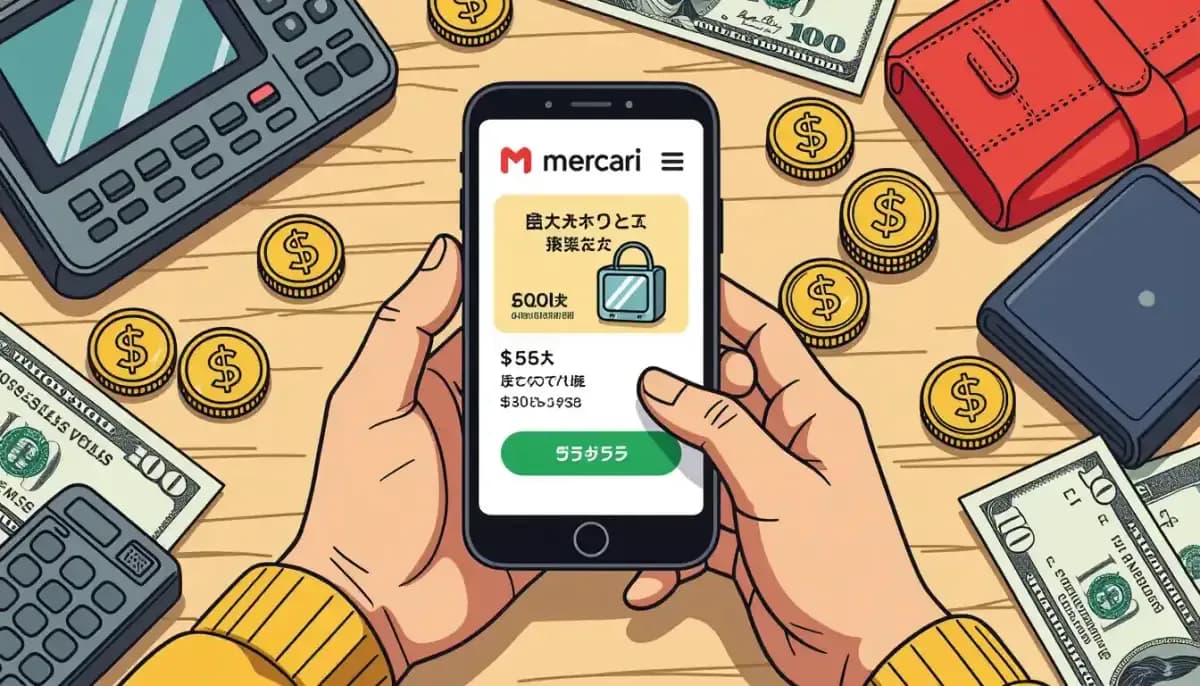
Everything foreigners need to know about using Mercari Japan—creating an account, buying tips, selling strategies, shipping methods, fees, and common pitfalls explained.
Mercari Japan Buying and Selling Guide for Foreigners
If you've spent any time in Japan, you've almost certainly heard of Mercari. Japan's biggest online flea market has transformed the way people buy and sell secondhand goods, and as a foreigner living here, it's one of the most practical platforms you can use. Whether you're looking to furnish your apartment on a budget, clear out items before moving, or score a deal on electronics, Mercari is your go-to. This guide covers everything you need to know about using Mercari Japan as a foreigner—from creating an account to shipping your first sale.
!Mercari Japan app on smartphone showing listings for secondhand goods

What Is Mercari Japan and Why Foreigners Love It
Mercari (メルカリ) launched in 2013 and quickly became Japan's first unicorn startup. Today, the platform has over 23 million monthly active users and commands roughly 70% market share in Japan's online flea market space—dwarfing competitors like Yahoo! Flea Market and Rakuma. Its annual gross merchandise value (GMV) exceeds JPY 1.1 trillion (over $7 billion USD).
For foreigners in Japan, Mercari offers several distinct advantages:
- Incredible item quality: Japanese sellers tend to keep items in meticulous condition. "Used" on Mercari often means barely touched.
- Wide variety: Electronics, fashion, manga, baby goods, furniture, sports equipment—if you need it, it's probably there.
- Competitive prices: Items go for a fraction of retail, and you can negotiate further.
- Anonymous shipping: Both buyers and sellers stay private—no home addresses are exchanged.
Mercari operates entirely in Japanese, which can be intimidating at first. However, with modern translation tools and the tips in this guide, non-Japanese speakers can use the platform with confidence.
For a broader look at shopping in Japan, check out our Complete Guide to Shopping in Japan for Foreigners. You might also find our Complete Guide to Daily Life in Japan for Foreigners helpful as you settle in.
Creating a Mercari Account as a Foreigner
Getting started requires a few Japan-specific pieces of information. Here's what you'll need:
- Email address and password (8+ characters, mixing letters and numbers)
- Japanese nickname for your profile
- Full name in kanji and katakana
- Birthday (year/month/day format)
- Japanese mobile phone number: This is the key requirement. You need a number starting with 070, 080, or 090 for SMS verification.
If you don't yet have a Japanese SIM, you'll need to get one before registering. Once you have your number, the registration process is straightforward. Open the Mercari app (available on iOS and Android), enter your details, verify your phone number via SMS, and you're ready to browse.
Tip for reading Japanese during registration: Use your phone's built-in translation feature (Google Translate camera mode or Apple's Live Text) to read registration fields in real time. Most smartphones can overlay translations directly on screen.
How to Buy on Mercari Japan: Step-by-Step
Searching for Items
Mercari's interface is entirely in Japanese, but don't let that stop you. Here are the most effective search strategies for foreigners:
- Search in English first: For international brands (Nike, Sony, IKEA, Lego), English terms often work well.
- Search in Japanese: For Japanese-specific items or brands, use Google Translate to convert your search terms.
- Avoid over-filtering by category: Sellers tag items inconsistently. Broad keyword searches usually turn up more results than category-specific browsing.
- Save your searches: Mercari lets you bookmark searches and get notified when new matching items are listed.
Understanding Item Condition Ratings
Mercari uses a 6-level condition system. Here's a breakdown:
| Japanese | Meaning | What to Expect |
|---|---|---|
| 新品・未使用 | New, unused | Sealed or never used |
| 未使用に近い | Like new | Used once or twice, excellent condition |
| 目立った傷や汚れなし | No visible damage | Normal used condition, looks clean |
| やや傷や汚れあり | Minor scratches/dirt | Light wear, still functional |
| 傷や汚れあり | Scratches/dirt present | Visible wear, priced accordingly |
| 全体的に状態が悪い | Poor overall condition | Significant damage, buyer beware |
For bargain hunters, items rated やや傷や汚れあり (minor scratches) are worth examining—"scratches" sometimes means a barely visible mark that you'd never notice in person.
Making a Purchase
- Find the item you want and tap the buy button (購入する).
- Select your payment method: credit card (recommended for foreigners—no extra fees) or convenience store/ATM (adds a 100–880 yen fee depending on amount).
- Confirm your shipping address and complete the purchase.
- Wait for the seller to ship, then inspect the item upon arrival.
- Rate the transaction as satisfactory (良かった) to release payment to the seller.
Important: Inspect your item carefully before marking the transaction complete. Once you rate the seller, Mercari's support has limited ability to assist with disputes.
Haggling on Mercari
Price negotiation is completely normal on Mercari. You can comment on any listing to request a discount. Realistic reductions range from 10–30% off the listed price. A simple message works:
コメント失礼いたします。購入を考えているのですが、お値下げは可能でしょうか? (Excuse me for the comment. I'm considering buying—would a price reduction be possible?)
Sellers aren't obligated to respond, but many will negotiate, especially on items that have been listed for a while.
Best Times to Browse
Japanese sellers are most active in the evenings after work (7–10 PM) and during lunch hours (12–1 PM). New listings appear frequently during these windows. If you're hunting for specific items, check Mercari during these times to catch fresh listings before other buyers do.
For more money-saving strategies in Japan, see our Complete Guide to Cost of Living in Japan.
How to Sell on Mercari Japan: Step-by-Step
Selling on Mercari is one of the best ways foreigners can recoup money from purchases or clear out belongings before moving. Here's how to do it effectively.
Creating a Listing
- Photos: Upload up to 20 photos per listing. More photos increase buyer confidence. Use good lighting and shoot from multiple angles—buyers want to see exactly what they're getting.
- Title: Limited to 40 characters. Include the brand name, item type, size, and color. Example: "Nike Air Max 90 スニーカー 27cm ホワイト"
- Condition: Be honest. Japanese buyers have high expectations, and negative reviews will hurt future sales.
- Description: Detail any flaws, include measurements where relevant, and mention the original purchase location. If Japanese isn't your strength, use simple sentences and translation tools.
- Price: Search for similar sold items to gauge realistic pricing. Setting price at "make offer" (値段の相談あり) invites more inquiries.
Shipping Your Items
Mercari offers two main shipping methods that keep buyer and seller addresses completely anonymous:
Rakuraku Mercari Bin (らくらくメルカリ便): Through Yamato Transport. Drop off at Yamato offices or participating convenience stores (FamilyMart, 7-Eleven). Best for medium-to-large items.
Yuyu Mercari Bin (ゆうゆうメルカリ便): Through Japan Post. Drop off at Lawson convenience stores or post offices. Often cheaper for smaller items.
When you sell, select your shipping method in the listing. After the item sells, you'll receive a QR code in the app. Present it at the drop-off point, and they'll scan it and print your label—no need to write addresses.
Fees and Earnings
| Item | Amount |
|---|---|
| Mercari commission | 10% of sale price |
| Shipping (Rakuraku Mercari Bin, small) | ~175–380 yen |
| Shipping (Yuyu Mercari Bin, small) | ~230–340 yen |
| Transfer to bank account | 200 yen fee (waived at 20,000 yen+) |
| Cash out (ATM) | 200 yen fee |
Your earnings go into your Mercari balance. You can transfer to a Japanese bank account, use as MerPay (Mercari's payment service), or keep as points for future purchases.
!Mercari Japan shipping process at convenience store with QR code

What Sells Best on Mercari Japan
If you're looking to maximize your earnings, focus on these high-demand categories:
- Branded fashion: International brands (Uniqlo, Zara, H&M) and Japanese labels. Anything with a recognizable name sells quickly.
- Electronics: Smartphones, gaming consoles, cameras, earphones. Japanese buyers trust Mercari for tech.
- Manga and anime goods: Collectibles, limited editions, and character merchandise move fast.
- Baby and children's items: Japan's secondhand children's goods market is massive.
- Sports equipment: Ski gear, tennis rackets, golf clubs—seasonal demand drives prices up.
- Home goods and furniture: Especially IKEA items, which have strong resale value.
Items to avoid listing: cigarettes, alcohol, medicine, electronic tickets, cash, and live animals—all prohibited by Mercari's terms of service.
Prohibited Items and Common Pitfalls
Mercari has a list of prohibited items and strict rules. Violations can result in listing removal or account suspension. Key categories to avoid:
- Counterfeit or replica goods
- Medical devices requiring prescriptions
- Explosives, dangerous chemicals
- Weapons and their components
- Personal information or data
For foreigners, the most common pitfall is buying counterfeit branded goods. Always check the seller's rating and transaction history before purchasing high-value items. If a deal seems too good to be true, it probably is.
Another issue: bank transfers. To transfer your earnings to a bank account, you'll need a Japanese bank account in your name. See our Complete Guide to Banking and Finance in Japan for help setting one up.
Useful Japanese Phrases for Mercari
| Situation | Japanese | Romanization |
|---|---|---|
| Asking for discount | お値下げ可能ですか? | Onebiki kanō desu ka? |
| Asking about condition | 状態を教えてください | Jōtai wo oshiete kudasai |
| Asking about size | サイズを教えてください | Saizu wo oshiete kudasai |
| Confirming purchase intent | 購入を検討しています | Kōnyū wo kentō shite imasu |
| Thanking seller | ありがとうございました | Arigatō gozaimashita |
Additional Resources for Shopping in Japan
For more depth on secondhand shopping and marketplace apps in Japan, Living in Nihon's guide to secondhand shops and flea market apps covers the landscape beyond Mercari, including physical recycle shops and other apps.
If you're coming to Japan for work and want a broader view of daily life setup, For Work in Japan's living infrastructure guide is a solid resource for new arrivals.
For IT professionals thinking about their career alongside daily life in Japan, Ittenshoku offers career transition guidance specifically for engineers.
For in-depth English guides on selling and buying, Tokyo Cheapo's Mercari buying guide and Japan Living Guide's selling walkthrough are both excellent practical references.
Final Tips for Foreigners Using Mercari
- Use a translation app: Google Translate's camera mode can instantly translate Japanese text on your screen.
- Build your reputation early: Leave thoughtful reviews and maintain your seller/buyer rating. Japanese users place enormous weight on reputation.
- Be patient: Japanese sellers may take a day or two to respond. Don't interpret slow responses as disinterest.
- Start small as a buyer: Before selling, buy a few items to understand the process from the buyer's perspective.
- Keep packaging: When buying, save original packaging. Re-listed items with original boxes command higher prices.
- Factor in all costs: When pricing to sell, account for Mercari's 10% commission and shipping costs before setting your price.
Mercari is one of the few platforms where living in Japan gives foreigners a genuine advantage over international buyers. The quality of goods, the anonymity of the shipping system, and the sheer volume of listings make it an invaluable tool for daily life. Whether you're furnishing a new apartment on a budget or selling off goods before your next move, Mercari will become part of your Japan routine.
For more about navigating daily life in Japan, explore our Complete Guide to Daily Life in Japan for Foreigners and The Complete Guide to Shopping in Japan.

Originally from Vietnam, living in Japan for 16+ years. Graduated from Nagoya University, with 11 years of professional experience at Japanese and international companies. Sharing information about living in Japan for foreigners.
View Profile →Related Articles
Japanese Drug Stores Best Products and Tips
Discover the best Japanese drug store products, top chains like Matsumoto Kiyoshi and Welcia, must-buy skincare and health items, and essential shopping tips for foreigners and expats in Japan.
Read more →
Rakuten Shopping Guide for Foreign Residents in Japan
Complete Rakuten Ichiba guide for foreigners in Japan: how to register, use Rakuten Points, maximize SPU multipliers, navigate sale events, and save money on every purchase.
Read more →
Tax Free Shopping in Japan How It Works for Residents
Complete guide to tax-free shopping in Japan. Learn who qualifies (tourists vs. residents), minimum purchase rules, the 2026 system changes, and how foreign residents can save money without tax-free eligibility.
Read more →
Buying Home Appliances in Japan Guide for Foreigners
Everything foreigners need to know about buying home appliances in Japan. Learn where to shop, how much to budget, voltage differences, used vs new options, and disposal rules.
Read more →
Best Outlet Malls and Discount Stores in Japan
Complete guide to Japan's best outlet malls (Gotemba, Kisarazu, Rinku) and discount stores (Donki, Daiso) for foreigners. Tax-free tips, sale seasons, and practical advice for expats and tourists.
Read more →
Japanese Department Stores Complete Shopping Guide
Complete guide to Japanese department stores (depato) for foreigners: tax-free shopping, floor layouts, depachika food halls, major chains like Isetan and Mitsukoshi, and essential tips for expats.
Read more →