
Best Transit and Navigation Apps in Japan

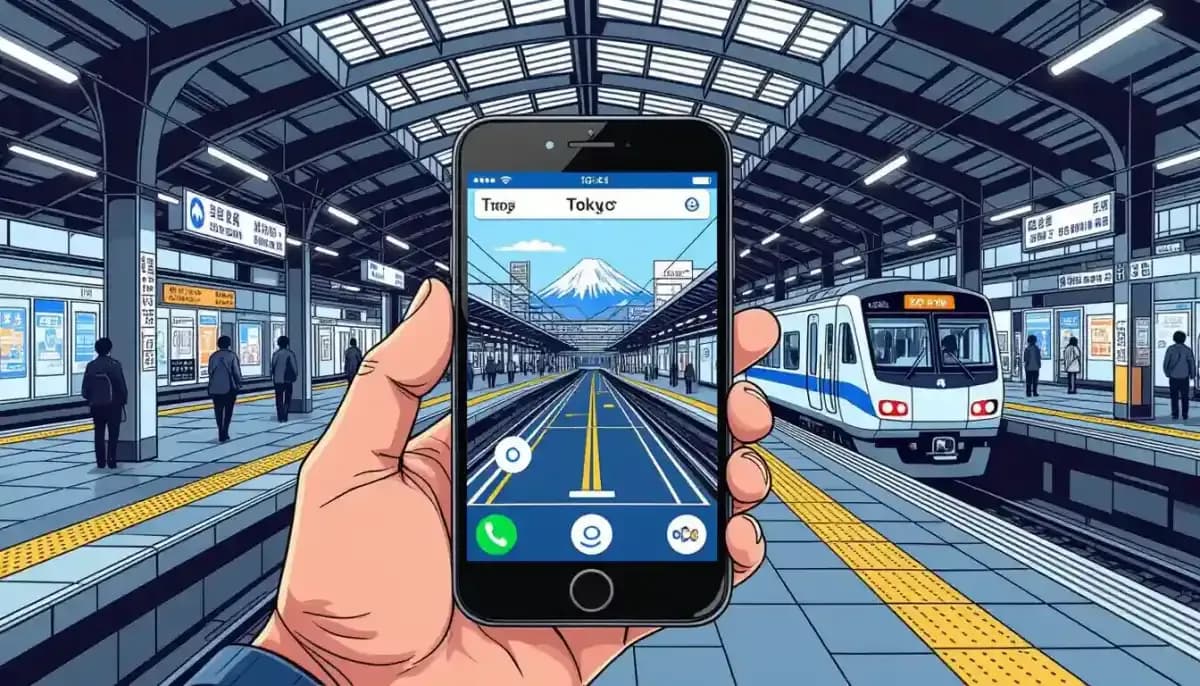
Discover the best transit and navigation apps for Japan. From Google Maps and Yahoo Transit to Mobile Suica and GO Taxi, master Japan's train system with the right tools.
Best Transit and Navigation Apps in Japan: The Complete Foreigner's Guide
Japan has one of the world's most complex — and most efficient — public transportation networks. With over 40 million daily train riders in the Tokyo metropolitan area alone and 14.6 billion annual passengers nationwide, navigating the system can feel overwhelming to newcomers. The good news? A handful of excellent apps can turn even the most confusing transfer station into a manageable journey.
Whether you're a tourist visiting for two weeks or a long-term resident commuting every day, having the right transit apps on your phone is essential. This guide covers the best transit and navigation apps for Japan, from train route planners to IC card management, taxi services, and offline maps.
Why You Need Transit Apps in Japan
Japan's train network is extraordinary in both scale and punctuality — the Shinkansen bullet train maintains an average delay of less than one minute — but its complexity is real. Tokyo alone has over 280 stations and dozens of overlapping train companies, each with separate ticketing. Without the right tools, even a short trip can become confusing.
Here's why transit apps are essential for foreigners:
- Language barrier: Station signs, announcements, and ticket machines often default to Japanese
- Multiple operators: JR, Tokyo Metro, Toei, Hankyu, Kintetsu, and more all operate separate lines in many cities
- Fare complexity: Prices vary by distance and operator, and paper tickets require separate purchases per line
- Transfer timing: Missing the right exit or platform can cost you significant time
- IC card management: Keeping your Suica or PASMO topped up prevents gate lockouts
The right apps solve all of these problems. For a broader overview of transportation in Japan, check out our Complete Guide to Transportation in Japan.
Top Train Route Planning Apps
Google Maps
Best for: Tourists and newcomers who want a familiar interface
Google Maps works surprisingly well in Japan. It provides public transportation directions for trains, subways, and buses across the country — including fares, platform numbers, and real-time delays. Most foreigners default to this because it's already on their phones and needs no learning curve.
!Top Train Route Planning Apps - illustration for Best Transit and Navigation Apps in Japan
Pros:
- Available in 40+ languages
- Shows line color, train name, and estimated cost
- Integrated with walking and driving directions
- Works with live traffic and transit data
Cons:
- Sometimes underestimates walking time inside large stations
- Occasionally misses the most efficient transfers locals know
Yahoo! Japan Transit (Yahoo!乗換案内)
Best for: Daily commuters who want maximum accuracy
Yahoo! Transit is the gold standard for train navigation in Japan. It includes walking time through station concourses, escalator and elevator information, and precise platform transfer data that Google Maps often misses. The Japanese version is more detailed, but the app is largely usable with auto-translation.
Pros:
- Extremely accurate transfer and walking time estimates
- Includes crowding level data for trains
- Platform and carriage recommendations
- Shows last train times clearly
Cons:
- UI is Japanese-first (some icons help navigation)
- Less intuitive for first-time users
NAVITIME for Japan Travel
Best for: Tourists wanting an all-in-one English-language app
NAVITIME is one of Japan's most comprehensive navigation apps. The English version — Japan Travel by NAVITIME — offers door-to-door route search, voice guidance, offline maps, and even guides to restaurants, events, and tourist spots. It covers trains, buses, and walking all in one app.
Pros:
- Full English interface
- Door-to-door navigation including walking
- Offline capability
- Includes cultural guides and event info
Cons:
- Some advanced features require a premium subscription
For more on navigating daily life in Japan as a foreigner, see our Complete Guide to Daily Life in Japan.
IC Card Apps: Suica, PASMO, and ICOCA
IC cards are prepaid transit cards that let you tap in and tap out at train gates without buying individual tickets. Since 2013, Japan's ten major IC card types (Suica, PASMO, ICOCA, TOICA, manaca, Kitaca, PiTaPa, nimoca, hayakaken, and SUGOCA) are all interoperable — meaning a Suica card purchased in Tokyo works on trains in Osaka, Hiroshima, or Hokkaido.
!IC Card Apps: Suica, PASMO, and ICOCA - illustration for Best Transit and Navigation Apps in Japan
Mobile Suica
The official Suica app from JR East allows you to store your IC card on your smartphone. You can top up instantly, view your balance and transaction history, and tap your phone (or Apple Watch) directly at ticket gates.
For tourists: Apple Pay users can access Welcome Suica, an English-friendly version valid for 180 days that supports foreign credit cards without requiring a Japanese Apple ID. This is the easiest option for visitors with iPhones.
For Android users: Mobile Suica, Mobile PASMO, and Mobile ICOCA apps are available, though they are primarily designed for Japanese residents with domestic bank accounts.
Why Use a Mobile IC Card?
- Instant top-up via credit card — no more hunting for coin machines
- Never get locked at the gate with insufficient balance
- Apple Watch and NFC Android support for true hands-free travel
- Track all your transit spending in one place
Specialized Train Apps
Japan Transit Planner (Jorudan)
A solid alternative to NAVITIME with a clean English interface. One standout feature: you can filter routes to show only trains covered by the Japan Rail Pass, making it invaluable for tourists maximizing their JR Pass value. It shows distance, fare breakdowns, seat types, and trip duration.
Tokyo Metro App
Developed by Tokyo Metro, this app provides detailed interactive maps of Tokyo's subway system, including Tokyo Metro lines, Toei lines, and the JR Yamanote loop. It works offline and shows real-time train location data. Ideal for anyone who spends significant time in Tokyo.
Smart EX (JR Central)
If you're traveling by Shinkansen on the Tokaido or Sanyo lines (Tokyo–Osaka–Hiroshima), Smart EX lets you book and manage reserved Shinkansen seats directly from your phone. You can change seats, modify timing, and board using your IC card.
Taxi and Ride-Hailing Apps
Taxis in Japan are reliable, metered, and safe — but expensive. Having a taxi app is invaluable for late nights, heavy luggage, or reaching destinations not well-served by trains.
GO Taxi
Japan's most widely used taxi app, available in 45 out of 47 prefectures. GO offers English support, real-time driver tracking, estimated fares, and cashless payment. Unlike Uber (which operates in Japan but with limited coverage), GO uses licensed taxi fleets and is widely trusted.
Uber Japan
Uber operates in Japan in a limited capacity. In Tokyo and a few major cities, it connects you with licensed taxi drivers (not private drivers as in other countries). Useful if you already have the Uber app, but coverage is patchier than GO.
DiDi and S.RIDE
Two additional taxi apps with growing presence in Japan's major cities. S.RIDE is Tokyo-focused with a particularly clean interface, while DiDi has broader coverage in cities like Osaka and Fukuoka.
Offline Maps: Stay Navigated Without Data
Maps.Me
A free offline mapping app that downloads entire country or city maps to your device. Works with GPS without any internet connection. Great for exploring neighborhoods, hiking trails, or areas with poor connectivity.
Google Maps Offline
Google Maps allows you to download areas for offline use. From the app, search for a city, tap the three dots, and select "Download offline map." Coverage is slightly less detailed than the live version but covers transit routes and walking directions.
Comparison Table: Top Japan Transit Apps
| App | Best For | Language | Offline | Cost | IC Card |
|---|---|---|---|---|---|
| Google Maps | General navigation | 40+ languages | Partial | Free | No |
| Yahoo! Transit | Accurate commuting | Japanese (icons help) | No | Free | No |
| NAVITIME | English tourists | English | Yes (premium) | Free/Premium | No |
| Japan Transit Planner | JR Pass users | English | No | Free/Premium | No |
| Tokyo Metro App | Tokyo subway | English/Japanese | Yes | Free | No |
| Mobile Suica | IC card management | English (Welcome Suica) | N/A | Free | Yes |
| GO Taxi | Taxi booking | English | N/A | Free | N/A |
| Smart EX | Shinkansen booking | Japanese/English | N/A | Free | Yes |
Tips for Using Transit Apps in Japan
1. Download before you land Download offline maps and install your key apps before arriving. Airport Wi-Fi is available but crowded, and setting up apps at home is faster.
2. Set up your IC card first Before diving into complex routes, set up a digital Suica or get a physical IC card at the airport. This eliminates the need to buy tickets for every journey.
3. Use Yahoo! Transit for Tokyo commuting For daily train use in Tokyo or Osaka, Yahoo! Transit's accuracy — especially its station walking time estimates — beats Google Maps for precision.
4. Screenshot key routes For important journeys (job interviews, hospitals, government offices), screenshot the route in advance. Japan's train networks rarely go down, but having a backup is smart.
5. Keep the taxi app ready Late-night train services end around midnight in most cities. Make sure GO is installed and set up with a payment method before you need it at 12:30am.
For tips on managing your finances while navigating daily expenses like transit, see our Complete Guide to Banking and Finance in Japan.
Resources for Further Reading
Japan's transportation system rewards those who understand it well. For additional information about navigating public transit as a foreigner, these resources are worth bookmarking:
- Complete Transportation Guide for Foreigners in Japan — Living in Nihon's comprehensive overview covers trains, buses, IC cards, and more with data on foreigner satisfaction and transit statistics.
- Working and Living in Japan Transportation Guide — For Work in Japan covers commuting considerations for expats working in Japanese companies.
- IT Professional's Japan Living Guide — Ittenshoku's guides on daily life in Japan for professionals include practical commuting advice.
- 15 Best Apps for Traveling Around Japan — JR Rail Pass's comprehensive app guide with ratings and feature breakdowns.
- Best Apps for Japan Train Travel — Nomad eSIM's practical breakdown of train-specific apps for first-time visitors.
Final Thoughts
Japan's public transportation system is world-class, and with the right apps, it becomes one of the easiest systems to use — anywhere in the world. Start with Google Maps and a digital Suica for the basics, add Yahoo! Transit for precision commuting, and install GO Taxi for late-night coverage. As you settle in, you'll find the combination that works best for your routes and lifestyle.
For a broader look at settling into daily life in Japan, explore our Complete Guide to Moving to Japan as a Foreigner and our Complete Guide to Daily Life in Japan.

Originally from Vietnam, living in Japan for 16+ years. Graduated from Nagoya University, with 11 years of professional experience at Japanese and international companies. Sharing information about living in Japan for foreigners.
View Profile →Related Articles

Walking and Pedestrian Rules in Japan
Learn all the essential walking and pedestrian rules in Japan — from crosswalk laws and sidewalk etiquette to regional escalator customs and common mistakes foreigners make.
Read more →
Domestic Flights in Japan Budget Tips and Deals
Learn how to find cheap domestic flights in Japan. Compare LCCs like Peach and Jetstar vs JAL/ANA, discover special foreigner fares, and get insider booking tips to save big.
Read more →
Night Bus Travel in Japan Budget Guide
Complete guide to night buses in Japan for foreigners and expats. Prices, routes, booking tips, seat types, and the Japan Bus Pass explained. Save 60-70% vs Shinkansen.
Read more →
Japan Commuter Pass Teikiken How to Buy and Use
Everything foreigners need to know about Japan's commuter pass (teikiken): how to buy, cost savings, IC card types, employer reimbursement, and practical tips for daily commuters.
Read more →
Buying a Bicycle in Japan Complete Guide
Everything foreigners need to know about buying, registering, and riding a bicycle in Japan — including mamachari types, costs, registration steps, insurance, and 2026 cycling law updates.
Read more →
How to Use Taxis in Japan Tips and Etiquette
Complete guide to using taxis in Japan for foreigners. Learn about automatic doors, fares by city, best apps like GO, payment methods, and essential etiquette rules.
Read more →