
How to Get and Use a Suica or Pasmo Card

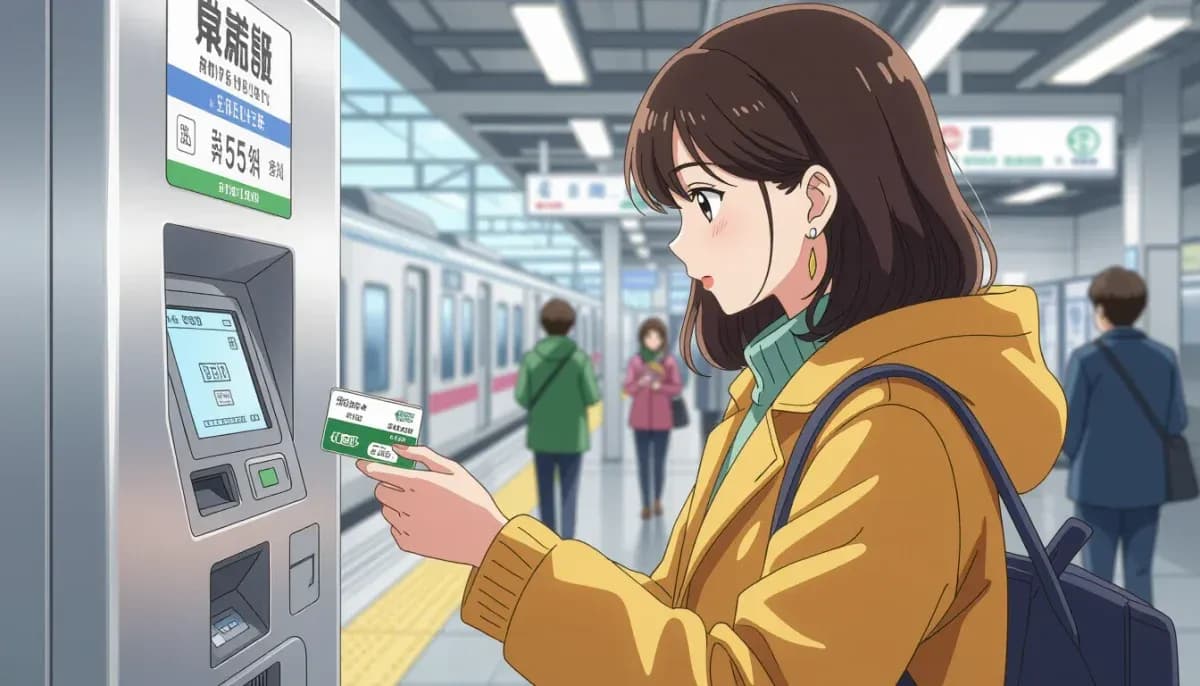
Complete guide to Suica and Pasmo IC cards in Japan. Learn where to buy, how to use, top up, and differences between card types — essential for foreigners living in Japan.
How to Get and Use a Suica or Pasmo Card in Japan
If you are moving to Japan or planning a longer stay, one of the first things you should do after arriving is get an IC card. Suica and Pasmo are Japan's two most popular rechargeable IC transit cards, and they will quickly become essential tools for your daily life. Used by millions of residents and visitors every day, these cards let you pass through train gates with a simple tap, pay for groceries at convenience stores, buy drinks from vending machines, and much more. This guide walks you through everything you need to know about getting and using a Suica or Pasmo card as a foreigner in Japan.
What Are Suica and Pasmo Cards?
Suica and Pasmo are contactless smart cards that store a prepaid balance for transport and shopping. You tap the card on a reader when entering and exiting train and subway stations, and the correct fare is automatically deducted. Both cards also function as electronic money (e-money) accepted at a wide range of shops and services across the country.
Suica is issued by JR East and is the dominant card for JR railways in the Greater Tokyo, Niigata, and Sendai regions. As of 2025, over 112 million Suica cards have been issued, with an additional 33 million Mobile Suica accounts registered — making it one of the most widely used transit cards in the world.
Pasmo is issued by a consortium of Tokyo's private railway and subway operators, including Tokyo Metro, Toei Subway, Tokyu, Keio, and Seibu lines. Approximately 43 million Pasmo cards have been issued.
In practice, both cards work identically for everyday use. They are accepted on the same trains, buses, and in the same shops. The card you choose mostly comes down to personal preference or convenience of purchase location.
For a broader overview of getting around Japan, see our Complete Guide to Transportation in Japan.
Suica vs Pasmo: Key Differences
While the two cards are largely interchangeable, here is a comparison of their key features:
| Feature | Suica | Pasmo |
|---|---|---|
| Issued by | JR East | PASMO Co. (private rail consortium) |
| Best for | JR trains, Shinkansen top-up | Tokyo Metro, private railways |
| Physical card | Yes (standard + Welcome Suica) | Yes (standard + Pasmo Passport) |
| Mobile version | Mobile Suica (iOS/Android) | Mobile Pasmo (iOS/Android) |
| Deposit (standard) | ¥500 (refundable) | ¥500 (refundable) |
| Tourist card | Welcome Suica (28 days, no refund) | Pasmo Passport (28 days, no refund) |
| Available at | JR ticket machines, airports | Private rail stations, airports |
| Nationwide use | Yes | Yes |
| E-money use | Yes | Yes |
Since 2013, Suica, Pasmo, ICOCA, and seven other major regional IC cards have been made mutually compatible. This means you can travel on almost all trains, subways, and buses across Japan's largest cities using just one card.
How to Get a Suica or Pasmo Card
Option 1: Standard Physical Card (For Residents)
If you are living in Japan long-term, a standard Suica or Pasmo card is the best option. You can purchase one at ticket vending machines at any major JR station (for Suica) or private railway station (for Pasmo).
!How to Get a Suica or Pasmo Card - illustration for How to Get and Use a Suica or Pasmo Card
- Cost to start: ¥1,500 total — ¥500 refundable deposit + ¥1,000 minimum loaded balance
- No ID required for unregistered cards (anonymous)
- Registered cards require your name and date of birth, but can be reissued if lost
As of March 1, 2025, standard physical Suica and Pasmo card sales fully resumed after a semiconductor chip shortage that had restricted availability since June 2023. If you had trouble finding a card in 2023 or 2024, stock is now readily available.
Option 2: Welcome Suica (For Tourists and New Arrivals)
The Welcome Suica is a special card designed for visitors to Japan. It is available at Narita Airport, Haneda Airport, and select Tokyo JR stations including Tokyo, Ueno, Ikebukuro, Shibuya, and Shinagawa.
- Cost: ¥1,500 (all loaded as usable balance — no deposit)
- Validity: 28 days from first use, then expires
- No refund when the card expires or if you leave Japan early
- No ID required
- Load up to ¥10,000 initially in ¥1,000 increments
Option 3: Pasmo Passport (For Tourists)
Similar to the Welcome Suica, the Pasmo Passport is a tourist-oriented card sold at airports and limited Tokyo subway stations.
- Cost: ¥1,500 loaded balance, no deposit
- Validity: 28 days, no refund
- Requires passport verification at point of sale
- Available in special designs including Hello Kitty themed versions
Option 4: Mobile Suica and Mobile Pasmo (Digital Cards)
If you prefer not to carry a physical card, you can add a digital Suica or Pasmo to your smartphone.
- iPhone 8 and later: Add Suica or Pasmo to Apple Wallet via the Wallet app
- Android: Download the Mobile Suica or Mobile Pasmo app
- Works by tapping your phone on IC card readers
- Note: The mobile apps are primarily designed for Japan residents. Some foreign credit cards may not work for top-ups on older app versions.
- Welcome Suica Mobile App (launched March 6, 2025): A new iOS app specifically for overseas visitors, supporting English, foreign credit cards, and not requiring a Japanese Apple ID. Allows you to set up your digital card before arriving in Japan.
For more on managing your finances in Japan, see our Complete Guide to Banking and Finance in Japan.
How to Use Your IC Card
Using a Suica or Pasmo is simple. Here is what you need to know:
At Train and Subway Stations:
- Tap your card (or phone) on the card reader at the entry gate — the gate opens and your card is checked in
- Tap again at the exit gate of your destination — the correct fare is deducted automatically
- If your balance runs low and the gate does not open, use a ticket machine to top up before proceeding
At Convenience Stores, Shops, and Vending Machines:
- Look for the IC card logo (a stylized wave icon) at the register or on vending machines
- Simply tap your card when prompted instead of using cash
- Accepted at 7-Eleven, FamilyMart, Lawson, and most major retailers
At Coin Lockers:
- Many station coin lockers accept IC card payment — just tap to lock and unlock your locker
On Buses:
- On most Tokyo buses, tap when boarding (some buses require tapping at exit too)
- The correct fare is deducted based on your journey
For tips on daily life and navigating Japanese systems as a foreigner, see our Complete Guide to Daily Life in Japan.
How to Recharge (Top Up) Your Card
Running out of balance is easy to fix. You can top up your card in several ways:
- Ticket vending machines at any train or subway station — insert cash and select your top-up amount
- Convenience stores — hand your card to the cashier at 7-Eleven, FamilyMart, or Lawson and tell them the amount you want to add
- IC card recharge machines — dedicated top-up machines at some stations
- Top-up amounts are typically in ¥1,000 increments
- Maximum balance: ¥20,000 for physical cards; ¥20,000 for Mobile Suica and Mobile Pasmo
You can check your remaining balance by tapping your card on any station card reader — the balance displays on the reader screen. You can also check your recent transaction history at ticket machines.
Using IC Cards Outside Tokyo
One of the great things about Suica and Pasmo is that they work far beyond Tokyo. Since the 10 major IC cards were linked in 2013, you can use your Tokyo-purchased Suica or Pasmo on:
- JR trains nationwide (excluding some limited express services)
- Tokyo Metro, Toei Subway, and private Tokyo railways
- Osaka and Kansai trains, subways, and buses
- Nagoya, Sapporo, Fukuoka, and other major city transport networks
- Shinkansen (bullet trains) on the Tokaido/Sanyo lines when used as Shinkansen e-Ticket
Note on ICOCA: If you are primarily based in Osaka or the Kansai region, consider getting ICOCA (issued by JR West) instead. ICOCA users in Kansai gain access to off-peak points, frequent rider benefits, and shopping points that Suica users in the region do not receive.
For details on navigating Japan's transport systems, check out Living in Nihon's complete transportation guide and Tokyo Cheapo's Pasmo vs Suica breakdown. For a practical breakdown of IC card options, see Truly Tokyo's IC card guide and E-Housing's Suica and Pasmo explainer. You can also find Japan commuting tips at For Work in Japan and career guidance at Ittenshoku.
What to Do When Leaving Japan
If you have a standard registered Suica or Pasmo (with your name on it), you can get a full refund of your remaining balance plus the ¥500 deposit when you leave Japan.
- Go to the ticket office (Midori no Madoguchi) at a major JR station (for Suica) or a major private railway station (for Pasmo)
- Present your card and ask to close your account (解約 — kaiyaku)
- You will receive your remaining balance minus a small ¥220 handling fee, plus the full ¥500 deposit
- Important: You must cancel your Suica at a JR station in the Tokyo/Kanto region — you cannot get a Suica refund in Osaka
For Welcome Suica and Pasmo Passport tourist cards, there is no refund — any remaining balance is forfeited when the card expires after 28 days.
For practical tips on moving and settling in Japan, see our Complete Guide to Moving to Japan.
Common Questions and Tips
Can I use one card for everything? Yes. Either Suica or Pasmo works on virtually all trains, subways, and buses across Japan. For residents, one card is all you need.
!Common Questions and Tips - illustration for How to Get and Use a Suica or Pasmo Card
What if my card is lost or stolen? Registered cards (cards with your name) can be reissued at the issuing station's ticket office. Unregistered anonymous cards cannot be recovered if lost. Consider registering your card or using a mobile version for added security.
Can I use a foreign credit card to top up? Physical card top-ups at station machines require Japanese yen cash. The Welcome Suica Mobile App (2025) supports some foreign credit cards for digital top-ups.
Should I get a physical card or mobile? Both work well. Physical cards are easier to set up and more universally understood. Mobile cards are convenient since you always have your phone, but setup can be slightly more complex for non-Japan residents.
Do I need a separate card for the Shinkansen? Standard Suica/Pasmo can be used on Shinkansen Tokaido/Sanyo lines via the Shinkansen e-Ticket system. For other Shinkansen routes, buy a separate ticket.
For more on navigating Japanese systems and daily expenses, see our Complete Guide to Cost of Living in Japan.
Getting a Suica or Pasmo card is one of the best first steps you can take when arriving in Japan. With a single card, you can hop on virtually any train or bus in the country, pay for meals at convenience stores, and handle dozens of small daily purchases — all without needing to fumble for exact change. Whether you are a short-term visitor grabbing a Welcome Suica at the airport or a long-term resident setting up Mobile Suica on your phone, your IC card will quickly become one of the most used items in your wallet.

Originally from Vietnam, living in Japan for 16+ years. Graduated from Nagoya University, with 11 years of professional experience at Japanese and international companies. Sharing information about living in Japan for foreigners.
View Profile →Related Articles
Walking and Pedestrian Rules in Japan
Learn all the essential walking and pedestrian rules in Japan — from crosswalk laws and sidewalk etiquette to regional escalator customs and common mistakes foreigners make.
Read more →
Domestic Flights in Japan Budget Tips and Deals
Learn how to find cheap domestic flights in Japan. Compare LCCs like Peach and Jetstar vs JAL/ANA, discover special foreigner fares, and get insider booking tips to save big.
Read more →
Night Bus Travel in Japan Budget Guide
Complete guide to night buses in Japan for foreigners and expats. Prices, routes, booking tips, seat types, and the Japan Bus Pass explained. Save 60-70% vs Shinkansen.
Read more →
Best Transit and Navigation Apps in Japan
Discover the best transit and navigation apps for Japan. From Google Maps and Yahoo Transit to Mobile Suica and GO Taxi, master Japan's train system with the right tools.
Read more →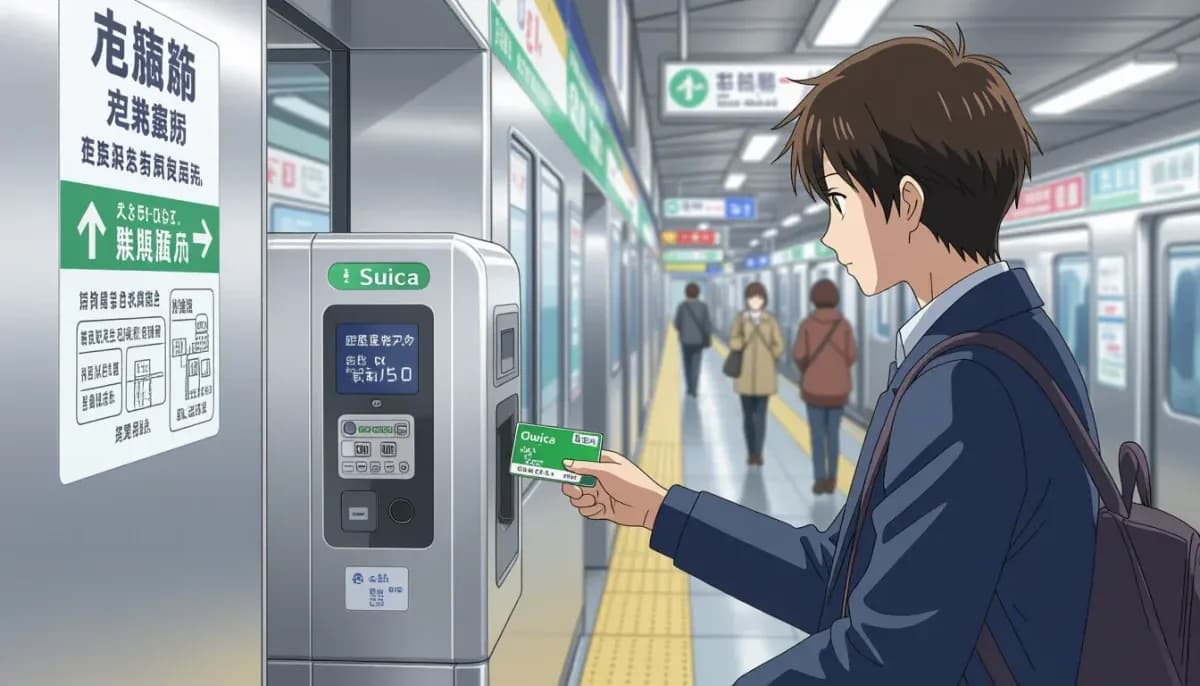
Japan Commuter Pass Teikiken How to Buy and Use
Everything foreigners need to know about Japan's commuter pass (teikiken): how to buy, cost savings, IC card types, employer reimbursement, and practical tips for daily commuters.
Read more →
Buying a Bicycle in Japan Complete Guide
Everything foreigners need to know about buying, registering, and riding a bicycle in Japan — including mamachari types, costs, registration steps, insurance, and 2026 cycling law updates.
Read more →