
How to Book Shinkansen Bullet Train Tickets

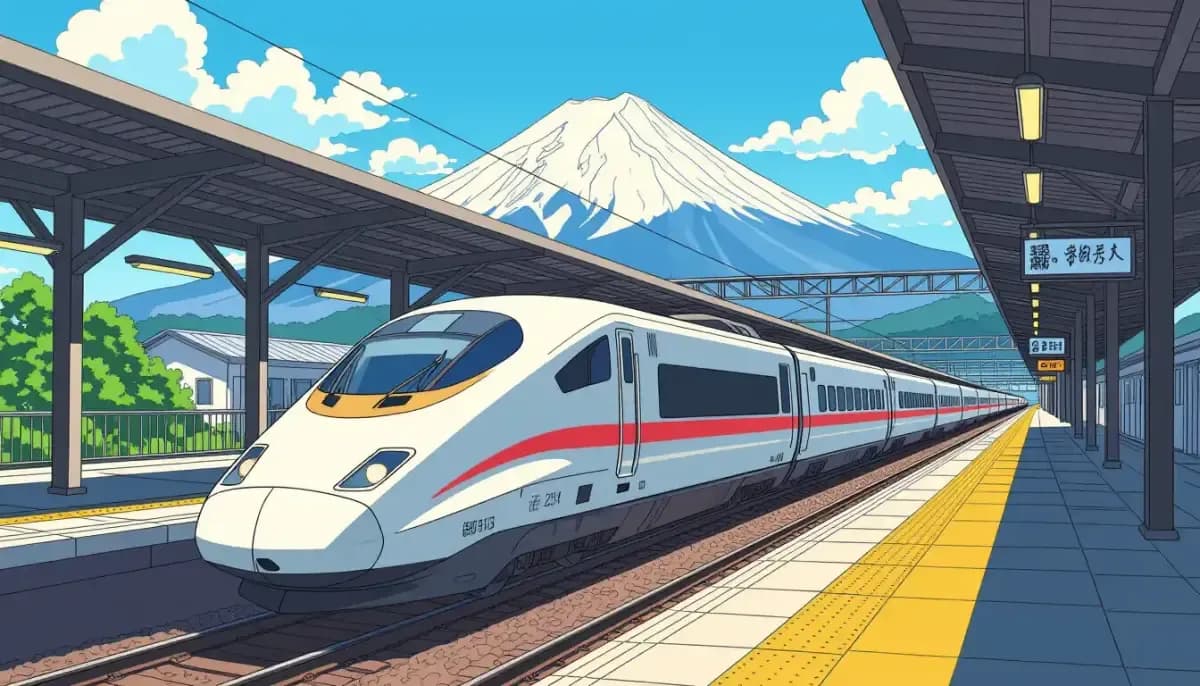
Complete guide to booking shinkansen bullet train tickets in Japan. Learn about ticket types, prices, online booking via SmartEX, seat selection, and tips for foreigners.
How to Book Shinkansen Bullet Train Tickets: The Complete Guide for Foreigners in Japan
Japan's shinkansen (bullet train) network is one of the marvels of modern transportation — fast, punctual, and incredibly convenient for getting around the country. Whether you're planning a day trip from Tokyo to Kyoto or exploring multiple regions, knowing how to book shinkansen tickets correctly can save you time, money, and stress. This guide covers everything foreigners need to know about shinkansen booking, from ticket types and pricing to online reservations and practical tips.
!Shinkansen bullet train at a station platform in Japan

Understanding the Shinkansen: Japan's High-Speed Rail Network
The shinkansen operates at maximum speeds of 320 km/h and connects major cities across Japan with remarkable efficiency. The network covers routes from Hokkaido in the north to Kagoshima in the south, making it the backbone of long-distance travel in Japan.
Key shinkansen lines for travelers include:
- Tokaido Shinkansen — The busiest route in the world, connecting Tokyo, Nagoya, Kyoto, and Osaka
- Sanyo Shinkansen — Extends from Osaka westward to Hiroshima and Hakata (Fukuoka)
- Tohoku Shinkansen — Runs north from Tokyo to Sendai, Morioka, and Aomori
- Hokuriku Shinkansen — Connects Tokyo to Kanazawa and Fukui via Nagano
- Kyushu Shinkansen — Links Hakata (Fukuoka) to Kagoshima in the south
One of Japan's most celebrated statistics: the average shinkansen delay is only about 1 minute. This legendary punctuality makes planning travel around train schedules genuinely reliable — a refreshing experience for anyone coming from countries where trains routinely run late.
For a broader overview of getting around Japan, check out our Complete Guide to Transportation in Japan.
Types of Shinkansen Tickets Explained
Understanding the ticket system is crucial before booking. Unlike many countries, riding a shinkansen requires two separate tickets:
- Passenger ticket (乗車券, joshaken) — Covers the basic distance fare
- Express supplement ticket (特急券, tokkyuken) — Covers the high-speed service charge and seat reservation
Some online booking systems combine these into a single integrated ticket, simplifying the process. Here's a breakdown of seat types available:
| Seat Type | Description | Best For |
|---|---|---|
| Unreserved (自由席) | No assigned seat; sit anywhere in designated cars | Budget travelers, short trips |
| Reserved (指定席) | Guaranteed specific seat | Families, peak seasons, peace of mind |
| Green Car (グリーン車) | Business class; 2+2 seating, extra legroom | Comfort-conscious travelers |
| Gran Class (グランクラス) | First class with full service; select lines only | Premium experience |
Important: Unreserved seats are first-come, first-served. During peak travel periods (Golden Week, New Year, cherry blossom season), unreserved cars can fill completely, leaving passengers standing. Reserving seats is strongly recommended during these times.
Shinkansen Ticket Prices: What to Expect
Shinkansen fares depend on distance, train type, seat class, and season. Seat reservation fees range from ¥330–¥930 depending on the travel period (peak, regular, or off-season), with peak seasons adding a ¥200–¥400 surcharge and off-peak periods offering discounts of ¥200.
Here are sample adult fares for common routes (non-reserved, ordinary car):
| Route | Non-Reserved Fare | Travel Time |
|---|---|---|
| Tokyo → Kyoto | ¥13,320 | ~2 hours 15 min |
| Tokyo → Osaka | ¥13,870 | ~2 hours 30 min |
| Tokyo → Nagoya | ¥10,560 | ~1 hour 40 min |
| Tokyo → Hiroshima | ¥18,380 | ~4 hours |
| Tokyo → Fukuoka | ¥22,220 | ~5 hours |
Children aged 6–11 pay 50% of adult fares. Children under 6 travel free (up to two per adult), though if they occupy a reserved seat, you'll pay the child fare for that reservation.
For general cost planning during your time in Japan, see our Complete Guide to Cost of Living in Japan.
Japan Rail Pass vs. Individual Tickets: Which Is Better?
This is one of the most debated questions in Japan travel. Since the Japan Rail Pass (JR Pass) increased in price by approximately 70% in October 2023, the calculation has changed significantly.
Japan Rail Pass (7-day ordinary): ~¥50,000
| Situation | Better Option |
|---|---|
| Multi-city trip (Tokyo → Kyoto → Osaka → Hiroshima) | JR Pass |
| Single round-trip (Tokyo ↔ Osaka) | Individual tickets |
| Staying in one region only | Individual tickets |
| Visiting 4+ cities in 7 days | JR Pass |
| Using Nozomi/Mizuho (fastest trains) | Individual tickets only (JR Pass excluded) |
Important caveat: The JR Pass does NOT cover the Nozomi or Mizuho trains — the fastest and most frequent services on the Tokaido-Sanyo line. If you want maximum speed and flexibility, individual tickets may serve you better even for longer trips.
Use the Japan Rail Pass calculator at Japan-Guide to compare costs for your specific itinerary before purchasing.
!Shinkansen ticket options and booking interface

How to Buy Shinkansen Tickets: 4 Methods
Method 1: Ticket Counters at JR Stations (Midori-no-Madoguchi)
The most straightforward option, especially for first-time visitors. Staff at JR ticket counters (called "Midori-no-Madoguchi" or Green Windows) can assist in English at major stations. You can:
- Book tickets up to 1 month in advance
- Pay by cash or credit card
- Pick up pre-booked tickets
This method works well for same-day purchases but can involve queues at busy stations like Tokyo, Kyoto, and Osaka.
Method 2: Ticket Vending Machines
Larger JR stations have ticket machines with English-language interfaces. These allow you to purchase and print tickets on the spot. Look for machines labeled "SHINKANSEN" near the main ticket gates.
Method 3: SmartEX (Online — Tokaido, Sanyo, Kyushu Lines)
SmartEX is JR Central's official app/website for online reservations covering the Tokaido, Sanyo, and Kyushu shinkansen lines. Benefits include:
- Book from your smartphone, anywhere in the world
- Ticketless boarding using your IC card or credit card
- Discounts on certain seats (EX Early Bird tickets)
- English interface available
You'll need a credit card and a Japanese mobile number or overseas phone number to register.
Method 4: Ekinet (Online — JR East Lines)
For Tohoku, Joetsu, and Hokuriku shinkansen lines, use Ekinet, JR East's online reservation platform. This works similarly to SmartEX and enables ticketless boarding via IC card.
For detailed information on each booking method, Shinkansen-Ticket.com's buying guide provides step-by-step instructions with screenshots.
Step-by-Step: Booking a Shinkansen Ticket Online
Here's how to book using SmartEX (for Tokaido/Sanyo/Kyushu routes):
- Download the SmartEX app or visit the website
- Create an account with your email, credit card details, and phone number
- Select your route — origin station, destination, date, and time
- Choose your train — Hikari (stops at major stations) or Kodama (all stops); note Nozomi is available but excluded from JR Pass
- Select your seat type — unreserved, reserved, or green car
- Choose your seat using the seat map (window vs. aisle, smoking/non-smoking sections)
- Pay with your registered credit card
- Board using your IC card (Suica or PASMO) or show your QR code
Booking opens exactly 1 month before the departure date for reserved seats.
Practical Tips for First-Time Shinkansen Travelers
Book in advance during peak seasons. Golden Week (late April–early May), Obon (mid-August), New Year (late December–early January), and cherry blossom season (late March–April) see trains sell out quickly.
Choose the right train type. On the Tokaido line, trains include:
- Nozomi — Fastest, fewest stops (not covered by JR Pass)
- Hikari — Slightly slower, stops at major stations (JR Pass valid)
- Kodama — All stops, much slower (JR Pass valid)
Check luggage size. If your luggage measures over 160cm total (length + width + height), you must reserve a seat with an oversized baggage area in advance. Smaller bags can go in overhead racks above your seat.
Arrive 5–10 minutes early. Shinkansen depart on time, every time. Find your car number and platform position markers on the ground — each car stops at an exact location.
Window seats on the right side of the train (when heading from Tokyo toward Osaka) offer views of Mt. Fuji on clear days, between Shin-Fuji and Mishima stations.
For comprehensive advice on daily life in Japan, including transportation culture, visit Living in Nihon's Japan Transportation Guide.
Using Your Shinkansen Ticket at the Gate
If you have paper tickets, insert both tickets simultaneously into the ticket gate slot. The gate reads both and returns them — don't leave without collecting your tickets.
If using ticketless boarding via SmartEX or Ekinet, tap your registered IC card (Suica or PASMO) at the dedicated shinkansen gates. Your booking is linked to your card automatically.
On board, the car number and seat number are printed on your reserved ticket. Find your car based on the numbered markers on the platform floor before boarding. Overhead compartments hold medium bags; large luggage goes in dedicated racks at the ends of each car.
For more on using public transportation in Japan as a foreigner, check out resources at For Work in Japan and Ittenshoku.
Frequently Asked Questions About Shinkansen Booking
Can I buy shinkansen tickets outside Japan? Yes. You can book via SmartEX or Ekinet from abroad. You can also purchase the JR Pass from authorized overseas sellers before arriving in Japan — in fact, this used to be a requirement, though JR Passes can now be purchased inside Japan too.
How far in advance can I book? Reserved seat tickets can be purchased up to 1 month in advance from the departure date at 10:00 AM Japan time. Popular routes and peak periods sell out fast, so booking the moment reservations open is recommended.
What if I miss my shinkansen? If you have a reserved ticket, you can generally travel on the next available train of the same type (e.g., Hikari to Hikari) by asking station staff. Unreserved tickets offer more flexibility — they're valid for any train on that route on the same day.
Is there Wi-Fi on the shinkansen? Most shinkansen now offer free Wi-Fi, though connection quality can be inconsistent, especially in tunnels. Many travelers use a pocket Wi-Fi device or Japanese SIM card for reliable connectivity during travel.
Are there discounts for IC card holders? Registering your IC card with SmartEX gives access to exclusive EX-IC early booking discounts and allows smooth ticketless boarding without printing anything.
For more tips on navigating Japan as a foreigner, explore our guides on daily life in Japan and moving to Japan.
Summary: Shinkansen Booking Quick Reference
| Task | How to Do It |
|---|---|
| Buy tickets in person | JR ticket counter (Midori-no-Madoguchi) at any major station |
| Buy online (Tokaido/Sanyo/Kyushu) | SmartEX app or website |
| Buy online (Tohoku/Hokuriku) | Ekinet (JR East) |
| Use JR Pass | Exchange order at JR Pass Exchange Office at major stations |
| Book seats up to | 1 month in advance |
| Peak booking tip | Book the day reservations open (1 month before) |
| Boarding without paper ticket | Link IC card to SmartEX/Ekinet account |
The shinkansen is one of Japan's greatest gifts to travelers — reliable, fast, and genuinely enjoyable. With the right booking strategy, you'll spend less time worrying about logistics and more time experiencing everything Japan has to offer. For more detailed route information and pricing, check the comprehensive guide at JRailPass.com or MATCHA Japan's Shinkansen Guide.

Originally from Vietnam, living in Japan for 16+ years. Graduated from Nagoya University, with 11 years of professional experience at Japanese and international companies. Sharing information about living in Japan for foreigners.
View Profile →Related Articles
Walking and Pedestrian Rules in Japan
Learn all the essential walking and pedestrian rules in Japan — from crosswalk laws and sidewalk etiquette to regional escalator customs and common mistakes foreigners make.
Read more →
Domestic Flights in Japan Budget Tips and Deals
Learn how to find cheap domestic flights in Japan. Compare LCCs like Peach and Jetstar vs JAL/ANA, discover special foreigner fares, and get insider booking tips to save big.
Read more →
Night Bus Travel in Japan Budget Guide
Complete guide to night buses in Japan for foreigners and expats. Prices, routes, booking tips, seat types, and the Japan Bus Pass explained. Save 60-70% vs Shinkansen.
Read more →
Best Transit and Navigation Apps in Japan
Discover the best transit and navigation apps for Japan. From Google Maps and Yahoo Transit to Mobile Suica and GO Taxi, master Japan's train system with the right tools.
Read more →
Japan Commuter Pass Teikiken How to Buy and Use
Everything foreigners need to know about Japan's commuter pass (teikiken): how to buy, cost savings, IC card types, employer reimbursement, and practical tips for daily commuters.
Read more →
Buying a Bicycle in Japan Complete Guide
Everything foreigners need to know about buying, registering, and riding a bicycle in Japan — including mamachari types, costs, registration steps, insurance, and 2026 cycling law updates.
Read more →