
Commuting in Tokyo Complete Guide for Foreigners

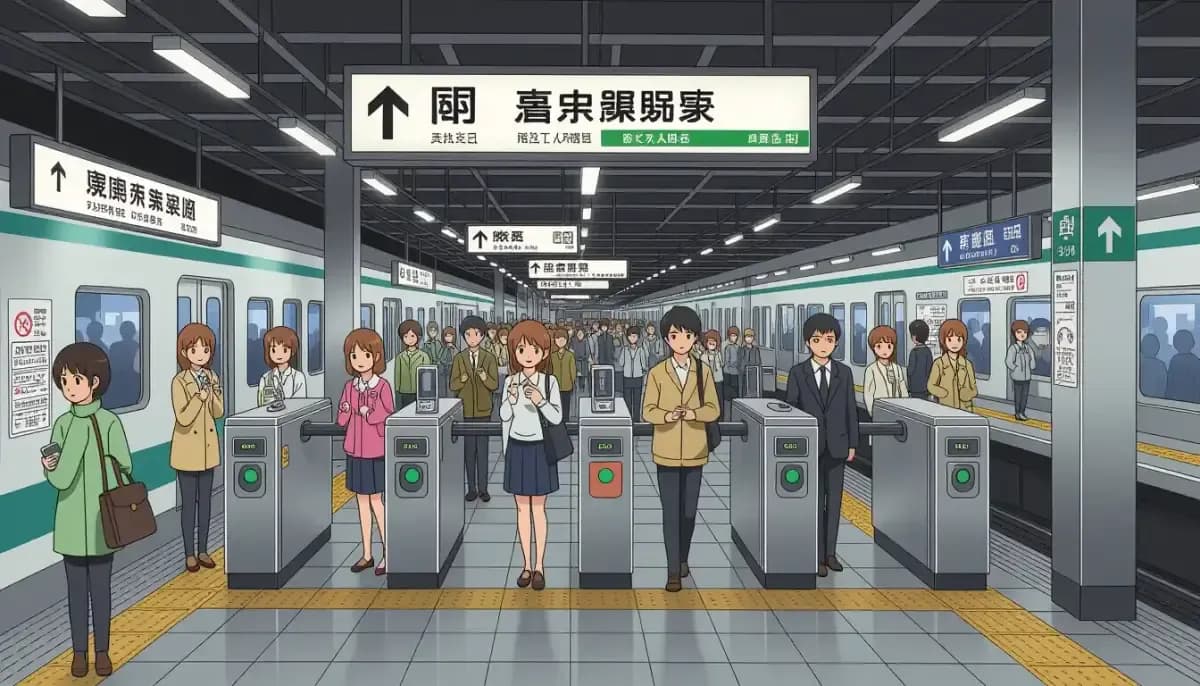
Complete guide to commuting in Tokyo for foreigners: IC cards, commuter passes, rush hour tips, train etiquette, costs, and essential apps to master Tokyo's world-class rail network.
Commuting in Tokyo: Complete Guide for Foreigners
Tokyo's public transportation system is often described as a marvel of modern engineering — and for good reason. With over 40 million passengers using the rail network every single day, it is the busiest urban transit system in the world. For foreigners moving to Tokyo, understanding how to navigate this sprawling web of trains and subways is one of the most essential skills you need to develop. This guide covers everything you need to know: from getting your first IC card to surviving rush hour like a seasoned local.
Whether you are commuting to an office in Shinjuku, studying at a university in Shibuya, or just exploring the city on weekends, mastering Tokyo's trains will transform your daily life.
Understanding Tokyo's Train Network
Tokyo's rail network is unlike anything most foreigners have experienced before. The city operates 158 train lines managed by 48 separate operators, spanning 4,714.5 km of track and 2,210 stations across the greater metropolitan area. This can feel overwhelming at first, but the system is incredibly well-organized once you understand its structure.
The Key Operators You Need to Know
| Operator | Lines | Area Covered |
|---|---|---|
| JR East | Yamanote, Chuo, Keihin-Tohoku, Sobu | Greater Tokyo, intercity |
| Tokyo Metro | 9 subway lines (Ginza, Marunouchi, Hibiya, etc.) | Central Tokyo |
| Toei (Tokyo Metropolitan) | 4 subway lines + tram | Central & west Tokyo |
| Tokyu | Den-en-toshi, Toyoko, Meguro | Southwest Tokyo & Kanagawa |
| Odakyu | Odawara, Enoshima lines | West Tokyo & Kanagawa |
| Keio | Keio, Inokashira lines | West Tokyo |
| Seibu | Ikebukuro, Shinjuku lines | Northwest Tokyo & Saitama |
| Tobu | Skytree, Tojo lines | North & northeast Tokyo |
The Yamanote Line is arguably the most important line for foreigners — it is a loop line that connects major hubs like Shinjuku, Shibuya, Harajuku, Akihabara, Tokyo, and Ueno. Most foreigners base their commute around it. Learn more about Japan's full transportation system.
Pro tip: Do not worry about memorizing every line at first. Start by learning the lines relevant to your daily route, then expand your knowledge over time.
Getting Your IC Card (Suica or PASMO)
The single most important thing you can do before your first Tokyo commute is get an IC (Integrated Circuit) card. An IC card is a rechargeable prepaid card that works on virtually all trains, buses, and even at many convenience stores and vending machines across Japan.
There are two main IC card brands in Tokyo:
- Suica — Issued by JR East. Available at JR stations and Narita/Haneda airports.
- PASMO — Issued by Tokyo Metro and private railways. Available at Tokyo Metro and private railway stations.
The good news: Suica and PASMO are fully interoperable. You can use your Suica on any line that accepts PASMO, and vice versa. Pick whichever you find first — it does not matter.
How to Get an IC Card
- Go to any JR ticket machine or Tokyo Metro ticket machine at the station.
- Select "Suica" or "PASMO" on the screen (English options are available).
- Pay the initial deposit of ¥500 plus any amount you want to load (minimum ¥1,000 recommended).
- Your card is ready to use immediately.
You can also add Suica or PASMO to your iPhone or Android smartphone using Apple Pay or Google Wallet, eliminating the need for a physical card. As of 2025, physical card availability at major stations has normalized after the semiconductor shortage of previous years.
For details on IC card options and costs, see the official Tokyo travel guide on IC cards.
Commuter Passes: Save Money on Your Daily Commute
If you commute the same route regularly, a commuter pass (定期券, teiki-ken) will save you significant money. A commuter pass allows unlimited travel between two specific stations for a set period.
Pass Duration and Pricing
| Duration | Typical Savings vs. Single Fare |
|---|---|
| 1 month | ~10-15% discount |
| 3 months | ~15-20% discount |
| 6 months | ~20-25% discount |
Monthly commuter pass prices vary widely depending on your route distance — expect to pay anywhere from ¥10,000 to ¥30,000 per month. Many Japanese companies cover commuting costs as part of employee benefits, so check your employment contract.
How to Buy a Commuter Pass
- Go to the ticket counter (みどりの窓口 for JR, or station office for private lines) or use designated ticket machines.
- Specify your departure station, destination station, and desired duration.
- The pass is loaded directly onto your Suica or PASMO card.
- From that point, just tap your card at the gate — no need to select a fare.
For a detailed breakdown of commuter pass costs versus IC card usage, E-Housing has an excellent comparison guide. See also Japan Dev's guide on how to buy a commuter pass.
Surviving Tokyo Rush Hour
Tokyo's rush hour is famous worldwide — and for good reason. During peak times, trains on major lines like the Yamanote and Chuo operate at 136% capacity (as of fiscal year 2023). At the busiest stations, station staff in white gloves actively push passengers into cars to fit more people in.
Rush Hour Times
| Time | Type |
|---|---|
| 7:00 AM – 9:00 AM | Morning rush hour (worst 7:30–8:30 AM) |
| 11:00 AM – 1:00 PM | Midday, relatively quiet |
| 5:30 PM – 7:30 PM | Evening rush hour |
Tips for surviving rush hour:
- Arrive early or late. If your schedule allows, aim to board before 7:00 AM or after 9:30 AM.
- Move deep into the car. Do not cluster near the doors — move toward the center to make room.
- Remove your backpack. Hold it in front of you or place it in the overhead rack.
- Stay calm and patient. The system is orderly despite the chaos. Everyone is in the same situation.
- Download transit apps. Google Maps, Yahoo! Transit, and Navitime all show real-time delay information and route options.
For more survival tips, Japan Handbook has a comprehensive rush hour guide.
The average commuter in Greater Tokyo spends about 58 minutes each way commuting — a total of nearly two hours daily. Choosing housing closer to your workplace, or on a less-crowded line, can dramatically improve your quality of life. Check our guide on finding housing in Japan for tips on choosing a location that minimizes commute stress.
Train Etiquette: Unwritten Rules Every Foreigner Must Know
Japanese train etiquette is deeply ingrained in the culture, and violations — even unintentional ones — can cause friction. Here are the essential rules:
Do's
- Stand on the left side of escalators in Tokyo (note: Osaka is the opposite — stand on the right).
- Queue properly on the platform. Yellow painted lines indicate where to stand. Wait for passengers to exit before boarding.
- Speak quietly. Keep conversations low-volume.
- Yield priority seats to elderly passengers, pregnant women, people with disabilities, and those with young children.
Don'ts
- Do not make phone calls on the train. Put your phone on silent mode.
- Do not eat on local trains. On long-distance shinkansen it is acceptable, but avoid it on commuter trains.
- Do not push or rush when boarding. Let people exit first.
- Do not play music out loud from your phone or device.
Women-Only Cars
Many Tokyo lines operate women-only cars during morning rush hour on weekdays:
- Tokyo Metro lines: From 7:10 AM
- JR lines: From 7:30 AM
These cars are typically located at the front or rear of the train. If you are a woman, using these cars during rush hour is strongly recommended — they tend to be significantly less crowded. For more on Japanese culture and social norms, see our guide on Japanese culture and etiquette.
Useful Apps and Tools for Tokyo Commuters
Technology can make your Tokyo commute significantly easier, especially in the early days when the system feels confusing.
| App | Platform | Best For |
|---|---|---|
| Google Maps | iOS & Android | Route planning, English-friendly |
| Yahoo! Transit (乗換案内) | iOS & Android | Most accurate Japanese train info |
| Navitime for Japan Travel | iOS & Android | Detailed route options, IC card compatibility |
| JR East App | iOS & Android | JR-specific schedules, Suica management |
| Tokyo Metro App | iOS & Android | Subway-specific routes and delay alerts |
Pro tip: Download Yahoo! Transit even if you cannot read Japanese. The app's route visualization is intuitive enough to use without language skills, and it provides delay information earlier than other apps.
For a broader overview of essential apps for living in Japan, see our guide on technology and apps in Japan.
Costs: What to Expect for Your Tokyo Commute
Understanding the cost structure of Tokyo's train system helps you budget accurately.
Single Fare Structure
Tokyo uses a distance-based fare system. The further you travel, the more you pay.
| Distance | Approximate Fare |
|---|---|
| Short trip (1-5 km) | ¥140 – ¥180 |
| Medium trip (5-15 km) | ¥200 – ¥280 |
| Long trip (15-30 km) | ¥310 – ¥500 |
| Very long trip (30+ km) | ¥500+ |
Using an IC card typically gives you a small discount (around ¥10) compared to buying paper tickets.
Transferring Between Lines
One important thing to understand: each railway company charges separately. If your commute involves transferring from a Tokyo Metro line to a JR line, you are paying two separate fares. This is automatically handled by your IC card — just tap in and out as normal — but it means longer cross-operator journeys can add up quickly.
This is why commuter passes are so valuable: they cover all transfers along your registered route, regardless of how many operators are involved.
For context on how transportation costs fit into your overall budget, see our comprehensive guide on the cost of living in Japan.
Navigating Transfers and Complex Stations
Some Tokyo stations are extraordinarily large and complex. Shinjuku Station — the world's busiest station — handles approximately 3.5 million passengers per day and has over 200 exits. Getting lost, especially when transferring between lines, is a common experience for newcomers.
Tips for Complex Stations
- Follow the color coding. Each train line has a distinctive color (Yamanote Line is green, Ginza Line is orange, etc.). Follow colored signs when transferring.
- Look for English signage. All major Tokyo stations have bilingual Japanese/English signs. Smaller stations may have less English, but IC card gates are universal.
- Use Google Maps navigation. The turn-by-turn navigation works inside major stations and can guide you to the correct exit or transfer gate.
- Allow extra time. Until you are comfortable with your route, add 15-20 minutes of buffer time to your journey.
Living in Nihon has a detailed guide on Japan transportation for foreigners covering more aspects of navigating the Japanese transit system.
Daily Life Beyond the Train: Other Commuting Options
While trains are the backbone of Tokyo commuting, you have other options worth considering:
Bicycle Commuting
Cycling is popular for short-to-medium distances (under 5-7 km). Tokyo has designated cycling paths in many areas, and bicycle parking (駐輪場, churinjō) is available near most stations. However, you must register your bicycle with local authorities, and parking rules are strictly enforced.
Bus
Tokyo's bus network fills gaps where trains do not reach. Buses are less predictable due to traffic, but useful for the final stretch of a commute. IC cards work on all city buses.
Walking
Many foreigners are surprised to discover that large areas of central Tokyo are highly walkable. Neighborhoods like Shibuya, Shinjuku, and Roppongi have everything you need within a 20-minute walking radius. Walking saves money and helps you discover the city in a way trains cannot.
For foreigners interested in the broader aspects of daily transportation needs in Japan — including driving and cycling — check out our guides on driving in Japan and daily life in Japan.
Final Tips for New Commuters in Tokyo
Getting comfortable with Tokyo's train system takes time — most foreigners report feeling confident after about one to two months of regular commuting. Here is a quick summary of the most important points:
- Get a Suica or PASMO card immediately. It simplifies every journey.
- Buy a commuter pass if you commute the same route regularly — the savings add up fast.
- Avoid rush hour whenever possible, or position yourself early in the queue.
- Follow train etiquette. Stay quiet, keep your phone on silent, yield priority seats.
- Download Google Maps and Yahoo! Transit. These tools will save you repeatedly.
- Give yourself buffer time for the first few weeks while you learn your route.
- Explore your neighborhood on foot. Tokyo is more walkable than you might expect.
Tokyo's train system, once mastered, is genuinely one of the best in the world: reliable, safe, clean, and impressively punctual. For foreign residents, it quickly becomes an invisible part of daily life.
For more resources on living and working in Tokyo, see our guide on working in Japan as a foreigner and the For Work in Japan commuting and housing guide. You can also find IT career-focused commuting and relocation advice at Ittenshoku.

Originally from Vietnam, living in Japan for 16+ years. Graduated from Nagoya University, with 11 years of professional experience at Japanese and international companies. Sharing information about living in Japan for foreigners.
View Profile →Related Articles
Walking and Pedestrian Rules in Japan
Learn all the essential walking and pedestrian rules in Japan — from crosswalk laws and sidewalk etiquette to regional escalator customs and common mistakes foreigners make.
Read more →
Domestic Flights in Japan Budget Tips and Deals
Learn how to find cheap domestic flights in Japan. Compare LCCs like Peach and Jetstar vs JAL/ANA, discover special foreigner fares, and get insider booking tips to save big.
Read more →
Night Bus Travel in Japan Budget Guide
Complete guide to night buses in Japan for foreigners and expats. Prices, routes, booking tips, seat types, and the Japan Bus Pass explained. Save 60-70% vs Shinkansen.
Read more →
Best Transit and Navigation Apps in Japan
Discover the best transit and navigation apps for Japan. From Google Maps and Yahoo Transit to Mobile Suica and GO Taxi, master Japan's train system with the right tools.
Read more →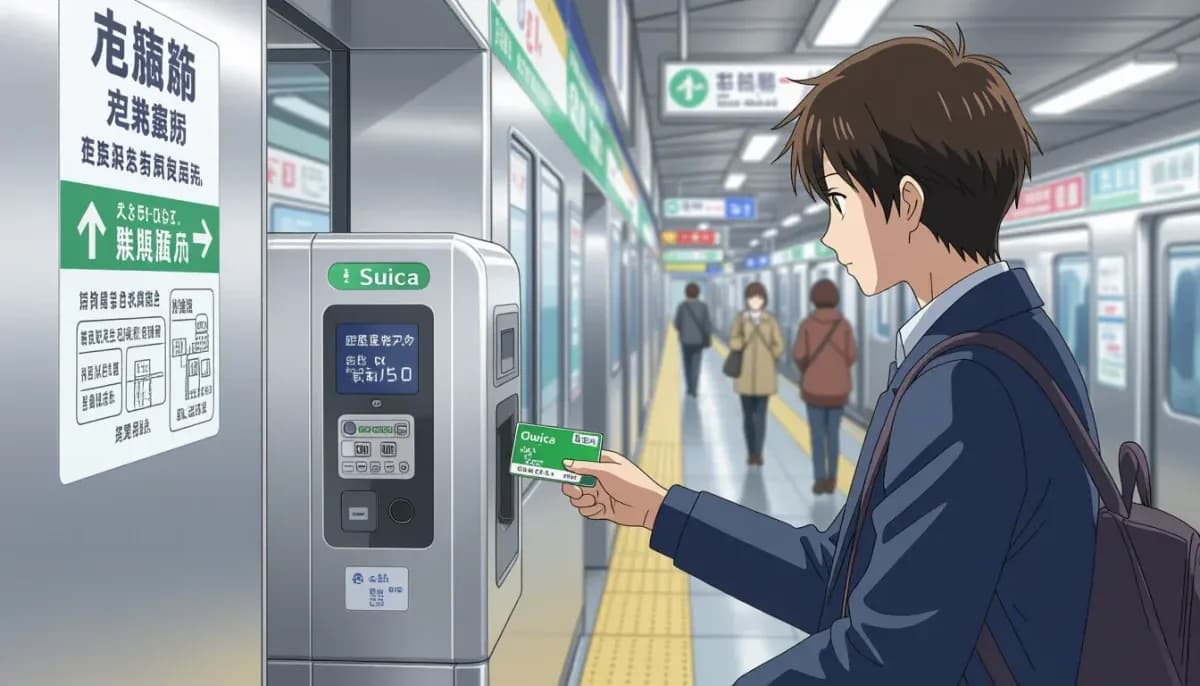
Japan Commuter Pass Teikiken How to Buy and Use
Everything foreigners need to know about Japan's commuter pass (teikiken): how to buy, cost savings, IC card types, employer reimbursement, and practical tips for daily commuters.
Read more →
Buying a Bicycle in Japan Complete Guide
Everything foreigners need to know about buying, registering, and riding a bicycle in Japan — including mamachari types, costs, registration steps, insurance, and 2026 cycling law updates.
Read more →