
Japan Train System Complete Guide for Beginners

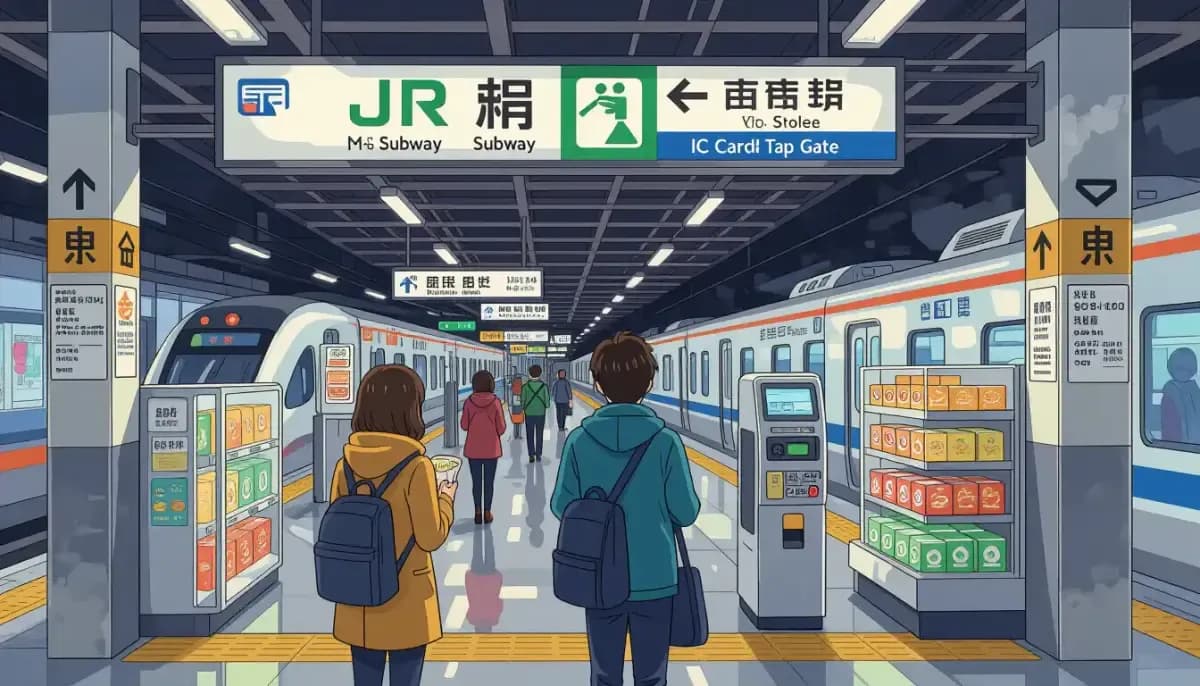
New to Japan? This beginner's guide to Japan's train system covers IC cards, JR Pass, train types, etiquette, and money-saving tips for foreigners and expats.
Japan Train System Complete Guide for Beginners
Japan's train system is one of the most impressive and efficient rail networks in the world. For foreigners arriving in Japan for the first time, navigating the web of railways, subways, and bullet trains can seem overwhelming. But with a little preparation, you'll find that getting around by train is not only easy — it's often the fastest, most reliable, and most enjoyable way to travel.
This guide covers everything you need to know as a beginner: from understanding the different types of trains, to buying the right pass, to mastering the unwritten rules of train etiquette.
Overview: Japan's Railway Network
Japan's train network is staggering in its scale. Tokyo's metropolitan area alone sees approximately 40 million daily railway users, with the country handling over 146 billion passenger trips annually. The system is renowned for its punctuality — average train delays are measured in only tens of seconds per year.
The rail network is operated by multiple companies. The JR Group (Japan Railways) consists of 6 regional companies and owns approximately 80% of Japan's railways. In addition to JR, major cities have private railway companies and municipal subway systems.
Key railway operators you'll encounter:
- JR East, West, Central, Kyushu, Hokkaido, Shikoku — covers intercity and regional travel
- Tokyo Metro & Toei Subway — Tokyo's main subway systems
- Osaka Metro — Osaka's municipal subway
- Private railways (Tokyu, Odakyu, Keio, Hankyu, etc.) — serve suburban commuters
For more on getting around Japan in general, check out our Complete Guide to Transportation in Japan.
Types of Trains in Japan
Understanding the different train categories will save you time and money.
| Train Type | Stops | Price | Best For |
|---|---|---|---|
| Local (各駅停車) | Every station | Base fare | Short distances |
| Rapid (快速) | Major stations | Base fare | Medium distances |
| Limited Express (特急) | Select major stations | Base fare + supplement | Long distances |
| Shinkansen (新幹線) | Bullet train stations | Shinkansen fare | Intercity travel |
| Airport Express | Airport + city | Special fare | Airport transfers |
Local trains stop at every station along the line and are the most common for daily commutes. Rapid trains skip smaller stations but charge the same base fare — always a good deal when available. Limited express (tokkyū) trains are faster but charge a surcharge on top of the base fare. The famous shinkansen (bullet train) runs on dedicated tracks and is the fastest way to travel between cities.
IC Cards: Your Essential Travel Tool
The first thing you should do upon arriving in Japan is get an IC card. These rechargeable smart cards let you tap in and out at ticket gates, eliminating the need to buy individual tickets every time.
Most popular IC cards:
- Suica (issued by JR East, widely available)
- PASMO (Tokyo area, especially for private railways and subways)
- ICOCA (Osaka and western Japan)
- Welcome Suica (special tourist version, no deposit, valid 4 weeks)
Since 2013, all major IC cards became mutually compatible — your Suica works in Osaka, and your ICOCA works in Tokyo. This means you only need one card for your entire trip across Japan.
How to charge: Vending machines at any train station accept cash (and some accept credit cards). Simply select "Charge" (チャージ, chiaji), insert your card, and add funds.
Welcome Suica for tourists: Available at major airports and select JR stations, this card has no deposit fee but cannot be refunded. It's valid for 4 weeks from activation and is ideal for short visits.
For IC card strategy tips and how to combine them with passes, see Japan IC Card Guide 2026.
The Japan Rail Pass: Worth It or Not?
The Japan Rail Pass (JR Pass) offers unlimited travel on JR-operated trains, including shinkansen (except Nozomi and Mizuho services), for a fixed period.
Current Prices (2025):
| Pass | Ordinary Class | Green Car (First Class) |
|---|---|---|
| 7-day | ¥50,000 | ¥70,000 |
| 14-day | ¥80,000 | ¥114,000 |
| 21-day | ¥100,000 | ¥143,000 |
Is it worth buying? The JR Pass pays off if you plan to travel between multiple cities. For example, a round-trip Tokyo–Kyoto–Osaka–Tokyo on the shinkansen alone costs around ¥50,000+, making the 7-day pass a great value for multi-city trips.
However, if you're staying only in Tokyo or Osaka, you're better off using your IC card and occasional day passes.
The JR Pass is available only to foreign tourists on a temporary visitor visa. You must exchange your voucher at a JR Exchange Office upon arrival. Note: Sales of Exchange Orders are set to end by late 2025.
For a detailed breakdown, visit JR Rail Pass Blog or the official Japan Guide rail pass info.
How to Read Train Maps and Station Signs
Japanese train maps can look intimidating, but they're actually very logical once you understand the system.
Color coding: Each train line has a designated color shown on maps and physical signs. Tokyo Metro's Ginza Line is orange, the Yamanote Line is green, and the Chuo Line is red. Find your color and follow it.
Station numbering: Many lines use a letter-number system. For example, "G" for the Ginza Line, so Shinjuku is G09 and Asakusa is G19. This removes any language barrier — just match the number.
Destination boards: Digital boards on platforms show the train's final destination and whether it's a local, rapid, or express service. Always check this before boarding.
Practical tips:
- Download Google Maps — it works excellently for Japanese trains, shows IC card fares, and gives step-by-step directions including which car to board
- Hyperdia or Jorudan apps are also popular for detailed transit planning
- Most major stations have English signage and announcements
For help with your first few weeks navigating daily life in Japan, see our Complete Guide to Daily Life in Japan for Foreigners.
Train Etiquette: The Unwritten Rules
Japanese trains are quiet, orderly, and efficient — and there are strong social expectations around behavior. Following these norms shows respect and helps you avoid unwanted stares.
Inside the train:
- Set your phone to silent — No phone calls inside the train. Texting and browsing is fine.
- No eating or drinking on local or subway trains (shinkansen is the exception)
- Remove your backpack — wear it on your front or place it in the overhead rack
- No loud conversations — keep your voice low
- Priority seating — reserved for elderly, pregnant women, people with disabilities, and parents with infants. If you're in a priority seat, give it up if needed.
On the platform:
- Form a queue — look for the platform markings and line up in order
- Let passengers exit first before boarding
- Escalator etiquette — in Tokyo, stand on the left; in Osaka, stand on the right (Osaka people walk on the left, stand on the right — opposite Tokyo)
Women-only cars: Many cities operate women-only train cars during morning and evening rush hours. These cars are marked with pink signs in English and Japanese. They apply to specific hours only, and men must not board them during those times.
For more cultural tips on behavior in Japan, read our Complete Guide to Japanese Culture and Etiquette for Foreigners.
A great external resource for etiquette details is GaijinPot's train etiquette guide.
Day Passes and Cost-Saving Tips
Beyond IC cards and the JR Pass, there are other ways to save money on train travel.
One-day passes:
- Tokyo Metro 24/48/72-hour passes — great for tourists doing lots of sightseeing
- Osaka Enjoy Eco Card — unlimited Osaka subway rides for about ¥820
- City-specific day passes vary in price, typically ¥600–¥900
Commuter passes (定期券, teikiken): If you work in Japan and take the same route daily, a commuter pass covers unlimited rides on that route for 1, 3, or 6 months at a significant discount. Your employer may even reimburse your commuting costs — a standard benefit in Japanese companies. For more on working life in Japan, see our Complete Guide to Working in Japan as a Foreigner.
Off-peak travel: Trains are significantly less crowded outside rush hours (7–9am and 5–8pm). If your schedule allows, avoiding peak hours makes the experience far more comfortable.
Luggage forwarding (takkyubin): If you're traveling with heavy bags, Japan's luggage delivery services (Yamato Transport's TA-Q-BIN, etc.) let you send bags ahead to your next hotel for about ¥1,000–¥2,000. This lets you travel hands-free on the train.
For comprehensive guidance on transportation planning and budgeting, visit Living in Nihon's transportation guide and For Work in Japan's commuting and housing guide.
Common Mistakes Beginners Make (And How to Avoid Them)
Even seasoned travelers make rookie mistakes on Japan's trains. Here's what to watch out for:
- Boarding the wrong train class — Always check whether it's a local, rapid, or limited express. Boarding a limited express without the right ticket means you'll be asked to pay a supplement on board.
- Not checking the last train time — Japan's trains stop running late at night, typically between midnight and 1am. Missing the last train means an expensive taxi ride or waiting until 5am.
- Not having enough on your IC card — If your card runs out of balance at the gate, you can't exit. Use the "fare adjustment" machines inside the paid zone to add funds before exiting.
- Standing on the wrong escalator side — Vary by city, as noted above. When in doubt, stand behind someone else.
- Confusing JR lines with private lines — Your JR Pass doesn't work on private railways. Use your IC card for those.
- Getting lost in large stations — Major hubs like Shinjuku (200+ exits) and Osaka can be confusing. Look for English signs and use your phone map app to navigate to the right exit.
For more on settling into Japanese life and navigating practical challenges, explore our Complete Guide to Moving to Japan as a Foreigner.
Conclusion
Japan's train system may look intimidating at first, but it's genuinely one of the most user-friendly and efficient transportation networks in the world. Get your IC card at the airport, download Google Maps, study the train etiquette basics, and you'll be navigating Tokyo's 13+ subway lines like a local within days.
The key is to start simple: pick one line, learn your route, and gradually expand your comfort zone. Before long, you'll appreciate the quiet efficiency of Japan's trains as one of the best parts of living in or visiting Japan.
For more expat resources, visit Ittenshoku for IT career tips in Japan, and check out our complete pillar on Transportation in Japan for buses, taxis, bicycles, and more.

Originally from Vietnam, living in Japan for 16+ years. Graduated from Nagoya University, with 11 years of professional experience at Japanese and international companies. Sharing information about living in Japan for foreigners.
View Profile →Related Articles
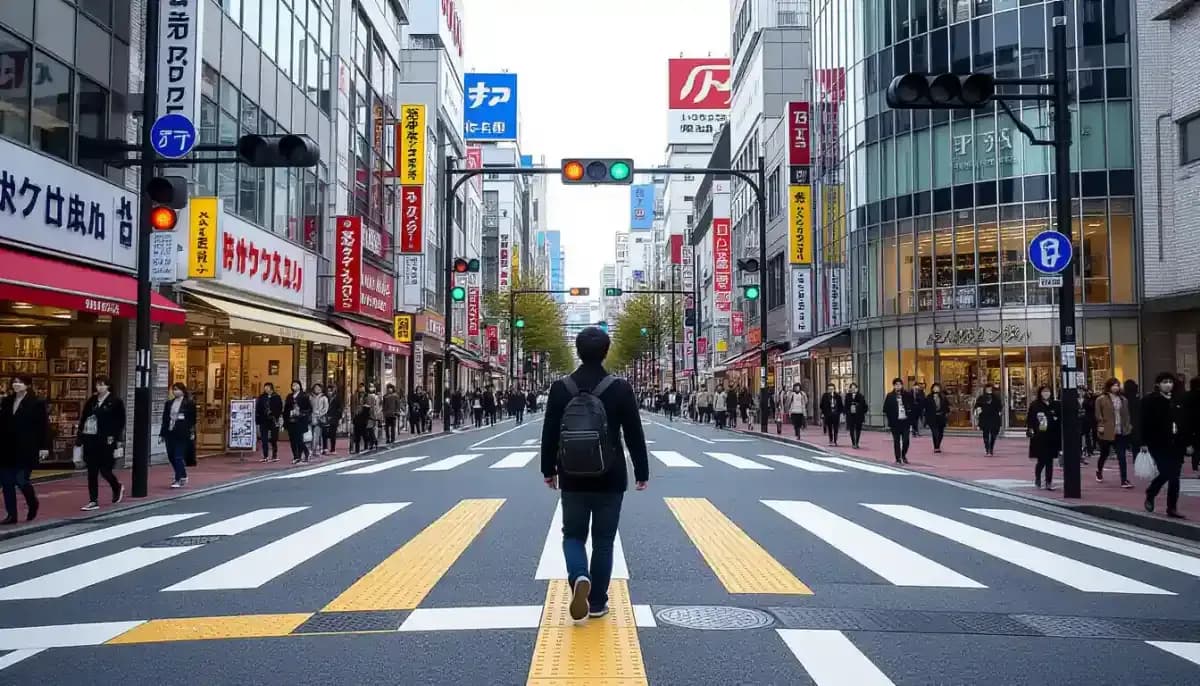
Walking and Pedestrian Rules in Japan
Learn all the essential walking and pedestrian rules in Japan — from crosswalk laws and sidewalk etiquette to regional escalator customs and common mistakes foreigners make.
Read more →
Domestic Flights in Japan Budget Tips and Deals
Learn how to find cheap domestic flights in Japan. Compare LCCs like Peach and Jetstar vs JAL/ANA, discover special foreigner fares, and get insider booking tips to save big.
Read more →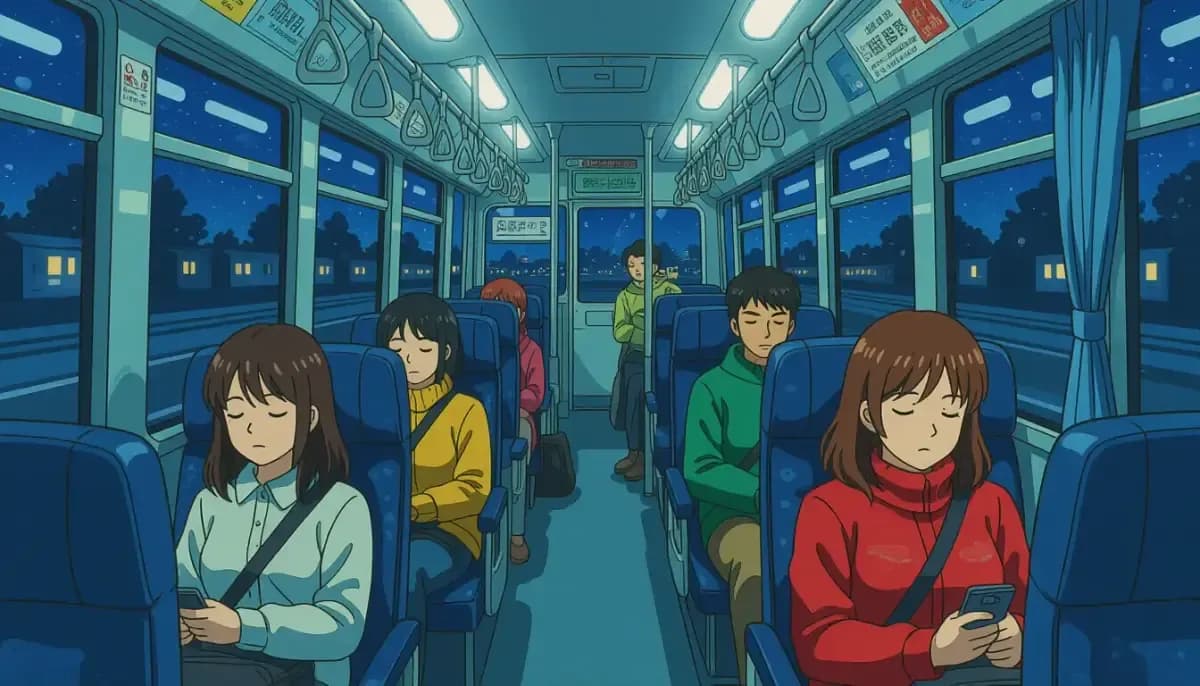
Night Bus Travel in Japan Budget Guide
Complete guide to night buses in Japan for foreigners and expats. Prices, routes, booking tips, seat types, and the Japan Bus Pass explained. Save 60-70% vs Shinkansen.
Read more →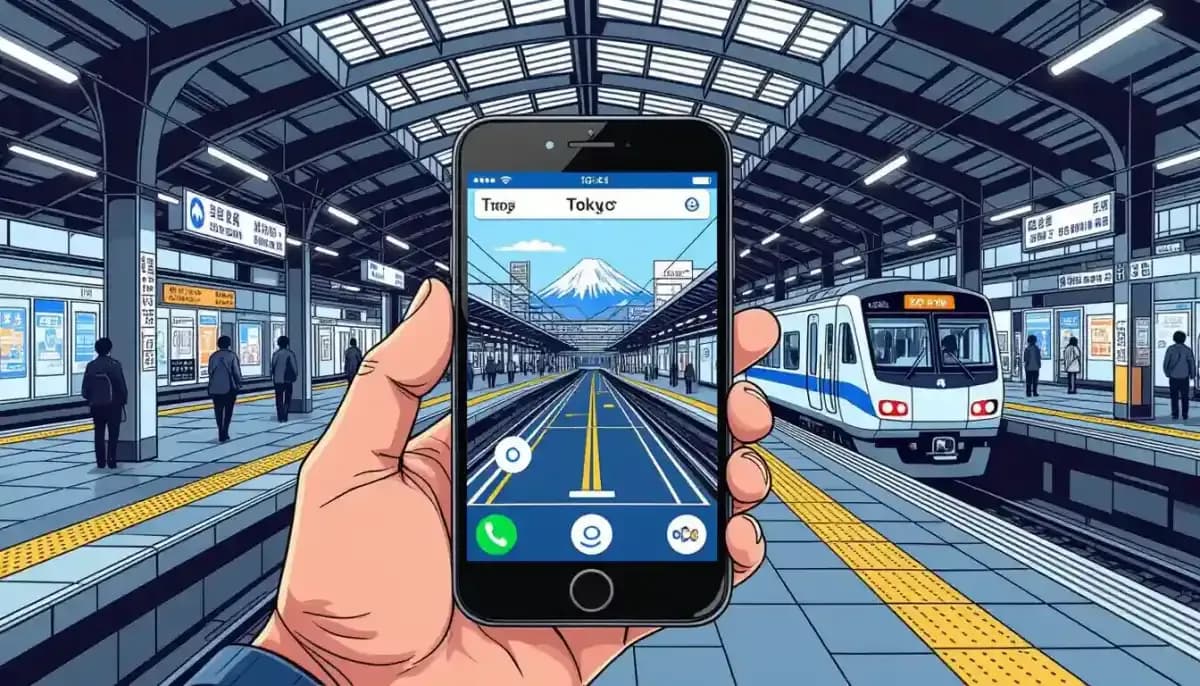
Best Transit and Navigation Apps in Japan
Discover the best transit and navigation apps for Japan. From Google Maps and Yahoo Transit to Mobile Suica and GO Taxi, master Japan's train system with the right tools.
Read more →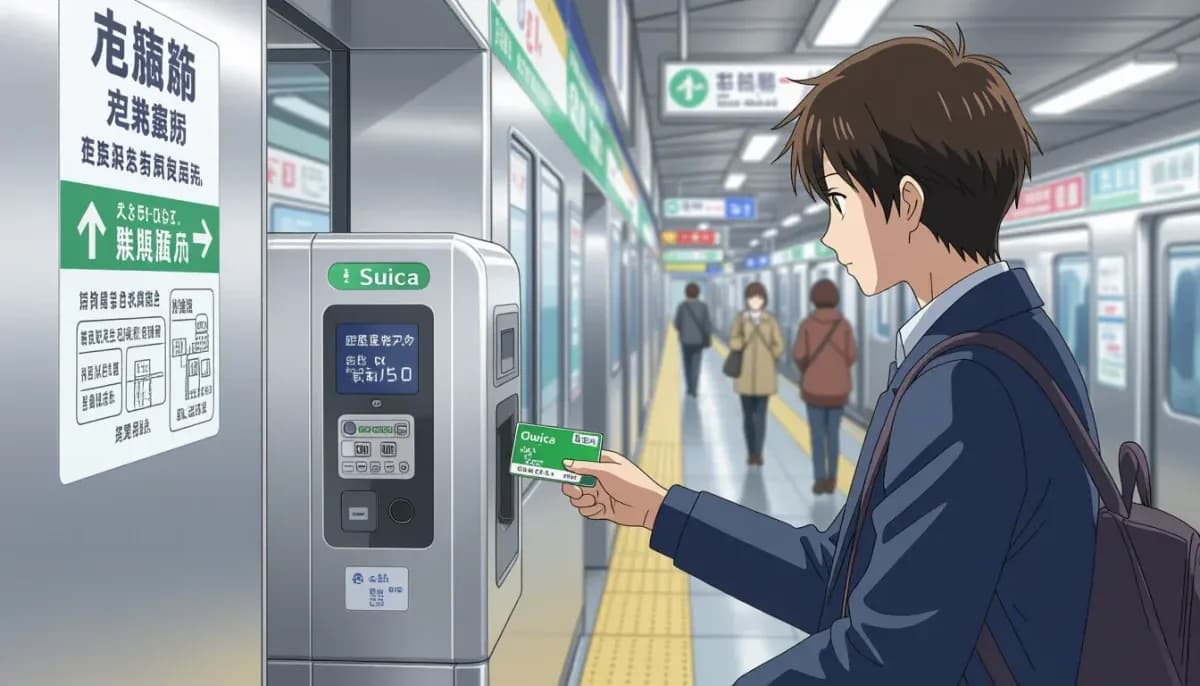
Japan Commuter Pass Teikiken How to Buy and Use
Everything foreigners need to know about Japan's commuter pass (teikiken): how to buy, cost savings, IC card types, employer reimbursement, and practical tips for daily commuters.
Read more →
Buying a Bicycle in Japan Complete Guide
Everything foreigners need to know about buying, registering, and riding a bicycle in Japan — including mamachari types, costs, registration steps, insurance, and 2026 cycling law updates.
Read more →