
Is the Japan Rail Pass Worth It for Residents

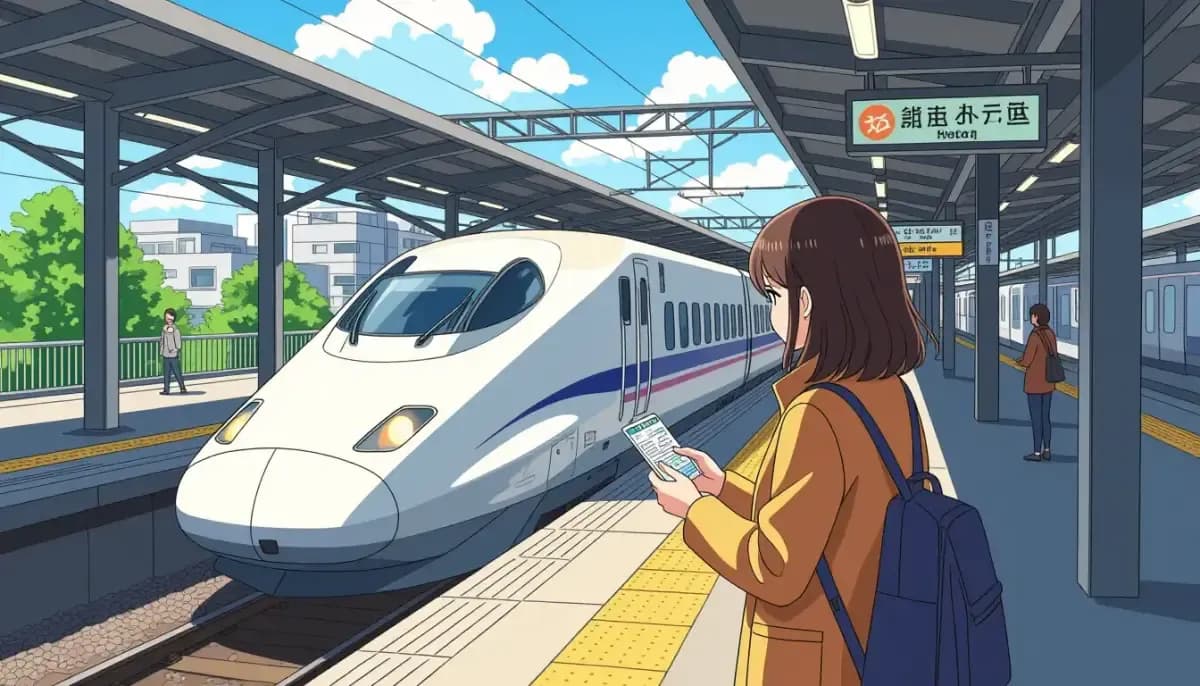
Can foreign residents buy the Japan Rail Pass? Learn what rail passes are available to residents, how IC cards work, and how to save on transportation in Japan.
Is the Japan Rail Pass Worth It for Residents? The Complete Guide
If you've recently moved to Japan or are planning to relocate, you've probably wondered: can I use the Japan Rail Pass as a resident? And more importantly, is it actually worth it? The short answer might surprise you — the standard Japan Rail Pass is not available to foreign residents of Japan. But don't worry, there are excellent alternatives that may actually serve you better. This guide breaks down everything you need to know about rail passes, IC cards, and commuter passes for foreigners living in Japan.
What Is the Japan Rail Pass and Who Can Use It?
The Japan Rail Pass (JR Pass) is a famous unlimited-travel pass covering JR (Japan Railways) lines nationwide, including most Shinkansen bullet trains (excluding the Nozomi and Mizuho services), express trains, local trains, and even some buses and ferries.
Eligibility rules are strict:
- Only available to travelers holding a short-term stay (temporary visitor) visa
- Foreign residents on long-term visas (work visa, spouse visa, student visa, etc.) cannot purchase the standard JR Pass
- Even Japanese nationals holding dual citizenship may qualify only if they have lived outside Japan for at least 10 consecutive years
As of October 2023, JR Pass prices also increased significantly, making the math even more important to get right:
| Pass Type | Standard Car | Green Car (First Class) |
|---|---|---|
| 7 Days | ¥50,000 | ¥70,000 |
| 14 Days | ¥80,000 | ¥114,000 |
| 21 Days | ¥100,000 | ¥140,000 |
With these prices, the pass only makes sense for tourists covering very long distances. For residents, the picture is entirely different.
Regional JR Passes Available to Foreign Residents
Here's the good news: several regional JR passes are permanently available to non-Japanese passport holders, regardless of your visa status. This means foreign residents can still enjoy the convenience of a rail pass for leisure travel around specific regions.
| Pass Name | Coverage | Duration | Price |
|---|---|---|---|
| Tokyo Wide Pass | Greater Tokyo + selected routes | 3 days | ¥10,180 |
| JR East Tohoku Area Pass | Kanto + Tohoku regions | 5 days | ¥20,000 |
| JR East Nagano Niigata Area Pass | Kanto + Yamanashi, Nagano, Niigata | 5 days | ¥18,000 |
| Kansai Wide Area Excursion Pass | Around Kyoto and Osaka | 3 days | ¥10,000 |
These passes are excellent for weekend trips and domestic travel within Japan. For example, the Tokyo Wide Pass at ¥10,180 can easily pay for itself if you visit destinations like Nikko, Hakone, or Kamakura in a single weekend.
You can purchase the Kansai Wide Area Excursion Pass through online platforms like Klook or Rakuten, making it especially convenient. For more information on navigating Japan's transportation system as a foreigner, check out this comprehensive transportation guide for foreigners in Japan.
![Japan rail pass and IC card options for residents]
The IC Card: Your Best Friend as a Resident
For daily life in Japan, the IC card is far more practical than any rail pass. IC cards are rechargeable prepaid smart cards that work on virtually all trains, subways, buses, and even at many convenience stores and vending machines.
The major IC cards by region:
| Region | IC Card | Works On |
|---|---|---|
| Tokyo / Kanto | Suica, PASMO | JR, Tokyo Metro, Toei, buses |
| Osaka / Kansai | ICOCA, PiTaPa | JR West, Hankyu, Keihan, buses |
| Nagoya / Chubu | manaca, TOICA | Nagoya Metro, JR Tokai, buses |
| Sapporo / Hokkaido | Kitaca | JR Hokkaido, Sapporo City Transit |
| Fukuoka / Kyushu | SUGOCA, nimoca | JR Kyushu, Nishitetsu, buses |
Since 2013, major IC cards work nationwide — you can tap your Tokyo Suica card at an Osaka station without any issues.
Getting started is simple:
- Purchase at any major train station or convenience store
- Pay the ¥500 refundable deposit
- Load money (minimum ¥1,000 recommended to start)
- Tap in and out at ticket gates
Digital IC cards are also available for smartphone users. Mobile Suica, Mobile PASMO (Android and iPhone), and Mobile ICOCA (Android) let you skip the physical card entirely and manage everything from your phone.
For guidance on managing your finances in Japan, including setting up a bank account to link to your IC card, visit For Work in Japan.
Commuter Pass (定期券): Save Thousands on Your Daily Commute
If you commute to work or school regularly, a commuter pass (teikiken / 定期券) will be your biggest money-saver. Unlike the JR Pass, commuter passes are available to everyone — residents, tourists, any nationality.
How commuter passes work:
- Valid for unlimited rides on a specific route between two fixed stations
- Available for 1 month, 3 months, or 6 months
- The longer the period, the greater the discount (6-month passes offer approximately 15% additional savings)
- Can be purchased at any major station's ticket office or automated machine
Cost example for a Tokyo commuter:
| Commute Distance | Individual Tickets (Monthly) | Monthly Commuter Pass | Monthly Savings |
|---|---|---|---|
| Short (10km) | ~¥8,000 | ~¥6,000 | ¥2,000 |
| Medium (20km) | ~¥14,000 | ~¥10,000 | ¥4,000 |
| Long (30km+) | ~¥20,000+ | ~¥14,000+ | ¥6,000+ |
Real-world example: If your round-trip daily commute costs ¥800, and you commute 20 days per month, you'd spend ¥16,000 on individual tickets. A monthly commuter pass for the same route might cost ¥10,000-¥11,000, saving you ¥5,000 every month — or ¥60,000 per year.
Many employers in Japan reimburse commuter pass costs up to a certain monthly limit (typically ¥15,000 per month) as a tax-free transportation allowance. Check your employment contract or HR department for details. Learn more about working conditions in Japan at Ittenshoku.
Breaking Down the Math: Which Option Is Best for You?
The right choice depends on your lifestyle. Here's a practical breakdown:
Choose an IC Card if you:
- Travel irregularly without a fixed daily route
- Use multiple transit systems (JR, private railways, subways, buses)
- Want maximum flexibility
- Make occasional trips around the city
Choose a Commuter Pass if you:
- Commute to the same workplace or school 4+ days per week
- Travel a consistent route of 10km or more
- Want to budget transportation as a fixed monthly expense
- Your employer offers transportation reimbursement
Choose a Regional Rail Pass if you:
- Plan a multi-day leisure trip within a region (Tohoku, Kansai, etc.)
- Want to travel freely within a region for a weekend
- Are visiting family or exploring Japan during vacation time
For most working residents in Tokyo, the optimal strategy is: monthly commuter pass for daily work routes + Suica loaded with extra money for flexible travel on off days.
Tips for Saving More on Transportation as a Resident
Living in Japan long-term gives you access to savings that tourists don't get:
1. Split your commuter pass route If your commute covers a very long route, check if splitting it into two overlapping passes saves money. Some residents report saving ¥18,970+ over 6 months by dividing a 47.4km route into two segments with different pass types.
2. Register your IC card Always register your Suica or PASMO card (either online or at a station). If you lose an unregistered card, you lose your balance. A registered card can be replaced with your remaining balance intact.
3. Use monthly IC card auto-charge Link your IC card to a credit card for automatic recharging. Some credit cards offer bonus points for IC card charges, adding up to meaningful rewards over time.
4. Consider combination passes Tokyo offers combined passes for JR + Tokyo Metro or JR + Toei subway at reduced rates. If you regularly use both networks, these can offer significant savings.
5. Time your commuter pass renewal When renewing a commuter pass, choose a 3-month or 6-month pass for better value. If your workplace is reimbursing you, confirm the maximum reimbursement amount before choosing the period length.
![Suica IC card being tapped at Japan train gate]
Frequently Asked Questions
Can I use a Japan Rail Pass if I have a working holiday visa? A working holiday visa is technically a short-term visa in some interpretations, but in practice, JR considers anyone residing in Japan long-term as ineligible. It's best to verify directly with a JR ticket office with your specific visa documentation.
What happens to my JR Pass if I become a resident after purchase? If you purchase a JR Pass as a tourist and then change your visa status to a long-term resident, the pass technically becomes invalid per JR regulations. In practice, enforcement varies, but be aware of the rules.
Is the IC card balance refundable if I leave Japan? Yes. You can refund your Suica or PASMO balance at any major train station before leaving. You'll receive your remaining balance minus the ¥500 deposit handling fee for non-registered cards (registered card holders get the full deposit back).
Can I use my home country's contactless payment instead of a Suica? Many stations in Japan now accept some international contactless cards and mobile payments (Apple Pay, Google Pay). However, coverage is still inconsistent, and these options don't work at all transit gates or bus stops. A local IC card remains the most reliable option.
For more comprehensive guidance on daily life logistics in Japan, including transportation, banking, and more, check out our daily life in Japan guide for foreigners and our transportation in Japan complete guide.
Summary: What Foreign Residents Should Know
Understanding Japan's rail system is key to making the most of life here. Here's the quick summary:
- The standard Japan Rail Pass is not available to foreign residents on long-term visas
- Regional JR passes (Tokyo Wide Pass, Tohoku Pass, Kansai Pass) are available to all non-Japanese passport holders — great for leisure travel
- IC cards (Suica, PASMO, ICOCA) are your daily go-to for flexible transportation
- Commuter passes offer the best savings for regular work or school commutes and can save ¥2,000-¥6,000+ per month
- The optimal strategy: commuter pass for your main route + IC card for everything else
Japan's public transportation system is one of the best in the world — punctual, clean, and comprehensive. Once you understand which tools to use and when, getting around becomes one of the true pleasures of resident life in Japan.
For more resources on building your life in Japan, explore our guides on finding housing in Japan, banking in Japan, and working in Japan as a foreigner.
External resources:

Originally from Vietnam, living in Japan for 16+ years. Graduated from Nagoya University, with 11 years of professional experience at Japanese and international companies. Sharing information about living in Japan for foreigners.
View Profile →Related Articles
Walking and Pedestrian Rules in Japan
Learn all the essential walking and pedestrian rules in Japan — from crosswalk laws and sidewalk etiquette to regional escalator customs and common mistakes foreigners make.
Read more →
Domestic Flights in Japan Budget Tips and Deals
Learn how to find cheap domestic flights in Japan. Compare LCCs like Peach and Jetstar vs JAL/ANA, discover special foreigner fares, and get insider booking tips to save big.
Read more →
Night Bus Travel in Japan Budget Guide
Complete guide to night buses in Japan for foreigners and expats. Prices, routes, booking tips, seat types, and the Japan Bus Pass explained. Save 60-70% vs Shinkansen.
Read more →
Best Transit and Navigation Apps in Japan
Discover the best transit and navigation apps for Japan. From Google Maps and Yahoo Transit to Mobile Suica and GO Taxi, master Japan's train system with the right tools.
Read more →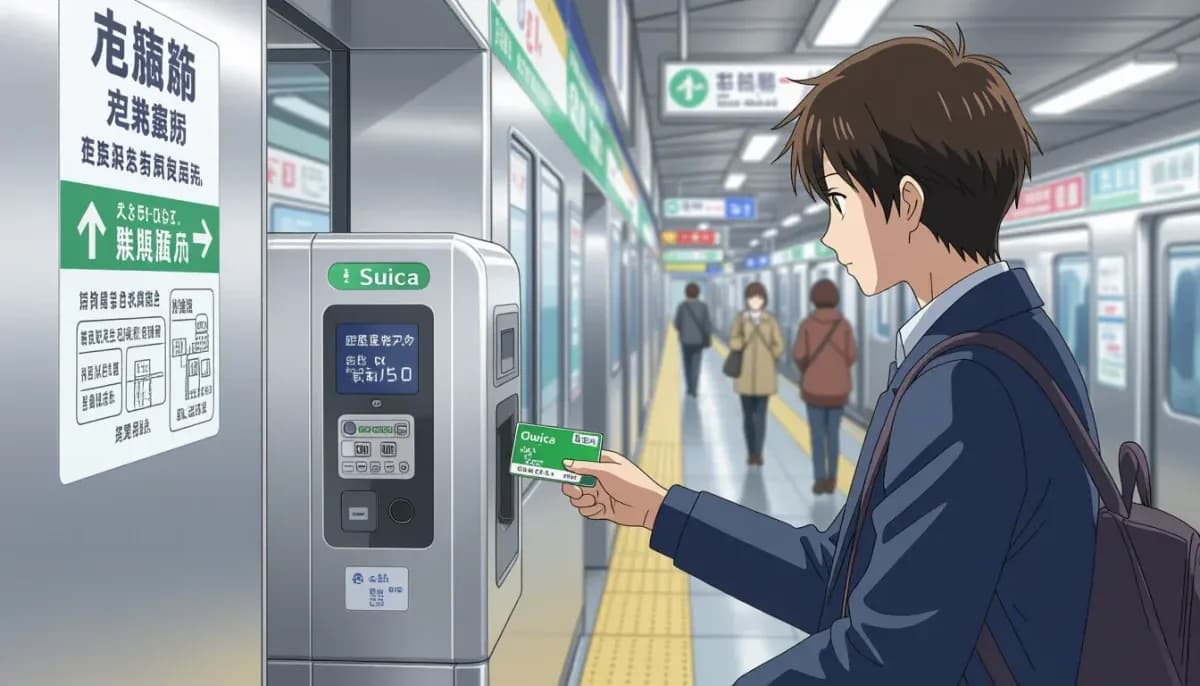
Japan Commuter Pass Teikiken How to Buy and Use
Everything foreigners need to know about Japan's commuter pass (teikiken): how to buy, cost savings, IC card types, employer reimbursement, and practical tips for daily commuters.
Read more →
Buying a Bicycle in Japan Complete Guide
Everything foreigners need to know about buying, registering, and riding a bicycle in Japan — including mamachari types, costs, registration steps, insurance, and 2026 cycling law updates.
Read more →