
Winter Sports in Japan Skiing Snowboarding and More

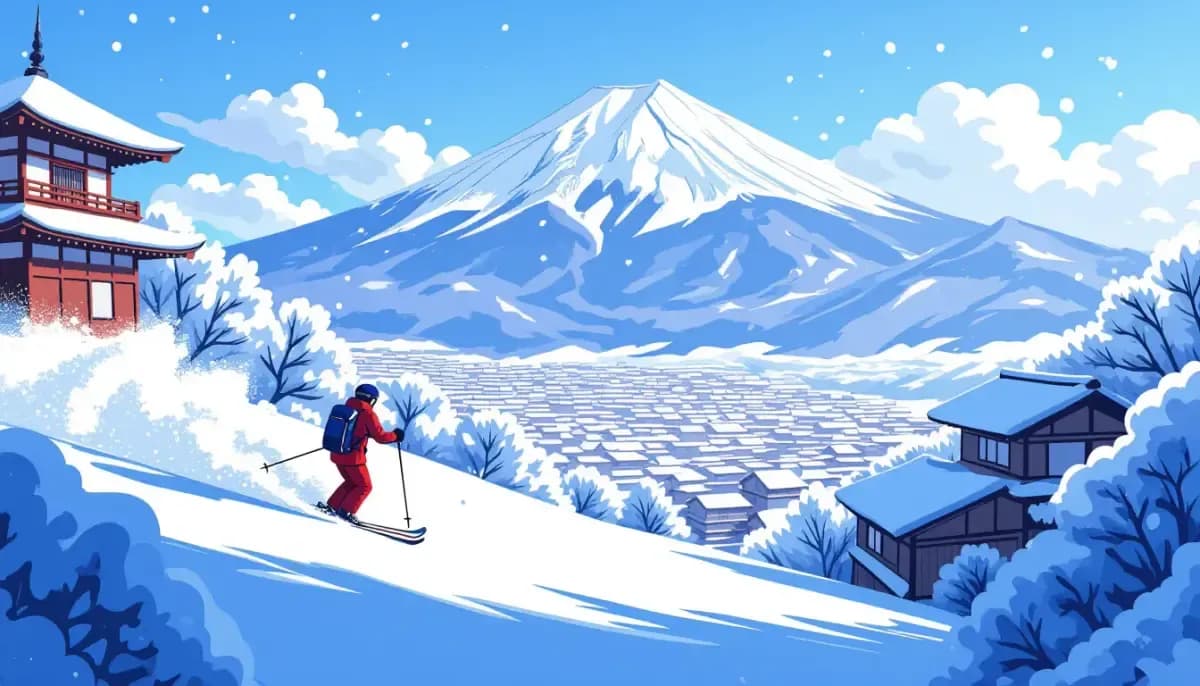
Complete guide to winter sports in Japan for foreigners. Discover the best ski resorts, costs, tips for skiing and snowboarding, and unique winter activities like drift ice walking and onsen après-ski.
Winter Sports in Japan: The Complete Guide for Foreigners (Skiing, Snowboarding & More)
Japan is home to some of the world's best winter sports destinations, drawing millions of international visitors every season. Whether you're a seasoned powder hound chasing legendary "JAPOW" in Hokkaido or a first-timer looking to try skiing on a budget day trip from Tokyo, Japan delivers an unparalleled winter sports experience. This guide covers everything foreigners need to know about skiing, snowboarding, and other winter activities in Japan.
Why Japan is a World-Class Winter Sports Destination
Japan's winter sports scene has achieved near-mythical status among skiers and snowboarders worldwide, and for good reason. The country receives exceptional snowfall—particularly along the Sea of Japan coast and in Hokkaido—producing the famously dry, light powder known as "JAPOW." This powder snow is unlike what you'll find in most other countries: it's cold, fluffy, and falls in incredible quantities.
Japan has hundreds of ski resorts spread from Hokkaido in the north all the way to Kyushu in the south. The finest conditions are found in northern regions and along the Sea of Japan coast, particularly in Niigata and Nagano prefectures. Beyond the snow quality, Japan offers something unique: the seamless combination of world-class winter sports with authentic Japanese culture. You can spend the morning shredding powder, and the afternoon soaking in an outdoor hot spring (onsen) surrounded by snow-covered pine trees.
For foreigners living in or visiting Japan, winter sports are one of the most rewarding seasonal activities you can experience. Major resort areas like Niseko in Hokkaido and Hakuba in Nagano have significant English-speaking infrastructure, making access easier than ever. If you're curious about other aspects of living in Japan year-round, check out our guide on daily life in Japan for foreigners.
Top Ski Resorts in Japan for Foreigners
Niseko, Hokkaido — The International Capital
Niseko is Japan's most internationally recognized ski destination and is especially popular with Australian, Southeast Asian, and Western visitors. Located on Japan's northern island of Hokkaido, the Niseko United area combines four interconnected resorts: Grand Hirafu, Hanazono, Niseko Village, and Annupuri.
Why foreigners love Niseko:
- English is widely spoken at ski schools, restaurants, and shops
- World-class powder snow with average annual snowfall exceeding 15 meters
- Strong international food scene with restaurants serving everything from Australian burgers to Japanese ramen
- A thriving après-ski culture with bars and lounges
Hakuba Valley, Nagano — Olympic Legacy
Hakuba hosted several events at the 1998 Nagano Winter Olympics and remains one of Japan's premier ski destinations. Located in the Japanese Alps, Hakuba Valley comprises 10 different ski resorts, offering incredibly diverse terrain from gentle beginner slopes to steep expert runs. Costs are roughly 15-20% lower than Niseko while offering comparable snow quality.
Nozawa Onsen — Traditional Atmosphere
One of Japan's oldest ski villages, Nozawa Onsen perfectly blends skiing with traditional Japanese hot spring culture. The village has free public baths (soto-yu) scattered throughout, maintained by the community for centuries. English support has grown significantly in recent years.
Gala Yuzawa — Tokyo Day Trip Heaven
Gala Yuzawa in Niigata Prefecture is unique: it has its own shinkansen (bullet train) station, making it reachable from Tokyo in under 90 minutes. This makes it ideal for day trips or weekend getaways. It's also a great introduction to Japanese skiing for first-timers.
Zao, Yamagata — Snow Monsters
Zao Resort is famous for its spectacular "snow monsters" (juhyo)—trees completely encrusted in ice and snow that create an otherworldly landscape. Beyond the dramatic scenery, Zao has excellent skiing and a renowned hot spring resort town at its base.
For more on getting around Japan to reach these destinations, see our guide on transportation in Japan for foreigners.
Japan Ski Season: When to Go
The Japanese ski season typically runs from late November through May, though this varies significantly by region and altitude. Here's what you need to know:
| Month | Conditions | Best For |
|---|---|---|
| November–Early December | Early season, limited terrain open | Budget travelers, avoiding crowds |
| December–January | Excellent powder, peak holiday crowds | Powder seekers, festive atmosphere |
| February | Best powder conditions overall | Serious skiers and snowboarders |
| March | Good snow, fewer crowds, cheaper | Value seekers, spring skiing |
| April–May | Spring conditions, slushy lower runs | Budget deals, high-altitude skiing |
Peak season (late December through early January and early-mid February) brings holiday crowds and higher prices. February is generally considered the sweet spot—excellent snow conditions with slightly smaller crowds than December-January. March offers significant savings with still-reasonable conditions at higher elevations.
Cost Breakdown: Skiing in Japan
Skiing in Japan can range from surprisingly affordable to quite expensive depending on your choices. Here's a realistic breakdown:
| Expense | Budget | Mid-Range | Premium |
|---|---|---|---|
| Lift Pass (day) | ¥5,000–¥6,000 | ¥6,000–¥8,000 | ¥8,000–¥10,000+ |
| Equipment Rental (full set) | ¥3,000–¥5,000 | ¥5,000–¥8,000 | ¥8,000–¥15,000 |
| Accommodation (per night) | ¥4,000–¥8,000 | ¥8,000–¥20,000 | ¥20,000–¥80,000+ |
| Lunch on Mountain | ¥800–¥1,200 | ¥1,200–¥2,000 | ¥2,000–¥4,000+ |
| Tokyo Day Trip Total | – | ¥25,000–¥35,000 | – |
Tips for saving money:
- Book weekdays: Lift passes and hotels are often 10–30% cheaper on weekdays vs. weekends
- Buy lift passes online in advance: Many resorts offer early-bird discounts
- Consider Hakuba or Nozawa over Niseko: Similar snow quality at lower prices
- Rent equipment at the resort: Convenient and allows you to try different gear
- Buy gear in Tokyo: The Kanda Ogawamachi district has over 60 outdoor sports shops within a 400-meter stretch, with year-end sales (late March) offering 20–30% discounts
For budgeting advice, our cost of living in Japan guide has comprehensive information on managing expenses in Japan.
Equipment Rental and Gear
Most major ski resorts in Japan have excellent rental facilities where you can rent a complete set of gear (skis or snowboard, boots, poles, and helmet). This allows you to arrive with just your ski clothing and rent everything else on-site.
What rental typically includes:
- Skis or snowboard + bindings
- Boots
- Poles (skiing)
- Helmet (usually included or small extra fee)
What you need to bring or rent separately:
- Ski/snowboard jacket and pants
- Base layers (moisture-wicking thermal underwear)
- Gloves and goggles
- Face mask or balaclava (essential in Hokkaido winds)
For foreigners who ski regularly in Japan, purchasing your own gear becomes economical after 3–4 trips. Amazon Japan often offers competitive prices, sometimes 20% cheaper than physical stores.
Beyond Skiing: Other Winter Sports in Japan
Japan offers a remarkable variety of winter activities beyond conventional skiing and snowboarding:
Snowshoeing
Snowshoeing requires no prior sliding experience and is accessible to anyone who can walk. Guided tours operate from many mountain resorts, taking participants through pristine winter forests. No special skills required—just warm clothing and a sense of adventure.
Drift Ice Walking (Hokkaido)
One of Japan's most unique winter experiences is drift ice walking on the Okhotsk coast of Hokkaido, particularly around the Shiretoko Peninsula and Abashiri area. Participants wear drysuits and walk across and through seasonal sea ice that drifts down from Siberia—a truly one-of-a-kind experience available only in Japan.
Ice Skating
Indoor ice rinks operate year-round throughout Japan, and outdoor rinks pop up in many cities during winter. From the famous outdoor rink at Roppongi Hills in Tokyo to resort-based rinks in mountain areas, ice skating is accessible and family-friendly.
Snowmobiling
Several resort areas offer guided snowmobile tours through snowy forests. No experience is necessary for most tour options.
Dog Sledding
A handful of operators in Hokkaido offer dog sledding experiences, combining the joy of mushing with stunning winter landscapes.
Wakasagi Ice Fishing
Wakasagi (Japanese smelt) ice fishing is a beloved winter tradition in Japan. Lakes like Lake Suwa in Nagano and Lake Ashi in Kanagawa freeze solid enough to allow fishing huts to be set up on the ice. You drill a hole, drop a line, and catch tiny fish—which you can then eat fried on the spot.
For more on Japanese cultural experiences and activities, see our guide on Japanese culture and etiquette for foreigners.
Hot Springs and Après-Ski: The Japanese Way
One of the most distinctive aspects of winter sports in Japan is the onsen (hot spring) culture that permeates ski resort areas. Many Japanese ski destinations are simultaneously renowned hot spring resorts, creating a uniquely Japanese après-ski experience.
After a day on the slopes, soaking in an outdoor rotenburo (open-air hot spring bath) surrounded by snow is absolutely sublime. The contrast of steaming hot water and cold winter air, combined with views of snow-covered mountains, is something you simply cannot experience at Western ski resorts.
Famous ski-onsen destinations:
- Nozawa Onsen: 13 free public baths maintained by the community
- Zao: Hot spring town at the base of the ski area
- Myoko: Multiple onsen ryokan (traditional inns) near the ski area
- Shiga Kogen: Japan's largest interconnected ski area with onsen accommodation
Onsen etiquette for beginners:
- Tattoos may restrict access to some traditional onsen (check in advance)
- Wash thoroughly before entering the bath
- No swimwear in traditional onsen (enter naked)
- Keep noise levels low and be respectful
For detailed guidance on hot spring culture, read our article on Japanese culture and etiquette for foreigners.
Practical Tips for Foreign Skiers in Japan
Getting to the Slopes
From Tokyo:
- Gala Yuzawa: Shinkansen direct, 90 minutes, ¥12,000–¥14,000 round trip
- Naeba: Bus or train+bus, 2–3 hours, ¥7,000–¥10,000 round trip
- Hakuba: Shinkansen to Nagano + limited express or bus, 3–4 hours
From Osaka/Kyoto:
- Shiga Kogen/Hakuba: Shinkansen to Nagano, then bus/train, 3–5 hours
For Niseko (Hokkaido):
- Fly to Sapporo New Chitose Airport (2.5–3 hours from Tokyo), then bus or train
Ski Schools and Lessons
Most major resorts offer ski and snowboard lessons in English. Booking in advance (especially during peak season) is highly recommended. Beginners should factor in the cost of lessons—typically ¥5,000–¥15,000 for a group lesson.
Travel Insurance
This is critical: Standard travel insurance often excludes or limits skiing and snowboarding coverage. Before your trip, verify that your policy covers:
- Ski-related injuries
- Off-piste/backcountry skiing (if applicable)
- Helicopter rescue (very expensive in Japan)
- Mountain rescue costs
Communication on the Mountain
Docomo's network offers the best mobile coverage in mountain areas. If you're on a different carrier, consider a temporary SIM card for your trip. For general advice on staying connected, our technology and apps in Japan guide covers all your connectivity needs.
Useful Apps and Resources
- Snow Japan (snowjapan.com): Independent snow reports for all major Japanese resorts
- Ski Japan: Resort maps and conditions
- Google Translate: Camera translation is useful for Japanese-only signs and menus
Resources for Planning Your Japan Winter Sports Trip
For comprehensive information on skiing in Japan, the Japan-Guide skiing page provides detailed resort overviews. For budget-conscious planning, Tokyo Cheapo's snow sports guide offers excellent tips on reducing costs.
If you're a foreigner living in Japan and want to find local sports clubs or skiing communities, Living in Nihon has resources on expat life and activities in Japan. For those interested in connecting with other sports enthusiasts through workplace or hobby groups, check out For Work in Japan's guide to sports clubs and communities. IT professionals and tech workers considering relocating to Japan to enjoy its winter sports lifestyle can find career guidance at Ittenshoku, which specializes in IT career transitions in Japan.
For independent snow reports and resort conditions from a foreign skier's perspective, Snow Japan is the go-to English-language resource for Japan skiing.
Making the Most of Winter Sports in Japan
Winter sports are one of the greatest perks of living in or visiting Japan. The combination of world-class snow conditions, affordable domestic travel options, unique cultural experiences (particularly onsen), and the sheer variety of resorts makes Japan an exceptional winter destination.
For foreigners living in Japan long-term, developing a routine around winter sports—weekend ski trips in January and February, day trips to Gala Yuzawa when work permits—becomes one of the highlights of the expat experience. Japan's efficient train network makes spontaneous winter sports adventures surprisingly accessible.
Whether you're drawn by the legendary powder of Niseko, the Olympic heritage of Hakuba, the snow monsters of Zao, or the traditional village atmosphere of Nozawa Onsen, Japan's winter sports scene has something extraordinary to offer every visitor. Layer up, head to the mountains, and discover why skiers and snowboarders from around the world make Japan their top winter destination.
For more guidance on enjoying life in Japan as a foreigner, explore our comprehensive guides on domestic travel in Japan, fitness and sports in Japan, and making friends and building a social life in Japan.

Originally from Vietnam, living in Japan for 16+ years. Graduated from Nagoya University, with 11 years of professional experience at Japanese and international companies. Sharing information about living in Japan for foreigners.
View Profile →Related Articles
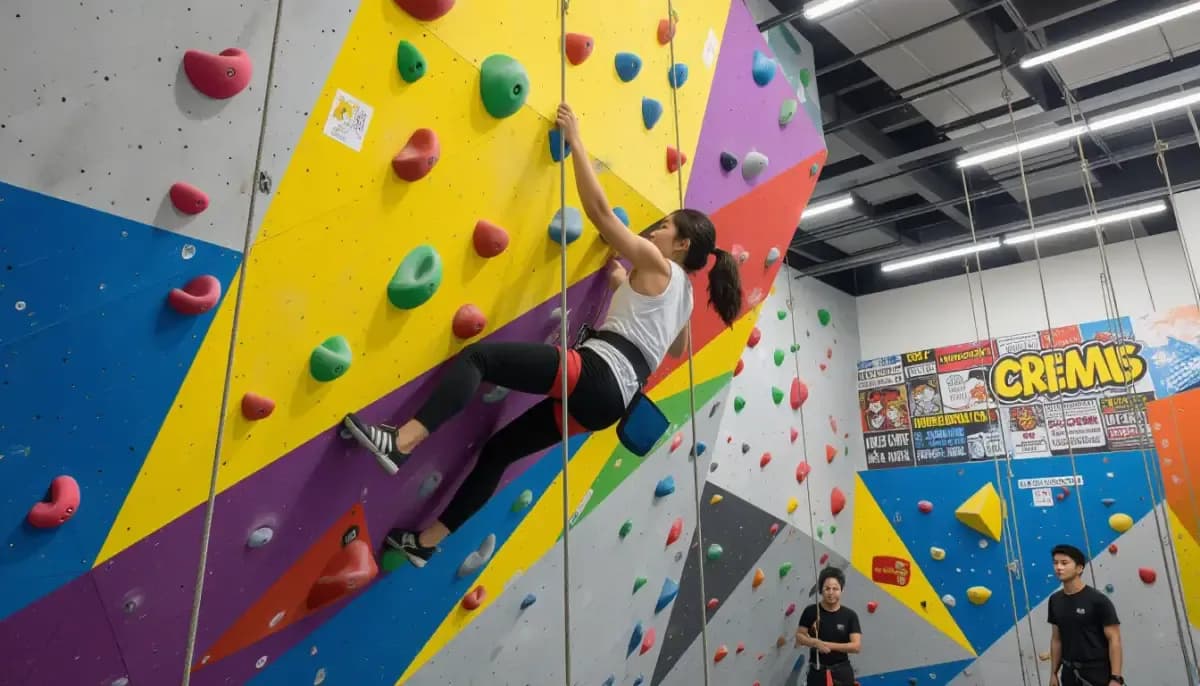
Rock Climbing and Bouldering in Japan Guide
Complete guide to rock climbing and bouldering in Japan for foreigners. Discover 97+ gyms, top outdoor crags, costs, grading systems, and cultural etiquette tips.
Read more →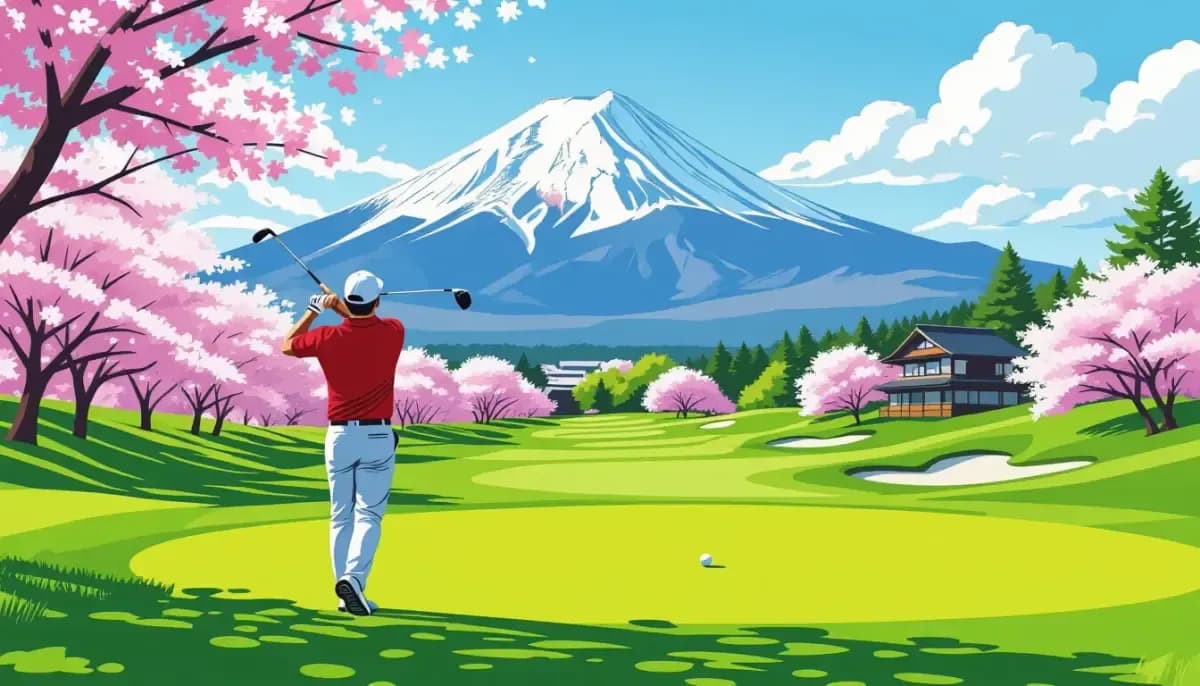
Playing Golf in Japan Guide for Foreign Residents
Complete guide to playing golf in Japan for foreigners. Learn about booking tee times, green fees (¥7,000–¥12,000), etiquette, dress codes, club membership, and the best golf courses across Japan.
Read more →
Best Fitness and Workout Apps Available in Japan
Discover the best fitness and workout apps available in Japan for foreigners. From FiNC to Nike Run Club, YAMAP to MyFitnessPal—a complete 2025 guide for expats.
Read more →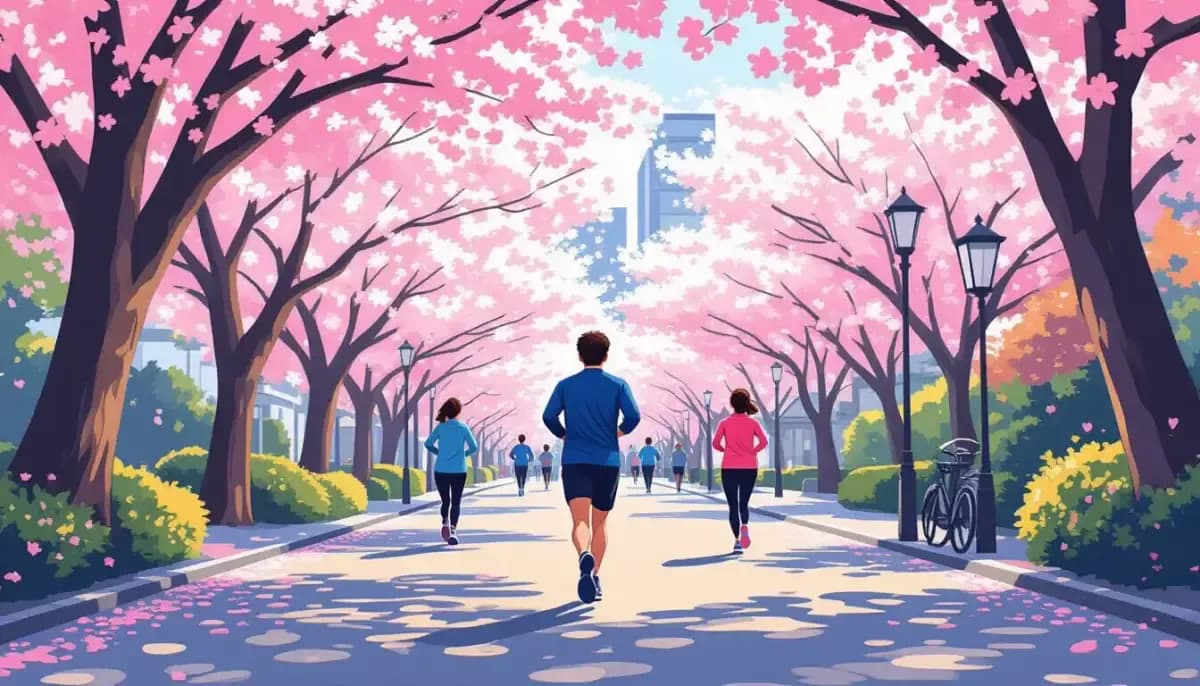
Best Outdoor Fitness Activities in Japan
Discover the best outdoor fitness activities in Japan for foreigners — from free park workouts and running clubs to hiking trails, cycling routes, and water sports. Complete guide with costs and tips.
Read more →
Japanese Gym Etiquette Every Foreigner Should Know
Learn essential Japanese gym etiquette rules: tattoo policies, indoor shoes, towel requirements, locker room rules, and how to join a gym in Japan as a foreigner.
Read more →
Cycling Culture and Fitness Riding in Japan
Discover Japan's cycling culture and how to ride for fitness as a foreigner. Covers bike types, road rules, 2026 laws, top routes, bike share, and joining cycling communities.
Read more →