The Complete Guide to Domestic Travel in Japan for Residents
As a foreign resident living in Japan, you have an incredible advantage over tourists: time. While visitors rush through Kyoto in three days, you can spend a weekend at a remote mountain onsen, catch cherry blossoms in a lesser-known park, or explore a coastal fishing village at your own pace. Domestic travel in Japan is one of the most rewarding aspects of expat life here, but it comes with its own set of rules, tricks, and considerations that differ from what tourists face.
This comprehensive guide covers everything foreign residents need to know about traveling within Japan — from transportation options and booking strategies to regional highlights and cultural etiquette that will make your trips smoother and more memorable.
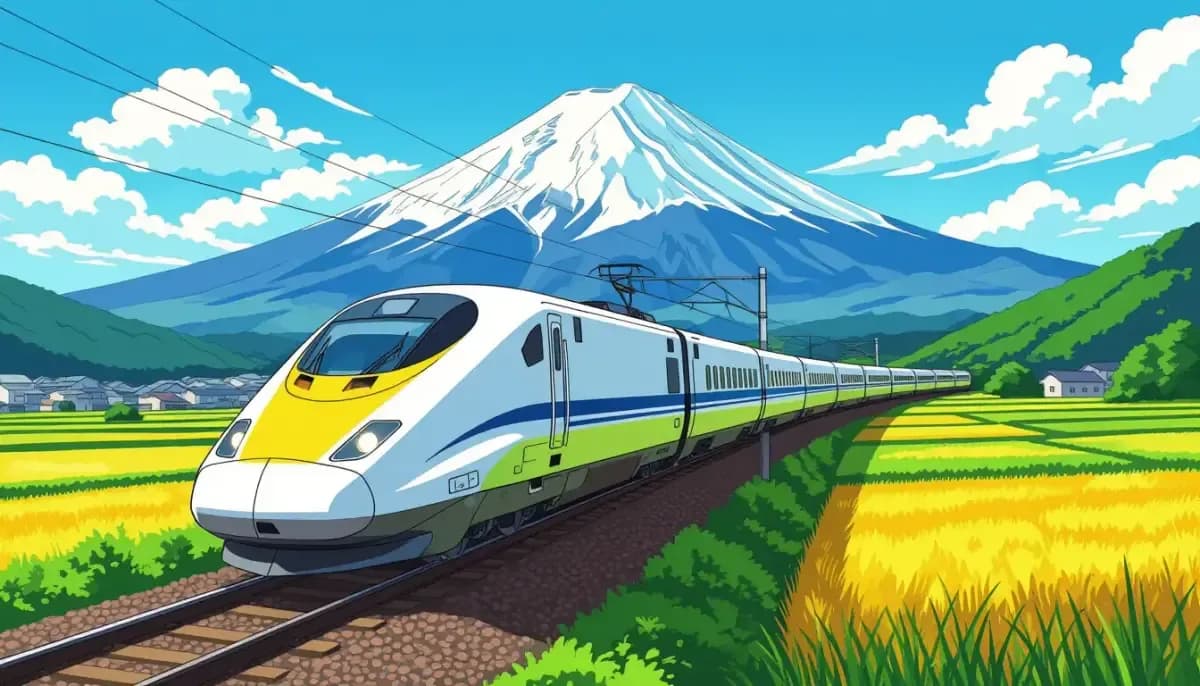
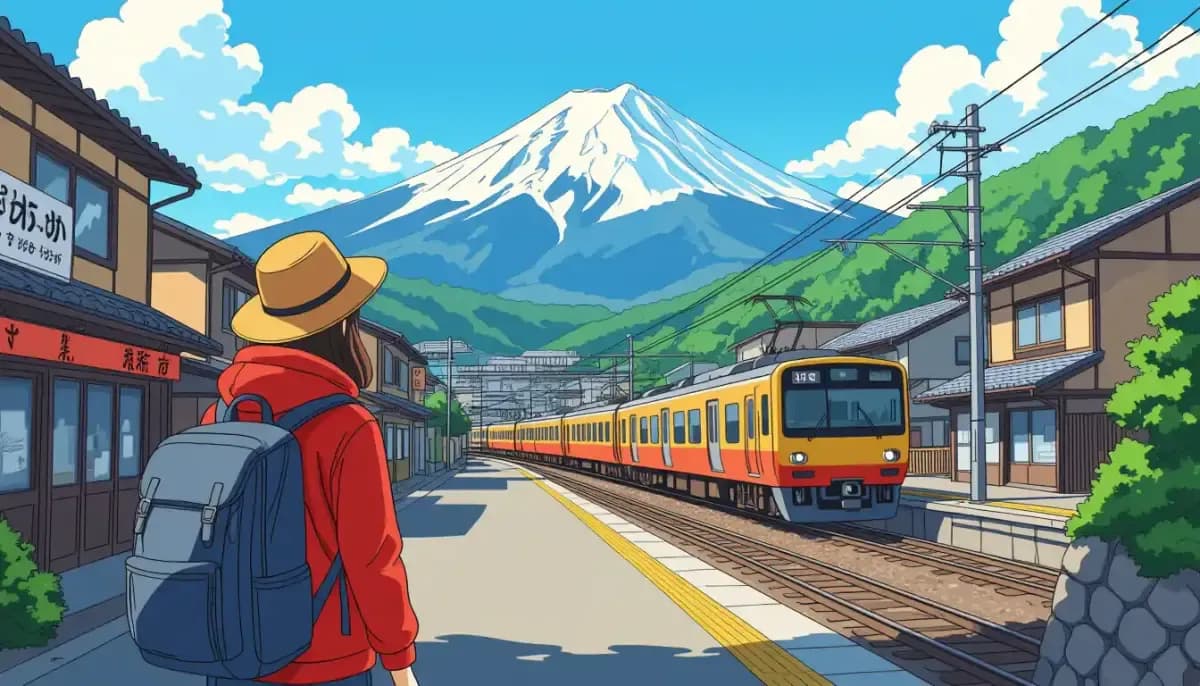
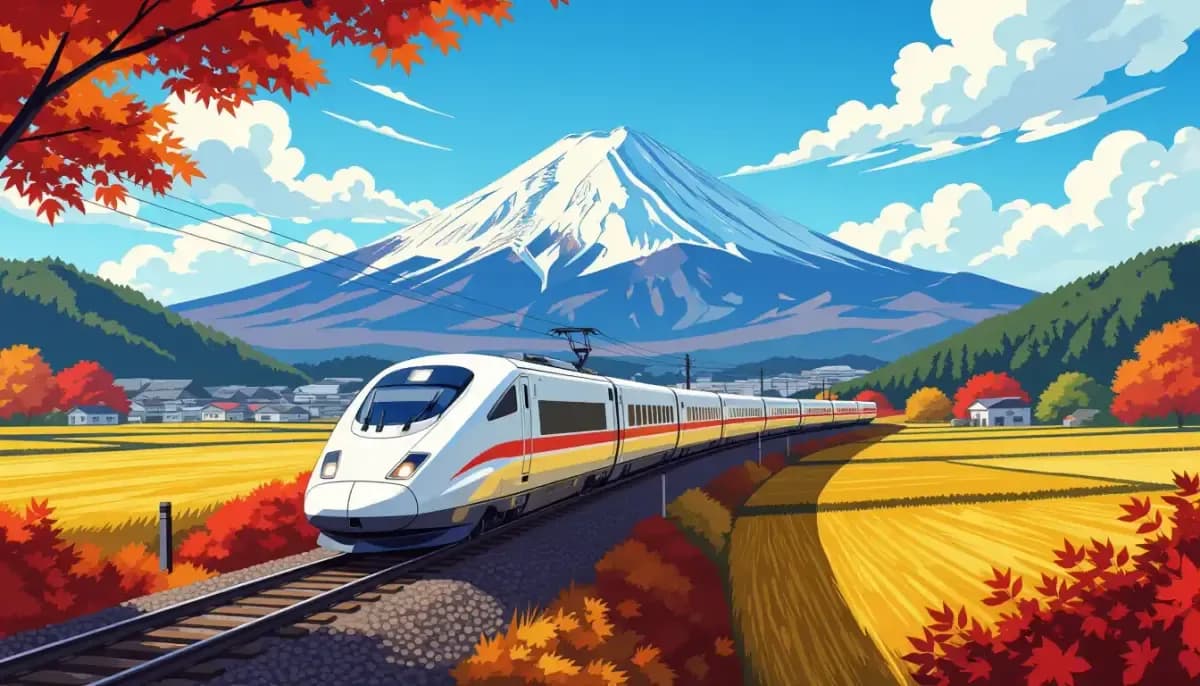
!Shinkansen bullet train with Mount Fuji in the background during a clear day
Understanding Your Transportation Options as a Resident
One of the first surprises for new residents is that the Japan Rail Pass (JR Pass) is not available to you. This famous tourist pass — which offers unlimited JR train travel for set periods — requires holders to be in Japan on a temporary visitor visa. If you have a residence card (在留カード), you're ineligible.
But don't be disappointed. As a resident, you have access to a different set of options that are often more cost-effective for the way you'll actually travel:
Shinkansen (Bullet Train)
The shinkansen is the gold standard of long-distance travel in Japan. It's fast, punctual, and comfortable — but it's also the most expensive option.
- Tokyo to Osaka (Tokaido Shinkansen): approximately ¥13,870 one-way, 2.5 hours on the Hikari
- Tokyo to Sapporo (Hokkaido Shinkansen): approximately ¥22,000+, around 4 hours
- Tokyo to Fukuoka (Nozomi): approximately ¥23,000, about 5 hours
For residents who travel frequently, consider purchasing tickets via the EX-IC (Express IC) service, which offers discounts on Tokaido and Sanyo Shinkansen if you register a credit card. The savings can be 200–500 yen per trip, which adds up over time.
Seishun 18 Ticket (青春18きっぷ)
This is the secret weapon of budget-conscious residents. The Seishun 18 Ticket costs ¥12,050 for five days of unlimited travel on JR local and rapid trains — and unlike the JR Pass, it IS available to foreign residents. You can use all five days yourself, or split them with friends.
The catch: it only works on local JR trains (no shinkansen, no limited express), and it's only sold during three seasonal windows (spring, summer, and winter). It's perfect for slow, scenic journeys — taking the Chuo Line through the Japanese Alps, for example, or riding the coast along the San'in route.
Highway Buses (高速バス)
Long-distance buses are the most affordable intercity option. Tokyo to Osaka by bus costs ¥3,000–6,000 (compared to ¥13,870 by shinkansen), though the journey takes around 8 hours. Night buses are especially popular — you save on a night's accommodation while you travel. Book through Willer Express, Jambus, or the various regional operators via Kosoku Bus portal.
Domestic Flights
For distant destinations like Hokkaido or Okinawa, flying is often the fastest and sometimes cheapest option. Peach Aviation and Jetstar Japan regularly offer fares as low as ¥5,000–15,000 if you book early. Set price alerts and check midweek departures for the best deals.
For more details on transportation options for daily commuting and city travel, see our guide: The Complete Guide to Transportation in Japan.
When to Travel: Seasons and Peak Periods
Japan's travel seasons are defined by weather, festivals, and — most critically — price and crowd levels.
| Season | Timing | Highlights | Crowd Level | Accommodation Cost |
|---|
| Spring (Cherry Blossom) | Late March–April | Cherry blossoms, mild weather | Very High | +50–80% above base |
| Golden Week | Late April–early May | Major holidays, festivals | Extremely High | +100% or more |
| Summer | July–August | Fireworks, beaches, Obon | High | +30–50% |
| Obon | Mid-August | Ancestral festivals, travel rush | Very High | +50–70% |
| Autumn Foliage | November | Koyo leaf colors, hiking | High | +30–50% |
| Winter | December–February | Snow, hot springs, skiing | Low (except New Year) | -30–50% below peak |
| New Year | Late December–early January | Hatsumode shrine visits | Extremely High | +100%+ |
Pro tip for residents: Traveling in the "shoulder" windows just before or after these peak periods gives you the best of both worlds. Visit Kyoto's temples the week after cherry blossoms peak and you'll have a peaceful, beautiful experience at half the price.
Off-season travel can reduce accommodation costs 30–50% compared to peak periods. In 2024, Japan saw 540 million domestic tourists spending 25.1 trillion yen — concentrated heavily in the peak seasons above.
For advice on budgeting your Japan lifestyle overall, visit our guide: The Complete Guide to Cost of Living in Japan.
Top Domestic Destinations for Foreign Residents
Kanto Day Trips (from Tokyo)
Living in or near Tokyo gives you access to stunning day trips:
- Hakone: Hot springs with views of Mount Fuji. The Hakone Free Pass offers unlimited travel on Odakyu trains, ropeway, and cruise for around ¥6,000. Perfect for a Saturday escape.
- Kamakura: The Great Buddha (Kotoku-in), temple hiking trails, and fresh seafood. Accessible by JR Yokosuka Line in about an hour.
- Nikko: UNESCO World Heritage shrines in a mountain forest. A bit further, but worth the journey. Best in autumn foliage season.
Kansai Region
The heart of traditional Japan:
- Kyoto: Imperial palaces, zen gardens, geisha districts, and tea ceremony experiences. Easily a weekend or long weekend destination.
- Nara: Free-roaming deer, Todai-ji Temple, and a more relaxed pace than Kyoto. Combine with Kyoto for an efficient Kansai trip.
- Osaka: Street food paradise — takoyaki, okonomiyaki, kushikatsu. The food alone justifies the trip.
Hokkaido
Japan's northernmost main island offers dramatic seasonal contrasts:
- Summer: Lavender fields in Furano, hiking in Daisetsuzan National Park, fresh seafood in Hakodate
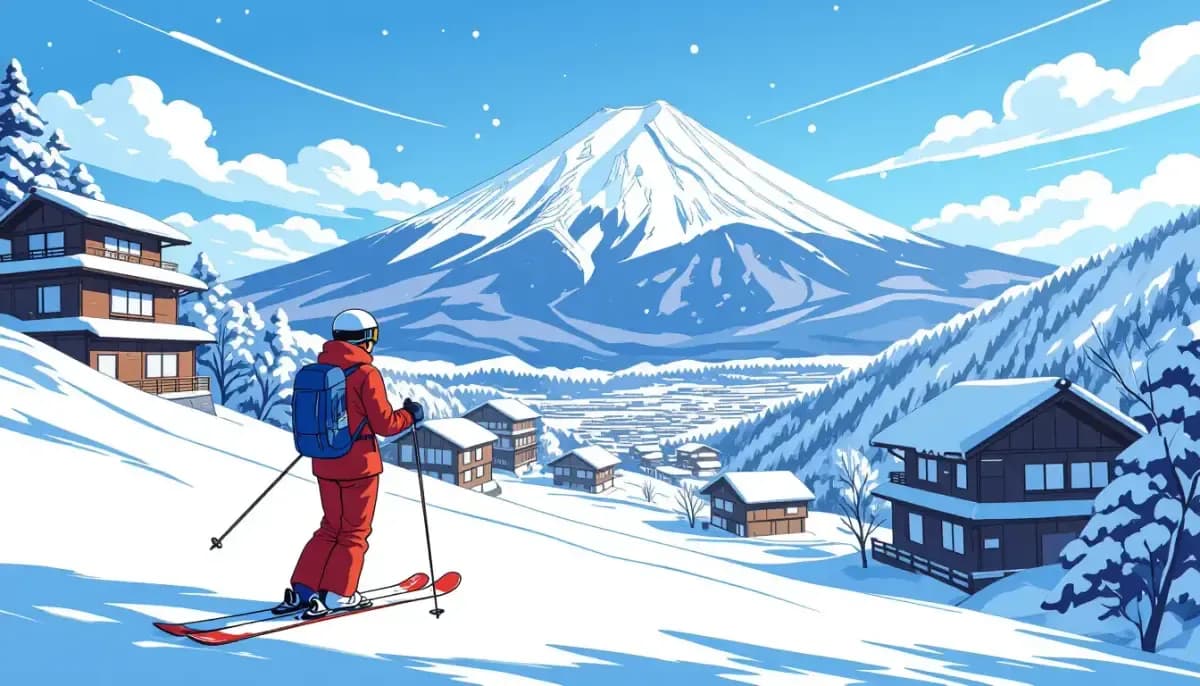
- Winter: Sapporo Snow Festival (February), world-class skiing in Niseko, powdery snow unmatched anywhere in Japan
Fly from Tokyo (Haneda/Narita to New Chitose) in 90 minutes for around ¥8,000–18,000 with budget carriers.
Okinawa
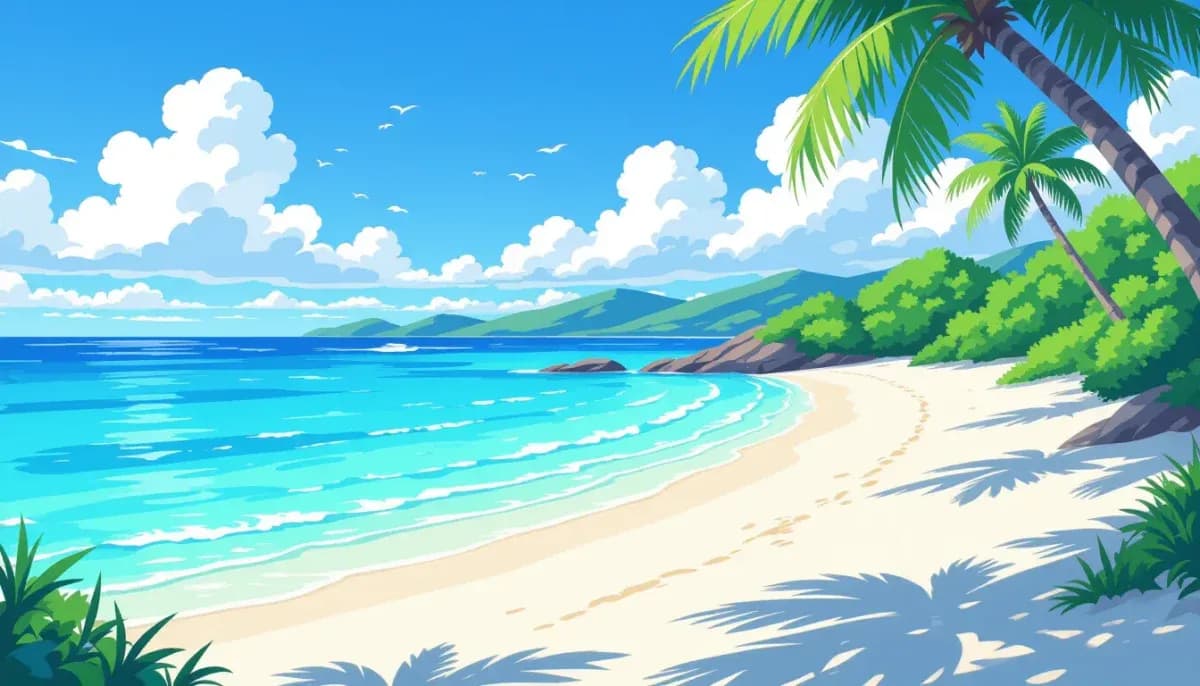
Japan's tropical destination is a world apart from mainland culture. White sand beaches, coral reefs, traditional Ryukyuan architecture, and some of the best snorkeling in Asia. Best visited outside typhoon season (June–September). Peach and Jetstar offer competitive fares, especially if you book 2–3 months ahead.
For more on cultural experiences at festivals and events around Japan, see: The Complete Guide to Japanese Festivals and Traditions.
Practical Tools and Booking Platforms
IC Cards
Your Suica or PASMO card is your travel companion everywhere. It works on virtually all train and bus networks nationwide (after the 2023 network integration), and you can pay at convenience stores, vending machines, and restaurants with it. Top up at any green machine or via the Suica app on your iPhone.
Booking Accommodation
- Rakuten Travel (楽天トラベル): Japan's largest domestic booking platform. Earn Rakuten points, and member sales can bring 20–30% discounts.
- Jalan.net: Strong selection of traditional ryokan and onsen hotels.
- Yahoo Travel: Often has flash sales for last-minute bookings.
- Airbnb: Still active in Japan, though regulations limit options in some areas.
Luggage Delivery (宅急便 / Takkyubin)
One of Japan's travel superpowers: send your heavy suitcases ahead to your next hotel via Yamato Transport (ヤマト運輸) or Sagawa Express. Costs ¥2,000–3,000 for a standard suitcase from Tokyo to Osaka. Drop off at any convenience store or hotel, and it arrives the next morning. This lets you travel light on the shinkansen without lugging heavy bags.
Finding Your Way
- Google Maps: Excellent for Japan, including transit routing
- Jorudan or Hyperdia: More detailed for complex train route planning with exact fares
- Navitime: Strong for bus routes
- Japan Official Travel App (JNTO): Has English support hotlines and offline maps
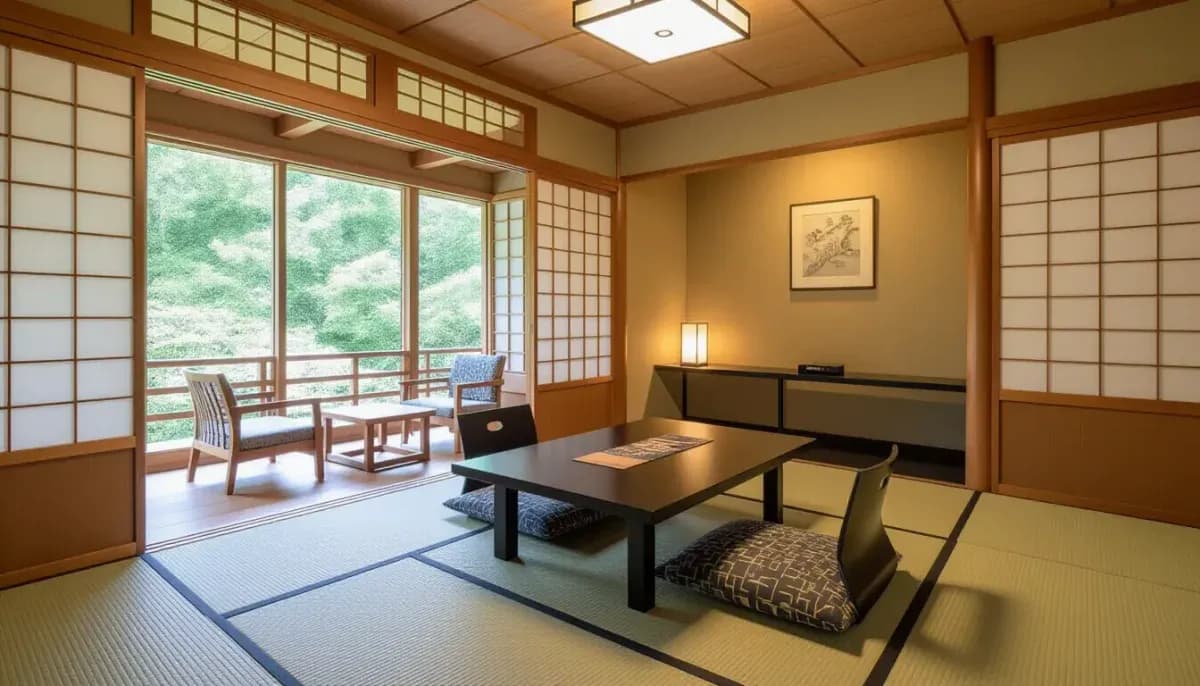
!Traditional Japanese ryokan with tatami rooms and garden view
Accommodation Options for Residents
As a resident, you can access all the same accommodation types as tourists, plus a few extras:
Ryokan (旅館)
Traditional Japanese inns where you sleep on futon, wear yukata (casual kimono), and dine on multi-course kaiseki meals. The experience is deeply Japanese and worth at least one splurge. Prices range from ¥10,000–50,000+ per person per night, usually including dinner and breakfast.
Capsule Hotels
Budget-friendly and increasingly stylish. Great for solo travel when you just need a place to sleep. Many are now gender-separated and have excellent amenities. Expect ¥3,000–5,000 per night in major cities.
Business Hotels
APA Hotel, Toyoko Inn, Dormy Inn — these chains offer clean, compact rooms at ¥6,000–12,000 per night. Very reliable and bookable via their apps with member discounts.
Glamping and Outdoor Stays
Japan has a growing glamping (グランピング) scene, particularly in Yamanashi (near Mt. Fuji), Hokkaido, and Okinawa. Expect ¥15,000–40,000 per site, often including meals and fire pits.
Cultural Etiquette on the Road
Even as a long-term resident, it's easy to make social missteps when traveling. Keep these in mind:
- Trains: No phone calls. Keep your phone on silent. Speak quietly. Priority seats are for elderly, pregnant, and disabled passengers.
- Onsen (Hot Springs): Shower thoroughly before entering the communal bath. Tattoos are still prohibited at many facilities — always check in advance. Bathing suits are generally not permitted in traditional onsen.
- Noise in Accommodations: Japanese inns run quiet. Hallways and common areas are shared spaces — be mindful after 10pm.
- Tipping: Still not practiced in Japan. Do not tip — it can cause confusion or embarrassment.
- Shoes: Ryokan and some restaurants require you to remove your shoes. Bring socks.
For deeper insight into Japanese customs, see: The Complete Guide to Japanese Culture and Etiquette.
Budgeting Your Domestic Trips
Here's a realistic daily budget breakdown for residents traveling domestically:
| Budget Level | Lodging | Meals | Transport | Activities | Daily Total |
|---|
| Budget (capsule/hostel) | ¥3,000–5,000 | ¥2,000–3,000 | ¥1,000–2,000 | ¥500–1,000 | ¥6,500–11,000 |
| Mid-range (business hotel) | ¥7,000–12,000 | ¥4,000–6,000 | ¥3,000–5,000 | ¥2,000–4,000 | ¥16,000–27,000 |
| Comfort (ryokan/boutique) | ¥15,000–30,000 | ¥8,000–15,000 | ¥5,000–10,000 | ¥3,000–8,000 | ¥31,000–63,000 |
For a weekend trip, multiply by 2 nights and add transportation from your home city. A Tokyo-Kyoto weekend trip at mid-range level might look like: ¥27,740 shinkansen round trip + ¥9,000 per night hotel × 2 nights + meals and activities = approximately ¥65,000–80,000 total.
Booking 3–4 weeks in advance, choosing weekdays over weekends, and traveling outside peak seasons can each shave 20–30% off these numbers.
External Resources for Domestic Travel Planning
Planning your next trip? These resources are invaluable:
Emergency Contacts While Traveling
Keep these numbers saved in your phone:
- Police: 110
- Ambulance / Fire: 119
- Japan Visitor Hotline (English/Chinese/Korean, 24/7): 050-3816-2787
- JNTO Travel Info: Available via the Japan Official Travel App
If you're new to Japan and still navigating basic life admin, our foundational guides will help: The Complete Guide to Daily Life in Japan for Foreigners and The Complete Guide to Japan Visa and Immigration.
Living in Japan means having access to one of the world's most rewarding domestic travel networks. From the neon sprawl of Tokyo to the quiet temple gardens of Kyoto, the powder slopes of Niseko to the coral reefs of Okinawa — your residency card is your ticket to explore it all, on your schedule, at your pace. Start planning your next weekend escape today.