
Japan Ryokan Traditional Inn Experience Guide

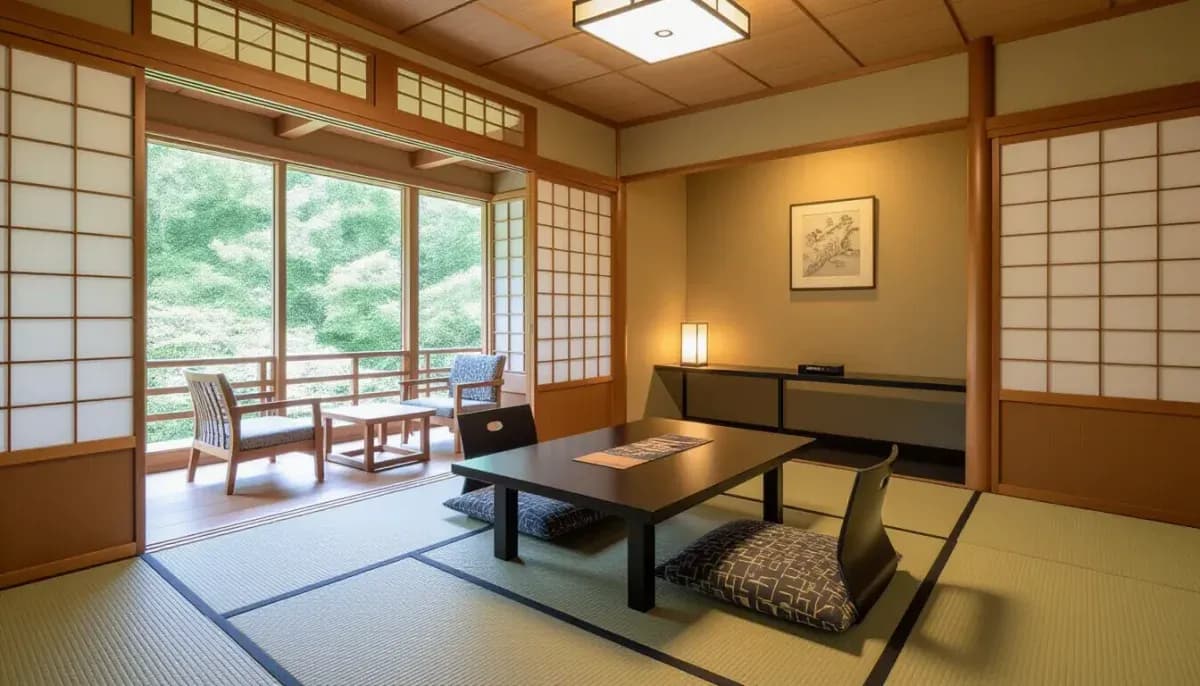
Complete guide to staying at a ryokan in Japan. Learn about types, costs (¥4,000–¥100,000+), etiquette, onsen tips, best regions, and booking advice for foreigners and expats.
Japan Ryokan Traditional Inn Experience Guide for Foreigners
Staying at a ryokan is one of the most memorable experiences Japan has to offer. These traditional Japanese inns have been welcoming travelers since the 8th century, offering a window into authentic Japanese culture that no modern hotel can replicate. From meticulously prepared kaiseki dinners to communal onsen baths, a ryokan stay immerses you completely in Japanese hospitality. This guide covers everything foreigners and residents need to know to enjoy a ryokan stay with confidence.
If you are planning to explore Japan as a resident, our complete guide to domestic travel in Japan has comprehensive tips on getting the most out of your trips around the country.
What Is a Ryokan?
A ryokan (旅館) is a traditional Japanese inn distinguished from regular hotels by its emphasis on Japanese aesthetics, customs, and hospitality. Most ryokan are family-run establishments that have been passed down through generations, and many occupy historic buildings filled with character.
Key features that define a ryokan experience include:
- Tatami-floored rooms: Straw mat floors that give rooms their distinctive texture and smell
- Futon bedding: Sleeping on the floor on a traditional futon mattress laid out by staff
- Yukata robes: Lightweight cotton robes provided for wearing throughout your stay
- Kaiseki cuisine: Multi-course traditional Japanese dinners and breakfasts included in the price
- Communal or private onsen: Hot spring baths that are central to the experience at most ryokan
- Omotenashi service: The Japanese concept of selfless, anticipatory hospitality
Ryokan differ from minshuku (民宿), which are simpler Japanese bed-and-breakfasts with fewer services and a more casual atmosphere. Ryokan generally offer more formal service, better-appointed rooms, and the full kaiseki dining experience.
Types of Ryokan and Price Ranges
Understanding the different categories of ryokan helps you set the right expectations and budget. Prices are always quoted per person and include both dinner and breakfast unless otherwise stated.
| Category | Price Per Person/Night | Features |
|---|---|---|
| Budget | ¥4,000 – ¥15,000 | Basic tatami rooms, shared baths, meals may not be included |
| Mid-Range | ¥15,000 – ¥30,000 | Quality rooms, onsen facilities, full kaiseki meals |
| Luxury | ¥30,000 – ¥100,000+ | Private baths, high-end kaiseki, personalized service |
| Ultra-Luxury | ¥100,000+ | Private villas, exclusive onsen, celebrity-chef cuisine |
The sweet spot for most visitors is the ¥15,000 to ¥30,000 range, which delivers the authentic ryokan experience without astronomical costs. Remember that this price includes two full meals — a kaiseki dinner and traditional breakfast — which adds significant value compared to hotels where dining costs extra.
For context on how ryokan costs fit into your overall Japan budget, see our guide to cost of living in Japan.
The Daily Schedule at a Ryokan
Ryokan operate on a structured schedule that differs significantly from hotels. Knowing what to expect makes the experience much more relaxing.
Check-in (2:00–4:00 PM) Upon arrival, you will be greeted by staff — often including the okami (female innkeeper) — and shown to your room. Staff will explain the facilities, meal times, and onsen etiquette. You will receive your yukata robe and often slippers for wearing around the property.
Dinner (6:00–8:00 PM) Meals are served at a set time you choose during check-in. Dinner can be served either in your room or in a communal dining area depending on the ryokan. Arrive on time — punctuality is taken seriously. Wearing your yukata to dinner is completely appropriate and expected.
Evening Onsen After dinner, guests typically enjoy the onsen baths. Many ryokan have separate baths for men and women, identifiable by the kanji 女 (women) and 男 (men). Some have rotenburo (outdoor baths) that are especially magical in the evening.
Morning Onsen and Breakfast (7:00–8:30 AM) Many guests enjoy an early morning soak before breakfast. Breakfast is a traditional Japanese spread with rice, miso soup, grilled fish, pickles, and egg dishes.
Check-out (10:00–11:00 AM) Check-out is earlier than most hotels. Some ryokan offer shuttle buses to nearby train stations.
Essential Ryokan Etiquette for Foreigners
The formal atmosphere of a ryokan can feel daunting at first, but staff genuinely welcome foreigners and will guide you patiently. Understanding the key etiquette rules in advance helps you relax and enjoy the experience.
Footwear Rules Remove your shoes at the entrance (genkan) and place them in the designated area. You will wear indoor slippers provided by the ryokan throughout most areas. However, slippers must be removed before stepping on tatami — only bare feet or socks should touch the tatami mats. A common mistake is dragging luggage across tatami; always carry your bags.
Wearing the Yukata The yukata provided is for wearing throughout your stay, not just sleeping. Left side over right is the correct way to wear it — right over left is how the deceased are dressed, so avoid this mistake. Tie the obi (sash) in a simple bow at the front for casual wear.
Onsen Bathing
- Shower and wash your body thoroughly before entering the shared bath
- No towels in the bath — small towels can be placed on your head but not dipped in the water
- Tattoos: Many ryokan prohibit guests with visible tattoos from using shared baths. If you have tattoos, check the policy before booking or inquire about private bath options
- Some ryokan have kashikiri buro (private reserved baths) that can be booked by the hour
Noise and Privacy Ryokan walls are thin. Keep voices low after 10 PM and be mindful of other guests. The quiet atmosphere is part of the experience.
No Tipping Tipping is not customary in Japan, including at ryokan. Do not leave cash out for staff. If you feel strongly about showing gratitude, you may place a small amount in an envelope (pochibukuro) and present it personally.
For broader guidance on Japanese customs, our complete guide to Japanese culture and etiquette covers everything from gift-giving to public behavior.
Best Regions for Ryokan Stays in Japan
Japan has outstanding ryokan throughout the country, but certain regions are especially famous for their ryokan culture.
Hakone (Kanagawa) Located 90 minutes from Tokyo by train, Hakone is Japan's most accessible onsen destination. Ryokan here often have views of Mount Fuji and access to sulfurous hot springs. Ideal for a weekend trip from Tokyo.
Kinosaki Onsen (Hyogo) A preserved hot spring town where guests wear yukata and geta sandals to walk between seven public bathhouses. Kinosaki is the quintessential ryokan village experience.
Kyoto and Nara Both cities have excellent ryokan in traditional machiya townhouses and historic buildings. Staying in a ryokan in Kyoto adds to the sense of being transported back in time.
Kusatsu Onsen (Gunma) One of Japan's top-rated hot spring towns, with highly acidic waters famous for therapeutic properties. The yumomi (hot water stirring ceremony) is unique to Kusatsu.
Beppu and Yufuin (Oita, Kyushu) The Oita prefecture has more hot spring sources than anywhere else in the world. Yufuin is a charming village with boutique ryokan; Beppu is known for the "hells" (jigoku) — dramatic, colorful spring pools.
Nikko (Tochigi) A UNESCO World Heritage site with beautiful shrine architecture and excellent ryokan nestled in mountainous forest. Accessible from Tokyo in about 2 hours.
Our transportation guide for Japan covers how to reach these destinations efficiently using shinkansen and local trains.
Booking a Ryokan: Practical Tips for Foreigners
Where to Book
- Jalan and Rakuten Travel: Japan's largest domestic booking platforms with the widest selection; many require a Japanese credit card
- Booking.com and Hotels.com: Good for foreigners, though selection is smaller
- Relux: Curated luxury ryokan platform with English support
- Direct booking: Often gives better rates and allows special requests; try emailing in English — most ryokan have someone who can assist
Foreigner-Friendly Ryokan Look for ryokan with English-language websites, English-speaking staff markers, or "foreigner-friendly" designations. The Japan Ryokan and Hotel Association (ryokan.or.jp) maintains a directory.
What to Confirm Before Booking
- Whether meals are included and any dietary restrictions can be accommodated (vegetarian is usually possible; vegan is difficult)
- Tattoo policy if relevant
- Whether there are private bath options (kashikiri buro)
- Exact check-in and check-out times
Cancellation Policies Japanese ryokan often have strict cancellation policies, particularly for holidays and Golden Week (late April to early May). Some charge 100% cancellation fees within 3 days of arrival. Read policies carefully.
For more on planning seasonal travel, see Living in Nihon for resident perspectives on seasonal events and travel.
What to Pack for a Ryokan Stay
Ryokan provide more than most hotels, so you can pack light. What's typically provided:
- Yukata and obi sash
- Toothbrush and basic toiletries
- Small and large bath towels
- Razor and comb
- Green tea and sweets in the room
What to bring:
- Any specific toiletries or skincare you prefer
- Modesty shorts or small towel if you are shy at onsen
- Earplugs if you are a light sleeper
- Portable Wi-Fi or SIM card (Wi-Fi quality varies)
- Cash — many rural ryokan do not accept credit cards
For advice on navigating Japan's payment systems, For Work in Japan has useful resources on banking and cashless payments for residents.
Ryokan Dining: Kaiseki and Traditional Breakfast
The culinary experience is often the highlight of a ryokan stay. Kaiseki (懐石) is Japan's most refined cuisine — a multi-course meal designed around seasonal ingredients presented with extraordinary care.
A typical kaiseki dinner includes:
- Sakizuke (amuse-bouche)
- Hassun (seasonal plate setting the theme)
- Mukōzuke (sashimi)
- Takiawase (simmered dish)
- Yakimono (grilled dish)
- Shokuji (rice, pickles, miso soup to finish)
- Dessert
The traditional breakfast is equally impressive, typically featuring:
- Steamed white rice
- Miso soup
- Grilled fish (usually salmon or mackerel)
- Tamagoyaki (Japanese rolled omelette)
- Pickled vegetables (tsukemono)
- Tofu and natto (fermented soybeans)
Dietary restrictions: If you are vegetarian, most ryokan can prepare shojin ryori (Buddhist vegetarian cuisine) with advance notice. Vegan and gluten-free options are harder but increasingly available at larger ryokan. Always communicate restrictions at the time of booking.
For those who want to learn more about Japanese food culture, our guide to Japanese food and cooking is an excellent companion resource.
The Onsen Experience at Ryokan
Many of the best ryokan are built around onsen (温泉), Japan's famous geothermal hot springs. There are over 3,000 onsen towns in Japan, each with springs of different mineral compositions and temperatures.
Types of baths you may encounter:
- Uchiyoku (indoor bath): Private or communal indoor baths
- Rotenburo (outdoor bath): Open-air baths, often with forest or mountain views
- Kashikiri buro (reserved bath): Private baths bookable by time slot, ideal for families or those with tattoos
- Kakeyu: Small bath for rinsing before entering the main bath
The minerals in onsen water vary dramatically. Some, like Kusatsu's highly acidic sulfuric springs, are known for skin conditions. Others are iron-rich or sodium bicarbonate springs that leave skin silky smooth. The ryokan staff can explain the specific properties of their water.
For further guidance on hot spring culture and what to expect, Ittenshoku provides detailed information for residents exploring Japan's onsen regions.
Planning Your First Ryokan Visit
For first-timers, a few practical suggestions:
- Start with a mid-range ryokan in Hakone or Kinosaki — both are accessible from major cities and highly foreigner-friendly
- Book at least 2–3 weeks in advance for regular weekends; months in advance for holiday periods
- Go on a weeknight for lower prices and fewer crowds — Thursday or Sunday nights often have discounts
- Try to arrive early to maximize time at the onsen and relax before dinner
- Leave your laptop behind — the experience is meant to be a digital detox
The Japan National Tourism Organization's ryokan guide at japan.travel is a helpful official resource for finding ryokan across Japan, while Japan Guide has detailed region-by-region recommendations.
A ryokan stay — even just one night — can be transformative. The combination of extraordinary food, thermal baths, and the genuine warmth of traditional Japanese hospitality creates memories that last long after you leave Japan. Whether you are a new resident planning your first weekend trip or a long-term expat looking for an authentic cultural experience, a ryokan stay belongs on your Japan bucket list.

Originally from Vietnam, living in Japan for 16+ years. Graduated from Nagoya University, with 11 years of professional experience at Japanese and international companies. Sharing information about living in Japan for foreigners.
View Profile →Related Articles
Best Seasonal Travel Destinations in Japan by Month
A month-by-month guide to the best travel destinations in Japan for foreigners: from snow monkeys in Nagano to cherry blossoms in Kyoto, festivals in Aomori, and autumn colors in Kanazawa.
Read more →
Japan Island Hopping Guide Best Islands to Visit
Discover Japan's 14,125 islands with our complete island hopping guide for foreigners. Best islands, ferry routes, costs, and practical tips for Okinawa, Naoshima, Yakushima and more.
Read more →
Camping in Japan Complete Guide for Foreign Residents
Everything foreign residents need to know about camping in Japan: campsite types, booking tips, rules, top destinations, gear, and etiquette. Start your outdoor adventure in Japan.
Read more →
Budget Travel Tips for Exploring Japan as a Resident
Discover practical budget travel tips for foreign residents in Japan. Learn how to use the Seishun 18 Kippu, find cheap accommodation, eat well on a budget, and save tens of thousands of yen on domestic travel.
Read more →
Hokkaido Travel Guide for Foreign Residents of Japan
A complete Hokkaido travel guide for foreign residents of Japan. Covers transportation, seasonal highlights, top destinations, food, and practical tips for expats visiting Japan's northernmost island.
Read more →
Okinawa Travel Guide for Foreign Residents of Japan
A complete Okinawa travel guide for foreigners living in Japan. Discover beaches, islands, food, culture, and practical tips for visiting Okinawa from the mainland.
Read more →