
Hokkaido Travel Guide for Foreign Residents of Japan

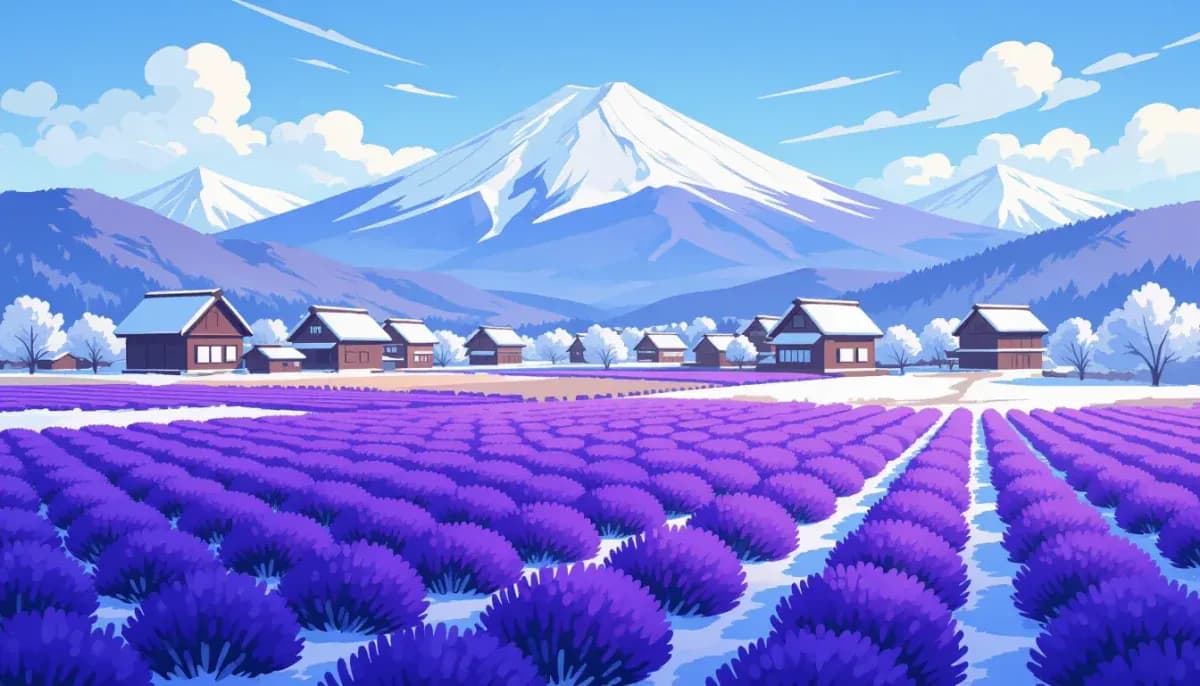
A complete Hokkaido travel guide for foreign residents of Japan. Covers transportation, seasonal highlights, top destinations, food, and practical tips for expats visiting Japan's northernmost island.
Hokkaido Travel Guide for Foreign Residents of Japan
If you're a foreign resident living in Japan, Hokkaido deserves a spot at the top of your travel list. Japan's northernmost island is unlike anywhere else in the country — vast, wild, and extraordinarily rich in food, nature, and culture. Whether you're escaping Tokyo's summer humidity or chasing powder snow in February, Hokkaido delivers experiences that resident foreigners often say rival international travel. This guide covers everything you need to plan a memorable trip from transportation and seasonal highlights to food, cultural experiences, and practical tips for non-Japanese speakers.
!Hokkaido winter landscape with snow-covered mountains and traditional buildings

Why Hokkaido Should Be Your Next Domestic Trip
Hokkaido was ranked #1 for the 17th consecutive year in Japan's Prefectural Attractiveness Rankings in 2025. That's not a coincidence. The island covers approximately 83,454 square kilometers — roughly 2.3 times the size of Taiwan — yet its population is only about 5.09 million people. The result is an island of extraordinary open spaces, pristine wilderness, and a pace of life that feels worlds apart from Tokyo or Osaka.
In 2024, Hokkaido welcomed 8.92 million international visitors, surpassing the pre-pandemic 2019 record by 12%. For foreign residents already based in Japan, you have a significant advantage: proximity, familiarity with Japanese transportation, and the ability to visit during shoulder seasons when prices drop and crowds thin.
The island's four main regions each offer distinct personalities:
| Region | Main Cities | Known For |
|---|---|---|
| Central | Sapporo, Otaru, Furano | Urban culture, canals, lavender fields |
| Southern | Hakodate, Lake Toya, Noboribetsu | Night views, hot springs, history |
| Eastern | Kushiro, Shiretoko | Wetlands, wildlife, remote nature |
| Northern | Asahikawa, Wakkanai | Asahiyama Zoo, drift ice, Rishiri Island |
Getting to Hokkaido: Transportation Options
By Air (Recommended)
The fastest way to reach Hokkaido is by plane to Sapporo New Chitose Airport (CTS), located about 40 minutes south of Sapporo city center by train. Flights from Tokyo take approximately 90 minutes and are frequently available on budget carriers like Peach, Jetstar Japan, and Skymark. ANA and JAL also offer competitive fares, especially when booked well in advance.
Other airports include Hakodate Airport, Asahikawa Airport, and Kushiro Airport — useful if you're targeting specific regions.
By Shinkansen (Via Hakodate)
The Hokkaido Shinkansen connects Tokyo to Shin-Hakodate-Hokuto in approximately 4 hours. From there, you transfer to a limited express train to reach Sapporo in another 3+ hours. While scenic, this option is significantly slower than flying for most itineraries and is primarily useful if you want to include Hakodate on your route.
JR Hokkaido Pass
For those exploring multiple cities by rail, the JR Hokkaido Pass offers unlimited travel on JR Hokkaido lines:
| Pass Duration | Price (2026) |
|---|---|
| 5-day pass | ¥22,000 |
| 7-day pass | ¥28,000 |
| 10-day pass | ¥37,000 |
Important note: As of early 2026, nearly all limited express trains require reserved seating, which reduces spontaneity. The pass is most cost-effective for longer intercity routes — Sapporo to Hakodate or into eastern Hokkaido. For shorter trips centered on Sapporo, individual tickets or highway buses may be cheaper.
Renting a Car
For groups of 3-4 people or anyone venturing into rural areas, renting a car offers unmatched flexibility. Most nationalities need an International Driving Permit (IDP) plus your home country license. Note that Taiwanese drivers instead require an official Japanese translation of their Taiwanese license.
Winter driving tips:
- Studded tires (or "studless snow tires") are standard on all rental cars in winter — make sure they're installed
- Watch for black ice, especially near bridges, tunnel exits, and intersections
- Be alert for Ezo deer and red foxes crossing roads at dawn and dusk
- Use the Hokkaido Expressway Pass (HEP) for unlimited highway use at a fixed fee
For comprehensive guidance on getting around Japan domestically, check the Complete Domestic Travel Guide on Living in Nihon and the Transportation Guide for Foreigners in Japan.
Hokkaido by Season: When to Visit
One of Hokkaido's greatest advantages is that every season offers something genuinely spectacular. Unlike many Japanese destinations that peak in spring cherry blossom season, Hokkaido transforms dramatically throughout the year.
Winter (December – March): Snow, Skiing, and the Snow Festival
Hokkaido's winters are world-famous for good reason. The island receives some of the driest, lightest powder snow on earth — a product of cold Siberian air picking up moisture over the Sea of Japan. Ski resorts at Niseko, Furano, and Rusutsu attract skiers and snowboarders from Australia, Southeast Asia, and Europe specifically for this snow quality.
The Sapporo Snow Festival (typically held in early February) fills Odori Park and Susukino with enormous ice and snow sculptures. Attendance exceeds 2 million visitors annually, so book accommodation 6 months in advance.
For more unusual winter experiences, head to Abashiri or Monbetsu for drift ice cruises across the Sea of Okhotsk — a unique spectacle in Japan. Temperatures regularly fall to -10°C or below; pack proper layering, waterproof boots with strong traction, and hand warmers.
Spring (April – May): Cherry Blossoms and Quiet Roads
Hokkaido's cherry blossoms arrive 3-4 weeks later than Tokyo's, making the island a perfect destination for cherry blossom chasers who missed the mainland peak. Goryokaku Park in Hakodate (a star-shaped fortress) is one of Japan's most photographed blossom spots. Matsumae Castle is another standout.
Spring is also when roads reopen after winter closures, making it a good time for scenic drives without the summer crowds.
Summer (July – August): Lavender and Cool Weather
While most of Japan swelters in 35°C heat and high humidity, Hokkaido enjoys refreshing temperatures of 20-25°C. The contrast is dramatic for residents escaping from Tokyo or Osaka. Furano's lavender fields peak in mid-July, painting the hills in purple — the photographs don't exaggerate how beautiful this looks in person.
Biei's patchwork hills (a short drive from Furano) offer rolling countryside with flower farms. The Furano-Biei area is best explored by rental car or rental bicycle. For outdoor enthusiasts, Daisetsuzan National Park — Japan's largest national park — offers multi-day hiking trails and wild hot springs.
Autumn (September – October): Japan's Earliest Fall Foliage
Hokkaido's mountains turn red and gold weeks ahead of the Japanese mainland, making September and October excellent for foliage viewing without the crowds of November in Kyoto. The Daisetsuzan mountains and Shikotsu-Toya National Park offer outstanding autumn colors.
!Hokkaido autumn foliage in Daisetsuzan National Park

Must-Visit Destinations in Hokkaido
Sapporo
Hokkaido's capital and largest city is the natural base for most visits. The city's grid-based layout makes navigation easy, and the subway system connects major attractions. Key highlights include:
- Odori Park: The city's central green spine, hosting the Snow Festival in winter and beer gardens in summer
- Susukino: One of Japan's largest entertainment districts, excellent for ramen and izakaya dining
- Mount Moiwa: Offers panoramic night views ranked among Japan's "New Top Three Night Views"
- Hokkaido University (Hokudai): A beautiful open campus with ginkgo-lined avenues — free to visit
Otaru
Just 40 minutes from Sapporo, Otaru feels like a different era. The historic canal district lined with converted stone warehouses is particularly atmospheric at night when gas lamps illuminate the water. Otaru is also Japan's top spot for affordable, fresh sea urchin (uni) — try it over rice at one of the seafood market restaurants along Sushi Street.
Hakodate
In Hokkaido's south, Hakodate combines history, food, and one of Japan's most iconic night views. The city was one of Japan's first ports opened to foreign trade in 1859, leaving European-influenced architecture in the Motomachi district. The view from Mount Hakodate at night — the city's distinctive figure-eight shape formed by two bays — is consistently ranked among Japan's best. The Hakodate Morning Market opens at 5am and is an essential stop for incredibly fresh crab, scallops, and squid.
Furano and Biei
The central Hokkaido countryside between Furano and Biei is Hokkaido's most photogenic area. In summer, lavender, sunflowers, and poppies create vivid color bands across rolling hills. In winter, this becomes one of Japan's premier ski destinations. The Farm Tomita lavender farm in Furano is free to visit and most spectacular in mid-July.
Noboribetsu Onsen
For hot spring lovers, Noboribetsu is Hokkaido's premier onsen town. The Jigokudani (Hell Valley) volcanic landscape with steaming fissures and sulfur vents is a dramatic backdrop to the town. Most ryokan offer large communal baths fed by different spring types, including sodium chloride, sulfur, and iron-rich waters — each with different reputed benefits.
Shiretoko Peninsula (UNESCO World Heritage Site)
For the adventurous, Shiretoko is one of Japan's last truly wild places. The peninsula was designated a UNESCO World Heritage Site in 2005 for its extraordinary marine and terrestrial ecosystems. Brown bears, Steller's sea eagles, and Hokkaido deer roam freely. The road through the peninsula closes in winter, making summer and autumn the only viable seasons for visitors.
Food Guide: Eating in Hokkaido
Hokkaido is widely considered Japan's gourmet capital. The island produces over 50% of Japan's milk and butter, catches enormous quantities of premium seafood, and raises livestock on expansive pastures. As a foreign resident, this food culture is one of the most accessible and delicious aspects of any visit.
Seafood Essentials
| Seafood | Best Location | Best Season |
|---|---|---|
| King crab (Tarabagani) | Hakodate, Sapporo | Winter |
| Sea urchin (Uni) | Otaru, Rishiri | Summer |
| Scallops (Hotate) | Saroma Lake area | Year-round |
| Salmon roe (Ikura) | Eastern Hokkaido | Autumn |
| Hairy crab (Kegani) | Sapporo | Spring |
Ramen
Hokkaido has three major ramen styles: Sapporo's rich miso ramen (often topped with butter and corn), Asahikawa's shoyu (soy sauce) ramen with chicken and pork stock, and Hakodate's shio (salt) ramen — the lightest and most delicate of the three. Each city has a "ramen alley" (ramen yokocho) worth seeking out.
Other Must-Try Dishes
- Jingisukan: Grilled lamb and vegetables named after Genghis Khan, cooked on a distinctive domed iron griddle
- Zangi: Hokkaido's version of fried chicken, marinated in soy-based sauce and served crispy
- Soup Curry: A Sapporo invention — a light, spiced broth with large vegetable and meat pieces, unlike thick Japanese curry
- Soft-serve ice cream: Hokkaido dairy is exceptionally rich; try flavors like melon, lavender, and fresh milk
Sweets and Souvenirs
The most famous Hokkaido souvenirs are food-based: Shiroi Koibito butter cookies, Rokkatei Marusei Butter Sandwich, and Royce' Nama Chocolate are all widely available at airports and major stations. Buy them last — the chocolate has a short shelf life.
Practical Tips for Foreign Residents
Language
While Japanese is essential in rural areas, Hokkaido's major tourist destinations have reasonable English signage and support. Sapporo and Niseko have particularly strong English infrastructure due to international visitor numbers. Downloading Google Translate with Japanese offline capability is always wise. Hokkaido also has its own regional dialect (Hokkaido-ben) — locals might say "namara" (meaning "very") instead of standard Japanese.
Money and Payments
Major cities operate with nearly cashless infrastructure — IC cards (Suica, ICOCA), credit cards, and QR payments are widely accepted at convenience stores, department stores, and taxis. However, rural areas, family-run restaurants, onsen inns, and traditional shops often remain cash-only. A good strategy: maintain approximately 30,000-50,000 yen in cash as a buffer, especially if venturing outside Sapporo.
For guidance on Japanese banking and payment systems, see the Banking and Finance Guide for Foreigners in Japan.
Medical Preparedness
Hokkaido's remote wilderness areas are far from major hospitals. Travel insurance covering medical evacuation is worth considering for activities like backcountry skiing or hiking in Shiretoko. In Sapporo and major cities, hospitals with English-speaking staff exist, though availability can vary. For comprehensive healthcare guidance, see the Healthcare Guide for Foreigners in Japan.
Cultural Experience: Ainu Heritage
The Upopoy National Ainu Museum and Symbolic Space in Shiraoi (opened 2020) is Japan's first national museum dedicated to the Ainu indigenous people of Hokkaido. The museum features traditional performances, embroidery workshops, and authentic Ainu cuisine. The Ainu people inhabited Hokkaido long before Japanese settlement, and this cultural site offers a perspective on Japanese history rarely covered in mainstream tourism. Admission is ¥1,200 for adults.
For broader cultural understanding as a foreign resident, the Japanese Culture and Etiquette Guide offers helpful context.
Accommodation Options
Hokkaido offers the full spectrum from budget guesthouses to luxury ryokan:
- Ryokan with onsen: The definitive Hokkaido experience, particularly in Noboribetsu, Jozankei, and Toya. Expect yukata robes, multi-course kaiseki dinners, and morning breakfasts
- Ski lodge accommodations in Niseko: Range from Japanese guesthouses to international luxury hotels; book 6+ months ahead for peak ski season (January-February)
- Business hotels in Sapporo: Economical, practical, often excellent breakfast buffets; good base for day trips
- Minshuku (family-run guesthouses): Cheaper than ryokan with home-cooked meals; great for authentic local interaction
Resources for Living in and Exploring Japan
As a foreign resident planning domestic travel, several resources are particularly helpful:
- Living in Nihon's Complete Domestic Travel Guide — practical guidance on planning trips within Japan as a foreign resident
- For Work in Japan: Housing and Living Infrastructure Guide — useful context for understanding regional life in Japan
- Ittenshoku IT Career Resources — for foreign tech workers considering relocation to Hokkaido's growing tech sector
- Japan Highlights Hokkaido Guide — detailed attraction information
- Live Japan Hokkaido Travel Guide — up-to-date transportation and food information
For your broader life in Japan, the Complete Guide to Daily Life in Japan for Foreigners covers essential context that complements domestic travel planning.
Sample Itineraries by Duration
3-Day Sapporo Focus
- Day 1: Arrive New Chitose, check in Sapporo, explore Odori Park, Susukino ramen dinner
- Day 2: Day trip to Otaru (canal, seafood, glasswork studios), return for Sapporo beer experience
- Day 3: Morning at Hokkaido University campus, afternoon Moerenuma Park, Mount Moiwa night view
5-Day Central Hokkaido
- Day 1-2: Sapporo and Otaru
- Day 3: Drive to Furano, Farm Tomita (July) or ski slopes (winter)
- Day 4: Biei scenic road, Patchwork Hills, Blue Pond (Shirogane)
- Day 5: Return via Asahikawa, Asahiyama Zoo
7-Day Complete Hokkaido
- Days 1-2: Hakodate (morning market, Mount Hakodate night view, Goryokaku)
- Day 3: Noboribetsu onsen (Jigokudani, ryokan experience)
- Days 4-5: Sapporo and Otaru
- Days 6-7: Furano and Biei (summer) or Niseko skiing (winter)
Final Thoughts
Hokkaido rewards any foreign resident willing to make the journey. Unlike overseas travel requiring visa planning and long flights, Hokkaido is accessible, affordable with smart planning, and packed with experiences that most visitors — even long-term Japan residents — haven't fully explored. The combination of world-class food, dramatic natural scenery across all four seasons, genuine cultural depth in Ainu heritage, and uncrowded spaces makes it a destination you'll return to multiple times.
Whether you're traveling as a couple, with a family, or solo with a rental car and no fixed itinerary, Hokkaido consistently delivers. Plan one season at a time — you'll want to come back for the others.

Originally from Vietnam, living in Japan for 16+ years. Graduated from Nagoya University, with 11 years of professional experience at Japanese and international companies. Sharing information about living in Japan for foreigners.
View Profile →Related Articles
Best Seasonal Travel Destinations in Japan by Month
A month-by-month guide to the best travel destinations in Japan for foreigners: from snow monkeys in Nagano to cherry blossoms in Kyoto, festivals in Aomori, and autumn colors in Kanazawa.
Read more →
Japan Island Hopping Guide Best Islands to Visit
Discover Japan's 14,125 islands with our complete island hopping guide for foreigners. Best islands, ferry routes, costs, and practical tips for Okinawa, Naoshima, Yakushima and more.
Read more →
Camping in Japan Complete Guide for Foreign Residents
Everything foreign residents need to know about camping in Japan: campsite types, booking tips, rules, top destinations, gear, and etiquette. Start your outdoor adventure in Japan.
Read more →
Budget Travel Tips for Exploring Japan as a Resident
Discover practical budget travel tips for foreign residents in Japan. Learn how to use the Seishun 18 Kippu, find cheap accommodation, eat well on a budget, and save tens of thousands of yen on domestic travel.
Read more →
Okinawa Travel Guide for Foreign Residents of Japan
A complete Okinawa travel guide for foreigners living in Japan. Discover beaches, islands, food, culture, and practical tips for visiting Okinawa from the mainland.
Read more →
Best Day Trips from Osaka for Residents
Complete guide to the best day trips from Osaka for foreign residents. Discover Kyoto, Nara, Kobe, Himeji, and hidden gems with transport tips, costs, and seasonal advice.
Read more →