
Budget Travel Tips for Exploring Japan as a Resident

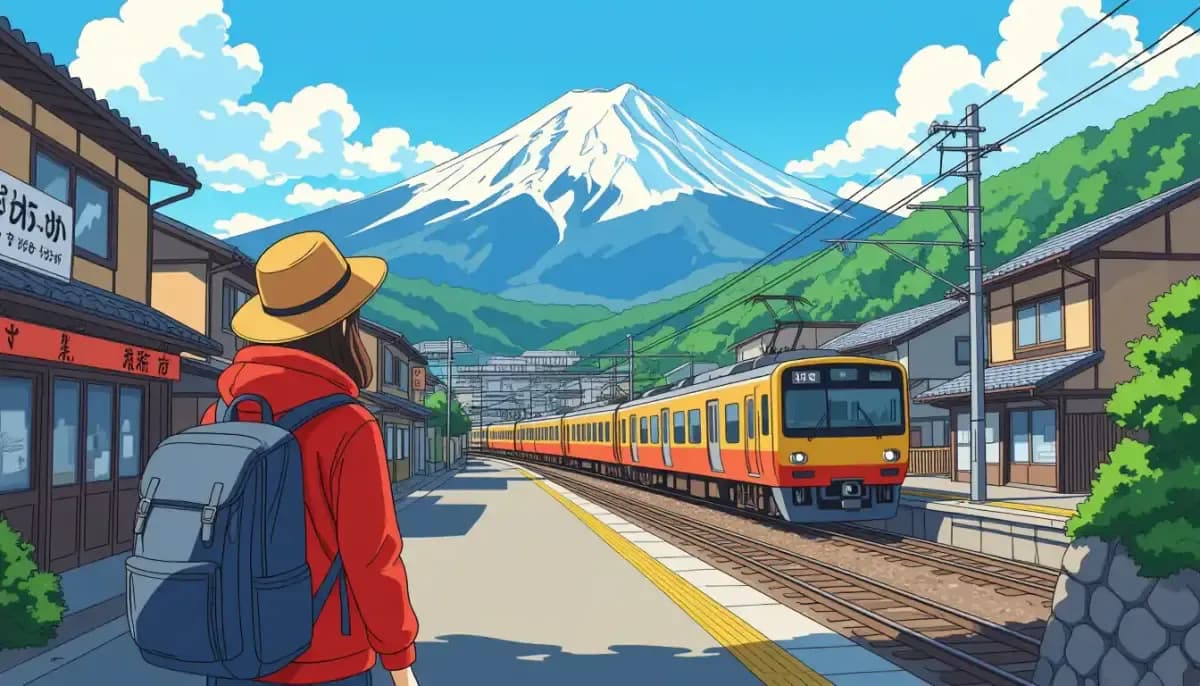
Discover practical budget travel tips for foreign residents in Japan. Learn how to use the Seishun 18 Kippu, find cheap accommodation, eat well on a budget, and save tens of thousands of yen on domestic travel.
Budget Travel Tips for Exploring Japan as a Resident
Living in Japan gives you a major advantage over tourists: you know the seasons, understand the transport systems, and have time to plan trips far in advance. Yet many foreign residents still end up spending tourist-level money on domestic travel. With the right strategies, you can explore Japan's mountains, coastlines, historic towns, and hidden countryside for a fraction of typical tourist costs.
This guide covers practical budget travel tips specifically for foreign residents in Japan — from leveraging resident-only passes to finding accommodation deals that tourists rarely discover.
Why Residents Have a Budget Advantage
As a resident of Japan, you have access to tools and options that visiting tourists simply cannot use. You can buy the Seishun 18 Kippu (青春18きっぷ), a legendary budget rail ticket available only during certain seasons. You can accumulate loyalty points on IC cards and credit cards. You can plan trips during off-peak periods without worrying about limited vacation windows.
Unlike tourists rushing through a two-week itinerary, you can take a single overnight trip on a budget bus, visit one region deeply, and come back next month for another. This slow travel approach is both cheaper and more rewarding.
For a broader overview of getting around Japan, see our Complete Guide to Transportation in Japan.
The Seishun 18 Kippu: Japan's Best-Kept Budget Secret
The Seishun 18 Kippu (青春18きっぷ) is one of the best travel deals in Japan — and it's available to everyone, including foreign residents of any age (despite the "18" in the name).
What it is: Five individual one-day passes for unlimited travel on JR local and rapid trains across Japan, valid during specific seasonal windows (spring, summer, winter).
Cost: Approximately ¥12,050 for all five passes (roughly ¥2,410 per day).
What's covered: All local and rapid JR trains nationwide. Not covered: Shinkansen, limited express trains, private railway lines.
How to use it: Each stamp covers a full calendar day of travel. You can use all five stamps yourself, or share with travel companions on the same day.
Best routes using the 18 Kippu:
- Tokyo → Kyoto via local trains (a full day trip for ¥2,410 instead of ¥14,000+ by Shinkansen)
- Osaka → Hiroshima along the Sanyo Line
- Tokyo → Nagano or Matsumoto via scenic mountain routes
Sale periods:
- Spring: late February to late March (travel valid through April)
- Summer: late July to late August (travel valid through September)
- Winter: late November to late December (travel valid through January)
This ticket alone can save you tens of thousands of yen per year if you travel regularly.
Smart Transportation Strategies for Residents
Transportation is often the biggest expense in domestic travel. Here's how residents can minimize these costs:
Night Buses (Yasukō Bus / Highway Bus)
Long-distance highway buses are one of the cheapest ways to travel between major cities. Companies like Willer Express and JR Bus offer routes starting at ¥3,500 one way from Tokyo to Kyoto or Osaka — about a quarter of the Shinkansen price.
Night buses are especially economical: you travel overnight, saving both transportation and accommodation costs simultaneously. A round trip Tokyo-Osaka by night bus can cost as little as ¥7,000-¥10,000 total.
Book in advance through apps like Kosokubus.com or the Willer Express website for the best fares.
Regional Rail Passes (Better Value Than National JR Pass)
The national JR Pass now costs USD 374 for 7 days — not always worth it for domestic travel unless you're doing extensive long-distance journeys. Regional passes offer better value for shorter trips:
| Pass | Price | Duration | Best For |
|---|---|---|---|
| JR East Tohoku Pass | ~¥30,000 | 5 days | Northern Honshu, Tohoku |
| JR Kyushu Pass | ~¥20,000 | 3 days | All of Kyushu island |
| JR West Sanyo Area Pass | ~¥11,000 | 4 days | Hiroshima, Okayama, San'in |
| JR Hokkaido Pass | ~¥22,000 | 5 days | All of Hokkaido |
| Seishun 18 Kippu | ¥12,050 | 5 days | Local trains nationwide |
Note: Foreign residents holding a foreign passport are eligible for most of these passes. Check individual pass eligibility, as some are tourist-only.
IC Card Points and Commuter Pass Tricks
If you have a commuter pass (通勤定期), you're already paying for a section of rail. Use your commuter route as the starting point for weekend trips to cut transportation costs at both ends of your journey.
Many IC cards also offer loyalty programs — using Suica or PASMO for regular shopping and transport earns points that can offset travel costs over time.
Budget Accommodation Options for Residents
Hostels
Japan's hostel scene has expanded dramatically, with quality design hostels operating even in rural towns and small cities. Dorm beds typically cost ¥2,500–¥4,500 per night, and many hostels offer private rooms at competitive prices.
Unlike hotel rooms, hostels often include common kitchens, saving you money on meals. They're also excellent for meeting other foreign residents and getting local travel tips.
Capsule Hotels
Capsule hotels offer private sleeping pods for around ¥3,000–¥5,000 per night — often in premium locations near train stations in major cities. Modern capsule hotels include high-quality facilities, communal baths or saunas, and sometimes rooftop areas.
Best cities for capsule hotels: Tokyo (Shinjuku, Asakusa), Osaka (Dotonbori, Namba), Kyoto (near Kyoto Station).
Manga Kissa / Net Cafes
For overnight stays in a pinch, manga kissa (manga cafes / internet cafes) offer private booths from ¥1,500–¥3,000 for an overnight package (typically 6-8 hours). You get a reclining chair, free drinks, manga, and internet access. Not glamorous, but functional for early morning departures or late arrivals.
Camping
Japan has thousands of well-maintained campgrounds, many in stunning natural locations. Costs range from free (野営地 / free campsites) to ¥500–¥2,000 per person at managed sites. A basic tent and sleeping bag are worthwhile investments if you plan to travel frequently.
Many of Japan's most beautiful natural areas — Hokkaido, the Japan Alps, Shikoku's coast — are best experienced while camping.
For more on managing your finances in Japan, check our Guide to Banking and Finance in Japan for Foreigners.
Eating on a Budget While Traveling
Food in Japan is excellent value compared to Western countries, but costs can add up quickly at restaurants. Here's how to eat well for less:
Convenience Store Meals
Japanese convenience stores (7-Eleven, FamilyMart, Lawson) sell freshly prepared meals throughout the day. A full bento box runs ¥400–¥600, onigiri costs ¥120–¥180, and prepared sushi sets go for ¥300–¥500. This is genuinely good food, not a compromise.
Supermarket Evening Discounts
By 6-8pm, most Japanese supermarkets mark down prepared food by 30-50% with yellow or red discount stickers (値引きシール). Sushi, bento, and side dishes become excellent value. Budget roughly ¥600–¥800 per person for a full supermarket dinner with these discounts.
Standing Bars and Local Izakayas
Tachinomi (standing bars) and local izakayas in non-tourist areas offer dramatically lower prices than establishments in tourist districts. A beer and a few small dishes can cost ¥800–¥1,500 per person in a local izakaya versus ¥2,000–¥4,000 in a tourist-facing venue.
Set Lunch Menus (日替わりランチ)
Almost every restaurant in Japan offers a discounted lunch set (日替わり定食) during lunch hours (typically 11am–2pm). The same meal that costs ¥1,500–¥2,500 for dinner may cost ¥800–¥1,200 at lunch.
Timing Your Trips to Avoid Peak Prices
Travel costs in Japan vary dramatically by season. As a resident, you have the flexibility to choose when you travel — use it.
Most expensive periods (avoid if budget-conscious):
- Golden Week (late April to early May)
- Obon (mid-August)
- Year-end and New Year (late December to early January)
- Cherry blossom peak (late March to early April in major cities)
Best budget travel periods:
- November to early December (autumn foliage, lower accommodation prices)
- Mid-January to late February (winter, significant discounts on accommodation)
- Early June (just before rainy season, fewer tourists, lower prices)
- September (post-Obon, before autumn foliage peak)
Traveling mid-week (Tuesday to Thursday) also offers better accommodation prices than weekends in most cities.
For information on Japanese festivals and how they affect travel timing, see our Complete Guide to Japanese Festivals and Traditions.
Budget Travel Apps and Booking Platforms for Residents
Using the right tools makes a significant difference when booking budget travel in Japan:
- Jaran (じゃらん): Japan-based accommodation booking with frequent resident-targeting deals and loyalty points
- Rakuten Travel: If you have a Rakuten account (common for residents), you can earn and spend Rakuten points on hotels
- Yahoo! Travel: Often has flash sales and last-minute deals on Japanese hotels
- Kosokubus.com: Aggregates highway bus fares from multiple operators
- Willer Express: Direct booking for affordable long-distance buses
- Booking.com / Hostelworld: Useful for hostels and international-style budget hotels
As a resident, creating accounts on Japanese platforms like Jaran and Rakuten Travel gives you access to loyalty programs and member-only discounts that tourists rarely benefit from.
Sample Budget Travel Itinerary: Tokyo to Kyoto Weekend Trip
To illustrate how these tips work in practice, here's a sample budget weekend trip from Tokyo to Kyoto:
| Item | Budget Option | Cost |
|---|---|---|
| Transportation (night bus, round trip) | Willer Express night bus | ¥8,000 |
| Accommodation (2 nights) | Hostel dorm bed × 2 | ¥6,000 |
| Food (2 days) | Convenience store + supermarket + 1 lunch set | ¥4,000 |
| Activities | Nishiki Market, Fushimi Inari (free), Arashiyama (free) | ¥1,000 |
| Total | ~¥19,000 |
Compare this to a standard tourist approach (Shinkansen round trip ¥28,000 + business hotel ¥20,000 + restaurants ¥8,000) at roughly ¥56,000 — the budget approach saves over ¥37,000 for the same destination.
Additional Resources for Budget Travel in Japan
For comprehensive guidance on domestic travel options across Japan, Living in Nihon's Domestic Travel Guide provides detailed information for foreign residents navigating Japan's transportation and accommodation systems.
If you're balancing travel with work in Japan, For Work in Japan offers resources on managing work-life balance and maximizing your time off.
For career-focused residents looking to travel during extended leave, Ittenshoku covers career transitions that might give you more flexibility for domestic exploration.
Additional reading:
Final Tips: A Resident's Mindset for Budget Travel
The biggest advantage you have as a resident isn't any single deal or pass — it's time and local knowledge. You can:
- Wait for sales and off-peak windows instead of booking reactively
- Build relationships with accommodation owners for repeat discounts
- Use Japanese-language booking platforms for resident-focused deals
- Combine weekend trips with commuter pass routes for minimal transport cost
- Gradually build camping gear or other equipment that makes self-sufficient travel cheaper over time
Japan rewards patient, strategic travelers. As a resident, you're perfectly positioned to travel more, spend less, and experience the country far more deeply than any two-week tourist ever could.
For more on the cost of living and financial planning in Japan, see our Complete Guide to Cost of Living in Japan.

Originally from Vietnam, living in Japan for 16+ years. Graduated from Nagoya University, with 11 years of professional experience at Japanese and international companies. Sharing information about living in Japan for foreigners.
View Profile →Related Articles
Best Seasonal Travel Destinations in Japan by Month
A month-by-month guide to the best travel destinations in Japan for foreigners: from snow monkeys in Nagano to cherry blossoms in Kyoto, festivals in Aomori, and autumn colors in Kanazawa.
Read more →
Japan Island Hopping Guide Best Islands to Visit
Discover Japan's 14,125 islands with our complete island hopping guide for foreigners. Best islands, ferry routes, costs, and practical tips for Okinawa, Naoshima, Yakushima and more.
Read more →
Camping in Japan Complete Guide for Foreign Residents
Everything foreign residents need to know about camping in Japan: campsite types, booking tips, rules, top destinations, gear, and etiquette. Start your outdoor adventure in Japan.
Read more →
Hokkaido Travel Guide for Foreign Residents of Japan
A complete Hokkaido travel guide for foreign residents of Japan. Covers transportation, seasonal highlights, top destinations, food, and practical tips for expats visiting Japan's northernmost island.
Read more →
Okinawa Travel Guide for Foreign Residents of Japan
A complete Okinawa travel guide for foreigners living in Japan. Discover beaches, islands, food, culture, and practical tips for visiting Okinawa from the mainland.
Read more →
Best Day Trips from Osaka for Residents
Complete guide to the best day trips from Osaka for foreign residents. Discover Kyoto, Nara, Kobe, Himeji, and hidden gems with transport tips, costs, and seasonal advice.
Read more →