
Best Day Trips from Osaka for Residents

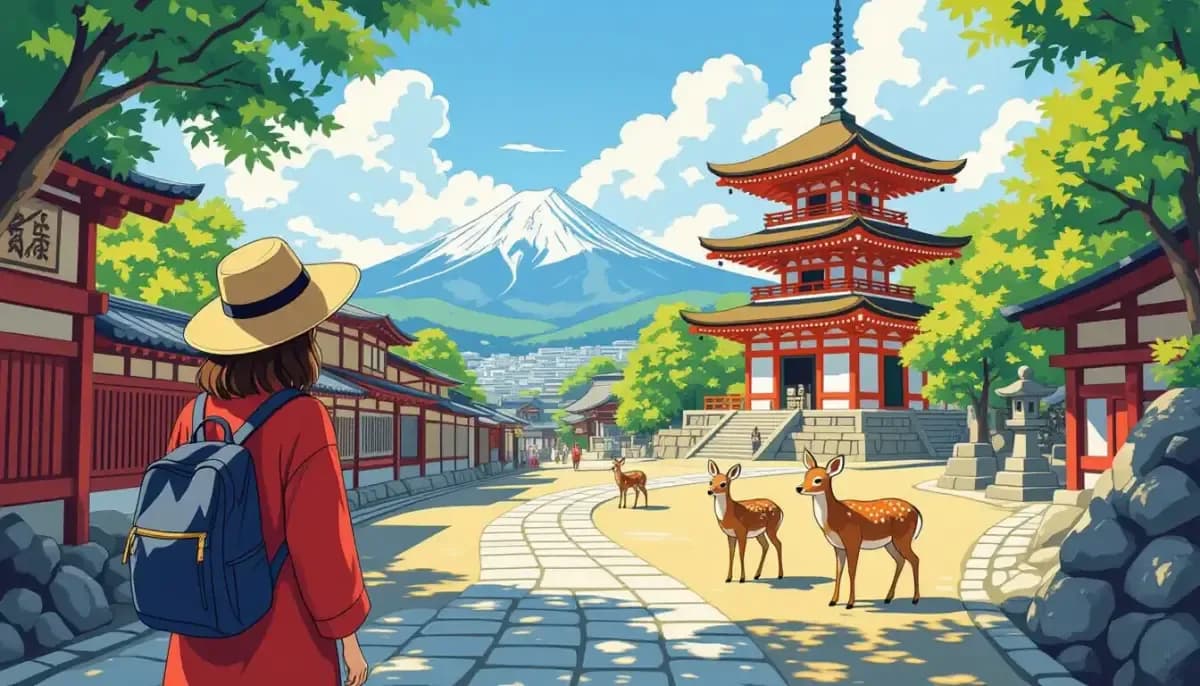
Complete guide to the best day trips from Osaka for foreign residents. Discover Kyoto, Nara, Kobe, Himeji, and hidden gems with transport tips, costs, and seasonal advice.
Best Day Trips from Osaka for Residents: Your Complete Kansai Exploration Guide
Living in Osaka puts you at the heart of one of Japan's most exciting regions. The Kansai area is packed with world-class destinations just a short train ride away, making it perfect for weekend adventures. Whether you're a newcomer still exploring Japan or a long-term resident looking to rediscover familiar ground, this guide covers the best day trips from Osaka for residents — from iconic must-visits to hidden local gems.
One of the great joys of living in Osaka is the freedom to explore on your terms. Unlike tourists on tight schedules, you can pick quiet weekdays, avoid peak seasons, and return to your favorites as many times as you like. Let's dive into the best destinations and how to get there efficiently.

Classic Day Trips: The Kansai Essentials
These are the destinations every Osaka resident should experience at least once — and often return to many times.
Kyoto (京都) — Japan's Cultural Heart
Travel time: 15 minutes via Shinkansen from Shin-Osaka, or 25–30 minutes by JR Special Rapid Service Best for: Temples, geisha culture, traditional crafts
Kyoto is practically Osaka's neighbor, and the sheer density of cultural experiences here makes it worth visiting again and again. With over 1,600 Buddhist temples and 400 Shinto shrines — including 17 UNESCO World Heritage Sites — you'll never run out of new corners to explore.
Don't miss:
- Fushimi Inari Taisha — Start hiking early (before 8am) to enjoy the vermilion torii gates in peace before crowds arrive
- Arashiyama Bamboo Grove — Similarly, go early or on weekday mornings
- Gion District — Evening strolls for a chance to spot maiko (apprentice geisha)
- Kinkaku-ji (Golden Pavilion) — One of Japan's most iconic sights
As a resident, you have the luxury of visiting in off-peak times. Spring (late March–April) and autumn (November) are stunning but crowded. Winter and early summer offer a quieter Kyoto experience.
For navigating Japan by train, see our Japan Train System Complete Guide for Beginners.
Nara (奈良) — Ancient Capital with Friendly Deer
Travel time: 35–50 minutes from Osaka (JR Yamatoji Line or Kintetsu Nara Line) Best for: History, nature, UNESCO heritage sites
Nara holds a special place in Japanese history as the country's first permanent capital. Today, it's famous for more than 1,000 free-roaming deer that wander through the 660-hectare Nara City Park — and they've been doing so since ancient times, considered sacred messengers of the gods.
Key attractions:
- Tōdai-ji Temple — Houses the Great Buddha (Daibutsu), completed in 752 AD and one of Japan's most awe-inspiring sights
- Kasuga Taisha Shrine — UNESCO-listed shrine famous for hundreds of stone and bronze lanterns
- Isuien Garden — A stunning traditional garden often overlooked by tourists
- Yoshikien Garden — Free for foreign residents and tourists (though a fee for Japanese visitors)
Pro tip: Buy shika senbei (deer crackers) to feed the deer, but keep your bags closed — the deer are surprisingly nimble at snatching food and belongings!
Kobe (神戸) — Cosmopolitan Port City
Travel time: 20–30 minutes by JR Special Rapid from Osaka-Namba or Osaka station Best for: Food, harbor views, sake culture
Kobe has a uniquely cosmopolitan feel, shaped by centuries of international trade. It's one of Japan's most sophisticated cities with an excellent food scene, charming European-influenced architecture, and a beautiful harbor.
Top experiences:
- Kobe Beef — Try the city's world-famous beef in a proper teppanyaki or shabu-shabu restaurant
- Kitano-cho (Ijinkan) District — Preserved Western-style residences from the Meiji era
- Hakutsuru Sake Brewery Museum — Free admission, learn about Japan's sake-brewing heritage
- Mt. Rokko — Panoramic city and harbor views, especially spectacular at night
- Arima Onsen — One of Japan's oldest hot spring resorts, tucked into the mountains behind Kobe
Cultural & Historical Day Trips
Himeji (姫路) — Home of Japan's Most Beautiful Castle
Travel time: 50–60 minutes from Shin-Osaka via Shinkansen, or ~1.5 hours by JR Special Rapid Best for: Japanese castle history, architecture
Himeji Castle is widely considered Japan's most beautiful castle and is a UNESCO World Heritage Site. Built in its current form in the early 17th century, its elegant white walls earned it the nickname "White Heron Castle" (Shirasagi-jo). Remarkably, it survived both WWII bombing and the 1995 Hanshin earthquake, and underwent a major restoration from 2010 to 2015.
The castle grounds include the Koko-en Garden, a series of nine interconnected Edo-period style gardens — perfect for a leisurely stroll after exploring the castle.
Practical note: The castle is a 15-minute walk from Himeji Station, and the main keep itself can have long queues. Arrive early (opens at 9am) on weekdays if possible.
Uji (宇治) — Japan's Matcha Capital
Travel time: ~1 hour from Osaka via JR Kyoto Line to Kyoto, then JR Nara Line Best for: Green tea culture, peaceful temples, literary history
Uji is a small town south of Kyoto with an outsized reputation for two things: superb matcha green tea and important cultural heritage. It's far less crowded than Kyoto and has a relaxed, local atmosphere.
Highlights:
- Byōdō-in Temple — Founded in 1053, its Phoenix Hall is so iconic it appears on the 10-yen coin. UNESCO World Heritage Site
- Ujigami Shrine — Japan's oldest surviving shrine building (completed before 1060)
- Matcha experiences — Browse riverside tea houses offering traditional matcha ceremonies and try matcha sweets (parfaits, ice cream, mochi)
- Uji River Walk — Scenic walking path along the river
Fun fact: Uji is the setting for the final ten chapters of "The Tale of Genji," considered the world's oldest novel, written in the 11th century.
Spiritual & Nature Escapes
Koyasan (高野山) — Sacred Mountain Monastery
Travel time: ~2 hours from Osaka Namba via Nankai Railway to Gokurakubashi, then cable car Best for: Spiritual experience, Buddhism, mountain scenery
Koyasan (Mount Koya) is one of Japan's most sacred sites and the headquarters of Shingon Buddhism, founded by the monk Kobo Daishi in 816 AD. Sitting at 800 meters elevation, it's a dramatically different world from the urban sprawl below.
Must-experience:
- Oku-no-in Cemetery — Walk a moss-covered path through towering cedar trees past over 200,000 tombs of historical figures, samurai, and famous corporations
- Danjo Garan — The main temple complex with multiple impressive halls and pagodas
- Kongobu-ji Temple — The main monastery with beautiful rock gardens
- Shukubo (Temple stay) — Consider an overnight stay in a temple lodging for the full spiritual experience, including shojin ryori (Buddhist vegetarian cuisine) and morning prayers
Koyasan is particularly magical in autumn when the forests turn red and gold, and in winter when snow covers the cemetery.
Minoh (箕面) — Natural Escape Near Osaka
Travel time: 25 minutes from Osaka-umeda via Hankyu Minoh Line Best for: Nature walk, waterfall, autumn leaves
Sometimes you don't want to travel far — you just want to escape into nature. Minoh Waterfall Park offers exactly that: a manageable 3km paved trail through a forested valley leading to the magnificent Minoh Falls (33 meters high), all within Osaka's oldest national park area.
The trail is accessible year-round, but autumn is particularly spectacular when the maple trees turn vivid shades of red and orange. Local stalls along the path sell momiji tempura (deep-fried maple leaves) — a uniquely Osaka snack.
Hidden Gems for Residents
Omihachiman (近江八幡) — Merchant Town Beauty
Travel time: ~1 hour from Osaka via JR Biwako Line Best for: Quiet history, canal boat rides, Lake Biwa views
One of the best-kept secrets in the Kansai region, Omihachiman was a prosperous merchant town in the Edo period. It's virtually unknown to international tourists, making it a perfect escape for residents tired of crowded sites.
Highlights:
- Omihachiman Moat Canal — Take a traditional boat cruise through canals lined with old merchant houses
- Hachimanyama Ropeway — Ride to the summit of Mt. Hachiman for stunning views over Lake Biwa, Japan's largest lake
- Jorakuin Garden — A peaceful traditional Japanese garden
Spring brings cherry blossoms over the canals; autumn brings colorful foliage.
Kurashiki Bikan Historical Quarter (倉敷美観地区)
Travel time: ~1.5 hours from Osaka via JR Sanyo Shinkansen to Okayama, then 15 minutes by local JR train Best for: Edo-period architecture, art museums, canal atmosphere
Though technically outside Kansai (it's in Okayama Prefecture), Kurashiki is well worth the slightly longer trip. The Bikan Historical Quarter is a remarkably preserved Edo-period district built around canals, with distinctive white-walled kura (storehouses) converted into museums, shops, and cafes.
Key attractions:
- Ohara Museum of Art — Japan's first private Western art museum with works by El Greco, Monet, and Picasso
- Kurashiki Ivy Square — Former cotton mill converted into a European-style plaza
- Canal boat rides — Leisurely tours through the historic quarter
Transportation Guide for Osaka Residents
Getting around on day trips is easy once you understand the options. Here's a practical breakdown:
| Destination | Fastest Route | Travel Time | Approximate Cost (one way) |
|---|---|---|---|
| Kyoto | JR Special Rapid (Osaka St.) | 25–30 min | ¥580 |
| Nara | Kintetsu from Namba | 35 min | ¥680 |
| Kobe (Sannomiya) | JR Special Rapid | 20 min | ¥430 |
| Himeji | JR Shinkansen (Shin-Osaka) | 50 min | ¥3,200 |
| Uji | JR via Kyoto | ~60 min | ¥780 |
| Koyasan | Nankai from Namba | ~2 hrs | ¥1,660 + cable car |
| Minoh | Hankyu from Umeda | 25 min | ¥280 |
| Omihachiman | JR Biwako Line | ~60 min | ¥1,100 |
| Kurashiki | Shinkansen via Okayama | ~1.5 hrs | ¥5,200 |
IC Cards (ICOCA, Suica) — Your Best Friend
As a resident in Japan, you almost certainly have an IC card (ICOCA, Suica, or equivalent). For most day trips within Kansai — Kyoto, Nara, Kobe, Minoh, and similar — your IC card is the most convenient option. Just tap and go.
For destinations requiring Shinkansen (Himeji, Kurashiki, Hiroshima), you'll need to purchase separate tickets or consider a rail pass.
JR Passes: Are They Worth It for Residents?
In October 2023, JR Pass prices increased by approximately 77%, making them far less economical than before. For residents doing individual day trips, the JR Pass is almost never cost-effective compared to buying individual tickets.
Better alternatives for residents:
- JR Kansai Area Pass (1-day or multi-day) — Good if you're planning multiple Shinkansen trips in a single day
- Kansai Thru Pass — Excellent for destinations using private railways (Kintetsu, Nankai, Hankyu, Keihan)
- Klook Kansai Pass — Combines transport with attraction tickets; can offer good value
For comprehensive transport guidance, check resources like Living in Nihon which covers daily life in Japan for foreign residents, and For Work in Japan for practical relocation advice.
Seasonal Day Trip Planning
Osaka's location means seasonal experiences vary dramatically. Here's when to visit each destination:
| Season | Best Day Trip | Why |
|---|---|---|
| Spring (March–April) | Kyoto, Nara, Omihachiman | Cherry blossoms (sakura) at their peak |
| Early Summer (May–June) | Uji, Kobe | Green landscapes, before rainy season crowds |
| Summer (July–August) | Koyasan | Escape the Osaka heat at 800m elevation |
| Autumn (Sept–Nov) | Minoh, Koyasan, Kurashiki | Spectacular fall foliage (koyo) |
| Winter (Dec–Feb) | Kyoto, Himeji | Snow-dusted temples; far fewer tourists |
Practical Tips for Osaka-Based Day Trippers
Start early. Most popular sites open at 8–9am and get crowded by 10am. Leaving Osaka by 7:30–8am gives you a quieter first hour at most destinations.
Weekdays are magic. Japanese holidays (especially Golden Week in late April/May, Obon in August, and New Year's) make popular destinations very crowded. As a resident, use weekday annual leave strategically.
Pack light. Japanese train stations, especially smaller ones at day trip destinations, may not have coin lockers. A small daypack is ideal.
Cash and IC card. While card payments are increasingly accepted, smaller temples, local restaurants, and craft shops in rural areas often prefer cash. Keep ¥5,000–¥10,000 in cash on hand.
Language tips. Most major tourist sites have English signage, and many have English audio guides. Having even basic Japanese phrases helps enormously at smaller, off-the-beaten-path destinations. For language learning, see our guide on How to Start Learning Japanese as a Complete Beginner.
Respect quiet hours. As a resident, you're more attuned to Japanese manners than tourists. Keep voices down in temples, follow photography rules, and avoid eating while walking in crowded areas. Check our guide on Essential Japanese Manners Every Foreigner Should Know.
Beyond Kansai: Longer Day Trips Worth the Travel
If you're willing to take the Shinkansen and spend 1.5–3 hours each way, a few destinations outside Kansai are genuinely worth the effort:
- Hiroshima & Miyajima Island (90 min by Shinkansen) — The Peace Memorial Museum is a profound experience; combine with Miyajima's floating torii gate for one of Japan's iconic images
- Naoshima Art Island (2.5–3 hrs) — Japan's premier art island featuring outdoor sculptures by Yayoi Kusama and world-class modern art museums by architects like Tadao Ando
- Ise (2 hrs via JR/private rail) — Japan's most sacred Shinto shrine, dedicated to the sun goddess Amaterasu; the Grand Shrine complex is rebuilt completely every 20 years
These work better as "big day trips" — leave Osaka by 7am and return by 9–10pm — or consider an overnight stay.
For more ideas on exploring Japan as a foreign resident, Ittenshoku and travel blogs like WaylessTravelers and The Invisible Tourist offer additional perspectives. For detailed transport planning, JR Pass Blog has useful route information on making the most of your time in Japan.
Living in Osaka: The Day Trip Advantage
One of the underappreciated benefits of living in Osaka (versus Tokyo or Sapporo) is the extraordinary density of world-class destinations within a 1–2 hour radius. In a single weekend, you could:
- Saturday morning: Kyoto temples in the early quiet hours
- Saturday afternoon: Kobe beef lunch and harbor stroll
- Sunday: Nara deer park and Todai-ji
The Kansai region rewards residents in a way it simply can't reward tourists. You can catch Nara in late autumn snowfall, Koyasan at dawn on a Tuesday, or Uji's tea fields in early June when the new leaves are fresh.
As you settle into life in Osaka, make it a goal to explore one new destination per month. In a year, you'll have experienced a depth of Japan that most visitors only dream about.
For practical aspects of settling into Osaka life — from finding housing to understanding your health insurance — see our Complete Guide to Moving to Japan as a Foreigner and our guide on Japan National Health Insurance for Foreigners.
!Traditional Japanese temple gate surrounded by autumn foliage during a day trip from Osaka

Osaka is your gateway to an extraordinary region. Get on that train and start exploring.

Originally from Vietnam, living in Japan for 16+ years. Graduated from Nagoya University, with 11 years of professional experience at Japanese and international companies. Sharing information about living in Japan for foreigners.
View Profile →Related Articles
Best Seasonal Travel Destinations in Japan by Month
A month-by-month guide to the best travel destinations in Japan for foreigners: from snow monkeys in Nagano to cherry blossoms in Kyoto, festivals in Aomori, and autumn colors in Kanazawa.
Read more →
Japan Island Hopping Guide Best Islands to Visit
Discover Japan's 14,125 islands with our complete island hopping guide for foreigners. Best islands, ferry routes, costs, and practical tips for Okinawa, Naoshima, Yakushima and more.
Read more →
Camping in Japan Complete Guide for Foreign Residents
Everything foreign residents need to know about camping in Japan: campsite types, booking tips, rules, top destinations, gear, and etiquette. Start your outdoor adventure in Japan.
Read more →
Budget Travel Tips for Exploring Japan as a Resident
Discover practical budget travel tips for foreign residents in Japan. Learn how to use the Seishun 18 Kippu, find cheap accommodation, eat well on a budget, and save tens of thousands of yen on domestic travel.
Read more →
Hokkaido Travel Guide for Foreign Residents of Japan
A complete Hokkaido travel guide for foreign residents of Japan. Covers transportation, seasonal highlights, top destinations, food, and practical tips for expats visiting Japan's northernmost island.
Read more →
Okinawa Travel Guide for Foreign Residents of Japan
A complete Okinawa travel guide for foreigners living in Japan. Discover beaches, islands, food, culture, and practical tips for visiting Okinawa from the mainland.
Read more →