
Camping in Japan Complete Guide for Foreign Residents

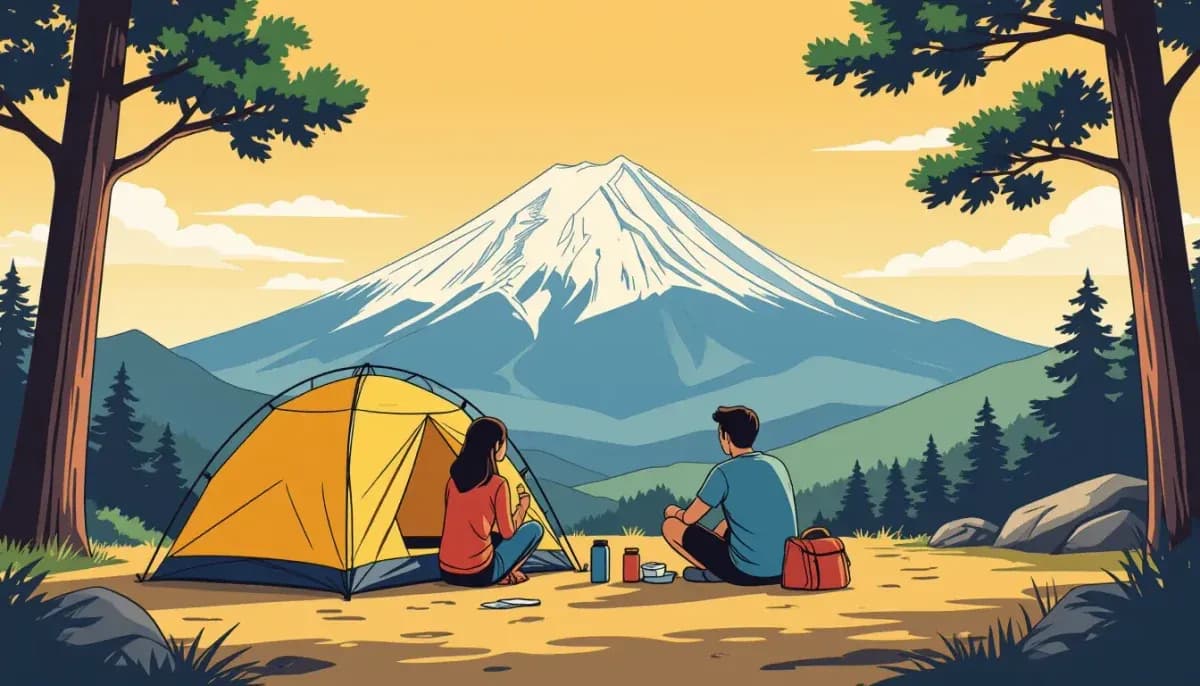
Everything foreign residents need to know about camping in Japan: campsite types, booking tips, rules, top destinations, gear, and etiquette. Start your outdoor adventure in Japan.
Camping in Japan: Complete Guide for Foreign Residents
If you're a foreigner living in Japan, camping is one of the best ways to escape city life and discover the country's stunning natural landscapes. With over 3,270 designated campsites spread across mountains, forests, lakeshores, and coastlines, Japan offers outdoor adventures for every level of experience. This complete guide covers everything you need to know — from choosing a campsite and booking your spot to understanding the rules, packing the right gear, and making the most of Japan's unique camping culture.
!Camping in Japan - tent setup with Mt. Fuji view

Why Camping in Japan Is Perfect for Foreigners
Japan has experienced a remarkable camping boom in recent years. What was once considered a niche hobby for outdoor enthusiasts has become one of the country's most popular leisure activities. In 2021, approximately 6.8 million people participated in camping trips across Japan, and that number is projected to reach 11.48 million by 2029 — reflecting a user penetration rate of nearly 9% of the population.
For foreign residents, camping offers a unique window into Japanese nature and culture that typical urban living simply cannot provide. Japan's geography is extraordinary: roughly 70% of the country is covered in mountains, forests, and rugged terrain. This means that within a short drive or train ride from almost any major city, you can find yourself surrounded by cedar forests, volcanic peaks, crystal-clear rivers, and pristine coastlines.
There are several reasons why camping is particularly well-suited for expats:
- Budget-friendly travel: Campsites cost significantly less than hotels or ryokan, making weekend trips very accessible
- No language barrier at the campsite: Most campsite staff are friendly and accustomed to foreign guests
- Equipment rental available: Many sites rent tents, sleeping bags, and cooking equipment — ideal for beginners
- Family-friendly facilities: Japanese campsites typically have excellent amenities, cleaner facilities than many Western counterparts
- Community atmosphere: Camping connects you with Japanese families and outdoor enthusiasts in a relaxed, informal setting
Whether you're an experienced outdoors person or a complete beginner, Japan's camping infrastructure makes it surprisingly easy to get started.
Understanding Japanese Campsite Types
Japan's campsites fall into several distinct categories, each with its own amenities, pricing, and atmosphere. Understanding these types helps you choose the right experience for your skill level and preferences.
| Campsite Type | Description | Average Cost | Best For |
|---|---|---|---|
| Auto Campsite (オートキャンプ場) | Drive your car right up to your pitch and camp beside it | 3,000–6,000 yen/site | Families, beginners with lots of gear |
| Free Campsite (無料キャンプ場) | No charge, minimal facilities | Free | Budget travelers, experienced campers |
| Tent-Only Campsite | Walk-in sites, no vehicles at pitch | 400–3,000 yen/person | Hikers, lightweight campers |
| Bungalow/Cabin | Wooden huts with basic furniture | 4,000–15,000 yen/night | First-timers, groups |
| Glamping (グランピング) | Luxury camping with full amenities, beds, meals | 15,000–50,000 yen/night | Couples, luxury seekers |
Auto camping is by far the most popular form in Japan. You park your car directly adjacent to your tent pitch, which makes it easy to bring all the gear and supplies you need without carrying everything on your back. This style is especially popular with young families and groups.
Free campsites do exist across Japan, and several English-language resources list them, but they typically have minimal facilities. For your first few trips, a paid campsite with proper amenities is strongly recommended.
Glamping has exploded in popularity and offers a fantastic introduction to the outdoors without sacrificing comfort. Top glamping resorts include Hoshinoya Fuji (luxury lakeside domes near Mt. Fuji), GRAX Premium Camp Resort (all-inclusive in Kyoto), and Izu Shaboten Village (dome tents with premium amenities in Shizuoka).
How to Find and Book a Campsite
Finding the right campsite is the biggest challenge for foreign residents, primarily because most Japanese campsite websites are in Japanese. Here are the most effective strategies:
Japanese Search Terms to Know
When searching online or using Google Maps, use these Japanese terms:
- キャンプ場 (kyanpujō) — Campsite/campground
- オートキャンプ場 — Auto campsite
- 野営場 (yaei-jō) — Wilderness campsite
- グランピング — Glamping
English-Language Booking Resources
Several platforms cater to English speakers:
- Nap Camp (ナップキャンプ): Japan's largest campsite booking platform, offers some English support
- Auto Camp Japan: English-language booking platform for auto campsites
- Japan Camp Easy: A concierge service that handles bookings and equipment rental in English — excellent for beginners
Booking Tips
Campsites in Japan can fill up extremely fast, especially during peak periods. Many popular sites open reservations exactly three months in advance at midnight — so set a reminder if you have your heart set on a particular location during a busy season.
Peak seasons to book well in advance:
- Golden Week (late April to early May)
- School summer holidays (late July through August)
- Obon (mid-August)
- Autumn foliage season (October–November)
For foreigners who find the booking process overwhelming, Japan Camp Easy provides a full concierge service: they'll recommend sites, make reservations, and arrange equipment rental, all in English.
Essential Rules and Etiquette for Camping in Japan
Japanese campsites operate under a specific set of rules and expectations. Respecting these is essential for a smooth experience and for maintaining good relations with your fellow campers.
Fire Rules
This is perhaps the most important rule: most Japanese campsites prohibit open ground fires. You cannot simply build a traditional campfire on the ground. Instead, you must use a portable fire pit (焚き火台, takibitai) that keeps flames off the ground. Many campsites rent these, or you can purchase one at outdoor gear stores like Coleman Japan, Snow Peak, or Logos.
Some campsites have designated BBQ areas with provided grills. Always check the specific rules of your campsite before packing fire equipment.
Wild Camping
Wild camping — pitching a tent anywhere outside a designated campsite — is generally not permitted in Japan. While there are some exceptions in remote mountain areas, and technically some national parks allow it in specific zones, as a foreigner you should always stay at designated campsites. The exception is free-to-use public campsites (無料キャンプ場), which are legal designated sites that simply charge no fee.
Noise and Quiet Hours
Most Japanese campsites enforce strict quiet hours, typically from 10 PM to 6 AM. Noise complaints are taken seriously, and you may be asked to leave if you disturb other campers. This is particularly important during peak summer season when sites can be crowded.
Leave No Trace
Japan takes cleanliness extremely seriously. You are expected to take all of your garbage home with you — most campsites do not provide garbage disposal services. Bring extra garbage bags and separate your waste (plastic, combustibles, cans/bottles) according to local recycling rules.
Campsite Etiquette
- Do not cut through other campers' sites
- Keep your plot tidy and contained
- Respect noise restrictions around bonfires and music
- Always greet neighboring campers with a friendly "こんにちは" (konnichiwa)
Top Camping Destinations in Japan for Foreign Residents
Japan's geographical diversity means you can choose dramatically different camping experiences depending on where you go.
Fuji Five Lakes (Yamanashi/Shizuoka)
The area around Mt. Fuji is Japan's most iconic camping destination. The Fuji Five Lakes (Kawaguchiko, Saiko, Yamanakako, Shojiko, and Motosuko) offer stunning views of the volcano with well-developed campsite infrastructure. Many sites here have English-friendly staff and are accessible via JR from Tokyo. This is an ideal first camping destination for expats in the Tokyo area.
Lake Biwa (Shiga)
Japan's largest lake, Lake Biwa, has hundreds of campsites along its 235-kilometer shoreline. Sites here tend to offer more activities than average — bass fishing, kayaking, cycling — and are easily accessible from Osaka and Kyoto.
Shiretoko National Park (Hokkaido)
For those seeking a true wilderness experience, Hokkaido's Shiretoko Peninsula is one of Japan's most remote and dramatic natural areas — a UNESCO World Heritage Site. Expect encounters with red foxes, deer, and possibly brown bears (take precautions). Best visited in summer as the area is snow-covered for much of the year.
Okinawa Islands
If you prefer beach camping, Okinawa's subtropical islands offer crystal-clear waters, coral reefs, and a relaxed pace of life very different from mainland Japan. Ama Beach on Amami Oshima is particularly popular, as are several sites on Miyako-jima and Iriomote-jima.
Nikko (Tochigi)
An easy escape from Tokyo, the Nikko area combines UNESCO World Heritage shrines and temples with excellent mountain camping. Chuzenji Lake and the surrounding highlands have beautiful campsites particularly stunning during autumn foliage season.
!Beautiful Japanese campsite surrounded by autumn foliage

Gear and Equipment: What to Bring
One of the advantages of camping in Japan is that equipment rental is widely available. Most auto campsites rent tents, sleeping bags, ground sheets, lanterns, and portable stoves. If you're new to camping, starting with rentals before investing in your own equipment is a smart approach.
Essential Gear Checklist
Shelter & Sleep:
- Tent (or rent at campsite)
- Sleeping bag appropriate for the season
- Ground sheet/tarp
- Sleeping pad or inflatable mattress
Cooking & Eating:
- Portable gas stove (cassette gas stoves are most common in Japan)
- Cookware set (pot, frying pan)
- Utensils, plates, cups
- Can opener, cutting board, knife
- Cooler box with ice
Campsite Essentials:
- Portable fire pit (焚き火台) if you plan to have a fire
- Headlamp/flashlight with spare batteries (campsites often have no lighting)
- Garbage bags (multiple, for waste separation)
- Insect repellent (essential in summer — Japanese mosquitoes are fierce)
- Sunscreen
Clothing:
- Dress in layers — even summer nights can get surprisingly cool at elevation
- Rain gear (Japan's weather is unpredictable)
- Waterproof footwear
Where to Buy Camping Gear in Japan
Japan has excellent outdoor gear options at all price points:
- Snow Peak: Premium Japanese brand, excellent quality
- Coleman Japan: Wide range of affordable to mid-range gear
- Logos: Popular mid-range Japanese brand
- Workman (ワークマン): Surprisingly affordable work-wear brand that sells excellent budget camping gear
- Montbell: High-performance Japanese outdoor gear
- Don Quijote/Amazon Japan: Budget options for casual campers
Camping as Part of Japanese Outdoor Life
Camping in Japan is deeply connected to broader outdoor culture. Many campers combine their trips with hiking, cycling, fishing, or visits to onsen (hot springs). In fact, one of the great pleasures of Japanese camping is ending a day outdoors with a soak at a nearby onsen — many campsites are located within driving distance of public bath facilities.
For foreign residents interested in connecting with the Japanese outdoor community, joining a hiking or camping club is a great option. Making friends and building a social life in Japan is much easier through shared activities, and the outdoor community tends to be welcoming to foreigners.
Camping also pairs naturally with exploring Japanese food and cooking — many campers embrace outdoor cooking as a serious hobby, and you'll find elaborate BBQ setups and gourmet campfire meals at Japanese campsites.
If you're planning a camping trip as part of a longer adventure, check the transportation guide for foreigners in Japan for tips on getting to remote campsite areas via train, bus, or rental car.
For a broader understanding of outdoor activities, seasonal festivals, and how to enjoy Japan's natural calendar year-round, the complete guide to Japanese festivals and traditions provides excellent context on the cultural events that often coincide with peak camping seasons.
Practical Tips for First-Time Campers in Japan
- Arrive before dark: Most campsites have minimal lighting and setting up in the dark is difficult and unwelcoming
- Book early for peak seasons: The most popular sites fill up within minutes of reservations opening
- Bring cash: Many campsites are cash-only, especially smaller public ones
- Learn basic Japanese phrases: Even simple greetings go a long way with campsite staff
- Check the weather: Japan's weather changes rapidly; always check the forecast and pack rain gear
- Download offline maps: Remote campsite areas often have poor mobile signal
- Separate your garbage: Come prepared with multiple bags for different waste categories
- Respect quiet hours: Japanese campers take this seriously
For more comprehensive guidance on living and adapting to life in Japan, Living in Nihon provides helpful resources for foreign residents navigating daily life. For those seeking work-life balance and weekend escape ideas, For Work in Japan offers career and lifestyle advice for expats. Career-focused foreigners looking to build a fulfilling life in Japan will also find Ittenshoku a valuable resource for professional development.
For a comprehensive overview of how to get to Japan and obtain the right visa for your stay, see The Complete Guide to Japan Visa and Immigration. Once you're settled, the complete guide to daily life in Japan for foreigners covers the practical aspects of building a comfortable life here.
Frequently Asked Questions
Is wild camping legal in Japan? Generally no. Wild camping is not permitted in most areas of Japan. Always use designated campsites. Some free public campsites are available that cost nothing but are still official, designated locations.
Do I need to speak Japanese to go camping in Japan? Not necessarily. Most campsite staff are friendly and accustomed to foreign visitors. A translation app and a few basic Japanese phrases will take you a long way. Some sites have English-speaking staff or English websites.
Can I rent camping equipment at Japanese campsites? Yes! Most auto campsites offer equipment rental including tents, sleeping bags, lanterns, and cooking equipment. This is a great option for beginners who don't own gear yet.
What's the best season for camping in Japan? Spring (April–May) and autumn (September–November) offer the most comfortable temperatures and beautiful scenery. Summer (July–August) is the most popular but can be hot and humid at lower elevations; head to the mountains for cooler conditions. Winter camping is possible but requires specialized cold-weather gear.
Are campfires allowed at Japanese campsites? Open ground fires are generally prohibited. You must use a portable fire pit (焚き火台) that keeps flames off the ground. Many campsites rent these, or you can purchase one at outdoor gear shops.
For additional detailed information on camping and the outdoors in Japan, the JR Pass Camping Guide and PLAZA HOMES' Comprehensive Camping Guide are excellent English-language resources. The Japan National Tourism Organization's camping guide also provides official overview information.

Originally from Vietnam, living in Japan for 16+ years. Graduated from Nagoya University, with 11 years of professional experience at Japanese and international companies. Sharing information about living in Japan for foreigners.
View Profile →Related Articles
Best Seasonal Travel Destinations in Japan by Month
A month-by-month guide to the best travel destinations in Japan for foreigners: from snow monkeys in Nagano to cherry blossoms in Kyoto, festivals in Aomori, and autumn colors in Kanazawa.
Read more →
Japan Island Hopping Guide Best Islands to Visit
Discover Japan's 14,125 islands with our complete island hopping guide for foreigners. Best islands, ferry routes, costs, and practical tips for Okinawa, Naoshima, Yakushima and more.
Read more →
Budget Travel Tips for Exploring Japan as a Resident
Discover practical budget travel tips for foreign residents in Japan. Learn how to use the Seishun 18 Kippu, find cheap accommodation, eat well on a budget, and save tens of thousands of yen on domestic travel.
Read more →
Hokkaido Travel Guide for Foreign Residents of Japan
A complete Hokkaido travel guide for foreign residents of Japan. Covers transportation, seasonal highlights, top destinations, food, and practical tips for expats visiting Japan's northernmost island.
Read more →
Okinawa Travel Guide for Foreign Residents of Japan
A complete Okinawa travel guide for foreigners living in Japan. Discover beaches, islands, food, culture, and practical tips for visiting Okinawa from the mainland.
Read more →
Best Day Trips from Osaka for Residents
Complete guide to the best day trips from Osaka for foreign residents. Discover Kyoto, Nara, Kobe, Himeji, and hidden gems with transport tips, costs, and seasonal advice.
Read more →