
Okinawa Travel Guide for Foreign Residents of Japan

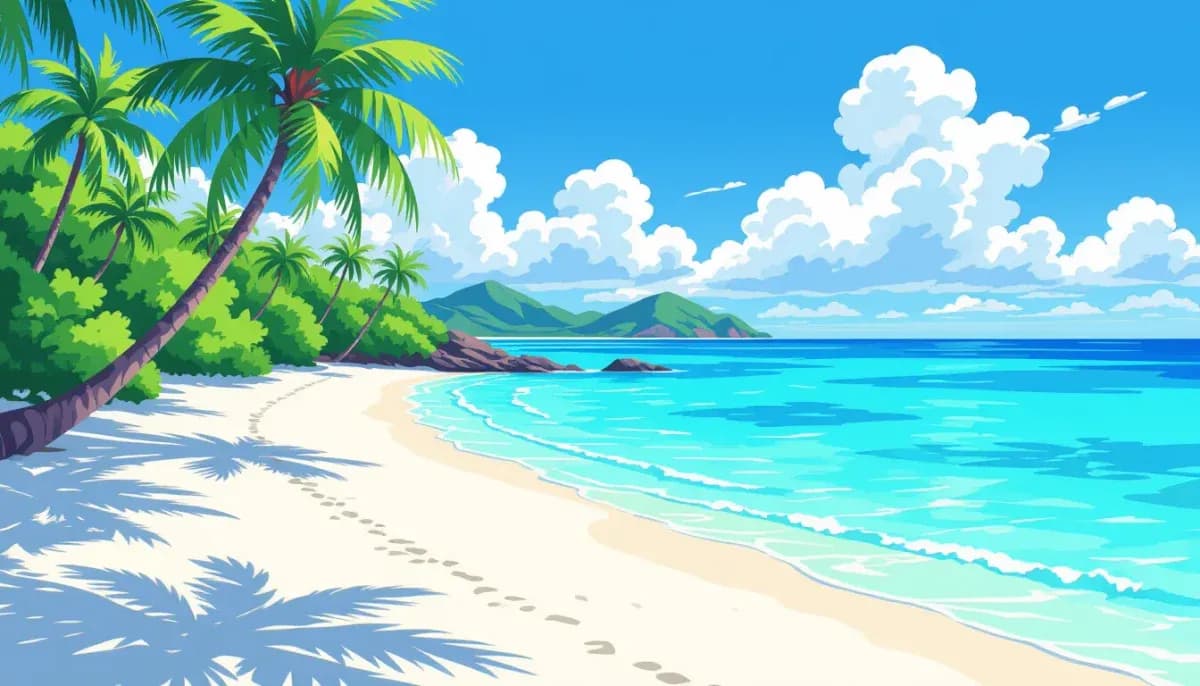
A complete Okinawa travel guide for foreigners living in Japan. Discover beaches, islands, food, culture, and practical tips for visiting Okinawa from the mainland.
Okinawa Travel Guide for Foreign Residents of Japan
If you're living in Japan as a foreigner, one of the most rewarding weekend escapes—or extended vacations—you can take is a trip to Okinawa. This subtropical archipelago in Japan's southernmost prefecture is unlike anywhere else in the country: a place where turquoise seas meet ancient castles, where the pace of life slows down, and where a distinct Ryukyuan culture weaves through every aspect of daily life. Whether you're based in Tokyo, Osaka, or Fukuoka, Okinawa is an accessible and deeply enriching destination that feels worlds away from the mainland.
This guide covers everything you need to know about planning your Okinawa trip as a foreign resident of Japan—from getting there and what to see, to food, accommodation, and cultural insights that will make your visit all the more meaningful.
!Okinawa tropical beach with crystal clear turquoise water and white sandy shores
Getting to Okinawa: Flights and Access
The main gateway to Okinawa is Naha Airport (OKA), located in the prefectural capital of Naha on Okinawa's main island. Direct flights from major Japanese cities are widely available:
- From Tokyo (Haneda/Narita): ~2.5 hours
- From Osaka (Kansai/Itami): ~1.5–2 hours
- From Fukuoka: ~1.5 hours
- From Nagoya: ~2 hours
Airlines like ANA, JAL, Peach, Jetstar Japan, and Skymark all serve the Okinawa route, meaning you can often find competitive fares, especially if you book 2–3 months in advance. As a foreign resident of Japan with a valid residence card, you are eligible for domestic fares without needing a special visa. If you're still on a short-stay visa, confirm your re-entry status before departure.
For those interested in reaching the outer islands—such as Ishigaki or Miyakojima—additional domestic flights from Naha are available. Ferries also connect Naha to nearby islands like the Kerama Islands (about 1 hour by ferry), making island hopping a genuine possibility.
For general transportation tips in Japan, see our guide on transportation in Japan for foreigners.
The Main Island: What to See and Do
Okinawa's main island (Okinawa Hontō) is where most visitors start, and for good reason. It packs history, culture, beaches, and aquarium experiences into a surprisingly manageable area.
Shuri Castle and Ryukyuan History
Shuri Castle (首里城) in Naha is the symbolic heart of Okinawan culture. Once the royal palace of the Ryukyu Kingdom, it was partially destroyed in 2019 but is being steadily restored. The castle's distinctive red architecture, influenced by both Chinese and Japanese styles, is a UNESCO World Heritage Site. The surrounding Shuri district is worth exploring on foot—you'll find traditional textiles (Ryukyu bingata), local pottery, and small museums that tell the story of the islands' independent kingdom.
Churaumi Aquarium
One of the largest aquariums in the world, Okinawa Churaumi Aquarium is home to whale sharks, manta rays, and a spectacular range of marine life unique to the waters around Okinawa. It's located in the Ocean Expo Park in the northern part of the main island and is a full-day destination. Arrive early on weekends or during school holidays to avoid the biggest crowds.
Kokusai-dori Street
Naha's main tourist drag, Kokusai-dori ("International Street"), stretches for about 1.6 km and is lined with souvenir shops, restaurants, and izakayas. This is the best place to try Okinawan street food, pick up local crafts, and experience the island's lively nightlife. Taco Rice—a quirky fusion dish of taco ingredients served over rice—was born near here, thanks to American military influence, and it remains a beloved local specialty.
WWII Memorial Sites
Okinawa was the site of one of the bloodiest battles of World War II, and numerous memorial sites preserve this history. The Himeyuri Peace Museum, Okinawa Prefectural Peace Memorial Museum, and the Cornerstone of Peace (a monument inscribed with the names of all who died in the Battle of Okinawa) are sobering but important places to visit. For foreign residents seeking to understand a deeper layer of Japan's history, these sites are deeply moving.
!Shuri Castle and Okinawa cultural heritage with traditional Ryukyuan architecture
The Outer Islands: Kerama, Ishigaki, and Miyakojima
Okinawa is not just one island—it's an archipelago of about 160 islands, and some of the most beautiful experiences lie beyond the main island.
Kerama Islands
Just about 1 hour by high-speed ferry from Naha Port, the Kerama Islands (Zamami-jima, Tokashiki-jima, Aka-jima) offer some of the clearest, least-crowded water in Japan. The coral reefs here are in excellent condition, making this a top destination for snorkeling and diving. Aharen Beach on Tokashiki is considered one of the top 50 beaches in the world. Unlike the main island's busier beaches, Kerama retains a quiet, local feel.
Ishigaki and the Yaeyama Islands
Located about 400 km southwest of Naha, Ishigaki Island is accessible by a 50–60 minute flight from Naha. It's the gateway to the Yaeyama archipelago, which includes the jungle-covered Iriomote Island (home to the endangered Iriomote wildcat), the star sand beaches of Taketomi Island, and the dramatic Kabira Bay—a gorgeous emerald lagoon where you can take glass-bottom boat tours (swimming is not permitted here to protect the corals). Ishigaki is excellent for scuba diving, SUP, and hiking.
Miyakojima
Famous among Japanese travelers for its almost unbelievably clear water—visibility can reach 50 meters—Miyakojima is a 45-minute flight from Naha. The Ikema Bridge and Irabu Bridge (the longest toll-free bridge in Japan at 3.5 km) connect Miyakojima to its neighboring islands and offer stunning ocean views. The local shrimp trucks along rural roads have become something of a food legend on the island.
Okinawan Food: What to Eat
Okinawan cuisine is distinct from mainland Japanese food, with influences from China, Southeast Asia, and even the United States military presence. If you're used to Japanese food on the mainland, you're in for a delicious surprise.
| Dish | Description | Where to Try |
|---|---|---|
| Okinawa Soba (沖縄そば) | Thick wheat noodles in pork bone broth, topped with braised pork belly and red pickled ginger | Naha soba restaurants, local diners |
| Taco Rice | Taco meat, cheese, and salsa served over white rice | Koza (Okinawa City), Kokusai-dori |
| Champuru (チャンプルー) | Stir-fried dish with tofu, bitter melon (goya), egg, and pork | Everywhere on the island |
| Rafute (ラフテー) | Braised pork belly in soy sauce and awamori (Okinawan rice wine) | Traditional Okinawan restaurants |
| Sata Andagi | Deep-fried Okinawan doughnuts, crispy outside and soft inside | Markets, street food stalls |
| Awamori (泡盛) | Okinawan distilled rice liquor, distinct from mainland sake | Bars, izakayas, duty-free shops |
The local diet is also famous for contributing to Okinawa's status as one of the world's Blue Zones—regions where people live measurably longer, healthier lives. Okinawa is one of only five Blue Zones globally, and approximately 68 per 100,000 residents live to become centenarians. The traditional diet is 90% plant-based, featuring sweet potatoes, tofu, seaweed, and small amounts of fish and pork. Okinawans also practice hara hachi bu—the Confucian principle of eating only until 80% full.
Okinawan Culture: What Makes It Unique
As a foreign resident of Japan, you'll likely notice that Okinawa feels different from the mainland in subtle but meaningful ways.
The Ryukyuan Heritage
Okinawa was an independent kingdom—the Ryukyu Kingdom—until it was annexed by Japan in 1879. Its unique position as a trading hub between Japan, China, and Southeast Asia gave rise to a distinct music, visual art, and craft tradition. The haunting sound of the sanshin (a three-stringed instrument similar to a Chinese sanxian) defines traditional Okinawan music. Ryukyu glass, bingata textiles, and lacquerware are distinctive local crafts.
Moai and Ikigai
Two concepts central to Okinawan wellbeing are moai (もあい) and ikigai (生き甲斐). Moai refers to lifelong groups of friends—typically formed in childhood—who support each other financially, emotionally, and socially throughout life. Ikigai is a broader concept across Japan but deeply lived in Okinawa: the reason you wake up in the morning, your sense of purpose. There is famously no word for "retirement" in Okinawan dialect—people remain engaged and purposeful throughout their long lives.
American Cultural Influence
Unlike the rest of Japan, Okinawa was under U.S. administration from 1945 to 1972, and American bases remain a significant presence today. This has left a unique cultural imprint: steakhouses, American-style fast food, and hamburger joints dot the landscape, and the town of Koza (Okinawa City) near the Kadena Air Base has a lively international character. For foreign residents, this can make Okinawa feel particularly comfortable and accessible.
Best Time to Visit
Okinawa's subtropical climate means it's warm year-round, but the timing of your visit matters.
| Season | Months | Weather | Notes |
|---|---|---|---|
| Spring (best) | March–May | 22–28°C, pleasant | Cherry blossoms in January–February; quieter crowds |
| Summer | June–August | 30–33°C, humid | Typhoon season begins; best beach weather |
| Autumn (best) | September–October | 25–30°C, warm | After typhoon season; excellent for diving |
| Winter | November–February | 15–22°C, mild | Quiet, fewer tourists; too cool for swimming |
Cherry blossoms in Okinawa typically appear in mid-January to early February—weeks before the mainland's hanami season. If you want to experience sakura without the Tokyo crowds, Okinawa offers a beautiful preview.
Typhoon season runs from roughly June to October. While typhoons can disrupt travel plans, they typically pass quickly. Always check weather forecasts before traveling to outer islands, and build flexibility into your itinerary.
Practical Travel Tips for Foreign Residents
Transportation on the Island
Public transport on the main island is limited. Naha has a convenient monorail (Yui Rail) that runs from the airport through downtown to Shuri. However, for exploring the northern part of the main island or day-tripping to beaches, a rental car is essentially required. International Driver's Permits (IDP) are accepted in Japan, but if you hold a Japanese driver's license (required after 1 year of residence in most prefectures), you can rent easily. Taxis are available but expensive for longer distances.
For outer islands, ferry timetables should be booked in advance, especially during Golden Week and Obon.
Money and Connectivity
Cash remains important in Okinawa, especially on smaller islands and at local restaurants. Bring sufficient yen before heading to outer islands. ATMs at 7-Eleven and Japan Post are the most reliable for foreign cards.
Wi-Fi is widely available at hotels. Free Wi-Fi through the Be.Okinawa service is available at Tourist Information Centers. For uninterrupted connectivity, consider a pocket Wi-Fi rental or an eSIM—available at Naha Airport.
Health and Safety
Okinawa has excellent medical facilities in Naha. For emergency contacts: Police (110), Ambulance/Fire (119), Coast Guard (118). The OKINAWA Multilingual Contact Center provides assistance in English and other languages for tourists.
Typhoon evacuation procedures are posted in most hotels. If you're living in Japan and enrolled in the National Health Insurance system, your coverage applies throughout Japan, including Okinawa—see our guide on healthcare in Japan for foreigners.
Where to Stay in Okinawa
Okinawa offers a full range of accommodation, from world-class beach resorts to budget guesthouses and Airbnbs.
- Luxury resorts: The northern coast (Nago, Onna Village area) has international resort chains (Sheraton, Marriott, Hilton) with beach access.
- Naha city hotels: Convenient for urban exploration, Shuri Castle, and Kokusai-dori; well-served by the monorail.
- Kerama Islands: Smaller guesthouses and dive lodges; book early as capacity is limited.
- Ishigaki and Miyakojima: Range from boutique hotels to surf-oriented guesthouses.
For family-friendly travel advice, see our guide on raising children in Japan.
Further Resources
For more information about living in Japan and planning your travels, these resources are valuable:
- Living in Nihon – Practical guides for daily life and travel in Japan for expats
- For Work in Japan – Career and relocation resources for foreigners in Japan
- Ittenshoku – Job search and life resources for foreigners in Japan
- Official Okinawa Tourism Guide – Official travel information, maps, and event listings
- Japan Wonder Travel – Okinawa Guide – Detailed guide to Okinawa's beaches and activities
- Blue Zones: Okinawa – Research and background on Okinawa's longevity culture
Okinawa is one of those rare destinations that rewards visitors whether they come for the beaches, the history, the food, or simply the change of pace. As a foreign resident of Japan, you're uniquely positioned to appreciate what makes Okinawa special—a place where Japan's island south meets its own ancient, independent culture. Pack light, rent a car, and give yourself at least five days. You'll almost certainly want to come back.

Originally from Vietnam, living in Japan for 16+ years. Graduated from Nagoya University, with 11 years of professional experience at Japanese and international companies. Sharing information about living in Japan for foreigners.
View Profile →Related Articles
Best Seasonal Travel Destinations in Japan by Month
A month-by-month guide to the best travel destinations in Japan for foreigners: from snow monkeys in Nagano to cherry blossoms in Kyoto, festivals in Aomori, and autumn colors in Kanazawa.
Read more →
Japan Island Hopping Guide Best Islands to Visit
Discover Japan's 14,125 islands with our complete island hopping guide for foreigners. Best islands, ferry routes, costs, and practical tips for Okinawa, Naoshima, Yakushima and more.
Read more →
Camping in Japan Complete Guide for Foreign Residents
Everything foreign residents need to know about camping in Japan: campsite types, booking tips, rules, top destinations, gear, and etiquette. Start your outdoor adventure in Japan.
Read more →
Budget Travel Tips for Exploring Japan as a Resident
Discover practical budget travel tips for foreign residents in Japan. Learn how to use the Seishun 18 Kippu, find cheap accommodation, eat well on a budget, and save tens of thousands of yen on domestic travel.
Read more →
Hokkaido Travel Guide for Foreign Residents of Japan
A complete Hokkaido travel guide for foreign residents of Japan. Covers transportation, seasonal highlights, top destinations, food, and practical tips for expats visiting Japan's northernmost island.
Read more →
Best Day Trips from Osaka for Residents
Complete guide to the best day trips from Osaka for foreign residents. Discover Kyoto, Nara, Kobe, Himeji, and hidden gems with transport tips, costs, and seasonal advice.
Read more →