
Japan Ski Resorts Complete Guide for Foreign Residents

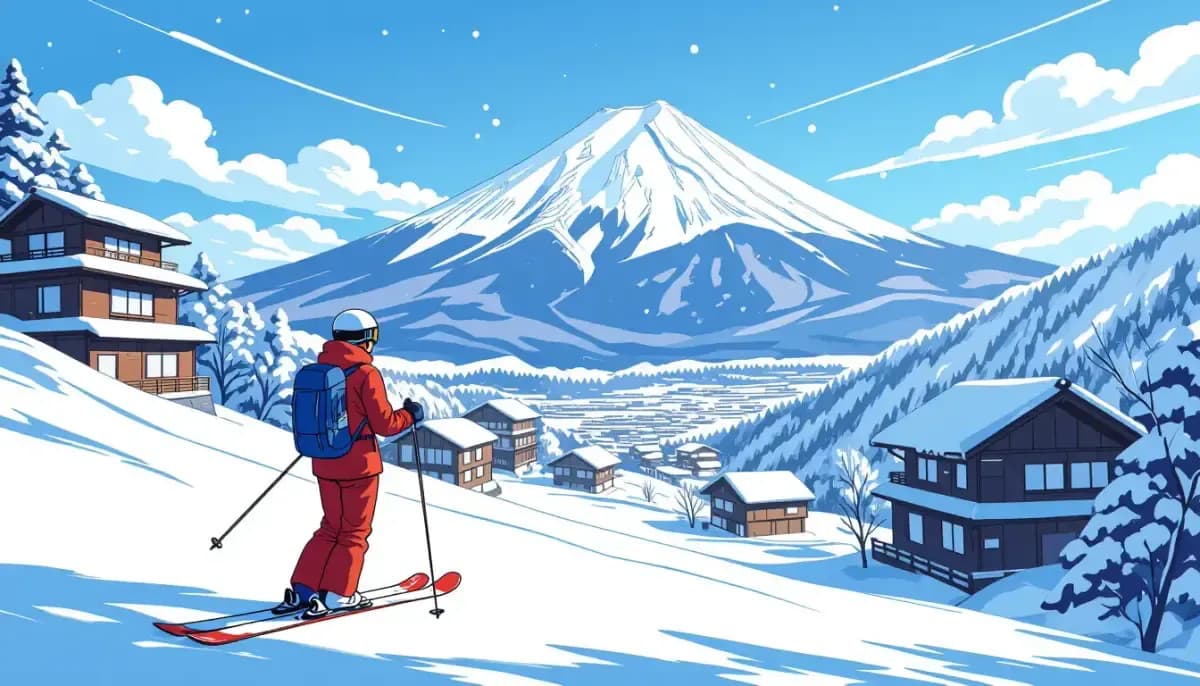
Complete guide to Japan's best ski resorts for foreigners and expats. Discover top resorts like Niseko and Hakuba, costs, English support, and how to get there.
Japan Ski Resorts Complete Guide for Foreign Residents
Japan is one of the world's premier skiing destinations, and for foreigners living in or visiting Japan, hitting the slopes is an unforgettable experience. With over 500 ski resorts scattered across the country — from the powder-perfect mountains of Hokkaido to the accessible slopes near Tokyo — Japan offers something for every level of skier and snowboarder. Whether you're a complete beginner or an expert chasing deep powder, this guide will help you navigate Japan's ski resorts with confidence.
Japan's ski areas receive some of the world's best powder snow thanks to cold Siberian air picking up moisture over the Sea of Japan before dropping massive amounts of snow on the mountains. Niseko, Japan's most famous resort, averages a staggering 15 metres of snow annually, while Hakuba in Nagano receives around 11 metres per year. International arrivals at Japanese ski resorts climbed 50% in the most recent ski season, and it's easy to see why — the combination of incredible snow, affordability, and unique Japanese culture makes it an unbeatable destination.
!Japan ski resort with powder snow and mountains in background

Best Ski Resorts in Japan for Foreigners
Japan has ski resorts to suit every type of skier. Here are the top destinations that are especially well-suited for foreign visitors:
Niseko (Hokkaido)
Niseko is Japan's most internationally famous ski resort and consistently ranks among the best in the world. Located on Hokkaido, Japan's northernmost main island, Niseko is made up of four interconnected resorts (Grand Hirafu, Hanazono, Niseko Village, and Annupuri) with over 30 lifts. English is widely spoken throughout the resort area, and the town has evolved into a truly international destination with luxury hotels, international restaurants, and a vibrant après-ski scene. Nearly half of all overseas visitors to Japan who ski make their way to Niseko.
Best for: Intermediate to advanced skiers, powder hounds, international travelers who want an easy English-speaking experience.
Hakuba Valley (Nagano)
Hakuba Valley in Nagano Prefecture was put on the international map after hosting events for the 1998 Winter Olympics. Located in the Japan Alps, it consists of 10 ski resorts that can be accessed with a single pass. Hakuba has grown rapidly in international popularity — it now accounts for approximately 35% of overseas ski visits in Japan. The valley offers excellent groomed runs, challenging off-piste terrain, and is about 3 hours from Tokyo by highway bus or train. English support has expanded significantly in recent years.
Best for: All levels, families, those who want Olympic history combined with great skiing.
Furano (Hokkaido)
Furano is a quieter, more traditionally Japanese resort than Niseko but offers exceptional snow quality and a charming small-town atmosphere. Located in central Hokkaido, it's about 2.5 hours from Sapporo by bus. The resort is family-friendly with English-language ski lessons available. Furano also offers fun off-slope activities like snowmobile tours and ice fishing, making it perfect for groups with mixed interests.
Best for: Families, those who want authentic Japanese atmosphere, beginners and intermediates.
GALA Yuzawa (Niigata)
For foreigners living in or visiting Tokyo, GALA Yuzawa is the most convenient ski resort in Japan. It has the unique distinction of having a Shinkansen (bullet train) station directly connected to the resort base. You can be on the slopes in under 90 minutes from Tokyo Station — making it perfect for a day trip. While it's smaller than Niseko or Hakuba, it offers plenty of terrain for all levels and has good rental facilities and English-language services.
Best for: Day trips from Tokyo, beginners, those short on time.
Hakuba Cortina & Nozawa Onsen (Off the Beaten Track)
For those who want to escape the increasingly crowded international resorts, Hakuba Cortina and Nozawa Onsen offer excellent snow and a more authentic Japanese ski experience. Nozawa Onsen is particularly charming — it's a traditional hot spring village that happens to have a ski resort, and the free public onsens in the village are a perfect way to end a day on the slopes.
Best for: Adventurous skiers, those seeking authentic Japan, budget travelers.
Japan Ski Season: When to Go
The Japan ski season typically runs from November through May, though the optimal timing varies by region and what you're looking for:
| Period | Conditions | Crowds | Prices |
|---|---|---|---|
| Late November - Early December | Season opening, limited terrain | Very low | Low |
| Christmas/New Year | Great snow, full terrain open | Very high | Very high |
| January (peak powder) | Best powder conditions, "Japanuary" | Moderate-high | High |
| February | Excellent snow, Chinese New Year busy | Moderate | Moderate-high |
| March | Good snow, fewer crowds | Low-moderate | Moderate |
| April (spring skiing) | Slushy but fun, extended season | Very low | Low |
Pro tip: If your schedule allows, the last two weeks of January and early February (avoiding Chinese New Year) often offer the best combination of excellent snow conditions, reasonable crowds, and moderate prices.
How Much Does Skiing in Japan Cost?
One of the biggest surprises for international skiers is just how affordable Japan can be compared to North American or European resorts. Here's a breakdown:
| Expense | Budget | Mid-Range | Premium |
|---|---|---|---|
| Day lift ticket | ¥6,000-¥7,500 | ¥6,000-¥7,500 | ¥8,000+ (Niseko) |
| Accommodation (per night) | ¥5,000-¥10,000 | ¥10,000-¥20,000 | ¥30,000-¥50,000 |
| Ski/snowboard rental | ¥3,000-¥4,000 | ¥4,000-¥6,000 | ¥7,000+ |
| Ski lessons (group) | ¥5,000-¥8,000 | ¥8,000-¥12,000 | ¥15,000+ |
| Food per day | ¥2,000-¥3,000 | ¥3,000-¥5,000 | ¥5,000+ |
Money-saving tips:
- Go on weekdays: Lift passes and accommodation can be 10-30% cheaper than weekends.
- Buy multi-day passes: Most resorts offer significant discounts for 3-day, 5-day, or season passes.
- Book early: For popular dates like Christmas and New Year, book accommodation 3-6 months in advance.
- Avoid peak holiday periods: Late December through early January sees the highest prices and crowds.
- Consider shoulder season: March and April offer good skiing at significantly reduced prices.
For more about managing costs as a foreigner in Japan, see our Complete Guide to Cost of Living in Japan.
How to Get to Japan's Ski Resorts
Getting to Japan's ski resorts is surprisingly straightforward, especially if you use Japan's excellent public transportation network.
From Tokyo
Hakuba Valley: Take the Hokuriku Shinkansen to Nagano Station (80 minutes), then a bus to Hakuba (50-60 minutes). Alternatively, overnight highway buses go directly from Tokyo to Hakuba.
GALA Yuzawa: The most convenient option — take the Joetsu Shinkansen from Tokyo Station directly to Gala Yuzawa Station (75 minutes). The station is literally inside the resort.
Other Niigata resorts: Joetsu Shinkansen to Echigo-Yuzawa or Urasa stations, then local buses.
From Osaka/Kyoto
Hakuba: Hokuriku Shinkansen from Shin-Osaka or Kyoto to Nagano, then bus to Hakuba (3-4 hours total).
Nozawa Onsen: Hokuriku Shinkansen to Iiyama Station, then local bus (2.5-3 hours total).
To Hokkaido Resorts
Fly: From Tokyo (Haneda or Narita) to Sapporo (New Chitose Airport) takes about 90 minutes. From Sapporo, buses run to Niseko (2.5 hours), Furano (2 hours), and other resorts.
Train: The Hokkaido Shinkansen now connects Tokyo to Shin-Hakodate-Hokuto, from where you can transfer to local trains, but this is slower than flying for most travelers.
For comprehensive guidance on using Japan's transportation system, check our Complete Guide to Transportation in Japan.
!Skiers on slope with Japanese Alps view in winter

English Support at Japanese Ski Resorts
One of the most common concerns for foreigners is the language barrier. The good news is that Japan's major ski resorts have made significant investments in English-language services:
Niseko: Excellent English support throughout — signage is bilingual, most restaurants and shops have English menus, and ski school instruction is available in English and several other languages.
Hakuba: Good English support, especially at larger resorts like Happo-One and Goryu. The village has many foreign-owned or foreigner-friendly businesses.
GALA Yuzawa: Good English support geared toward international day-trippers from Tokyo.
Furano and Rusutsu: Basic English support, improving year by year. Staff at rental shops and ski schools often have basic English.
Smaller/local resorts: Japanese is usually needed. If you've been studying Japanese, this is a great chance to practice! See our Complete Guide to Learning Japanese for language tips.
Practical phrases to know:
- スキーレンタルはどこですか? (Sukī rentaru wa doko desu ka?) — Where is ski rental?
- 初心者コースはどこですか? (Shoshinsha kōsu wa doko desu ka?) — Where is the beginner course?
- リフト券はいくらですか? (Rifuto-ken wa ikura desu ka?) — How much is a lift ticket?
Ski Rental and Equipment in Japan
Japan has excellent ski rental facilities, particularly at major resorts. Here's what you need to know:
Boot sizing: Japan uses the same metric sizing as most of Europe (mondo sizing/centimeters), so bring your foot measurement in centimeters for the most accurate fit.
Helmet rentals: Most rental shops now offer helmets. While not legally required in Japan, wearing a helmet is strongly recommended and is becoming increasingly common even among Japanese skiers.
Quality of rentals: Major resort rental shops carry quality equipment from brands like Rossignol, Salomon, and Head. High-performance demo skis are usually available for an additional charge.
Where to rent: You can rent at the resort base or in town. Renting in town is often cheaper — Hakuba town shops, for example, frequently undercut resort prices. Some shops offer discounts if you book online in advance.
What to wear: Dress in layers with moisture-wicking base layers, an insulating mid-layer, and a waterproof outer shell. Gloves, goggles, and a neck gaiter are essential. Most resorts have lockers available for storage during the day.
For general shopping tips in Japan, including where to find outdoor gear at a discount, see our Complete Guide to Shopping in Japan.
Onsen (Hot Spring) Culture at Ski Resorts
One of the most unique and wonderful aspects of skiing in Japan is the onsen (hot spring) culture. After a day on the slopes, soaking in a natural hot spring is the perfect way to relax tired muscles.
Many ski resorts and nearby towns have natural hot springs, and the combination of skiing and onsen is a quintessentially Japanese experience. Nozawa Onsen is particularly famous for its free public baths (soto-yu) scattered throughout the village — there are 13 outdoor baths available to visitors, all free of charge.
Onsen etiquette for first-timers:
- Tattoos are prohibited at most onsen. If you have tattoos, look for private onsen rooms (kashikiri-buro) or tattoo-friendly facilities.
- You must wash thoroughly before entering the bath.
- No swimsuits in traditional onsen — you go in without clothing.
- Separate bathing areas for men and women are standard.
- Never take photos in the onsen area.
For more on Japanese customs and etiquette, see our Complete Guide to Japanese Culture and Etiquette.
Safety on Japan's Slopes
Skiing and snowboarding carry inherent risks, and Japan has some specific safety considerations:
Avalanche risk: Off-piste skiing is popular at resorts like Niseko, but Japan's heavy, wet snowfall creates significant avalanche risk. Always check avalanche forecasts, ski with a guide if you're unfamiliar with the area, and carry appropriate safety equipment (beacon, probe, shovel) when going off-piste.
Visibility: Heavy snowfall can dramatically reduce visibility. Check weather forecasts and be cautious in whiteout conditions.
Insurance: Standard travel insurance may not cover skiing. Look for a policy that specifically includes skiing and snowboarding, or purchase additional coverage. Japan's national health insurance does cover accidents if you have resident status, but it won't cover evacuation costs or medical tourism.
Emergency number: 110 (police), 119 (ambulance/fire). At most ski resorts, there is also a ski patrol — look for signs indicating their location.
For more on staying safe in Japan, see our Complete Guide to Safety and Emergency Preparedness in Japan.
Useful Resources for Skiing in Japan
Here are some trusted resources to help you plan your Japan ski trip:
- Japan-Guide.com Skiing Page — Comprehensive overview of Japan's top ski resorts with ratings and practical information.
- Japan Ski Experience — English-language booking and guidance for major resorts.
- Living in Nihon — Practical guides for foreigners living in Japan, including leisure and lifestyle tips.
- For Work in Japan — Resources for expats working in Japan, including lifestyle and activity guides.
- Ittenshoku — Career and lifestyle resources for IT professionals in Japan.
Frequently Asked Questions
Do I need prior experience to ski in Japan? Not at all. Japan has excellent ski schools with professional instructors, and many resorts have gentle beginner areas with magic carpet lifts. Group lessons are affordable and widely available.
Is Japan really cheaper than European or American ski resorts? For lift tickets and food, yes — a day lift pass at a Japanese resort typically costs ¥6,000-¥7,500, compared to ¥12,000-¥15,000+ at comparable European or North American resorts. However, accommodation at premium resorts like Niseko has become increasingly expensive due to international demand.
What's the best resort for families? Furano, Rusutsu, and GALA Yuzawa are all excellent for families with children. They have dedicated kids' areas, ski school programs, and non-skiing activities.
Can I ski without speaking Japanese? At major resorts (Niseko, Hakuba, GALA Yuzawa), yes — English support is strong. At smaller local resorts, some Japanese is helpful. Download a translation app as a backup.
What's "Japow"? "Japow" (Japan + powder) is a term used by the international ski community to describe Japan's legendary light, dry powder snow. The cold Siberian air masses that sweep down from the north pick up moisture over the Sea of Japan and deposit massive amounts of ultra-light powder on Japan's mountains — considered some of the best powder skiing in the world.
Japan's ski resorts offer an extraordinary combination of world-class snow, cultural experiences, affordability (especially compared to Western resorts), and the unique pleasure of ending your day in a steaming onsen. As a foreign resident in Japan, making the most of this incredible resource is highly recommended — whether you're a weekend warrior hitting the slopes near Tokyo or planning an extended ski holiday in Hokkaido. For more about enjoying daily life in Japan, check out our Complete Guide to Daily Life in Japan for Foreigners.

Originally from Vietnam, living in Japan for 16+ years. Graduated from Nagoya University, with 11 years of professional experience at Japanese and international companies. Sharing information about living in Japan for foreigners.
View Profile →Related Articles
Best Seasonal Travel Destinations in Japan by Month
A month-by-month guide to the best travel destinations in Japan for foreigners: from snow monkeys in Nagano to cherry blossoms in Kyoto, festivals in Aomori, and autumn colors in Kanazawa.
Read more →
Japan Island Hopping Guide Best Islands to Visit
Discover Japan's 14,125 islands with our complete island hopping guide for foreigners. Best islands, ferry routes, costs, and practical tips for Okinawa, Naoshima, Yakushima and more.
Read more →
Camping in Japan Complete Guide for Foreign Residents
Everything foreign residents need to know about camping in Japan: campsite types, booking tips, rules, top destinations, gear, and etiquette. Start your outdoor adventure in Japan.
Read more →
Budget Travel Tips for Exploring Japan as a Resident
Discover practical budget travel tips for foreign residents in Japan. Learn how to use the Seishun 18 Kippu, find cheap accommodation, eat well on a budget, and save tens of thousands of yen on domestic travel.
Read more →
Hokkaido Travel Guide for Foreign Residents of Japan
A complete Hokkaido travel guide for foreign residents of Japan. Covers transportation, seasonal highlights, top destinations, food, and practical tips for expats visiting Japan's northernmost island.
Read more →
Okinawa Travel Guide for Foreign Residents of Japan
A complete Okinawa travel guide for foreigners living in Japan. Discover beaches, islands, food, culture, and practical tips for visiting Okinawa from the mainland.
Read more →