
Best Beach Destinations in Japan for Residents

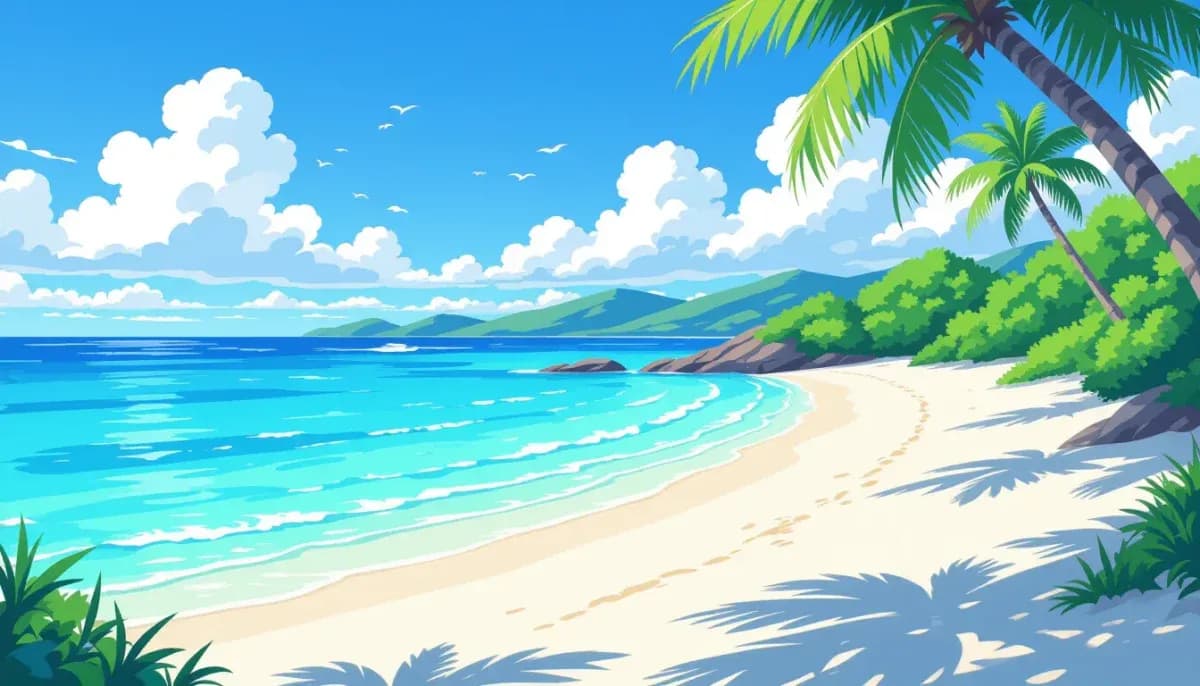
Discover Japan's best beach destinations as a resident — from Okinawa's Kerama Blue waters and Miyako Island to Izu Peninsula escapes near Tokyo. Beach etiquette, seasons, and tips for expats.
Best Beach Destinations in Japan for Residents: Your Complete Guide
Living in Japan as a foreigner comes with an incredible perk that many expats overlook — some of Asia's most stunning beaches are right on your doorstep. From the tropical paradise of Okinawa's coral-fringed islands to the dramatic coastlines near Tokyo, Japan offers an extraordinary variety of beach experiences. Whether you are looking for a quick weekend escape or a longer island-hopping adventure, this guide covers everything residents need to know about Japan's best beach destinations.
Understanding Japan's Beach Season
Before packing your bag, it is essential to understand how beach culture works in Japan. The official opening of a beach season is called umi-biraki (海開き), a ceremony marking the start of safe swimming. Beaches generally open in Okinawa as early as April, progressing northward through Kyushu and Shikoku before reaching Honshu's beaches in July.
The official swimming season in the Tokyo area typically runs from mid-July through August, during which lifeguards are stationed and safety measures like roped-off swimming zones are in place. Swimming outside the official season is strongly discouraged — and at many beaches outright prohibited — since no lifeguards are present and hazards like strong currents and jellyfish are unmanaged.
A few key facts for residents:
- Okinawa swimming season: Late May through October
- Mainland beaches (Kanto, Kansai): Mid-July through August
- Year-round subtropical beaches: Some Okinawan and Amami islands
- Jellyfish season: Peak in late summer; nets protect official swimming areas
If you plan to use your Japan Rail Pass or regional rail passes for beach trips, check The Complete Guide to Transportation in Japan for route planning tips.
Okinawa: Japan's Undisputed Beach Capital
No list of Japan's beach destinations would be complete without a deep dive into Okinawa. Located more than 1,500 km south of Tokyo, this subtropical archipelago stretches across more than 150 islands and delivers a beach experience unlike anywhere else in the country.
Okinawa Main Island
The main island offers a mix of resort-style beaches and quieter local spots. Many of the best beaches — particularly along the western coast — are attached to resort hotels and may charge an entry fee or require you to purchase a drink or rental equipment. Look for public beaches like Naminoue Beach in Naha (free entry, centrally located) or Manza Beach near Okinawa City for a balance of accessibility and beauty.
The Kerama Islands (Zamami, Tokashiki, Kume)
Just 40 km west of Naha by high-speed ferry, the Kerama Islands are renowned worldwide for their extraordinary water clarity. Locals and divers refer to the intense turquoise hue of these waters as "Kerama Blue."
- Zamami Island: Furuzamami Beach offers white sand and some of the clearest snorkeling in Japan
- Tokashiki Island: Aharen Beach and Tokashiku Beach are less crowded alternatives
- Kume Island: Home to Hatenohama, a legendary 7-km white sandbar accessible only by a short boat trip — one of Japan's most extraordinary beach experiences
Miyako and Yaeyama Islands
Further southwest, Miyako Island features Yonaha Maehama, often called Japan's single most beautiful beach. A 7-km crescent of pure white sand meets impossibly clear water — the kind of scene usually reserved for tourism brochures. The Yaeyama Islands (Ishigaki, Iriomote, Taketomi) round out Okinawa's crown jewels, offering snorkeling alongside manta rays and sea turtles in warm, protected waters.
For a comprehensive look at visiting Okinawa, the Okinawa travel guide at Living in Nihon is an excellent resource for foreign residents planning their first trip.
Near Tokyo: Beach Escapes Within Reach
Living in or around Tokyo does not mean you have to travel far for a beach day. Several popular coastal destinations are accessible by train in under two hours.
Kamakura and Enoshima
Kamakura is perhaps the easiest beach option from central Tokyo — just 50 minutes by train on the Yokosuka or Shonan-Shinjuku Line. The beaches here are lively and local, with beach huts selling food, drinks, and rental equipment during summer. Enoshima, just a short distance further, has lifeguard-patrolled beaches and a unique island connected to the mainland by a bridge, adding some sightseeing value to your beach day.
These beaches get extremely crowded in August, so aim for weekday visits or go early morning. The water is clean but noticeably cooler than Okinawa.
The Izu Peninsula
The Izu Peninsula (Shizuoka Prefecture) is the go-to beach destination for residents wanting a longer coastal escape without flying. Located about 100 km southwest of Tokyo, it is connected by the JR Tokaido Shinkansen (Atami in about 40 minutes) and local trains.
Shirahama Beach near Shimoda is arguably the Izu Peninsula's most famous beach — 800 meters of white sand with excellent swimming conditions. Yumigahama Beach at the peninsula's southern tip offers beach huts with food, showers, and rental equipment during summer.
The Izu Peninsula doubles as a hot spring destination, making it ideal for a multi-day trip. Combine snorkeling in the morning with an evening soak in an onsen overlooking the sea.
Boso Peninsula
On the eastern side of Tokyo Bay, the Boso Peninsula (Chiba Prefecture) offers Pacific-facing beaches popular with surfers and quieter spots with stunning views of Mount Fuji across the bay. The western coast is particularly scenic and far less crowded than Kamakura.
For accommodation planning, check The Complete Guide to Finding Housing in Japan for tips on short-term rental options near beach areas.
Western Japan: Hidden Coastal Gems
Most expats focus their travel on Okinawa or Tokyo-area beaches, but western Japan offers some outstanding alternatives that reward those willing to explore further.
Shirahama, Wakayama
Not to be confused with Izu's Shirahama, Wakayama's Shirahama is a premier Kansai beach resort with distinctive white-coral sand and strikingly clear emerald water. Easily accessible from Osaka in about 2 hours by limited express train, it has earned consistent top rankings for water quality. The area also has major onsen facilities and theme parks, making it perfect for families.
Amami Oshima
In Kagoshima Prefecture between Kyushu and Okinawa, Amami Oshima offers the tropical feel of Okinawa with significantly fewer tourists. Its beaches are large, white, and lined with lush subtropical vegetation. The island is a UNESCO World Heritage Site (recognized for its endemic wildlife), adding natural wonder beyond the coastline. Access is by flight (1 hour from Osaka or 1.5 hours from Tokyo) or overnight ferry from Kagoshima.
Tottori Sand Dunes
While not a traditional swimming beach, the Tottori Sand Dunes on the Sea of Japan coast are a unique coastal experience — 90-meter-wide dunes stretching along the shore, accessible by bus from Tottori Station. It is an unusual addition to any list of Japan coastal escapes.
For more information about remote island trips, explore the island travel resources at Living in Nihon.
The Ultimate Remote Beach Experience: Ogasawara Islands
If you are willing to commit to the journey, the Ogasawara Islands (also called the Bonin Islands) offer perhaps Japan's most pristine beach environment. Located about 1,000 km south of Tokyo, they are accessible only by a 24-hour ferry that departs roughly once every six days.
The effort pays off dramatically. The islands' isolation means sea turtles nest on the beaches, dolphins escort ferries into harbor, and the coral reefs rival anything in Okinawa. The best swimming season runs from June through October. Accommodation options are limited and book up far in advance, so plan months ahead.
For residents planning extended trips throughout Japan, resources like For Work in Japan's living guide can help with logistics of temporary accommodation and travel planning.
If you are also considering a career change to IT in Japan, Ittenshoku is a useful resource for IT job transitions that can free up more flexibility for travel and remote work arrangements.
Beach Etiquette and Rules for Foreign Residents
Japanese beaches have their own culture and rules that foreigners should understand to avoid misunderstandings.
| Rule / Etiquette | Details |
|---|---|
| Tattoo policy | Many beaches prohibit visible tattoos; wear a rash guard to cover them |
| Swimming outside season | Typically prohibited or strongly discouraged; no lifeguards present |
| Alcohol | Allowed at most beaches; no glass bottles; drinking should remain modest |
| Trash | No public trash cans at many beaches; pack out everything you bring in |
| Noise | Keep music and noise reasonable; beach parties are common but volume matters |
| Smoking | Many beaches now have designated smoking areas only |
| Beach fees | Resort-attached beaches may charge entrance or require purchases |
| Jellyfish season | Peak in late August; check local beach advisories |
The tattoo rule deserves special attention. While attitudes are slowly evolving, many public beaches in Japan still prohibit visible tattoos as part of their posted rules. If you have tattoos, bring a long-sleeve rash guard or UV-protective shirt — these are also invaluable for sun protection in Japan's intense summer heat.
For more on navigating Japanese cultural rules as a foreign resident, see The Complete Guide to Japanese Culture and Etiquette. You can also read detailed beach etiquette advice at All About Japan's beach guide and plan your trips using Japan Guide's comprehensive beach database.
What to Pack for a Japanese Beach Day
Japan's beach culture is well-equipped — during summer, beach huts (海の家, umi no ie) spring up along popular shores offering food, drinks, chair rentals, and changing facilities. However, for quieter beaches or early/late season visits, you should come prepared.
Essentials:
- SPF 50+ sunscreen (widely available at convenience stores and drugstores)
- UV-protection rashguard or long-sleeve swimwear (very popular in Japan)
- Water shoes for rocky beaches
- Insect repellent (especially for island destinations)
- Portable charger and cash (many beach areas have limited ATM access)
- Trash bags (pack-out culture is strong)
- Snorkel gear if visiting Okinawa (rental available but personal gear is better)
Transportation tips:
- Use IC cards (Suica, ICOCA) for train access to most mainland beach destinations
- LCC flights (Peach, Jetstar, Zipair) offer affordable routes to Okinawa and Amami Oshima
- Car rental is ideal for exploring the Izu or Boso Peninsulas at your own pace
Planning Your Beach Trips: A Seasonal Calendar
| Season | Best Beach Options | Notes |
|---|---|---|
| April–May | Okinawa main island, Miyako Island | Warm enough to swim; fewer crowds |
| June | Kerama Islands, Amami Oshima | Rainy season on mainland; Okinawa beaches excellent |
| July–August | All Japan beaches | Peak season; lifeguards on duty everywhere; very crowded |
| September | Okinawa, Amami Oshima | Typhoon season; check forecasts before traveling |
| October | Southern Okinawa islands | Warm water; beaches nearly empty |
| November–March | Ogasawara (no swimming) | Whale watching season; no beach swimming in Okinawa |
Also explore Japan's Complete Guide to Festivals and Traditions for seasonal coastal festivals and events that coincide with beach season.
Getting the Most from Japan's Beaches as a Resident
One of the biggest advantages of living in Japan rather than visiting as a tourist is the ability to go off-peak. Most foreigners encounter Kamakura or Enoshima on a Saturday in August — packed, expensive, and exhausting. As a resident, you can target Tuesday mornings in mid-September and experience the same beach in near-solitude.
For Okinawa, consider the "shoulder season" strategy: book flights and accommodation for late May or early June (before mainland schools break up) or in October (after most tourists have left). You get warm water, uncrowded beaches, and significantly lower prices.
Learning some basic Japanese for beach situations — ordering at beach huts, reading posted rules, asking about swimming conditions — will make your experience much smoother. Visit The Complete Guide to Learning Japanese as a Foreigner to build those foundational skills.
Japan's beaches are a world unto themselves — from the Caribbean-caliber waters of Miyako Island to the wild surf of the Pacific coast, there is a coastal experience perfectly suited to every kind of resident, budget, and adventure level. Start with what's closest to home, and let each trip reveal just how extraordinary Japan's coastlines truly are.

Originally from Vietnam, living in Japan for 16+ years. Graduated from Nagoya University, with 11 years of professional experience at Japanese and international companies. Sharing information about living in Japan for foreigners.
View Profile →Related Articles
Best Seasonal Travel Destinations in Japan by Month
A month-by-month guide to the best travel destinations in Japan for foreigners: from snow monkeys in Nagano to cherry blossoms in Kyoto, festivals in Aomori, and autumn colors in Kanazawa.
Read more →
Japan Island Hopping Guide Best Islands to Visit
Discover Japan's 14,125 islands with our complete island hopping guide for foreigners. Best islands, ferry routes, costs, and practical tips for Okinawa, Naoshima, Yakushima and more.
Read more →
Camping in Japan Complete Guide for Foreign Residents
Everything foreign residents need to know about camping in Japan: campsite types, booking tips, rules, top destinations, gear, and etiquette. Start your outdoor adventure in Japan.
Read more →
Budget Travel Tips for Exploring Japan as a Resident
Discover practical budget travel tips for foreign residents in Japan. Learn how to use the Seishun 18 Kippu, find cheap accommodation, eat well on a budget, and save tens of thousands of yen on domestic travel.
Read more →
Hokkaido Travel Guide for Foreign Residents of Japan
A complete Hokkaido travel guide for foreign residents of Japan. Covers transportation, seasonal highlights, top destinations, food, and practical tips for expats visiting Japan's northernmost island.
Read more →
Okinawa Travel Guide for Foreign Residents of Japan
A complete Okinawa travel guide for foreigners living in Japan. Discover beaches, islands, food, culture, and practical tips for visiting Okinawa from the mainland.
Read more →