
Best Outdoor Fitness Activities in Japan


Discover the best outdoor fitness activities in Japan for foreigners — from free park workouts and running clubs to hiking trails, cycling routes, and water sports. Complete guide with costs and tips.
Best Outdoor Fitness Activities in Japan: A Complete Guide for Foreigners
Japan is a paradise for outdoor fitness enthusiasts. With over 70% of its land covered by mountains and forests, thousands of public parks equipped with exercise stations, and a culture that deeply values physical activity, there has never been a better place to embrace an active outdoor lifestyle. Whether you are a seasoned athlete or simply looking to stay healthy while living abroad, Japan offers an incredible range of outdoor fitness activities accessible to foreigners at every level.
This guide covers the best outdoor fitness options across Japan, from free park workouts to organized running clubs, scenic cycling routes to mountain hiking trails — everything you need to stay fit and enjoy the great outdoors in your adopted home.
Outdoor Parks and Free Fitness Stations
One of Japan's best-kept secrets for budget-conscious fitness lovers is the network of outdoor exercise equipment installed in public parks across the country. Most parks — from small neighborhood spaces to large urban retreats — feature free-to-use fitness stations with pull-up bars, stretching frames, balance beams, and resistance equipment.
Top parks for outdoor workouts:
- Hibiya Park (Tokyo) — Located in central Tokyo with excellent transit access, Hibiya Park features a dedicated outdoor gym with pull-up bars, gymnastic rings made of metal, and benches for core training. It is one of the best spots in Tokyo for calisthenics.
- Yoyogi Park (Tokyo) — A massive green space popular with joggers, cyclists, and group fitness classes. On weekends you will find everything from yoga sessions to frisbee teams.
- Shinagawa Kumin Park (Tokyo) — Equipped with elevated push-up bars, pull-up bars, a dipping station, and a large track perfect for sprints and interval training.
- Maruyama Park (Kyoto) — A serene park near the famous Yasaka Shrine with walking and jogging paths through traditional Japanese gardens.
- Osaka Castle Park — A popular jogging destination with a 2.5km perimeter trail and open grass areas for outdoor training.
Many ward-operated sports facilities adjacent to parks charge a nominal fee of just ¥200–¥500 for access to changing rooms, tracks, and additional equipment — making fitness extremely affordable compared to most countries.
For a broader look at staying active and managing daily life in Japan, check out our Complete Guide to Daily Life in Japan.
Running and Jogging in Japan
Running is one of the most popular fitness activities in Japan, and as a foreigner you will quickly discover a thriving running culture that welcomes participants of all speeds and abilities. Walking is the single most common form of exercise among Japanese adults, and running naturally builds on this culture.
Popular running routes:
- Imperial Palace Loop (Tokyo) — The classic 5km circuit around the Imperial Palace moat is one of Tokyo's most iconic running routes, used by thousands of runners daily.
- Sumida River Path (Tokyo) — A flat riverside route offering beautiful views of the Tokyo Skytree and traditional neighborhoods.
- Kamogawa River (Kyoto) — A beloved tree-lined path along the Kamogawa River stretching through the heart of Kyoto.
- Namba Park to Tempozan (Osaka) — A scenic waterfront route connecting central Osaka to the harbor area.
- Odori Park (Sapporo) — A long linear park perfect for easy runs through Hokkaido's capital city.
Running clubs for foreigners:
Running clubs are an excellent way to meet other expats and Japanese locals while maintaining fitness. Key groups include:
- Namban Rengo — One of Tokyo's most established international running clubs, catering to serious competitive runners. Members regularly participate in major races across Japan.
- Park Run Japan — Free, weekly 5km runs held at various parks across Japan. Welcoming to all ages and abilities, completely free to join.
- 080 Tokyo — An English-friendly club running Monday evening sessions near Yoyogi and Shibuya areas.
- Hash House Harriers (HHH) — A worldwide group with active chapters in Tokyo, Osaka, Nagoya, and other Japanese cities. Combines trail running with social events.
For tips on finding sports teams and social groups, see our guide on How to Join a Sports Team in Japan as a Foreigner.
Hiking and Trail Running in Japan
With 70% of Japan's territory comprising mountains and forests, hiking is one of the most accessible and rewarding outdoor fitness activities available. From beginner-friendly day hikes near major cities to challenging multi-day trails in remote wilderness areas, Japan's trail network is extraordinary.
Popular hiking destinations by region:
| Region | Location | Difficulty | Notes |
|---|---|---|---|
| Tokyo Area | Mount Takao (599m) | Easy-Moderate | Accessible by Keio Line, year-round hiking |
| Tokyo Area | Okutama Mountains | Moderate | Scenic river valleys and ridge walks |
| Kanto | Tanzawa Mountains | Moderate-Hard | Popular with Tokyo hiking clubs |
| Kansai | Kongo-san (Osaka) | Moderate | Ancient temple routes |
| Kansai | Yoshino Mountains (Nara) | Moderate | Famous cherry blossoms in spring |
| Chubu | Mount Fuji (3,776m) | Hard | Open July-September, world-famous |
| Chubu | Japanese Alps | Hard | Kamikochi and Northern Alps |
| Tohoku | Dewa Sanzan | Moderate-Hard | Sacred pilgrim trails |
| Hokkaido | Daisetsuzan | Moderate-Hard | Pristine wilderness hiking |
Trail running has surged in popularity in Japan, with dedicated trail running clubs operating in most major cities. The Odakyu Line Hiking Club, which began around the Tanzawa area, now organizes events throughout Nagano, Okutama, Yamanashi, and beyond.
Key tips for hiking in Japan:
- Always register your hiking plan (登山届, tozand届) at trailheads for safety
- Download the Yamap or FieldAccess app for offline trail maps
- Many trails have designated rest huts (山小屋, yamagoya) where you can stop for food and water
- Follow "Leave No Trace" principles — Japanese trails are generally pristine, so pack out everything you bring in
See our Hiking and Trail Running in Japan Complete Guide for detailed seasonal advice and trail recommendations.
Cycling Outdoors in Japan
Japan's cycling culture is robust and varied, ranging from casual bike commuting to serious road cycling on dedicated courses. For fitness-oriented foreigners, outdoor cycling offers one of the most enjoyable ways to explore Japan while getting a serious workout.
Top cycling routes:
- Biwaichi (Lake Biwa Circuit) — A legendary 150km+ route circling Japan's largest lake in Shiga Prefecture. Well-signposted and offering stunning lakeside scenery, this is on every serious cyclist's Japan bucket list.
- Shimanami Kaido (Hiroshima-Ehime) — The iconic island-hopping route connecting Honshu to Shikoku across the Seto Inland Sea. At 70km, it is manageable for most fitness levels and offers breathtaking ocean views.
- Noto Peninsula (Ishikawa) — A scenic coastal route through traditional fishing villages, ideal for a multi-day touring adventure.
- Tama River Path (Tokyo) — A flat, accessible riverside cycling path stretching from the Tokyo suburbs toward the mountains of Okutama.
Cycling clubs for foreigners:
- Tokyo Cycling Club — Active group ride schedule with routes across Kanto
- Half Fast Cycling Tokyo — Casual social rides for all levels
- Kansai Scene Cycling Club — Based in Osaka and Kyoto areas
For navigating Japan by bike, including regulations and bike rental information, check our Cycling Culture and Fitness Riding in Japan guide.
For more on using Japan's transportation network to access outdoor spots, see our Complete Guide to Transportation in Japan.
Water Sports and Outdoor Swimming
Japan's extensive coastline, rivers, and lakes provide excellent opportunities for water-based outdoor fitness activities. Many foreigners are surprised by the range of water sports available, particularly outside major urban centers.
Popular water activities:
- Open water swimming — Japan has designated swimming beaches (kaisuiyoku-jo) along its Pacific, Sea of Japan, and Seto Inland Sea coasts, typically open July to August. Lake swimming is also possible in Yamanashi (Lake Kawaguchi), Nagano, and Hokkaido.
- Surfing — Japan has a passionate surf culture centered on coastal areas in Kanagawa (Shonan coast), Chiba (Ichinomiya, Shirako), Shizuoka (Izu Peninsula), and Miyazaki in Kyushu.
- Stand-Up Paddleboarding (SUP) — Growing rapidly in Japan, with SUP schools and rental stations at many lake and coastal locations.
- Kayaking and Canoeing — The Tone River, Tama River, and rivers throughout Hokkaido and Tohoku offer excellent kayaking routes.
- Fishing — Japan's 32,000 rivers, streams, and lakes offer outstanding fishing opportunities. Fishing is one of the most popular outdoor recreation activities, particularly among men.
For swimming facilities and aquatic options in urban areas, see our Swimming Pools and Aquatic Facilities in Japan guide.
Team Sports and Group Outdoor Activities
Group fitness is one of the best ways to build community while staying active. Japan has a thriving expat sports scene with dozens of organizations catering specifically to foreigners.
Tokyo Gaijins is one of the largest expat sports organizations in Japan, offering organized activities including basketball, volleyball, badminton, futsal, and swimming. The group is specifically designed to welcome foreigners and provide easy entry into Japan's sports community.
SOGO Fitness is one of Tokyo's largest international fitness communities, hosting free and low-cost outdoor workouts, runs, yoga sessions, and fitness workshops. Most activities are conducted outdoors and led by experienced coaches, making it an excellent entry point for fitness-focused expats.
Other notable group activities:
- Beach volleyball leagues along the Shonan coast (summer)
- Ultimate frisbee in Yoyogi Park (Tokyo) and Namba Parks (Osaka)
- Social football (soccer) leagues through Meetup and Facebook groups
- Outdoor yoga and pilates classes in major urban parks
Finding groups: Use Meetup.com, Facebook Groups (search "[City] expat sports" or "[City] running club"), the Line app, and Reddit communities like r/japanlife and r/Tokyo to find active groups in your area. Moshicom is a Japanese platform specifically designed for sports and activity group discovery.
For more on building a social life in Japan, see our Complete Guide to Making Friends and Social Life in Japan.
Seasonal Outdoor Fitness Calendar
Japan's distinct four seasons create different outdoor fitness opportunities throughout the year:
| Season | Best Activities | Key Locations |
|---|---|---|
| Spring (Mar-May) | Running, hiking, cycling, outdoor yoga | Cherry blossom parks, Yoshino, Kamogawa |
| Summer (Jun-Aug) | Swimming, surfing, mountain hiking | Beaches, Fuji (Jul-Aug), alpine routes |
| Autumn (Sep-Nov) | Trail running, hiking, cycling | Nikko, Tohoku, Kansai mountains |
| Winter (Dec-Feb) | Nordic walking, cold-weather running, snowshoeing | Hokkaido, Northern Alps, mountain areas |
Spring is arguably the finest outdoor fitness season in Japan. Mild temperatures, spectacular cherry blossom scenery, and post-winter motivation combine to create ideal conditions for running, cycling, and hiking. Major parks are alive with activity during hanami season.
Summer brings heat and humidity, making early morning or evening workouts essential in urban areas. Mountain hiking above 1,500m remains comfortable and this is the prime season for surf and water sports. Mount Fuji's official climbing season (July-September) draws hundreds of thousands of climbers annually.
Autumn brings the most reliable hiking and trail running conditions, with cool temperatures and spectacular foliage. The koyo (autumn leaf) season transforms Japan's mountain trails into breathtaking settings.
Winter in most of Japan is cold but manageable for outdoor running and cycling with appropriate gear. Hokkaido and the Japan Alps offer world-class snowshoeing and winter hiking alongside the famous ski resorts.
Budget Guide: Outdoor Fitness Costs in Japan
One of the great advantages of outdoor fitness in Japan is how affordable it can be:
| Activity | Cost | Notes |
|---|---|---|
| Park workouts (calisthenics) | Free | Equipment available in most parks |
| Park Run Japan | Free | Weekly 5km runs, registration online |
| Ward sports facilities | ¥200–¥500 | Day pass for tracks and basic facilities |
| Hiking (day hike) | ¥300–¥1,500 | Train fare to trailhead |
| Public swimming beach | Free | Seasonal (July-August) |
| Bike rental (day) | ¥1,000–¥3,000 | Available at major cycling routes |
| Running club membership | Free–¥1,000/month | Most groups are free or very low cost |
| Surf lesson (beginner) | ¥5,000–¥10,000 | Includes board and wetsuit rental |
For more on managing expenses in Japan, see our Complete Guide to Cost of Living in Japan.
Essential Resources and Apps
Must-have apps for outdoor fitness in Japan:
- Yamap — Japan's leading hiking app with offline trail maps, GPS tracking, and a social community of hikers
- Strava — Popular with runners and cyclists; find local clubs and compare routes
- Komoot — Excellent for cycling route planning with Japan coverage
- Docomo Bike Share — E-bike sharing across Tokyo and other cities for casual rides and fitness commuting
- Meetup — Find running clubs, hiking groups, and team sports in your city
Useful websites:
- Living in Nihon — Comprehensive guides on daily life and activities for foreigners in Japan
- Finding Sports Clubs in Japan — Guide to finding sports clubs and hobby groups in Japan
- GaijinPot Blog — Social fitness groups for staying active in Japan
- Refer Japan — Overview of gyms, parks, and outdoor fitness options
- Savvy Tokyo — Budget outdoor training options in Tokyo
- IT転職 (Ittenshoku) — Career resources for working in Japan
Getting Started: Tips for Foreigners New to Outdoor Fitness in Japan
1. Start with your local park. Japan's neighborhood parks are more fitness-friendly than they appear. Look for the outdoor exercise equipment often tucked in a corner — it is usually free and underused.
2. Join a group early. The hardest part of staying fit abroad is motivation. Joining a running club, hiking group, or team sport within your first month will significantly increase your consistency.
3. Get the right apps. Download Yamap for hiking and Strava for running before your first outing. Both have strong Japanese communities and help you discover new routes.
4. Embrace the seasons. Rather than fighting Japan's seasonal extremes, plan your outdoor activities around them. Run marathons in autumn, hike in spring and autumn, surf in summer, and snowshoe in winter.
5. Learn basic Japanese hiking etiquette. Greet fellow hikers with a friendly "Konnichiwa" or "Otsukaresama desu" — this simple courtesy is deeply appreciated on Japanese trails.
6. Check the weather seriously. Japanese mountain weather can change rapidly. Always check the forecast via the Japan Meteorological Agency app (気象庁) before heading to higher elevation trails.
Japan's outdoor fitness scene has something for every interest and fitness level. Whether you prefer the meditative pace of a forest hike, the social energy of a city running club, or the physical challenge of surfing the Pacific coast, you will find your community and your perfect outdoor workout in Japan.
For a complete overview of sports and fitness in Japan, see our Complete Guide to Fitness and Sports in Japan.

Originally from Vietnam, living in Japan for 16+ years. Graduated from Nagoya University, with 11 years of professional experience at Japanese and international companies. Sharing information about living in Japan for foreigners.
View Profile →Related Articles
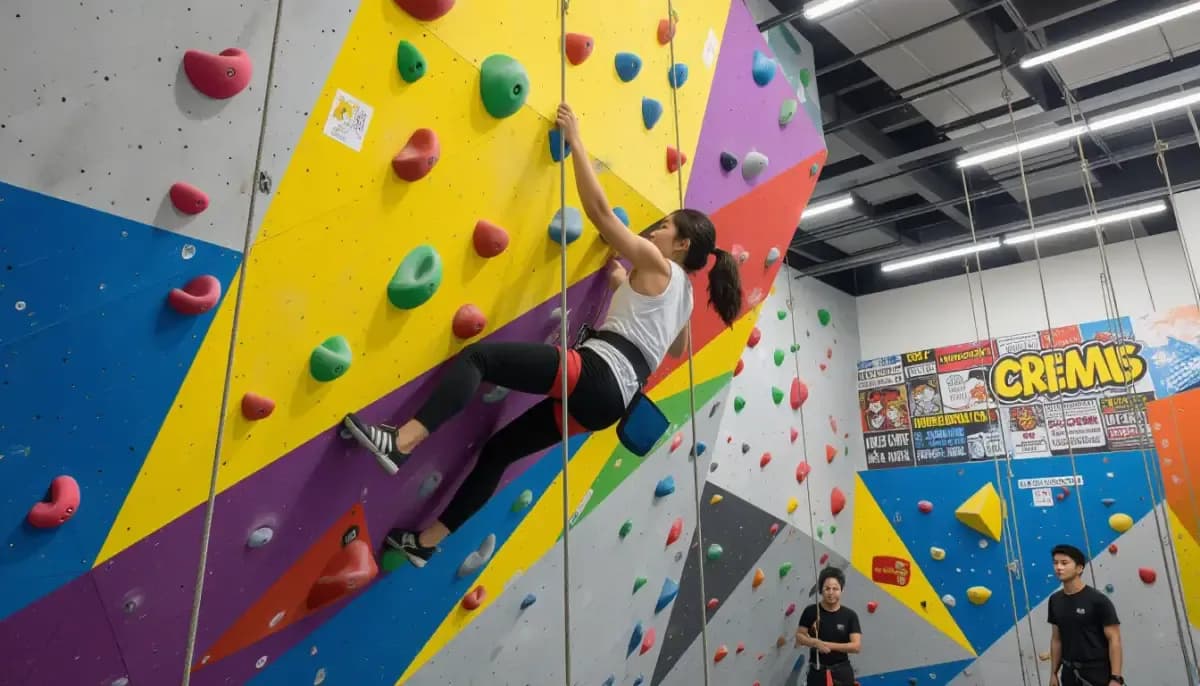
Rock Climbing and Bouldering in Japan Guide
Complete guide to rock climbing and bouldering in Japan for foreigners. Discover 97+ gyms, top outdoor crags, costs, grading systems, and cultural etiquette tips.
Read more →
Playing Golf in Japan Guide for Foreign Residents
Complete guide to playing golf in Japan for foreigners. Learn about booking tee times, green fees (¥7,000–¥12,000), etiquette, dress codes, club membership, and the best golf courses across Japan.
Read more →
Best Fitness and Workout Apps Available in Japan
Discover the best fitness and workout apps available in Japan for foreigners. From FiNC to Nike Run Club, YAMAP to MyFitnessPal—a complete 2025 guide for expats.
Read more →
Winter Sports in Japan Skiing Snowboarding and More
Complete guide to winter sports in Japan for foreigners. Discover the best ski resorts, costs, tips for skiing and snowboarding, and unique winter activities like drift ice walking and onsen après-ski.
Read more →
Japanese Gym Etiquette Every Foreigner Should Know
Learn essential Japanese gym etiquette rules: tattoo policies, indoor shoes, towel requirements, locker room rules, and how to join a gym in Japan as a foreigner.
Read more →
Cycling Culture and Fitness Riding in Japan
Discover Japan's cycling culture and how to ride for fitness as a foreigner. Covers bike types, road rules, 2026 laws, top routes, bike share, and joining cycling communities.
Read more →