
Martial Arts Training in Japan Guide for Foreigners

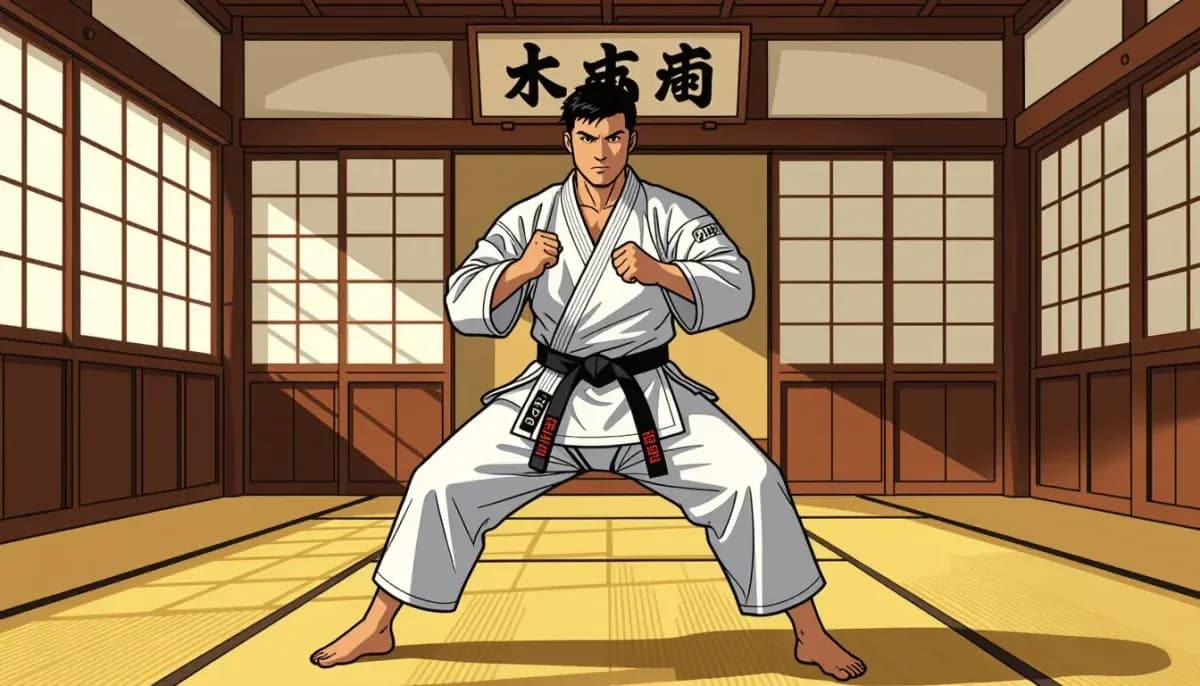
Discover how foreigners can train martial arts in Japan. Complete guide covering types of martial arts, how to find a dojo, costs, etiquette, visas, and practical tips for expats.
Martial Arts Training in Japan: The Complete Guide for Foreigners
Japan is the birthplace of some of the world's most respected martial arts — karate, judo, kendo, aikido, and more. For foreigners living in or visiting Japan, training in these disciplines offers a unique opportunity to connect with Japanese culture at its deepest level. Whether you are a complete beginner or an experienced practitioner, this guide will help you navigate the world of Japanese martial arts training.
!Martial arts training in a traditional Japanese dojo

Why Train Martial Arts in Japan?
Training martial arts in Japan is an experience unlike anywhere else in the world. You are training at the source — in the country where these arts were born, refined, and elevated to a philosophy of life.
Approximately 100 million people across 192 countries practice karate alone. But there is a world of difference between practicing an art in your home country and training it on Japanese soil, under Japanese instructors, in traditional dojos that have shaped the art for centuries.
Beyond technique, martial arts in Japan teach discipline, respect, perseverance, and humility — values deeply embedded in Japanese culture. Many foreigners find that training becomes the most meaningful part of their life in Japan, building lifelong friendships and a deep appreciation for Japanese culture and etiquette.
For more on adapting to life in Japan, check out our guide to Japanese culture and etiquette.
Major Martial Arts Available in Japan
Japan offers a rich variety of martial arts, each with its own philosophy, techniques, and training style. Here is an overview of the most accessible options for foreigners:
| Martial Art | Focus | Difficulty | Competition | Best For |
|---|---|---|---|---|
| Karate | Striking (punches, kicks) | Beginner-friendly | Yes | All ages, fitness |
| Judo | Throws, takedowns | Moderate | Yes | Strength, grappling |
| Kendo | Sword fighting (bamboo) | Moderate | Yes | Discipline, focus |
| Aikido | Defensive techniques | Moderate | No | Harmony, philosophy |
| Iaido | Sword drawing | Moderate-Hard | No | Zen, meditation |
| Brazilian Jiu-Jitsu | Ground grappling | Beginner-friendly | Yes | Self-defense |
| Muay Thai / Kickboxing | Striking | Beginner-friendly | Yes | Fitness, striking |
| Jujutsu | Joint locks, throws | Moderate-Hard | Varies | Traditional arts |
Karate originated in Okinawa and is one of Japan's most globally recognized martial arts. It focuses on strikes using punches, kicks, and open-hand techniques. Multiple substyles (Shotokan, Goju-ryu, Wado-ryu, Shito-ryu) are practiced across Japan.
Judo was developed by Jigoro Kano in 1882 and emphasizes throws and takedowns rather than strikes. The Kodokan Judo School in Tokyo is the international headquarters and features a dedicated International Department with English language services — making it one of the most foreigner-friendly training options in Japan.
Kendo, the "Way of the Sword," is a modern martial art descended from samurai swordsmanship. Practitioners wear protective armor and use bamboo swords (shinai) to strike defined targets on the head, wrists, and torso.
Aikido is a defensive martial art founded in the 20th century that emphasizes neutralizing attacks through redirection and joint manipulation, without tournaments or competitive fighting.
Iaido is the art of drawing and cutting with a Japanese sword. It is meditative and highly precise, attracting practitioners interested in the philosophical and Zen aspects of martial arts.
Can Foreigners Train Martial Arts in Japan Without Speaking Japanese?
The short answer is yes — and many foreigners do so successfully. Japanese martial arts instructors and foreign students alike emphasize that language is rarely a barrier when you approach training with sincerity and effort.
As one karate instructor put it: "It's not about understanding with the brain. It's about seeing what's going on and copying it." In the beginning, most training is learning through watching and imitation. Over time, you naturally absorb terminology — words like yokete (avoid) and hiji (elbow) — through repetition in context.
Tips for training without Japanese:
- Watch and copy first — Do not wait for full verbal instruction. Observe your senior classmates (senpai) and mirror their movements.
- Show effort — Instructors value students who clearly try to communicate and learn, even if imperfectly.
- Learn basic dojo phrases — Simple Japanese words and phrases show respect and make interaction smoother.
- Choose English-friendly dojos when starting — Many Tokyo dojos advertise English instruction for beginners.
For foreigners building their Japanese language skills, see our guide on learning Japanese as a foreigner.
GaijinPot has an excellent guide on practicing martial arts in Japan without Japanese with specific dojo recommendations across Tokyo, Kyoto, Fukuoka, and other cities.
How to Find a Dojo in Japan
Finding the right dojo requires some research, but the options are plentiful across Japan.
National Federations are a great starting point:
- Japan Karate Federation (全日本空手道連盟) — lists affiliated dojos nationwide
- All Japan Judo Federation (全日本柔道連盟) — connects you with local judo clubs
- All Japan Kendo Federation (全日本剣道連盟) — comprehensive kendo dojo directory
- Aikikai Foundation — the headquarters of Aikido, with resources for foreign visitors at their Tokyo Honbu Dojo
Online Resources:
- Search "[martial art] dojo [city name]" in both English and Japanese
- BudoJapan.com maintains a Budo Dojo Guide for foreigners
- GaijinPot, Meetup, and Facebook groups for expats often have recommendations
Key Rules for Approaching a Dojo:
- Always contact the dojo in advance — never just show up. Japan's formal culture means arriving unannounced is considered rude.
- Send a polite email or inquiry explaining your background and interest.
- Be prepared for a trial class (taiken) — most dojos offer one or more trial sessions before you commit.
Plaza Homes has a detailed guide to martial arts dojos in Tokyo covering English-instruction options.
For more practical guidance on daily life in Japan, see our daily life in Japan guide for foreigners.
Dojo Etiquette: What Every Foreigner Must Know
Respect is the foundation of every Japanese dojo. Called reigi (礼儀), dojo etiquette reflects the deeper values that martial arts training is meant to cultivate. Breaking etiquette — even accidentally — can be isolating, but most instructors are forgiving of honest mistakes from foreigners.
Core etiquette rules:
- Bow when entering and leaving the dojo — This is non-negotiable. Bow to the shomen (front of the dojo) and to your instructor upon entry and exit.
- Wear a clean uniform (dogi or gi) — Always arrive with a clean, properly fitting uniform. Personal hygiene is also important — trim nails, keep feet clean.
- Address your instructor as Sensei — Never use first names. Senior students are called senpai, and you as a newcomer are kohai.
- No shoes on the mat — Stepping on the training mat with shoes is a serious breach of etiquette.
- Phones away — Keep mobile phones off or silent and out of sight during training.
- Arrive on time — Lateness is disrespectful. If you must arrive late, wait at the edge of the mat and ask permission to join.
- Do not argue with the instructor — Even if you disagree with a technique, respectful deference to the Sensei is expected.
The senpai-kohai hierarchy in Japanese dojos goes beyond martial arts — it reflects broader Japanese social structures. As a newcomer, your role is to observe, learn, and defer to experience.
For a broader understanding of Japanese social customs and respect culture, read our guide on Japanese culture and etiquette.
Costs of Martial Arts Training in Japan
Training costs vary widely depending on the martial art, the dojo, and the location. Here is a general guide:
| Martial Art / Type | Monthly Fee (Approx.) | Notes |
|---|---|---|
| Community/Ward dojos | ¥2,000–¥5,000 | Government-subsidized, very affordable |
| Private karate dojo | ¥5,000–¥15,000 | Varies by frequency |
| Judo (Kodokan) | ¥6,000–¥10,000 | International Dept. available |
| Kendo club | ¥3,000–¥8,000 | Equipment costs extra |
| Aikido (Aikikai) | ¥8,000–¥15,000 | Honbu Dojo in Shinjuku |
| Commercial BJJ gym | ¥10,000–¥20,000 | Typically unlimited sessions |
| Muay Thai / Kickboxing | ¥8,000–¥18,000 | Urban gyms, English common |
Community recreation centers (kominkan) and city ward sports facilities often offer subsidized martial arts classes at very low cost. These can be excellent entry points for beginners.
Equipment costs should also be budgeted:
- Karate gi: ¥3,000–¥10,000
- Judo gi: ¥5,000–¥15,000
- Kendo armor (bogu): ¥30,000–¥100,000+ (often borrowed when starting)
- Iaido sword (iato/shinken): ¥20,000–¥200,000+
For budgeting help, see our cost of living in Japan guide.
Martial Arts Visas and Long-Term Training
If you want to spend an extended period in Japan purely for martial arts training, there are visa options to consider.
Cultural Activities Visa (文化活動ビザ) allows foreigners to stay in Japan for 6 months to 1 year to study traditional Japanese cultural arts, including judo, kendo, kyudo (archery), aikido, and other traditional disciplines. To qualify, you need:
- A sponsoring organization (a registered dojo or federation)
- Proof of sufficient funds to support yourself (cultural visas do not permit working)
- A structured training plan
Student Visa — Some specialized martial arts schools offer formal enrollment programs that qualify for a student visa.
Working Holiday Visa — Young citizens of eligible countries can train alongside working in Japan.
For comprehensive visa information, see our Japan visa and immigration guide.
Living in Nihon offers practical guidance for foreigners living in Japan covering housing, visas, and daily life essentials that complement your martial arts journey.
For Work in Japan provides career and community resources for expats including finding sports circles and hobby groups.
Ittenshoku offers IT career guidance and expat resources in Japan that can help you plan your overall life in Japan.
Making the Most of Your Martial Arts Journey in Japan
Training martial arts in Japan is more than physical exercise — it is an immersion into Japanese culture, language, and philosophy. Here are practical tips to maximize the experience:
Join a social community — Martial arts dojos naturally create strong bonds. Use training as a springboard for making Japanese friends. Many long-term expats say the dojo was the single best place to form authentic friendships with Japanese people.
Supplement with language study — Even basic Japanese dramatically improves your dojo experience. Learning dojo terminology, polite forms of address, and conversational basics will earn you deep respect from instructors and classmates. See our guide on learning Japanese.
Attend regional and national tournaments — Even as a spectator first, watching high-level competition exposes you to the art at its finest and builds motivation.
Participate in Japanese festivals — Many dojos participate in local festivals and cultural events. Joining these activities deepens your integration into the community. Learn more about Japanese festivals and traditions.
Be patient — Progress in Japanese martial arts is measured in years, not weeks. Embrace the journey and enjoy the process rather than focusing only on rank or technique milestones.
The Japan Living Guide has a comprehensive listing of karate dojos across Japan as a starting point for finding your dojo.
Conclusion
Martial arts training in Japan offers foreigners one of the most authentic and rewarding ways to connect with Japanese culture. With hundreds of dojos across the country welcoming international practitioners, a wide variety of disciplines to choose from, and a culture of deep respect and community, the barriers are lower than you might expect.
Start with proper research, approach your chosen dojo respectfully, embrace the etiquette and hierarchy, and commit to the journey. Whether you train for fitness, self-defense, competition, or spiritual development, the dojo will become one of the most meaningful places in your life in Japan.
Ready to begin your life in Japan? Explore our complete guide to moving to Japan and daily life in Japan for foreigners.

Originally from Vietnam, living in Japan for 16+ years. Graduated from Nagoya University, with 11 years of professional experience at Japanese and international companies. Sharing information about living in Japan for foreigners.
View Profile →Related Articles
Rock Climbing and Bouldering in Japan Guide
Complete guide to rock climbing and bouldering in Japan for foreigners. Discover 97+ gyms, top outdoor crags, costs, grading systems, and cultural etiquette tips.
Read more →
Playing Golf in Japan Guide for Foreign Residents
Complete guide to playing golf in Japan for foreigners. Learn about booking tee times, green fees (¥7,000–¥12,000), etiquette, dress codes, club membership, and the best golf courses across Japan.
Read more →
Best Fitness and Workout Apps Available in Japan
Discover the best fitness and workout apps available in Japan for foreigners. From FiNC to Nike Run Club, YAMAP to MyFitnessPal—a complete 2025 guide for expats.
Read more →
Winter Sports in Japan Skiing Snowboarding and More
Complete guide to winter sports in Japan for foreigners. Discover the best ski resorts, costs, tips for skiing and snowboarding, and unique winter activities like drift ice walking and onsen après-ski.
Read more →
Best Outdoor Fitness Activities in Japan
Discover the best outdoor fitness activities in Japan for foreigners — from free park workouts and running clubs to hiking trails, cycling routes, and water sports. Complete guide with costs and tips.
Read more →
Japanese Gym Etiquette Every Foreigner Should Know
Learn essential Japanese gym etiquette rules: tattoo policies, indoor shoes, towel requirements, locker room rules, and how to join a gym in Japan as a foreigner.
Read more →