
Yoga and Pilates Studios in Japan for Foreigners

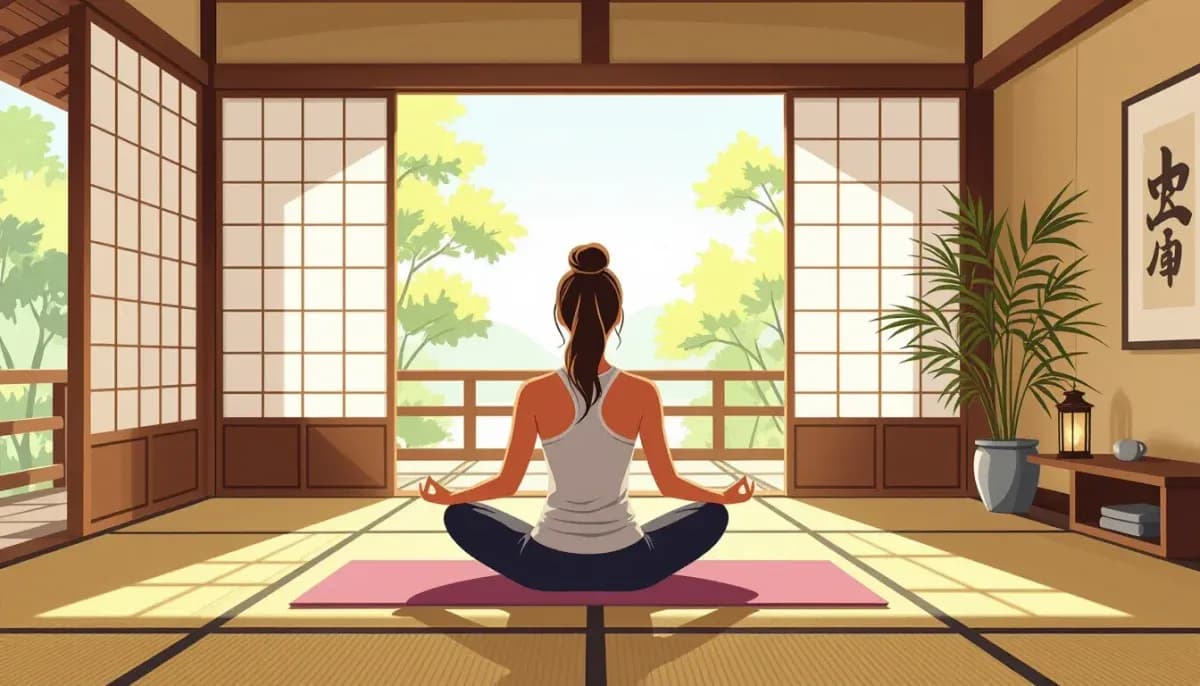
Find the best yoga and pilates studios in Japan for foreigners. Discover English-friendly studios in Tokyo, Osaka, and beyond—with prices, tips, and how to join as an expat.
Yoga and Pilates Studios in Japan for Foreigners: Your Complete Guide
Japan's wellness scene has exploded in recent years, and yoga and pilates have become core pillars of the country's fitness culture. Whether you're a long-term expat looking for a regular studio or a short-term visitor wanting to maintain your practice, Japan has an impressive range of options—many of which are surprisingly foreigner-friendly with English instruction available. This guide covers everything you need to know about finding and joining yoga and pilates studios in Japan as a foreigner.
Why Japan is a Great Place for Yoga and Pilates
Japan's yoga and pilates market has grown dramatically. According to market research, Japan's pilates and yoga studio sector reached USD 11.7 billion in 2025 and is projected to hit USD 25.2 billion by 2034—a CAGR of nearly 9%. Japan is now ranked among the top 5 countries driving the global wellness market, alongside the USA, EU, South Korea, and the UK.
This growth means more studios, better facilities, and increasingly, more English-language options catering to the growing expat and international community. Boutique studios with personalized instruction, small class sizes, and bilingual staff are on the rise across all major cities.
For foreigners, this is great news: you no longer need to navigate entirely in Japanese. Many studios now explicitly cater to non-Japanese speakers, and apps like ClassPass make booking in English straightforward.
For more about settling into daily life in Japan, check out our Complete Guide to Daily Life in Japan for Foreigners.
Top Yoga Studios in Tokyo for English Speakers
Tokyo offers the widest range of yoga studios with English instruction. Here are the best options:
Yoga Tree (Hiroo)
Yoga Tree is one of Tokyo's most popular international yoga studios, located just a 1-minute walk from Hiroo Station. Daily classes are conducted in both English and Japanese, making it ideal for expats at all levels. Focus areas include postures for health, strength, balance, and mobility.
- Price: ¥3,000+ per class; ¥12,000 for a 5-class ticket
- Location: Hiroo, Shibuya-ku (near Hiroo Station)
- Booking: Online reservations required
Under the Light Yoga School (UTL) (Yoyogi)
Japan's largest yoga teacher training center, UTL has been operating since 2006 and offers over 250 in-studio and 200 online yoga classes monthly. It's also a Yoga Alliance certified school offering RYT200 and RYT500 programs—ideal for foreigners looking to deepen their practice or get certified in Japan.
- Price: ¥3,000 drop-in
- Location: Yoyogi, Shibuya-ku
- Highlight: Some classes conducted primarily in English by international instructors
Nami Yoga Studio (Akasaka)
A fully bilingual yoga studio offering classes in both English and Japanese since 2013. Nami Yoga covers a wide range of styles including Hatha, Flow, Vinyasa, Core Power, Yin, Restorative, and Meditation. They also offer corporate yoga programs.
- Price: ¥3,500+ drop-in; ¥20,000/month for unlimited annual membership
- Location: Akasaka, Minato-ku
- Highlight: True bilingual instruction with English as a first-class option
Sun & Moon Yoga (Shinagawa)
Known for its fully English booking interface, Sun & Moon Yoga makes the sign-up process painless for foreigners. Online classes are available at ¥2,000 and in-person at ¥3,000.
Mint Mat Yoga Studio (Hiroo)
A boutique studio in a peaceful, green setting near Hiroo Station. The trial class at ¥3,000 is a great way to experience the studio before committing to a monthly pass.
- Price: ¥3,000 trial; ¥14,000 for a 5-class monthly pass
For more information about staying healthy in Japan, see our Complete Guide to Healthcare in Japan for Foreigners.
Top Pilates Studios in Tokyo for Foreigners
Re-Juvenate Pilates (Omotesando)
Re-Juvenate Pilates is Tokyo's premier bilingual classical Pilates studio, located in the upscale Omotesando neighborhood. The studio specializes in machine Pilates using Merrithew equipment (reformers, cadillac, tower, and barrel) and offers both group and private lessons.
Instructors are fully bilingual, speaking both Japanese and English fluently—making it one of the most welcoming studios for expats. The studio actively serves foreigners, expats, athletes, and professionals.
- Location: Omotesando, Minato-ku
- Equipment: Full Merrithew Pilates apparatus
- Website: re-juvenatepilates.com
My Body My Pilates (Hiroo/Roppongi)
Specializing in reformer and clinical Pilates, My Body My Pilates serves the Hiroo and Roppongi expat communities. It's known for therapeutic and rehabilitation-focused Pilates work, making it popular with foreigners dealing with sports injuries or postural issues.
- Location: Hiroo and Roppongi, Tokyo
zen place: Japan's Largest Yoga and Pilates Network
If you want the most convenient option with the widest coverage, zen place is Japan's largest yoga and pilates studio network. With over 100 studios in major cities including Tokyo, Osaka, Nagoya, Sapporo, and Fukuoka, zen place makes it easy to practice no matter where you live in Japan.
Key features for foreigners:
- English-speaking educators available at many locations
- Over 600 certified Pilates instructors
- Classes run from 6:00 AM to 10:00 PM
- More than 200 annual workshops, many led by English-speaking international instructors
- Collaboration with BASI Pilates, Balanced Body, and YogaWorks
- Classes for all levels from beginner to advanced
zen place offers Pilates Mat classes (great for beginners), Reformer Pilates Machine classes (for intermediate practitioners), and private lessons. Their English-language website makes booking easy for non-Japanese speakers.
Website: zenplace.co.jp/en
Yoga and Pilates Studios Outside Tokyo
Tokyo gets most of the attention, but other major cities have excellent options too:
Osaka
The Vancouver Sky Studio in Osaka offers yoga and pilates classes in English, located conveniently in front of Nakanoshima Park. The studio brings a Canadian wellness aesthetic to Osaka, with classes taught in English and Japanese. Some classes are fully in English; others use both languages depending on who shows up.
Kyoto
Nami Yoga Studio (mentioned above) also has a Kyoto location, making it one of the few bilingual studios with a multi-city presence.
Other Cities
In cities like Nagoya, Sapporo, and Fukuoka, zen place's network is your best bet for English-friendly options. In smaller cities and towns, you may need to rely on Japanese-language studios—but many instructors are willing to accommodate foreigners with basic English or patience.
For tips on navigating Japan's transportation system to reach your studio, see our Complete Guide to Transportation in Japan.
Comparing Yoga and Pilates Costs in Japan
Understanding the cost structure before you sign up can save you money. Here's a breakdown:
| Type | Option | Estimated Cost |
|---|---|---|
| Yoga | Drop-in single class | ¥2,000–¥5,000 |
| Yoga | 5-class ticket | ¥10,000–¥20,000 |
| Yoga | Monthly unlimited membership | ¥10,000–¥30,000 |
| Pilates | Private session (machine) | ¥8,000–¥15,000 |
| Pilates | Group reformer class | ¥3,000–¥7,000 |
| Pilates | 5-class package | ¥15,000–¥30,000 |
| Online | Single class | ¥1,500–¥3,000 |
| Trial | First-time trial class | ¥1,000–¥3,000 |
Tips to save money:
- Many studios offer discounted trial classes for first-time visitors—always ask
- Annual memberships offer the best per-class rate if you're staying long-term
- Online classes are significantly cheaper and often bilingual
- Use ClassPass (available in Japan) to access multiple studios on one subscription
- Public sports centers (スポーツセンター) run by local governments often offer yoga classes at ¥500–¥1,000
How to Find and Join a Studio as a Foreigner
Step 1: Research Before Committing
Use English-language resources to find studios near your home or workplace. Sites like ForeignerOK list yoga and pilates studios specifically rated for foreigner-friendliness. MailMate's guide provides detailed comparisons of English-friendly studios in Tokyo.
Step 2: Book a Trial Class First
Almost every studio in Japan offers a first-time trial class (体験レッスン, taiken ressun) at a discounted rate. This is a great way to assess the English level, atmosphere, and teaching style before committing to a membership.
Step 3: Understand the Membership Structure
Japanese studios often require:
- Account registration before your first class (usually online)
- Monthly direct debit for membership plans
- Advance booking for popular classes
Some studios have cancellation fees, so read the terms carefully. If you're a short-term visitor, look specifically for studios with day-pass or drop-in options.
Step 4: Learn Basic Japanese Terms
Even in English-friendly studios, knowing a few terms helps:
| Japanese | Romaji | Meaning |
|---|---|---|
| ヨガ | Yoga | Yoga |
| ピラティス | Pirateisu | Pilates |
| 体験レッスン | Taiken ressun | Trial lesson |
| 初心者 | Shoshinsha | Beginner |
| 月謝 | Gessho | Monthly fee |
| 回数券 | Kaisuuken | Class ticket pack |
| 予約 | Yoyaku | Reservation |
| キャンセル | Kyanseru | Cancellation |
Step 5: Use Apps and Online Booking
ClassPass operates in Japan and gives you access to multiple studios in Tokyo and Osaka with one monthly subscription. This is particularly useful if you're not ready to commit to a single studio or if you travel frequently within Japan.
For more context about fitness culture and daily routines in Japan, the team at Living in Nihon provides helpful guides for expats settling into Japanese life. If you're balancing work and wellness, For Work in Japan has resources on work-life balance for foreigners employed in Japan.
Yoga Teacher Training in Japan
If you're interested in deepening your yoga practice or becoming a certified instructor while living in Japan, there are several excellent options:
Under the Light Yoga School (UTL) offers Yoga Alliance-certified RYT200 and RYT500 programs in Tokyo. This is particularly appealing for foreigners who want internationally recognized credentials they can use back home or teach in Japan.
zen place also offers teacher training programs through their partnerships with BASI Pilates and YogaWorks.
For career transitions and working legally in Japan, check out resources at Ittenshoku which focuses on professional development in the Japanese job market.
Cultural Considerations for Yoga and Pilates in Japan
Japanese studio culture has a few unique aspects worth knowing:
- Punctuality is essential: Arrive 5–10 minutes early. Showing up late is considered disrespectful
- Remove shoes at the entrance (there will be a shoe rack or locker area)
- Quiet atmosphere: Japanese studios tend to be quieter and more focused than Western studios—chat is kept to a minimum
- Tattoos: Visible tattoos are generally accepted in yoga and pilates studios (unlike public baths/onsens)
- No comparing: Japanese culture values effort over comparison, so don't worry about being the least flexible person in the room
- Payment etiquette: Many studios prefer cashless payment (credit card or app), though some accept cash
For a deeper understanding of Japanese cultural norms, our Complete Guide to Japanese Culture and Etiquette for Foreigners is a great resource.
Conclusion: Finding Your Wellness Home in Japan
Japan offers an exceptional yoga and pilates scene for foreigners—especially in Tokyo and Osaka. Whether you want the personalized experience of a boutique bilingual studio like Re-Juvenate Pilates, the large network convenience of zen place, or the community atmosphere of a neighborhood yoga studio, there's something for every level and budget.
The key is to take advantage of trial classes, use English booking platforms, and not be afraid to ask studios about their English capabilities. The wellness community in Japan is welcoming, and most studios are happy to accommodate non-Japanese speakers.
With the market growing rapidly and more bilingual options appearing every year, there's never been a better time to maintain your yoga or pilates practice as a foreigner in Japan.
For more tips on building a fulfilling life in Japan, explore our guides on Making Friends and Social Life in Japan and Shopping in Japan for Foreigners.

Originally from Vietnam, living in Japan for 16+ years. Graduated from Nagoya University, with 11 years of professional experience at Japanese and international companies. Sharing information about living in Japan for foreigners.
View Profile →Related Articles
Rock Climbing and Bouldering in Japan Guide
Complete guide to rock climbing and bouldering in Japan for foreigners. Discover 97+ gyms, top outdoor crags, costs, grading systems, and cultural etiquette tips.
Read more →
Playing Golf in Japan Guide for Foreign Residents
Complete guide to playing golf in Japan for foreigners. Learn about booking tee times, green fees (¥7,000–¥12,000), etiquette, dress codes, club membership, and the best golf courses across Japan.
Read more →
Best Fitness and Workout Apps Available in Japan
Discover the best fitness and workout apps available in Japan for foreigners. From FiNC to Nike Run Club, YAMAP to MyFitnessPal—a complete 2025 guide for expats.
Read more →
Winter Sports in Japan Skiing Snowboarding and More
Complete guide to winter sports in Japan for foreigners. Discover the best ski resorts, costs, tips for skiing and snowboarding, and unique winter activities like drift ice walking and onsen après-ski.
Read more →
Best Outdoor Fitness Activities in Japan
Discover the best outdoor fitness activities in Japan for foreigners — from free park workouts and running clubs to hiking trails, cycling routes, and water sports. Complete guide with costs and tips.
Read more →
Japanese Gym Etiquette Every Foreigner Should Know
Learn essential Japanese gym etiquette rules: tattoo policies, indoor shoes, towel requirements, locker room rules, and how to join a gym in Japan as a foreigner.
Read more →