
How to Join a Sports Team in Japan as a Foreigner

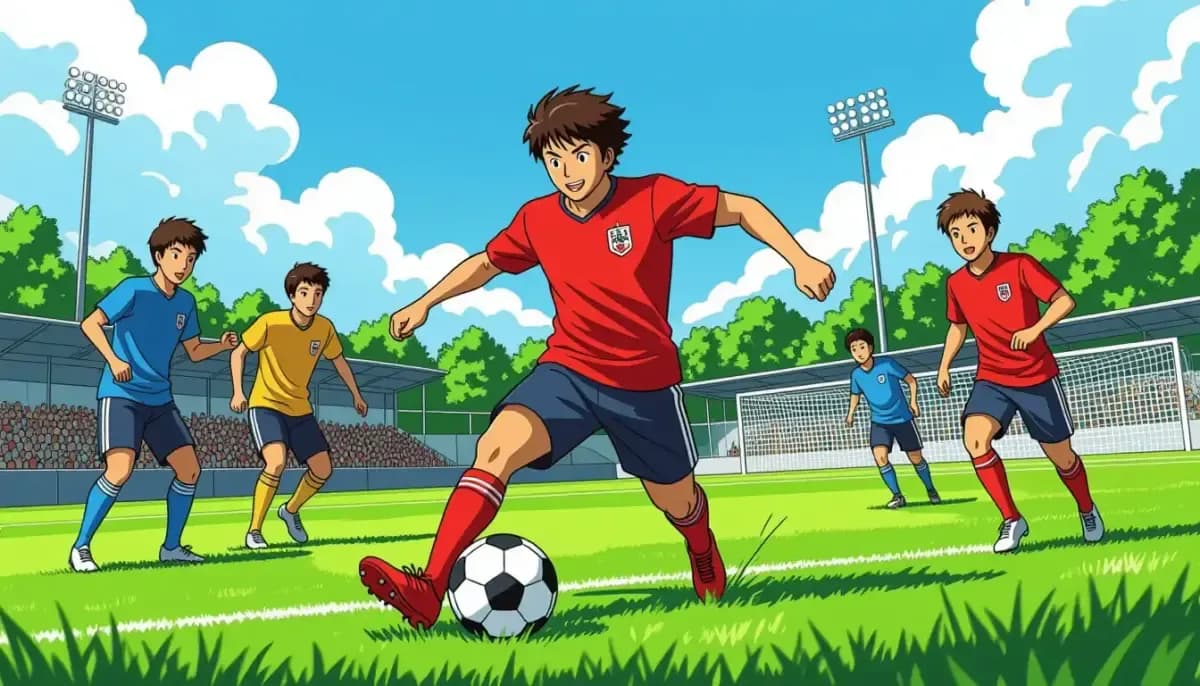
Complete guide to joining sports teams and clubs in Japan as a foreigner. Find rugby, futsal, running, and martial arts clubs, understand Japanese team culture, and discover the best resources for expat athletes.
How to Join a Sports Team in Japan as a Foreigner
Moving to Japan is an exciting adventure, but building a social life can feel challenging — especially if your Japanese is still a work in progress. One of the best ways to make friends, stay active, and feel genuinely part of your community is by joining a local sports team or club. Japan has a thriving amateur sports culture, and the good news is that foreigners are welcome in more places than you might expect.
Whether you want to play rugby on Sundays, kick a ball around at futsal, go for group runs on weekday evenings, or try something completely new like dragon boat racing, there is a team waiting for you somewhere in Japan. This guide walks you through everything you need to know about finding, joining, and thriving in a Japanese sports team as a foreigner.
Why Joining a Sports Team in Japan Is Worth It
Sport plays a central role in Japanese society. Over 50% of Japanese adults engage in sports on a weekly basis, and the country's culture of group activities (集団活動, shūdan katsudō) makes sports clubs a natural hub for community life. For foreigners, being part of a team unlocks benefits that go far beyond fitness.
Social integration: Nothing breaks down language barriers quite like shared effort on a playing field. Even with minimal Japanese, the universal language of sport — cheering, celebrating, commiserating — creates real bonds.
Mental health: Regular physical activity and a sense of belonging are among the biggest predictors of wellbeing for expats. Many foreigners report that joining a sports team was the turning point that made Japan feel like home. If you're navigating the emotional ups and downs of expat life, check out our guide to mental health and wellbeing in Japan.
Cultural immersion: Joining a team with Japanese members gives you an inside look at workplace-style discipline, group hierarchy, and the unspoken rules of Japanese social life — all delivered in a fun, low-pressure context.
Language practice: Playing alongside Japanese teammates is one of the most effective (and enjoyable) ways to pick up practical, conversational Japanese. Pair your sports life with our guide to learning Japanese for even faster progress.
Types of Sports Clubs Available in Japan
Japan's amateur sports scene is vast. Here is a breakdown of the most popular options for foreigners, from all-foreigner clubs to fully integrated Japanese teams:
| Sport | Club Example | Cost per Session | Language | Foreigner-Friendly |
|---|---|---|---|---|
| Rugby (15s) | Tokyo Gaijin RFC | ~¥1,000–¥2,000 | English OK | Excellent |
| Futsal | Tokyo Gaijins Futsal Club | ¥1,000 | English OK | Excellent |
| Tennis | Tokyo Gaijins Tennis Club | ¥3,000–¥3,500 | English OK | Excellent |
| Running | Park Run Japan | Free | Any | Excellent |
| Running | 080 Tokyo | Free | English | Excellent |
| Dragon Boat | TaitamX Dragons | ¥1,000 | Mixed | Very Good |
| Gaelic Football | Nippon GAA | ¥5,000+/year | English | Excellent |
| Badminton | Tokyo Badcox | ~¥500–¥1,000 | Mixed | Good |
| Basketball | TKG Basketball | Varies | Mixed | Good |
| Cycling | Half Fast Cycling Tokyo | Free | English | Excellent |
Foreigner-Founded Clubs
These clubs were created by or for expats and have large English-speaking memberships. They often have English social media pages, email lists, and a welcoming attitude toward new members of any nationality.
- Tokyo Gaijin Rugby Football Club — The largest rugby club in the capital, with players from all over the world competing in Tokyo's amateur leagues and the Tokyo Rugby Cup. Practices on Sundays.
- Tokyo Gaijins Futsal Club — Indoor 5-on-5 soccer at Aquafield Shiba-koen in Minato ward, just ¥1,000 a session. A decent skill level is expected.
- Tokyo Gaijins Tennis Club — Multiple weekly sessions in Shibaura, Minato ward. Sessions cost ¥3,000–¥3,500 with racket rental available for ¥500. All skill levels welcome.
- Nippon GAA — Gaelic football and hurling, with student memberships from as little as ¥5,000 per year. A genuinely unique experience.
International Mixed Clubs
These clubs have both foreign and Japanese members and typically operate in a mix of languages.
- All France Rugby Club (AFRC) — "French or not, everyone is welcome." English and French spoken. Hosts the annual AFRC Cup.
- Komae Touch Rugby Club — Light-contact rugby run by Japanese locals who speak English.
- Eastern Capital Football Club — Mixed local and foreign soccer players.
Foreigner-Friendly Japanese Clubs
Some Japanese community sports clubs (サークル, sākuru) actively welcome foreigners. These tend to be more integrated, more in Japanese, and more socially rewarding if you're aiming for true immersion.
How to Find Sports Clubs in Japan
Finding the right club takes a little detective work, but the resources are out there.
Online Platforms
Meetup.com is the single best resource for English-speaking sports groups in Japan. Search "Tokyo running," "Osaka basketball," or "Kyoto hiking" and you'll find dozens of active groups. Many clubs post their schedules there even if they have a separate main website.
Facebook Groups are essential. Search for your sport + Japan or your city name. Groups like "Tokyo Gaijins" and "Osaka Expats" often have sports sub-groups and announcement boards. Event postings fill up regularly.
Line — Japan's dominant messaging app — is how most Japanese sports clubs coordinate. Once you join a team, expect to be added to a Line group for schedules and announcements.
Reddit communities like r/japanlife often have monthly threads where people advertise sports clubs looking for members. It's worth a search before you start from scratch.
Offline Channels
Your ward office (区役所, *kuyakusho*) is an underrated resource. Staff can point you toward local community sports clubs and recreational leagues. Many ward offices have multilingual pamphlets listing activities, and some even run foreigner-friendly programs directly.
Community centers (公民館, *kōminkan*) — These neighborhood facilities host an enormous variety of clubs, from volleyball and badminton to table tennis and traditional martial arts. Prices are usually very low (¥200–¥500 per session).
Notice boards at supermarkets, gyms, international schools, and university campuses often have flyers for local clubs.
For a broader guide to building a social life in Japan, see our guide to making friends and social life in Japan.
For more resources and tips on finding sports clubs and hobby groups in Japan, check out Living in Nihon's hobbies and leisure guide and For Work in Japan's sports club guide.
What to Expect When You Join a Japanese Sports Club
Understanding what you're walking into makes the experience much smoother.
Japanese Club Culture
Japanese sports clubs — even casual amateur ones — often reflect broader workplace culture. There is typically:
- A hierarchy based on seniority (先輩・後輩, senpai/kōhai). New members, regardless of ability, are usually expected to show deference.
- Group duties like cleaning up the venue, setting up equipment, or helping organize events.
- Post-practice social time (打ち上げ, uchi-age) at a nearby izakaya or restaurant. This is not optional in spirit — it's where real friendships form.
- Commitment expectations: Unlike in many Western countries, showing up consistently matters. Disappearing for a few weeks without explanation can cause friction.
Language
Most foreigner-founded clubs run in English. Japanese clubs vary widely — some will have members who speak English, others will not. Either way, sports vocabulary is limited and pickable: "nice!" (ナイス!), "OK!" and numbers in Japanese go a long way.
Don't let a language barrier stop you from trying a Japanese club. Many coaches and teammates are delighted to have foreign members and will work to communicate. Our Japanese language learning guide can help you pick up the basics before your first session.
Costs
Amateur sports in Japan is generally affordable:
- Free to low-cost: Running clubs, cycling groups, Park Run
- Session fees: ¥500–¥3,500 per session for most team sports
- Annual memberships: ¥5,000–¥30,000 for more structured clubs
- Equipment: Varies by sport; many clubs have loaners for beginners
For context on living costs in Japan more broadly, see our cost of living guide.
Popular Sports to Try as a Foreigner in Japan
Rugby
Japan has embraced rugby passionately since hosting the 2019 Rugby World Cup. Amateur leagues exist across the country, and clubs like the Tokyo Gaijin RFC and Tokyo Crusaders welcome all comers. Touch rugby is a great low-impact entry point.
Running
Running is perhaps the most accessible sport in Japan. Park Run Japan offers free, timed 5K events weekly at locations around the country — just register online and show up. 080 Tokyo runs weekly English-friendly evening runs near Yoyogi and Shibuya. The serious Namban Rengo club is for competitive runners training for races across Japan.
Futsal and Soccer
Japan has a passionate football culture, and the amateur scene is active. The Tokyo Gaijins Futsal Club is a great starting point. The J.League allows each top-flight club to include five foreign players, showing how mainstream foreign participation is at every level. For community-level soccer, ward sports centers often run open futsal sessions.
Martial Arts
Japan is the home of judo, karate, aikido, and kendo. Dojos across the country accept beginners, many have English-speaking instructors, and the experience of training in the birthplace of your martial art is unmatched. The Japan Karate Association and Ki Society (aikido) both have international programs welcoming foreign members.
Dragon Boat Racing
TaitamX Dragons is an English-friendly dragon boat team operating in Tokyo, with sessions at just ¥1,000. No prior experience required — it's one of the best team sports for instantly feeling part of a crew.
For more options on fitness and sports in Japan, our fitness and sports guide covers gyms, martial arts, outdoor activities, and more. You can also find comprehensive social group listings at GaijinPot's social fitness guide and Tokyo Cheapo's sports clubs guide.
Tips for Making the Most of Your Sports Team Experience
Go to the after-party. The social gathering after practice (often at an izakaya) is where Japanese team culture really lives. This is where you'll go from being "the foreigner on the team" to being a genuine teammate. See our guide to daily life in Japan for tips on navigating social situations.
Be consistent. In Japanese club culture, showing up regularly signals commitment and respect. Even if you miss a session due to work, send a message on Line to let the team know.
Learn the basics. A handful of Japanese words and phrases goes a long way: 「よろしくお願いします」(yoroshiku onegaishimasu — "pleased to meet you / I'm in your care") is essential when joining any new group.
Bring business cards. In some more formal clubs, especially if there are senpai members, having a simple card with your name, sport interest, and contact details is appreciated.
Don't be discouraged by initial reserve. Japanese people can seem reserved at first, but persistence pays off. After a few sessions of shared effort, the warmth comes through.
Check expat communities first. If you're new and want an easy entry point, start with a foreigner-founded club before gradually moving toward more Japanese-integrated teams. The Japan Handbook's expat communities guide is a useful resource.
For help navigating the broader expat community in Japan, Ittenshoku offers resources on connecting with communities and making the most of your life in Japan.
Final Thoughts
Joining a sports team in Japan is one of the most rewarding things you can do as a foreigner living here. It builds friendships, improves your Japanese, keeps you healthy, and gives you a community that extends far beyond the playing field. The barrier to entry is lower than you might think — and the rewards are immense.
Start with an English-friendly club to build your confidence, and then gradually explore the wider world of Japanese amateur sport. With time, your team won't just be where you play — it will be one of the things you treasure most about your time in Japan.
For more on building your life in Japan, explore our guides to Japanese culture and etiquette, transportation in Japan, and making friends in Japan.

Originally from Vietnam, living in Japan for 16+ years. Graduated from Nagoya University, with 11 years of professional experience at Japanese and international companies. Sharing information about living in Japan for foreigners.
View Profile →Related Articles
Rock Climbing and Bouldering in Japan Guide
Complete guide to rock climbing and bouldering in Japan for foreigners. Discover 97+ gyms, top outdoor crags, costs, grading systems, and cultural etiquette tips.
Read more →
Playing Golf in Japan Guide for Foreign Residents
Complete guide to playing golf in Japan for foreigners. Learn about booking tee times, green fees (¥7,000–¥12,000), etiquette, dress codes, club membership, and the best golf courses across Japan.
Read more →
Best Fitness and Workout Apps Available in Japan
Discover the best fitness and workout apps available in Japan for foreigners. From FiNC to Nike Run Club, YAMAP to MyFitnessPal—a complete 2025 guide for expats.
Read more →
Winter Sports in Japan Skiing Snowboarding and More
Complete guide to winter sports in Japan for foreigners. Discover the best ski resorts, costs, tips for skiing and snowboarding, and unique winter activities like drift ice walking and onsen après-ski.
Read more →
Best Outdoor Fitness Activities in Japan
Discover the best outdoor fitness activities in Japan for foreigners — from free park workouts and running clubs to hiking trails, cycling routes, and water sports. Complete guide with costs and tips.
Read more →
Japanese Gym Etiquette Every Foreigner Should Know
Learn essential Japanese gym etiquette rules: tattoo policies, indoor shoes, towel requirements, locker room rules, and how to join a gym in Japan as a foreigner.
Read more →