
Gym Memberships in Japan Guide for Foreign Residents

Everything foreigners need to know about gym memberships in Japan — costs, required documents, gym chains, etiquette rules, and tips for finding English-friendly fitness facilities.
Gym Memberships in Japan: A Complete Guide for Foreign Residents
Staying fit while living in Japan as a foreigner is entirely achievable — but the process of joining a gym can feel confusing if you don't know what to expect. From different membership structures to strict etiquette rules and language barriers, there are things that catch many expats off guard. This guide covers everything you need to know about gym memberships in Japan, including costs, required documents, popular chains, and cultural tips to help you get started.
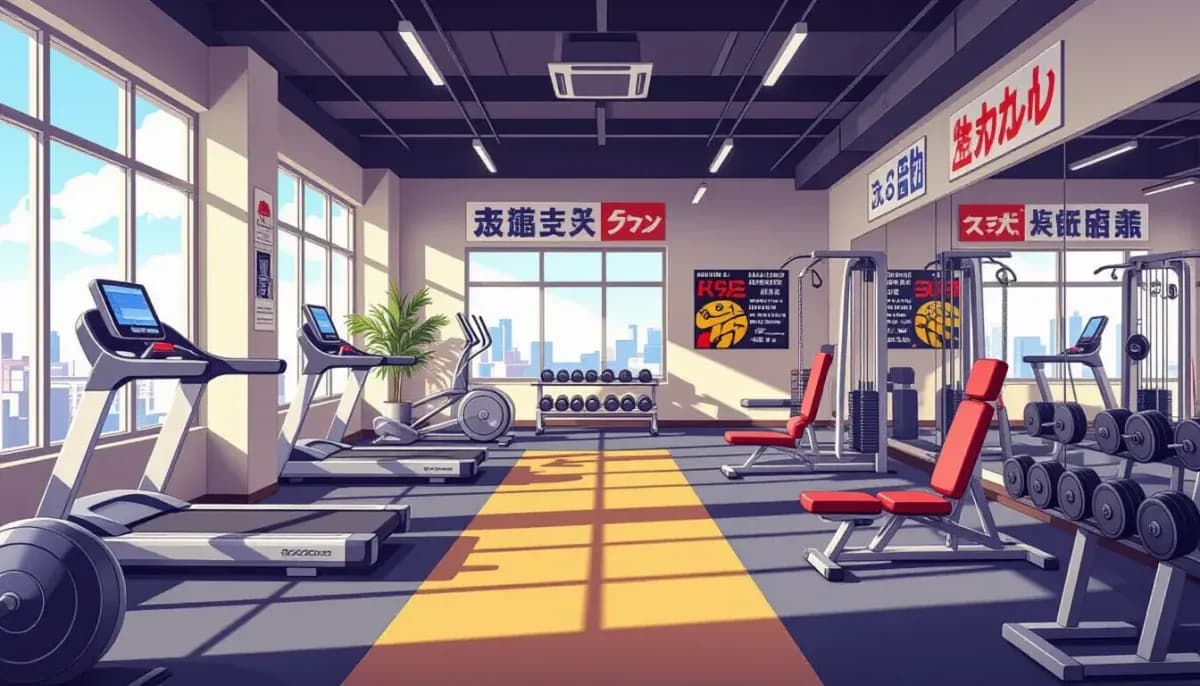
!Modern gym interior in Japan with fitness equipment
Types of Gyms Available in Japan
Japan has a wide variety of fitness facilities, and understanding the options will help you choose the right fit for your lifestyle and budget.
Public Sports Centers (公共スポーツセンター)
Run by local municipalities, public gyms are the most budget-friendly option. They do not require a membership — you simply pay per visit. Costs typically range from ¥300 to ¥800 per session, which includes access to weight rooms, cardio equipment, pools, and courts. The Tokyo Metropolitan Gymnasium, for example, charges around ¥600 for a 2.5-hour session.
The downside: English support is rarely available at public facilities, and the equipment may be older or more limited than private gyms.
24-Hour Private Gym Chains
These are the most popular choice for busy expats. Gyms like Anytime Fitness, JOYFIT24, and FASTGYM24 operate around the clock and typically cost between ¥5,000 and ¥9,500 per month. The 24-hour format suits people with irregular working hours, and many locations offer English-language support at sign-up.
Notable perk: If you already have an Anytime Fitness membership in your home country, you can use over 1,200 Anytime Fitness locations across Japan at no extra charge.
Full-Service Fitness Clubs
Chains like Konami Sports Club, Tipness, and Central Sports offer premium facilities including pools, saunas, studio classes, and personal training. These typically cost ¥8,000 to ¥12,000+ per month. They suit people who want variety beyond just weights and cardio.
Gold's Gym Japan
Gold's Gym is popular among foreigners due to its English-speaking staff at most locations. Monthly fees range from ¥8,000 to ¥15,000 depending on location and plan. Key locations in Tokyo — including Harajuku, Omotesando, and Roppongi — even offer fully English contracts upon request.
Budget Micro-Gym: Chocozap
A newer entrant to the market, Chocozap offers small, unstaffed gym pods at remarkably low prices — around ¥3,000 per month. These are convenience-focused spots for quick workouts rather than full gym sessions. Ideal for people who want something cheap and nearby.
For a deeper look at navigating daily life costs in Japan, see our Complete Guide to Cost of Living in Japan.
Gym Membership Costs Comparison
Here is a summary of typical monthly fees for different gym types in Japan:
| Gym Type | Examples | Monthly Cost | Notes |
|---|---|---|---|
| Public Sports Center | Ward gyms, Tokyo Metro Gym | ¥300–¥800/visit | No membership, pay per use |
| Budget Chain | Chocozap | ~¥3,000 | Basic equipment, unstaffed |
| 24-Hour Chain | Anytime Fitness, JOYFIT24 | ¥5,000–¥9,500 | Flexible hours, many locations |
| Full-Service Club | Konami Sports, Tipness | ¥8,000–¥12,000+ | Pool, sauna, group classes |
| Premium/International | Gold's Gym | ¥8,000–¥15,000 | English-speaking staff |
Most private gyms also charge a one-time enrollment fee (入会金, nyūkaikin) ranging from ¥5,000 to ¥15,000 when you first sign up.
What Documents Do You Need to Join a Gym in Japan?
Signing up for a gym in Japan as a foreigner is straightforward if you have the right documents. Here's what most gyms require:
1. Residence Card (在留カード, *Zairyū Kādo*) This is the most important document. Most gyms require it as your primary form of ID. Without it, you may not be able to sign up at all. If you're a tourist without a residence card, some gyms offer day passes or short-term visitor plans instead.
2. Payment Method The vast majority of private gyms require either a Japanese bank account or a credit card for monthly auto-payment. Some international chains like Anytime Fitness and Gold's Gym explicitly accept foreign-issued credit cards, so this is worth checking before you commit.
3. Emergency Contact Information Many gyms ask for a Japanese emergency contact, though some waive this for foreigners on request.
Tip: Bring both your Residence Card and credit card on your first visit. Some gyms also request your seal (hanko), though many now accept signatures instead.
For information on setting up a Japanese bank account for automatic payments, see our Banking and Finance Guide for Foreigners in Japan.
Japanese Gym Etiquette You Must Know
Japanese gyms have strict cultural rules. Violating them — even unknowingly — can lead to an awkward confrontation or even membership cancellation. Here are the key things to know:
Indoor Shoes Are Mandatory
You must change into a clean pair of indoor-only shoes when you enter the gym. Do not wear your outdoor shoes on the gym floor. Most gyms have a designated area near the entrance for this. Bring a bag to store your outdoor shoes in the locker room.
Cover Your Tattoos
Tattoos carry a historical stigma in Japan due to their association with organized crime groups. Most private gyms require you to cover tattoos with clothing, compression sleeves, or athletic tape. Some gyms do have tattoo-friendly policies — it's worth checking before signing up if this applies to you. Note that tattoo restrictions are even stricter in saunas and bathing areas.
No Photography Allowed
Photography is banned in the vast majority of Japanese gyms — including the workout floor. This is a firm rule, not a suggestion. Even taking a quick gym selfie can get you asked to leave. Leave your phone in your locker if you're tempted.
Wipe Down Equipment After Use
Always carry a small towel and wipe down every machine or bench after you use it. Japanese gym culture places a high value on cleanliness, and failing to do this is considered deeply inconsiderate.
Keep Noise to a Minimum
Avoid dropping weights, grunting loudly, or making excessive noise. Japanese gym culture is generally quiet and disciplined. Many gyms even have signs prohibiting slamming weights.
For more about cultural norms and etiquette in Japan, see our Complete Guide to Japanese Culture and Etiquette.
How to Find an English-Friendly Gym in Japan
Language barriers can be one of the biggest challenges when joining a gym in Japan. According to a 2024 survey, about 78% of gyms in major metropolitan areas like Tokyo and Osaka have at least one English-speaking staff member during weekday business hours. However, only around 29% provide full English translations of membership contracts — so you may still need to navigate some Japanese paperwork.
Tips for finding an English-friendly gym:
- Use Google Maps reviews — Check if other foreigners have left reviews mentioning English support or staff helpfulness
- Look for international chains — Gold's Gym, Anytime Fitness, and Planet Fitness Japan are known for accommodating international members
- Ask before signing up — Call or visit the gym and ask if they have English contracts or English-speaking staff
- Join expat Facebook groups or Reddit communities — Other foreigners in your city will often share recommendations for foreigner-friendly gyms
You can also check resources like the Tokyo Gyms Guide at E-Housing for English-friendly options in Tokyo.
!Foreigner working out at a gym in Japan
Gym Vocabulary in Japanese
Knowing a few key terms will make the sign-up process and daily gym use much smoother:
| Japanese | Romaji | English Meaning |
|---|---|---|
| 入会金 | Nyūkaikin | Enrollment/registration fee |
| 月会費 | Tsuki kaihi | Monthly membership fee |
| 更衣室 | Kōishitsu | Changing room / locker room |
| ロッカー | Rokkā | Locker |
| トレーニングウェア | Torēningu uea | Training wear/gym clothes |
| 退会 | Taikai | Cancellation of membership |
| 体験入会 | Taiken nyūkai | Trial membership |
| 室内シューズ | Shitsunai shūzu | Indoor shoes |
Cancellation and Contract Terms
Before signing up, make sure you understand the cancellation policy. Most private gyms in Japan require 1–2 months' notice before cancellation. Some gyms lock you into a 6-month or annual contract with cancellation fees if you leave early.
What to ask before signing:
- Is there a minimum contract period?
- How much notice is required to cancel?
- Is there a cancellation fee?
- Can I pause my membership if I travel?
Some chains like Anytime Fitness offer more flexible month-to-month plans, while traditional full-service clubs tend to have stricter contract terms.
For broader guidance on adapting to life and contracts in Japan as a foreigner, see our Complete Guide to Daily Life in Japan.
Recommended Resources
Here are some trusted resources to help you research further and stay informed:
- Living in Nihon – Gym & Fitness Membership Guide for Japan — An in-depth guide covering membership options and costs for foreigners
- For Work in Japan — Practical guides for foreigners working and living in Japan, including sports and community resources
- Ittenshoku — Career and lifestyle resources for people building their life in Japan
- Japan Dev – Fitness in Japan — A comprehensive breakdown of gym types, culture, and tips for expats
- Japan Handbook – Fitness for Expats — Practical tips on staying fit in Japan
Final Tips for Foreigners Joining a Gym in Japan
- Start with a trial membership (体験入会) if available — many private gyms offer a free or discounted trial week
- Visit during off-peak hours — gyms are typically most crowded on weekday evenings and weekend mornings
- Check for student or corporate discounts — some gyms offer discounted rates for university students or through employer wellness programs
- Choose a gym near your commute — convenience dramatically increases how often you'll actually go
- Try a public gym first — before committing to a membership, visit a local municipal gym to see if the facilities meet your needs
Staying active in Japan is very achievable once you know the system. Whether you prefer a budget public gym, a convenient 24-hour chain, or a premium fitness club, there's an option for every lifestyle and budget.
For related topics, explore our guide on Making Friends and Building Social Life in Japan — many gyms and sports clubs are also great places to meet people.

Originally from Vietnam, living in Japan for 16+ years. Graduated from Nagoya University, with 11 years of professional experience at Japanese and international companies. Sharing information about living in Japan for foreigners.
View Profile →Related Articles
Rock Climbing and Bouldering in Japan Guide
Complete guide to rock climbing and bouldering in Japan for foreigners. Discover 97+ gyms, top outdoor crags, costs, grading systems, and cultural etiquette tips.
Read more →
Playing Golf in Japan Guide for Foreign Residents
Complete guide to playing golf in Japan for foreigners. Learn about booking tee times, green fees (¥7,000–¥12,000), etiquette, dress codes, club membership, and the best golf courses across Japan.
Read more →
Best Fitness and Workout Apps Available in Japan
Discover the best fitness and workout apps available in Japan for foreigners. From FiNC to Nike Run Club, YAMAP to MyFitnessPal—a complete 2025 guide for expats.
Read more →
Winter Sports in Japan Skiing Snowboarding and More
Complete guide to winter sports in Japan for foreigners. Discover the best ski resorts, costs, tips for skiing and snowboarding, and unique winter activities like drift ice walking and onsen après-ski.
Read more →
Best Outdoor Fitness Activities in Japan
Discover the best outdoor fitness activities in Japan for foreigners — from free park workouts and running clubs to hiking trails, cycling routes, and water sports. Complete guide with costs and tips.
Read more →
Japanese Gym Etiquette Every Foreigner Should Know
Learn essential Japanese gym etiquette rules: tattoo policies, indoor shoes, towel requirements, locker room rules, and how to join a gym in Japan as a foreigner.
Read more →