
Swimming Pools and Aquatic Facilities in Japan

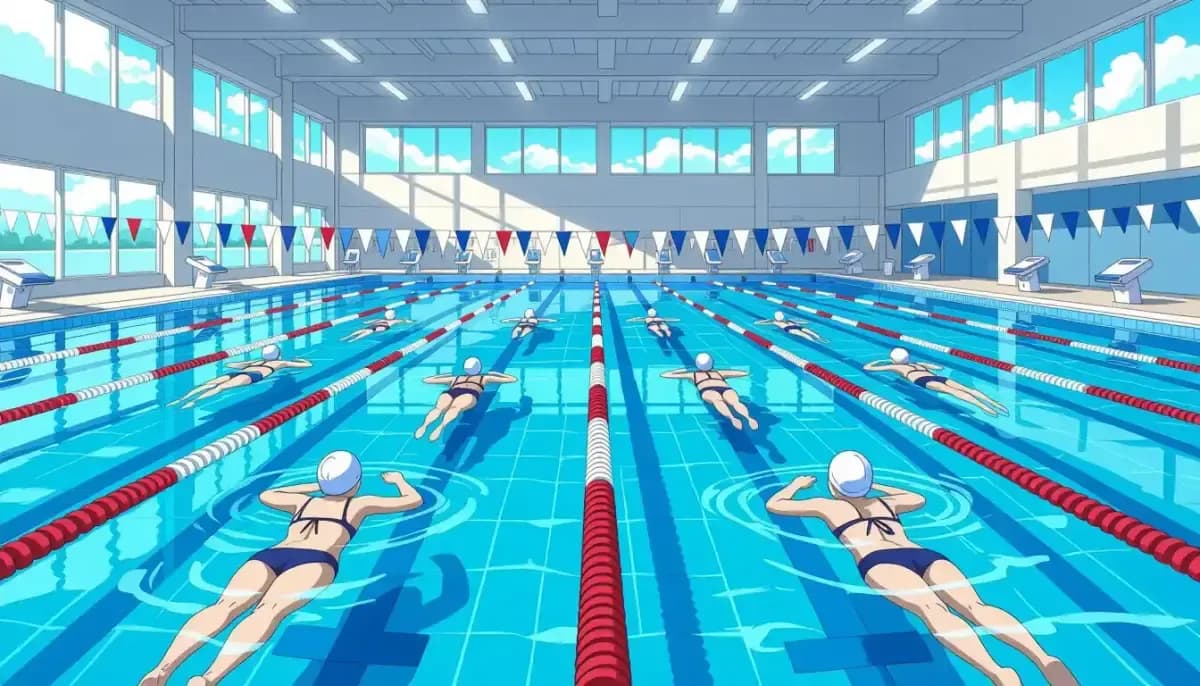
Everything foreigners need to know about swimming pools in Japan — rules, costs, etiquette, tattoo policies, and where to find the best aquatic facilities near you.
Swimming Pools and Aquatic Facilities in Japan: The Complete Guide for Foreigners
Japan offers a remarkable variety of swimming facilities — from affordable municipal lap pools to sprawling water parks and sleek private gym complexes. As a foreigner living in or visiting Japan, navigating these facilities means understanding local rules, etiquette, and a few unique quirks that make Japanese pool culture unlike anywhere else in the world. This guide walks you through everything you need to know to enjoy a swim in Japan confidently.
Types of Swimming Pools and Aquatic Facilities in Japan
Japan's aquatic landscape is diverse. Understanding the types of facilities available helps you choose the right one for your needs and budget.
Municipal Ward Sports Centers (市区町村スポーツセンター)
Every ward and city in Japan typically operates at least one publicly funded sports center with an indoor pool. These are the most affordable options, with entry fees ranging from ¥200 to ¥550 per session. They usually feature 25-meter or 50-meter lap pools, separate shallow areas for beginners, and sometimes toddler pools. The atmosphere is disciplined and focused on fitness.
Private Fitness Clubs and Gyms
Major chains like Konami Sports Club, Central Sports, Tipness, and Tokyu Sports Oasis operate throughout Japan. These offer premium facilities including 25-meter or 50-meter pools, aqua fitness classes, and personal instruction. Membership fees typically start around ¥6,000–¥13,000 per month plus an initial sign-up fee. Many day-use options are available for around ¥1,500–¥3,000.
Outdoor Recreational Pools (レジャープール)
Seasonal outdoor pools open during summer (mid-July through early September). These are leisure-focused, with water slides, wave pools, and lazy rivers. They're family-friendly and typically allow more relaxed dress codes than indoor athletic pools.
Water Parks (ウォーターパーク)
Major water parks include Tokyo Summerland, Yomiuriland Wave Pool, and Rainbow Pool at Showa Kinen Park. These large-scale attractions are extremely popular and often require advance ticket booking during peak season. Hakone Yunessun uniquely offers pools filled with mineral spring water infused with sake, green tea, and other essences.
Hotel and Resort Pools
Many international hotels in Tokyo, Osaka, and resort areas offer beautiful rooftop or indoor pools. Access is usually restricted to hotel guests, though some allow day-use passes for an additional fee.
Olympic and High-Performance Facilities
The Tokyo Aquatics Centre, built for the 2020 Olympics, is open to the public and features 10 Olympic-specification lanes. It's one of the best public swimming facilities in Asia and offers English signage and amenities.
Entry Fees and Costs at Japanese Swimming Pools
One of the most appealing aspects of swimming in Japan is the cost. Public pools are heavily subsidized and remarkably affordable compared to Western countries.
| Facility Type | Entry Fee | Session Duration | Notes |
|---|---|---|---|
| Ward Sports Center | ¥200–¥550 | 2 hours | Discounts for children, seniors 65+ |
| Minato-ku Sports Center | ¥250 | 1 hour | Students ¥50; seniors free |
| Meguro Citizens Center | ¥400 | 2 hours | Children/seniors 65+ ¥200 |
| Shinjuku Sports Center | ¥400 | Per visit | Children ¥100 |
| Tokyo Aquatics Centre | ¥600–¥800 | Per session | Olympic facility |
| Private Gym Day Pass | ¥1,500–¥3,000 | Full day | Varies by chain |
| Water Park | ¥2,000–¥4,500 | Full day | Seasonal pricing |
Municipal pools often offer discounted rates for residents of the ward, but most facilities accept visitors from any area for the standard adult fee. Children, seniors, and sometimes students qualify for reduced rates.
For more details on managing daily expenses in Japan, see our Complete Guide to Cost of Living in Japan.
Essential Rules and Etiquette at Japanese Pools
Japanese swimming pools operate with a level of order and discipline that can surprise first-time visitors. Following these rules is not optional — staff enforce them consistently, and violations may result in being asked to leave.
Swim Cap is Mandatory
This is the most important rule. A swim cap (水泳帽, suieiboushi) is required at virtually every public and athletic pool in Japan, without exception. Forgetting your cap will get you denied entry. Most facilities sell basic swim caps at the reception desk for around ¥300–¥500 if you arrive without one.
Shower Before Entering
You must shower before getting into the pool. This is mandatory at all public pools. Note that soap and shampoo are usually prohibited in the pre-swim shower area to prevent slippery floors and water contamination — a quick rinse with water is all that's needed.
Conservative Swimwear Required
Athletic indoor pools have strict swimwear guidelines. Bikinis, tankinis, board shorts, and anything overly revealing are not permitted. Women typically wear one-piece swimsuits or conservative two-piece suits with shorts; men wear competitive-style swim trunks or modest shorts. Recreational outdoor pools and water parks tend to be slightly more relaxed, but skimpy swimwear is still rare and generally frowned upon.
No Jewelry or Accessories
All jewelry, fitness watches, smartwatches, and similar accessories must be removed before entering the pool. Even swim goggles may have restrictions depending on the facility — bring standard athletic goggles.
Mandatory Hourly Rest Periods
At most public pools in Japan, there is a mandatory rest period of 5–10 minutes once every hour where ALL swimmers must exit the pool. This "kyukei jikan" (休憩時間) break is used for lifeguard rotation, safety checks, and water quality monitoring. A buzzer or announcement signals the break, and compliance is compulsory. Ticket durations (typically 2 hours) are calculated to account for these breaks.
Strict Lane Etiquette
Athletic pools have clearly divided lanes, and swimmers are expected to follow the direction indicated. Common systems include one-way (one direction per lane) or loop (oval circuit per lane). Faster swimmers use designated fast lanes; slower swimmers should stay in beginner lanes. Stopping mid-lane, resting against the wall for extended periods, or swimming against the flow is strongly discouraged.
No Food or Drinks Poolside
Eating and drinking near the pool is prohibited at most indoor athletic facilities. Water bottles are generally allowed in designated rest areas only.
For broader guidance on fitting into Japanese social norms, see our Complete Guide to Japanese Culture and Etiquette.
Tattoo Policies at Japanese Pools
Tattoos remain a sensitive topic in Japan, with historical associations to organized crime (yakuza). Many public pools, onsen, and water parks still maintain strict no-tattoo policies.
At Public Municipal Pools: Many ward sports centers display signs prohibiting visible tattoos. Staff may ask you to cover tattoos or deny entry.
At Water Parks: Major water parks almost universally ban visible tattoos. Some parks offer waterproof tattoo cover sheets or rash guards for rental.
At Private Gyms: Policy varies. Some international gym chains are more lenient, especially those catering to foreign members.
How to Handle It:
- Small tattoos can be covered with waterproof bandages (available at any pharmacy)
- Rash guards (long-sleeve swim tops) cover arm and torso tattoos effectively
- UV-blocking rash guards are allowed at most pools and are common anyway in summer
- If unsure, call ahead and ask — staff at larger facilities often speak some English
Attitudes are slowly changing, especially among younger staff and at international hotel pools, but it's still safest to plan for coverage at public facilities.
Ward Residency Restrictions
Some municipal pools in Tokyo and other cities limit access based on residency, employment, or school enrollment within the ward. For example, certain neighborhood sports centers may only admit residents or workers from that specific ward.
In practice, many facilities welcome all visitors for the standard adult fee, and restrictions are more common at smaller neighborhood-level facilities than at large ward sports centers. When in doubt, check the facility's website or call ahead.
If you're new to navigating life in Japan, our Complete Guide to Daily Life in Japan for Foreigners covers many of the systems and rules you'll encounter.
Summer Outdoor Pools and Water Parks
Japan's outdoor pool season runs from mid-July to early September, coinciding with school summer vacation. During this period, recreational pools and water parks experience peak demand.
Tips for Summer Pool Season:
- Book tickets online in advance — popular parks sell out weekends a week ahead
- Arrive early; lines form before opening on peak days
- Weekdays are significantly less crowded than weekends
- Bring cash for lockers, food, and incidental purchases, as not all facilities accept cards
Top Water Parks Near Tokyo:
- Tokyo Summerland (Akiruno) — one of Japan's largest water parks with indoor and outdoor sections
- Yomiuriland Wave Pool (Inagi) — popular wave pool and water attractions
- Rainbow Pool at Showa Kinen Park (Tachikawa) — large outdoor pool complex within a national park
- LaQua Spa (Bunkyo) — indoor aquatic spa near Tokyo Dome
For a deeper look at recreational activities and making the most of your free time in Japan, check out Making Friends and Social Life in Japan.
Swimming Lessons and Clubs for Adults and Children
Japan has a strong swimming culture, and lessons are widely available for all ages and skill levels.
Children's Swimming Lessons
Swimming lessons are a standard part of childhood in Japan. Most elementary schools include swimming in the physical education curriculum. Private swim schools (スイミングスクール) such as those run by Konami, Central Sports, and EART operate nationally and accept foreign children. Lessons are taught in Japanese, but beginner classes are usually structured enough to follow visually.
Adult Lessons and Aqua Fitness
Private gym pools offer adult swimming lessons and aqua aerobics classes. These are excellent for improving technique or getting fitness benefits with lower joint impact. Classes typically cost ¥500–¥1,000 extra on top of membership or day-use fees.
Competitive Swimming and Clubs
Adult competitive swimming is active in Japan through Masters Swimming programs. Regional competitions are held throughout the year and are open to foreign residents. The Japan Masters Swimming Association (日本マスターズ水泳協会) coordinates events nationally.
If you have children who enjoy sports, our Complete Guide to Raising Children in Japan has more on extracurricular activities and school sports.
Finding Swimming Pools Near You
Useful Resources for Locating Pools:
- Your ward or city's official website: Search for "スポーツセンター" (sports center) + your ward name. Most ward offices list facilities with hours, fees, and access info in Japanese, and sometimes English.
- Google Maps: Search for "市民プール" (municipal pool), "スイミングプール" (swimming pool), or "スポーツセンター" (sports center) near your location.
- Swimming in Japan (swimming-in-japan.com): An English-language database of pools across Japan.
- GaijinPot: Regularly publishes guides to expat-friendly sports facilities.
For comprehensive guidance on settling into life in Japan, the team at Living in Nihon offers extensive resources covering sports, recreation, and daily life for residents.
Job seekers and working residents can also find community resources through For Work in Japan, which covers lifestyle and professional topics for foreign workers.
Those planning a longer stay or career change can explore resources at Ittenshoku, which covers relocation and career topics for foreigners in Japan.
What to Bring to a Japanese Swimming Pool
Essential Items:
- Swim cap (mandatory — bring one, or buy at the pool)
- Conservative one-piece or athletic swimsuit
- Swim goggles
- Towel (large towel for drying; smaller towel sometimes required poolside)
- Waterproof sandals/flip-flops (required in changing areas and wet zones)
- Waterproof bag for wet items
Optional but Useful:
- Rash guard (for sun protection at outdoor pools, or tattoo coverage)
- Waterproof bandages (for covering small tattoos)
- Ear plugs
- Water bottle (check facility rules on where it can be used)
- Cash for locker rental (typically ¥100 coin, often refundable)
Many facilities provide basic amenities like hair dryers in changing rooms, but towel rental is sometimes available for an extra fee if you forget.
Accessible and English-Friendly Facilities
Japan's newer sports facilities are increasingly accessible, with ramps, accessible changing rooms, and lane reservations for swimmers with disabilities. The Tokyo Aquatics Centre and many post-Olympics facilities meet international accessibility standards.
English support varies by facility. Large city-operated sports centers in tourist-heavy areas (Shinjuku, Shibuya, Minato) sometimes have English signage or bilingual staff. Smaller neighborhood pools may have Japanese-only signage, but the rules and layout are consistent enough that you can navigate with basic preparation.
English Resources:
- Savvy Tokyo's Pool Etiquette Guide provides detailed English-language coverage of pool rules
- GaijinPot's Swimming Pool Guide offers practical tips for expats
- Plaza Homes Tokyo Pool Directory lists indoor and outdoor options with English details
Summary: Key Things to Know About Swimming in Japan
Japan's pools are clean, well-run, affordable, and plentiful. Once you understand the rules — bring a swim cap, wear conservative swimwear, shower before entering, and respect the mandatory rest breaks — you'll find swimming in Japan to be a genuinely enjoyable and surprisingly affordable activity.
Whether you're looking for a disciplined early-morning lap swim at your local ward sports center, a weekend water park adventure with the family, or a relaxing dip in a Hakone mineral pool, Japan has something for every aquatic preference. With entry fees as low as ¥200, there's no reason not to take the plunge.

Originally from Vietnam, living in Japan for 16+ years. Graduated from Nagoya University, with 11 years of professional experience at Japanese and international companies. Sharing information about living in Japan for foreigners.
View Profile →Related Articles
Rock Climbing and Bouldering in Japan Guide
Complete guide to rock climbing and bouldering in Japan for foreigners. Discover 97+ gyms, top outdoor crags, costs, grading systems, and cultural etiquette tips.
Read more →
Playing Golf in Japan Guide for Foreign Residents
Complete guide to playing golf in Japan for foreigners. Learn about booking tee times, green fees (¥7,000–¥12,000), etiquette, dress codes, club membership, and the best golf courses across Japan.
Read more →
Best Fitness and Workout Apps Available in Japan
Discover the best fitness and workout apps available in Japan for foreigners. From FiNC to Nike Run Club, YAMAP to MyFitnessPal—a complete 2025 guide for expats.
Read more →
Winter Sports in Japan Skiing Snowboarding and More
Complete guide to winter sports in Japan for foreigners. Discover the best ski resorts, costs, tips for skiing and snowboarding, and unique winter activities like drift ice walking and onsen après-ski.
Read more →
Best Outdoor Fitness Activities in Japan
Discover the best outdoor fitness activities in Japan for foreigners — from free park workouts and running clubs to hiking trails, cycling routes, and water sports. Complete guide with costs and tips.
Read more →
Japanese Gym Etiquette Every Foreigner Should Know
Learn essential Japanese gym etiquette rules: tattoo policies, indoor shoes, towel requirements, locker room rules, and how to join a gym in Japan as a foreigner.
Read more →