
How to Join Clubs and Hobby Circles in Japan


Complete guide to joining hobby circles and clubs in Japan as a foreigner. Find saakuru, understand Japanese club culture, etiquette tips, and platforms to meet people.
How to Join Clubs and Hobby Circles in Japan: The Complete Guide for Foreigners
Moving to Japan can feel isolating at first. The language barrier, the cultural differences, and the sheer unfamiliarity of everything can make building a social life seem daunting. But here's the good news: Japan has one of the most vibrant club and hobby circle cultures in the world, and these groups are often one of the best ways for foreigners to build genuine connections, improve their Japanese, and feel truly at home in their new country.
Whether you want to join a running club in Tokyo, find a photography circle in Osaka, or connect with other anime enthusiasts in Kyoto, this guide covers everything you need to know — from understanding Japanese club culture to the practical steps for finding and joining a group.
Understanding Japanese Club Culture: What Is a "Saakuru"?
Before diving in, it helps to understand how Japanese club culture works. In Japan, hobby groups for adults are most commonly called circles (サークル, pronounced "saakuru"). Unlike "clubs" (クラブ, "kurabu"), which can carry a more serious, competitive connotation, circles are typically casual, social, and focused on fun rather than professional achievement.
The concept of the circle runs deep in Japanese society. From university life onward, Japanese people tend to form close friendships within structured groups — their school circle, their work team, their neighborhood association. For foreigners, joining one of these groups provides a ready-made social "container" in which genuine friendships can develop naturally over time.
Here are the main types of groups you'll encounter:
| Type | Japanese Term | Examples | Formality Level |
|---|---|---|---|
| Hobby Circle | サークル (Saakuru) | Photography, hiking, board games, language exchange | Casual |
| Sports Club | スポーツクラブ | Futsal, basketball, running, tennis | Semi-formal |
| Cultural Class | 文化教室 (Bunka Kyōshitsu) | Tea ceremony, calligraphy, pottery, ikebana | Formal |
| Community Group | 地域グループ | Volunteering, neighborhood events | Varies |
| Expat Meetup | 国際交流 | InterNations events, expat socials | Casual |
| Online Community | オンラインコミュニティ | Meetup groups, Discord servers | Casual |
Understanding which type of group you're joining helps you know what to expect in terms of commitment, cost, and social expectations.
Where to Find Hobby Circles and Clubs in Japan
Finding the right group is the first challenge. Here are the most effective resources:
Online Platforms
Meetup (meetup.com) is arguably the most foreigner-friendly option. For a comprehensive overview of finding hobby communities in Japan, Aikagi's hobby communities guide is an excellent English-language resource. With events in every major Japanese city, you can filter by interest, language, and location. Many groups host English-friendly sessions or specifically welcome international members.
Doorkeeper (doorkeeper.jp) is popular with the tech and startup community. If you work in software or are interested in hackathons, developer meetups, or entrepreneurship, this is the platform to use.
Peatix (peatix.com) hosts a wide variety of cultural events, workshops, and social gatherings. It supports English navigation and international payment methods, making it accessible for newcomers.
InterNations runs active city hubs across Japan, with Tokyo, Osaka, and Nagoya having particularly vibrant communities. Events range from casual coffee meetups to professional networking nights.
LINE is Japan's dominant messaging app, and many local circles organize entirely through LINE group chats. Once you're connected to a Japanese community, expect to be added to a LINE group.
Facebook Groups remain popular for expat communities. Tokyo Expat Network (TEN) has over 30,000 members and is one of the most active foreign resident communities in Japan. Groups like "Foreigners in Japan" cover the whole country.
Local Resources
Municipal International Centers (国際交流センター) are an underrated resource. Nearly every city in Japan has one, and they typically offer multilingual support, bulletin boards advertising local clubs, cultural events, and community activities that welcome foreign residents. These centers are especially valuable if you live outside Tokyo or Osaka.
Community Centers (公民館, Kōminkan) serve as local hubs where neighborhood groups, hobby circles, and volunteer organizations often post flyers and hold regular meetings. Stop in and browse the bulletin boards.
City and Ward Websites often list registered community groups and associations. Search for your city name plus "国際交流" (international exchange) or "サークル" (circle) to find locally organized groups.
Apps and Social Media
Reddit's r/japanlife community (479,000+ members) is exclusively for people living in Japan. It's an excellent place to ask for local club recommendations or connect with others sharing your interests.
Nextdoor and community-specific Discord servers are increasingly popular for finding hobby groups in specific neighborhoods.
For more ways to integrate into Japanese society, check out our guide to Making Friends and Social Life in Japan.
Popular Types of Clubs for Foreigners
Some types of hobby circles are notably more welcoming to foreign members than others. Here's a breakdown:
Sports Circles
Sports clubs are arguably the most foreigner-friendly category. When you're playing futsal or running together, language becomes secondary — you bond through the shared activity. Look for:
- Running clubs: Tokyo has dozens of running groups, including many that specifically welcome international members
- Futsal and soccer circles: Very popular across Japan, with mixed Japanese-foreigner teams common
- Basketball and volleyball: Community gyms often post about looking for new members
- Hiking and outdoor clubs: Japan's trail culture is vibrant, and many hiking circles welcome people of all nationalities
For more on sports and fitness in Japan, see our guide on Fitness and Sports in Japan.
Cultural Arts Classes
If you want to deepen your connection to Japanese culture, joining a tea ceremony (茶道, sadō), calligraphy (書道, shodō), ikebana (flower arranging), or pottery class is a wonderful option. These settings tend to attract older Japanese participants who are genuinely interested in sharing their culture.
Community centers and cultural halls often offer affordable classes. Expect to pay ¥1,000–¥5,000 per session depending on the activity.
Language Exchange Groups
Language exchange circles (言語交換, gengo kōkan) are a classic option for foreigners. You spend half the time speaking English (or your native language) and half speaking Japanese. They're one of the fastest ways to make Japanese friends while also improving your Japanese skills.
For tips on improving your Japanese to better participate in circles, read our guide on Learning Japanese as a Foreigner.
Music and Performance Groups
Choirs, orchestras, jazz bands, and theater groups actively recruit members. The Keiyo Mixed Chorus in Chiba, for example, is explicitly open to international members. Search for mixed or international ensembles in your city, as they tend to have more experience integrating non-Japanese speakers.
Anime, Manga, and Gaming Circles
Japan's otaku culture has extremely active community circles. Anime conventions, manga clubs, card game meetups, and video game events are common in most cities. These circles often attract younger, globally-minded Japanese people who are comfortable interacting with foreigners.
How to Join a Club: Step-by-Step
Once you've found a circle that interests you, here's how to approach joining:
Step 1: Make initial contact. Most groups have a website, a Facebook page, or a contact form. Send a brief message introducing yourself, mentioning your interest in the group, and asking how to attend. Keep it short and polite. If you're comfortable enough, write in Japanese — even a simple message shows effort.
Step 2: Attend a trial session. Many circles have a "trial participation" (体験参加, taiken sanka) policy, allowing you to attend one or two sessions before committing. Use this opportunity to get a feel for the group dynamic and confirm it's a good fit.
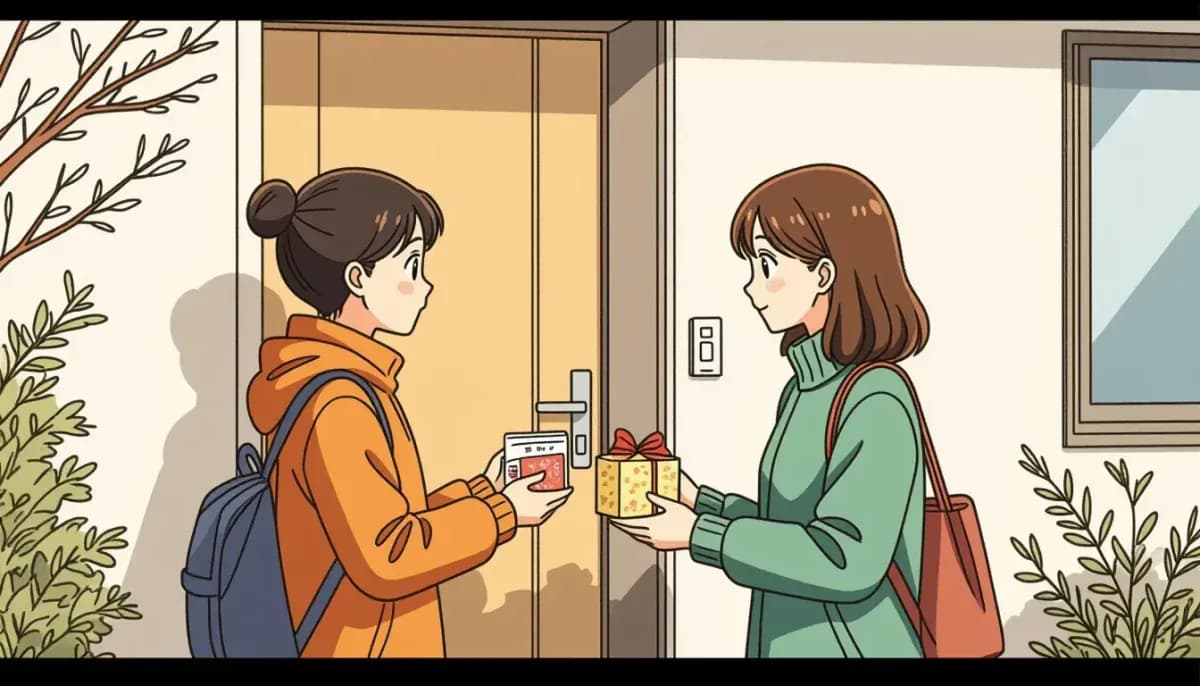
Step 3: Bring a small gift. If you've recently traveled somewhere — even a short day trip — bring back a box of local snacks or sweets (omiyage, お土産) to share at your first or second session. This small gesture says "I was thinking of you" and is deeply embedded in Japanese social culture.
Step 4: Show up consistently. In Japan, trust is built through repeated contact over time. Simply showing up regularly — even when it's inconvenient — communicates commitment and helps others feel comfortable with you.
Step 5: Participate in social activities after meetings. Post-activity gatherings (often called "nijikai" or second parties) are where real bonds form. Even if your Japanese is limited, joining for a meal or drinks after your session shows you're genuinely interested in the community.
You can find more guidance on navigating Japanese social norms in our Japanese Culture and Etiquette Guide.
Essential Etiquette for Joining Japanese Circles
Understanding these cultural norms will help you make a great impression:
Punctuality is non-negotiable. Japanese circles start on time, and arriving late — even five minutes — can be seen as disrespectful. If you can't avoid being late, message the group leader in advance.
Follow the group's communication style. If the group communicates via LINE, make sure you're responsive. Ignoring messages or being hard to reach is seen as disengagement.
Don't rush intimacy. Japanese friendships develop slowly and deliberately. Pushing too hard too fast — asking personal questions early on, trying to make plans outside the group context too soon — can feel off-putting. Let relationships develop naturally.
Accept help graciously. If a Japanese member helps you with the language or explains something, a sincere "ありがとうございます" (arigatou gozaimasu) and genuine appreciation goes a long way.
Respect the group hierarchy. Many circles have senior members (senpai) and newer members (kouhai). Acknowledge this dynamic, especially in more traditional cultural settings.
Match the energy of the group. Japanese groups often have a quieter, more reserved baseline than Western social settings. Follow the room — be warm and friendly, but don't overpower the atmosphere.
For deeper insight into Japanese workplace and social culture, see our Japanese Workplace Culture Guide.
Cost Breakdown: What to Expect
The cost of joining clubs and circles in Japan varies enormously depending on the type of group:
| Club Type | Typical Cost | Notes |
|---|---|---|
| Community circle (hiking, photography) | Free–¥2,000/session | Usually pay per activity |
| Language exchange | Free–¥1,000 | Often a café purchase only |
| Sports circle (futsal, basketball) | ¥500–¥3,000/session | Includes venue rental |
| Cultural arts class | ¥1,000–¥5,000/session | Materials may cost extra |
| Gym-based fitness club | ¥3,000–¥10,000/month | Monthly membership |
| Premium expat social clubs | ¥6,000–¥150,000+/month | Facilities-heavy clubs in Tokyo |
| Meetup events | Free–¥3,000 | Event-by-event |
Most hobby circles are affordable. Municipal community centers often subsidize classes, making them very budget-friendly for residents.
Making the Most of Your Club Experience
Joining a circle is just the beginning. Here are strategies to deepen those connections:
Volunteer for tasks. If there's something that needs doing — setting up chairs, managing the LINE group, planning an event — offer to help. Contributing practically is one of the fastest ways to become a valued member.
Share your own culture. Foreigners who bring something unique — whether it's a recipe, a game, or a story about their home country — are often remembered fondly. Don't hide your background; it's an asset.
Be patient with yourself and others. Building genuine friendships across cultures takes time. Some circles will be more welcoming than others. If one group doesn't feel right, try another — there's no shortage of options.
Use the experience to improve your Japanese. Even a few key phrases per session add up. Your circle members will appreciate the effort, and your language skills will accelerate naturally through regular social use.
For more practical guidance on daily life as a foreigner, explore the Daily Life in Japan Guide for Foreigners.
Finding Foreigner-Friendly Multicultural Groups
If you're new to Japan and your Japanese isn't yet strong enough for fully Japanese-language circles, multicultural welcome groups (多文化共生グループ) are specifically designed for you. These groups — walking circles, community choirs, language exchange meetups, NPO volunteer organizations — explicitly welcome people of diverse linguistic and cultural backgrounds.
Contact your local city international exchange association (国際交流協会) to find a list of multicultural welcome groups in your area. The Chiba City International Association, for example, maintains an active directory of clubs open to foreign residents, from Tai Chi clubs to mixed chorus groups.
For broader expat community resources, Living in Nihon and For Work in Japan offer useful guides for foreign residents navigating life in Japan. For those exploring career and relocation options, Ittenshoku provides helpful resources on living and working in Japan.
Conclusion
Japan's club and hobby circle culture is one of the best-kept secrets for foreigners looking to build a meaningful social life. By understanding the difference between circles and clubs, using the right platforms to find groups, approaching membership with patience and cultural sensitivity, and committing to showing up consistently, you'll find that Japan's reputation for being hard to break into socially is largely a myth — at least when you come to the table with genuine interest and respect.
The friendships you build through a shared hobby circle are often the deepest and most lasting ones you'll form in Japan. Start with one group, be consistent, and let the connections grow naturally. You might be surprised how quickly Japan starts to feel like home.

Originally from Vietnam, living in Japan for 16+ years. Graduated from Nagoya University, with 11 years of professional experience at Japanese and international companies. Sharing information about living in Japan for foreigners.
View Profile →Related Articles
Building Relationships with Japanese Neighbors
Learn how to build genuine relationships with your Japanese neighbors. From moving-in gift etiquette to joining the chonaikai, this complete guide covers all the cultural norms foreigners need to know.
Read more →
Professional Networking Events in Japan for Foreigners
Discover the best professional networking events in Japan for foreigners. From chambers of commerce to startup meetups and career forums, build your network in Tokyo, Osaka, and beyond.
Read more →
Cultural Barriers to Friendship in Japan and How to Overcome Them
Discover the key cultural barriers to making friends in Japan — from uchi-soto dynamics to tatemae — and get practical strategies to build genuine Japanese friendships as a foreigner.
Read more →
How to Maintain Friendships Long Term in Japan
Learn how to maintain long-term friendships in Japan as a foreigner. Practical tips on LINE communication, omiyage culture, expat turnover, and building lasting bonds with Japanese friends.
Read more →
Best Online Communities and Forums for Expats in Japan
Discover the best online communities, forums, and social groups for expats living in Japan. From r/japanlife to InterNations and Tokyo Facebook groups — your complete guide to connecting.
Read more →
Joining Sports Clubs and Teams in Japan as a Foreigner
Complete guide to joining sports clubs and teams in Japan as a foreigner. Find expat-friendly clubs, understand costs, navigate language barriers, and build your social life through sport.
Read more →