
Understanding Japanese Social Customs and Expectations

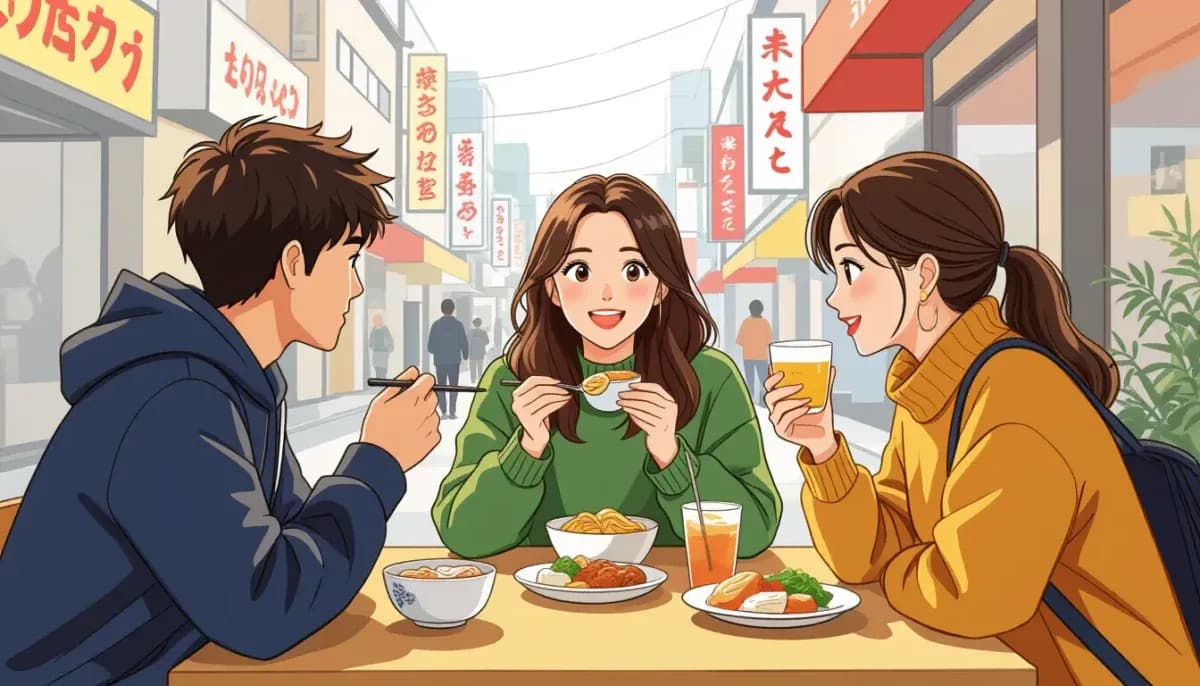
Learn essential Japanese social customs, etiquette rules, and cultural expectations for foreigners living in Japan. From bowing to dining, workplace norms to onsen etiquette — understand Japan's social culture.
Understanding Japanese Social Customs and Expectations: A Complete Guide for Foreigners
Moving to Japan is exciting, but navigating the social landscape can feel overwhelming at first. Japanese culture operates on a complex web of unspoken rules, expectations, and customs that have developed over centuries. Understanding these norms isn't just about avoiding embarrassment — it's the key to building genuine relationships, thriving in the workplace, and truly feeling at home in Japan.
This guide covers everything you need to know about Japanese social customs and expectations as a foreigner, from everyday greetings to dining etiquette, workplace behavior to public transport rules.
The Cultural Foundation: Why Japanese Social Customs Exist
Before diving into specific rules, it's helpful to understand the cultural values that shape Japanese social behavior. Japan has one of the most uncertainty-avoidant cultures in the world, scoring 92 out of 100 on Hofstede's cultural dimensions scale. This means Japanese society strongly prefers structure, clear rules, and predictable social conventions to reduce ambiguity.
At the heart of Japanese culture is the concept of wa (和) — harmony. Social interactions are designed to maintain smooth relationships and avoid conflict. This leads to indirect communication, group consensus, and a strong awareness of how one's actions affect others.
Core values taught from early childhood include:
- Omoiyari (思いやり) — Consideration and empathy for others
- Gaman (我慢) — Patience and perseverance
- Meiwaku (迷惑) — Avoiding causing inconvenience to others
- Sonkei (尊敬) — Respect for elders and seniority
Understanding these values helps explain why certain behaviors that seem perfectly normal elsewhere can feel jarring to Japanese people. It's not about rigid rules for their own sake — it's about maintaining collective harmony.
Greetings and Bowing: The Foundation of Japanese Interaction
Bowing (ojigi/お辞儀) is the cornerstone of Japanese greetings. Unlike Western handshakes or cheek kisses, bowing communicates respect, gratitude, and acknowledgment simultaneously. You'll bow when meeting someone, when saying goodbye, when thanking someone, and when apologizing.
As a foreigner, you don't need to master every nuance of bowing, but understanding the basics helps:
| Bow Angle | Context | Who Bows Deeper |
|---|---|---|
| 15 degrees | Casual acknowledgment between equals | Either party |
| 30 degrees | Standard respectful greeting | The junior/younger person |
| 45 degrees | Deep apology or meeting a VIP | Person apologizing or being introduced |
| 90 degrees | Very formal, rarely used | Junior party |
A simple, sincere head nod goes a long way. Japanese people will appreciate the effort even if your bow isn't perfect. Don't attempt a handshake unless the other person initiates — physical contact is much less common in Japan than in Western cultures.
When someone bows to you, bow back. The exchange often continues for several rounds — this is completely normal and shows mutual respect.
For more on navigating cultural interactions in Japan, see our guide on Japanese Culture and Etiquette. For career tips in Japan, check out Ittenshoku's resources for working in Japan.
Shoes, Slippers, and Sacred Spaces: The Indoor-Outdoor Divide
One of the most important customs for foreigners to understand is Japan's strict indoor-outdoor separation. You must remove your shoes when entering:
- Private homes and apartments
- Many traditional restaurants (those with tatami seating)
- Traditional ryokan (Japanese inns)
- Some offices and medical clinics
- Certain cultural facilities and temples
The genkan (玄関) is the entryway area designed specifically for this purpose — a slightly lowered area near the door where you remove your shoes and step up into the living space. Always point your shoes toward the exit when you place them down.
Many homes and ryokan provide indoor slippers. However, there's an additional rule: never wear regular indoor slippers into the bathroom. Separate toilet slippers are provided for the bathroom — and must be left inside when you exit. Forgetting to switch back is a common and endearing mistake that most hosts will find amusing rather than offensive.
At tatami rooms, remove the indoor slippers as well — you walk on tatami in socks or bare feet.
Dining Etiquette: From Chopsticks to Tipping
Japanese dining culture has its own set of customs that foreigners often find both fascinating and easy to navigate once you know the basics.
Chopstick Rules
Chopstick etiquette in Japan carries significant cultural weight, particularly around customs associated with funeral rituals:
- Never stick chopsticks upright in a bowl of rice — this resembles incense offerings at funerals
- Never pass food directly from chopstick to chopstick — this mimics how bones are handled at cremations
- Don't point at people with your chopsticks
- Don't use chopsticks to spear food
- When not eating, rest chopsticks on the chopstick holder (hashioki) provided
Slurping noodles, however, is perfectly acceptable and even considered a sign of enjoyment. Don't worry about making noise while eating ramen or soba.
Tipping Culture
Japan has no tipping culture. Leaving a tip can actually cause confusion or even mild offense, as it may imply the service was unexpectedly good (suggesting you had low expectations) or that the staff needs extra money. Service quality in Japan is universally high and considered a professional standard.
When leaving a restaurant, express appreciation by saying "gochisōsama deshita" (ごちそうさまでした) — roughly "thank you for the meal." Staff will appreciate this phrase immensely.
Eating While Walking
Eating or drinking while walking on the street is generally frowned upon in Japan, though it's becoming more accepted near tourist areas and convenience stores. At festivals and food stalls (yatai), eating while standing nearby is perfectly fine.
For more on Japanese food culture and dining customs, see our Japanese Food and Cooking Guide.
Public Transport Etiquette: The Quiet Rules of the Train
Japanese trains and buses are famous for their punctuality and quiet atmosphere. The unwritten rules of public transport are taken seriously:
- No phone calls on trains — if you must take a call, step to the door area and keep it very brief and quiet
- Lower your voice — conversations should be kept to a low volume
- Give up priority seats — designated seats near the doors are for elderly, pregnant, or disabled passengers
- Don't eat or drink on local trains — acceptable on long-distance shinkansen
- Let passengers exit first before boarding
- Line up in designated areas on platforms — painted markers show where to queue
- Remove large backpacks and hold them in front on crowded trains
Japanese trains are extraordinarily punctual — an average delay of one minute is apologized for over the intercom. Arrive early and know your route in advance.
For detailed guidance on getting around Japan, check our Transportation in Japan Guide.
Workplace Social Customs: Navigating Japanese Office Culture
The Japanese workplace has its own distinct social customs that go beyond standard professional behavior. Understanding these norms is essential if you're working in Japan.
Hierarchy and seniority (年功序列 — nenkō joretsu) shape nearly every workplace interaction. Showing proper respect to superiors isn't optional — it's a fundamental expectation. This manifests in:
- Using respectful language (keigo/敬語) with superiors
- Not leaving the office before your manager does
- Accepting assignments without openly challenging them
- Participating in nomikai (drinking parties) — these are considered important team bonding events
- Bowing appropriately based on the other person's rank
Meishi koukan (名刺交換) — business card exchange — is a ritualized process in professional settings. When exchanging cards:
- Offer and receive cards with both hands
- Bow slightly during the exchange
- Read the card carefully before setting it down
- Place cards respectfully on the table in front of you during a meeting
- Never write on a card or put it in your back pocket
For foreigners, understanding that Japanese communication is often indirect and high-context is crucial. A direct "no" is rarely given — instead, expect hesitation, silence, or vague answers like "it's a bit difficult" (muzukashii desu ne) to signal refusal.
Learn more about working in Japan as a foreigner in our Working in Japan Guide, and for specific workplace culture tips visit For Work in Japan.
Gift-Giving Customs: Omiyage and Presentation
Gift-giving (贈り物 — okurimono) is deeply embedded in Japanese social life. The concept of omiyage (お土産) — souvenir gifts brought back from travels — is a widespread practice. When you return from a trip, bringing local snacks or specialty products to share with colleagues and neighbors is expected.
Key gift-giving customs:
- Gifts are typically not opened immediately in front of the giver — it's considered polite to set them aside and open them later (though this is changing among younger generations)
- Presentation matters — gifts should be neatly wrapped
- Gifts are often given and received with both hands
- Avoid sets of four items (四 — the number four sounds like "death" in Japanese)
- Food items and regional specialties are always safe choices
- Don't give overly extravagant gifts — it can create an uncomfortable sense of obligation
The concept of on (恩) — debt or obligation — means that when someone gives you something, you're socially expected to reciprocate at some point. Gift-giving is a relationship-maintenance tool, not just a kind gesture.
Onsen and Public Bath Etiquette
Japan's onsen (hot spring) culture is something many foreigners want to experience, but the etiquette can feel daunting at first. The rules exist for hygiene and communal respect.
Essential onsen rules:
- Wash thoroughly before entering the bath — use the shower stations provided with soap and shampoo
- No swimwear — traditional onsen require complete nudity (separate baths for men and women)
- Do not bring towels into the bath — fold your small towel and keep it on your head or outside the bath
- Keep hair out of the water — tie it up if it's long
- Don't run in the bathing area
- Tattoos — many onsen prohibit visible tattoos due to historical associations with organized crime; look for tattoo-friendly options or private baths (kashikiri)
The onsen experience is one of Japan's greatest cultural treasures. For a broader guide to Japanese etiquette customs, National Geographic's etiquette guide is an excellent resource. Taking the time to follow the customs correctly shows respect and allows you to fully enjoy the experience.
Practical Tips: What Foreigners Need to Know
As a foreigner in Japan, you'll quickly discover that locals are generally patient and understanding of cultural differences. Here's a summary of the most important social customs to internalize:
| Custom | Do | Don't |
|---|---|---|
| Greetings | Bow slightly when meeting or thanking | Hug or kiss as a greeting |
| Shoes | Remove at the genkan | Wear outdoor shoes inside |
| Transport | Queue properly, stay quiet | Talk loudly, take phone calls |
| Dining | Say "itadakimasu" before eating | Leave tips, stick chopsticks in rice |
| Gifts | Offer/receive with both hands | Open gifts immediately |
| Workplace | Arrive early, use proper keigo | Leave before your boss |
| Public spaces | Dispose of trash properly | Eat while walking |
Language Effort Goes a Long Way
Even basic Japanese phrases signal respect and effort. Learning simple phrases like:
- Sumimasen (すみません) — Excuse me / Sorry
- Arigatou gozaimasu (ありがとうございます) — Thank you very much
- Gochisōsama deshita — Thank you for the meal
- Yoroshiku onegaishimasu — Nice to meet you / I'm in your care
...will earn you significant goodwill from Japanese people you meet.
For resources on learning Japanese, see our Complete Guide to Learning Japanese as a Foreigner.
Common Mistakes Foreigners Make (And How to Avoid Them)
Understanding what not to do is just as important as knowing the right customs. Here are the most common faux pas foreigners make in Japan:
- Arriving exactly on time — In Japan, on time means 5-10 minutes early. Arrive at the scheduled time and you're already late by local standards.
- Speaking too loudly in public — Raised voices are uncommon in Japanese public spaces. Match the ambient volume around you.
- Blowing your nose in public — Considered quite rude. Use a tissue discreetly and dispose of it, or excuse yourself to a restroom.
- Tipping — As covered above, avoid this entirely.
- Direct disagreement in group settings — Publicly contradicting someone or arguing in front of others causes significant discomfort. Find diplomatic ways to raise concerns privately.
- Ignoring queue lines — Lines form everywhere in Japan and are respected. Jump one and you'll be met with quiet but very real disapproval.
- Touching strangers — Physical contact like patting someone on the back or grabbing someone's arm is unusual in Japan and best avoided.
Embracing the Learning Curve
Understanding Japanese social customs is an ongoing process. Even long-term residents continue learning nuances years into their stay. The good news is that Japanese people are generally very forgiving of foreigners who make honest mistakes, especially when you show genuine respect and effort.
Japan's social culture is rich, rewarding, and deeply human. Once you understand the underlying values of harmony, consideration for others, and respect for hierarchy, the specific customs start to make intuitive sense.
For deeper reading on Japanese culture and social life, explore:
- Living in Nihon's Culture and Manners Guide — Comprehensive cultural guides for foreigners
- Japan Guide's Etiquette Section — Detailed etiquette by category
- Japan Living Guide's Cultural Advice
And to navigate other aspects of life in Japan, explore our guides on Making Friends and Social Life in Japan and Daily Life in Japan for Foreigners.
Understanding Japanese social customs takes time, patience, and a willingness to observe and adapt. Approach each new situation with curiosity and respect, and you'll find that Japan's social customs are not a barrier — they're a doorway into one of the world's most thoughtful and rewarding cultures.

Originally from Vietnam, living in Japan for 16+ years. Graduated from Nagoya University, with 11 years of professional experience at Japanese and international companies. Sharing information about living in Japan for foreigners.
View Profile →Related Articles
Building Relationships with Japanese Neighbors
Learn how to build genuine relationships with your Japanese neighbors. From moving-in gift etiquette to joining the chonaikai, this complete guide covers all the cultural norms foreigners need to know.
Read more →
Professional Networking Events in Japan for Foreigners
Discover the best professional networking events in Japan for foreigners. From chambers of commerce to startup meetups and career forums, build your network in Tokyo, Osaka, and beyond.
Read more →
Cultural Barriers to Friendship in Japan and How to Overcome Them
Discover the key cultural barriers to making friends in Japan — from uchi-soto dynamics to tatemae — and get practical strategies to build genuine Japanese friendships as a foreigner.
Read more →
How to Maintain Friendships Long Term in Japan
Learn how to maintain long-term friendships in Japan as a foreigner. Practical tips on LINE communication, omiyage culture, expat turnover, and building lasting bonds with Japanese friends.
Read more →
Best Online Communities and Forums for Expats in Japan
Discover the best online communities, forums, and social groups for expats living in Japan. From r/japanlife to InterNations and Tokyo Facebook groups — your complete guide to connecting.
Read more →
Joining Sports Clubs and Teams in Japan as a Foreigner
Complete guide to joining sports clubs and teams in Japan as a foreigner. Find expat-friendly clubs, understand costs, navigate language barriers, and build your social life through sport.
Read more →