
Volunteering in Japan as a Foreigner Guide

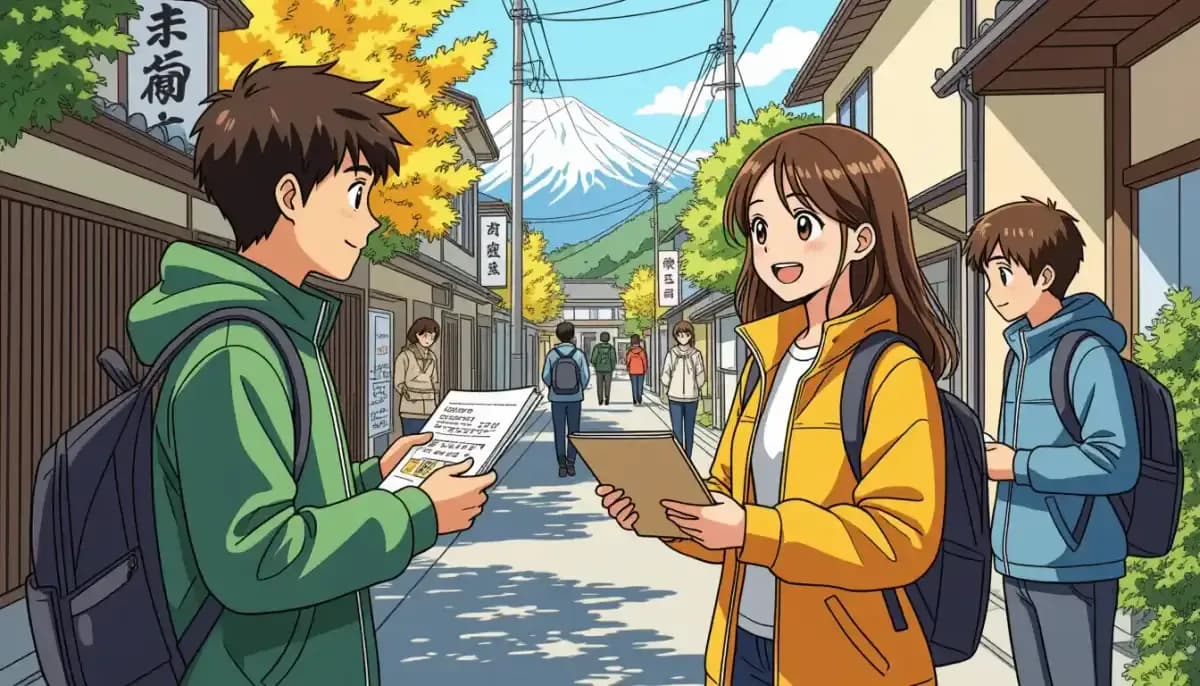
Learn how to volunteer in Japan as a foreigner. Discover top organizations like TVAC, Hands On Tokyo, and Second Harvest Japan, visa requirements, and step-by-step tips for getting started.
Volunteering in Japan as a Foreigner: The Complete Guide
Japan's volunteer culture is rich, welcoming, and well-organized — and as a foreigner living in Japan, you have genuine opportunities to get involved. Whether you want to help at a food bank, support disaster relief, teach English to local kids, or care for animals, there's a volunteer role that fits your schedule and skills. This guide covers everything you need to know about volunteering in Japan as a foreigner: where to find opportunities, what your visa allows, which organizations accept English speakers, and how to get started.
Can Foreigners Volunteer in Japan?
Yes — but the answer comes with an important caveat: your visa status determines what you're legally allowed to do.
Many foreigners assume that because volunteering is unpaid, it's automatically permitted under any visa. That's not true in Japan. Immigration authorities distinguish between unpaid volunteering and unpaid employment, and engaging in activities that fall outside your visa category can have consequences.
Here's a general breakdown by visa type:
| Visa Status | Volunteering Generally Permitted? | Notes |
|---|---|---|
| Permanent Resident | Yes | No restrictions on unpaid activities |
| Work Visa (Engineer, Specialist, etc.) | Usually yes | Must be truly unpaid and not displace paid workers |
| Student Visa | Usually yes | Check with your school's international office |
| Spouse/Dependent Visa | Usually yes | Confirm with your local immigration office |
| Temporary Visitor (Tourist) | Caution required | Short-term unpaid volunteering may be acceptable; confirm in advance |
| Working Holiday Visa | Yes | Generally broad permission |
The safest approach: Before committing to any volunteer role, confirm with your regional immigration bureau or the organization's coordinator that your status permits the activity. This is especially important if you're on a tourist or temporary visitor status. For more detail on visa categories and what they allow, see our Complete Guide to Japan Visa and Immigration.
Top Organizations That Welcome Foreign Volunteers
Japan has a robust network of NPOs (non-profit organizations) and volunteer centers, many of which actively seek English-speaking volunteers. Here are the most accessible and foreigner-friendly options:
Tokyo Voluntary Action Center (TVAC)
TVAC is Tokyo's main hub for matching volunteers to organizations. It lists opportunities across categories including social welfare, health, international exchange, environment, and disaster relief. English-speaking staff can help match you to groups based on your interests and availability. This is often the best starting point for new arrivals in Tokyo.
Hands On Tokyo
Hands On Tokyo is a bilingual NPO that curates one-off and recurring volunteer projects across children's homes, senior facilities, special needs programs, and more. You can browse a calendar and sign up project-by-project, making it ideal if your schedule is unpredictable or you want to try different activities before committing.
Second Harvest Japan (2HJ)
Japan's pioneering food bank, Second Harvest Japan operates with clear English onboarding for volunteer shifts involving warehouse sorting, deliveries, and community meals. Regular shifts and online registration make it easy to get started. This is one of the most recommended entry points for new volunteers in Japan.
TELL Lifeline
TELL is Tokyo's English-language mental health support service. Volunteers staff their crisis helpline and chat service, but this requires a significant commitment: 10 weeks of intensive training before you take your first call. If you have a background in counseling or mental health, this is a highly impactful way to contribute.
Animal Refuge Kansai (ARK)
Based in the Kansai region, ARK is a rescue shelter for cats and dogs that accepts volunteers for shelter care, walking, socialization, and fundraising events. Applications are reviewed monthly. This is a great option for animal lovers in the Osaka/Kobe area.
Peace Boat
Peace Boat runs ocean voyages combined with volunteer and cultural exchange programs. If you're a language teacher or interpreter, you can volunteer your skills on their voyages in exchange for a reduced fare. It's a unique experience that combines travel and volunteering.
For more resources on building your social network and community in Japan, visit Living in Nihon's community guide and For Work in Japan's networking resources.
Types of Volunteering Available in Japan
Japan's volunteer sector covers a wide range of causes. Here's an overview of the most common categories and what they involve:
Education and English Teaching
Many community centers, children's facilities, and after-school programs welcome English-speaking volunteers to help with English conversation, tutoring, or cultural exchange activities. No formal teaching certification is usually required for casual volunteer roles — just patience and enthusiasm. If you're looking to make teaching a career, see our Complete Guide to Teaching English in Japan.
Disaster Relief and Emergency Response
Japan is one of the world's most disaster-prone countries — earthquakes, typhoons, flooding, and tsunamis are recurring realities. After the 2011 Tohoku earthquake and tsunami, more than 1.3 million people volunteered in affected areas within three years, demonstrating the scale of Japan's volunteer mobilization capacity.
Japan has a structured Disaster Volunteer Center (DVC) system coordinated through local Social Welfare Councils. During declared disasters, these centers coordinate volunteer deployment for tasks like debris removal, logistics, information gathering, meal distribution, and mental health support. Always wait for official calls from the DVC before traveling to an affected area — unsolicited arrivals create additional logistical burdens.
Organizations like CRASH Japan specifically coordinate Christian-affiliated disaster response volunteers and work alongside official disaster volunteer systems.
Food Banks and Poverty Relief
Food insecurity is more widespread in Japan than many realize. Second Harvest Japan and similar organizations run regular volunteer shifts for food sorting, packaging, and distribution. These roles are especially accessible for foreigners since they require minimal Japanese.
Environmental Conservation
Volunteer opportunities in environmental conservation include beach cleanups, forest maintenance, river cleanup events, and urban greening projects. These events are often organized at the ward or city level and are a great way to meet local residents. Check your city's volunteer center or local SNS groups for upcoming events.
Animal Welfare
Animal shelters across Japan frequently seek volunteers for cleaning, feeding, socialization, and adoption event support. Proficiency in Japanese is sometimes required for direct public interaction, but many shelters have roles accessible to non-Japanese speakers.
Senior Care and Community Support
Japan's rapidly aging population means there's consistent demand for volunteers at senior centers, care homes, and community welfare programs. Activities can include companionship visits, light assistance with activities, or helping run events. Some roles may require basic Japanese ability.
Visa Considerations for Tourists and Short-Term Visitors
If you're visiting Japan on a tourist visa or under a visa-waiver agreement (up to 90 days), short-term unpaid volunteering may be permissible — but it's in a legal gray area.
Many nationalities (including US, EU, Australian, and other citizens) can stay in Japan for up to 90 days without a visa, and immigration generally allows brief, genuinely unpaid volunteer activities during this period. However:
- The activity must be truly unpaid — no compensation, accommodation, or other benefits in lieu of payment
- It should not displace paid Japanese workers
- Confirm with your consulate or the Japan immigration bureau before your trip if volunteering is the primary purpose of your visit
If your primary purpose for coming to Japan is to volunteer, especially for longer than 90 days, ask your nearest Japanese consulate about a Cultural Activities Visa or Specified Activities Visa that may cover your situation.
For comprehensive visa guidance, see the Japan Handbook's volunteering and visa guide and our own Japan Visa and Immigration Guide.
How to Find Volunteer Opportunities: Step-by-Step
Getting started with volunteering in Japan doesn't have to be complicated. Follow these steps:
- Identify your cause — Education, disaster relief, food security, environment, animals, or senior care? Having a focus makes the search faster.
- Check your visa status — Confirm with your visa category or immigration office that volunteering is permitted.
- Search TVAC or your city's volunteer center — Most cities have a "Shakai Fukushi Kyogikai" (Social Welfare Council) with a volunteer center inside. Many have basic English support.
- Browse Hands On Tokyo (for Tokyo residents) — Their calendar-based system makes it easy to find a suitable one-off project.
- Register online — Most organizations accept initial applications through their websites. Have your address, phone number, and a brief self-introduction ready.
- Attend orientation — Japanese NPOs take onboarding seriously. Attend any required briefings and read all provided materials.
- Show up prepared — Arrive 10 minutes early, bring ID and your health insurance card, wear appropriate clothing (closed shoes, long pants), and follow all instructions carefully.
For more on navigating daily life logistics in Japan, see our Complete Guide to Daily Life in Japan.
Cultural Tips for Volunteers in Japan
Volunteering in a Japanese context involves some cultural expectations that differ from Western norms. Keeping these in mind will help you integrate smoothly and make a positive impression:
- Punctuality is non-negotiable — Arrive at the stated time or a few minutes early. Arriving late is considered disrespectful and disruptive to group coordination.
- Follow instructions precisely — Japanese volunteer organizations provide detailed briefings and protocols. Do not improvise or take initiative outside of your assigned tasks without checking first.
- Privacy and discretion matter — Never photograph beneficiaries, clients, or sensitive situations without explicit permission from the organization.
- Language is a gradual barrier — Many organizations have English-friendly roles and provide simple instruction sheets. If your Japanese is limited, communicate this upfront — most coordinators appreciate honesty and will find a suitable role.
- Group harmony first — Volunteer settings in Japan emphasize team coordination. Avoid standing out negatively, and contribute to a cooperative, low-ego team dynamic.
For broader guidance on Japanese cultural norms and etiquette, read our Complete Guide to Japanese Culture and Etiquette.
Volunteer Insurance: What You Need to Know
Most organized volunteer activities in Japan involve volunteer insurance (ボランティア保険), which covers you for accidents and injuries during your volunteer activity. This is typically arranged through your local Social Welfare Council at very low cost (a few hundred yen for the year).
Before starting any volunteer role, ask the coordinating organization:
- Whether volunteer insurance is required
- Whether they arrange it for you or whether you need to purchase it separately
- What the coverage includes (personal injury, third-party liability, etc.)
For activities like disaster relief, where physical risk is higher, confirm that your coverage is adequate before deploying.
Recommended Resources for English-Speaking Volunteers
Finding volunteering information in English can take some searching, but these resources are reliable starting points:
- Tokyo Voluntary Action Center (TVAC) — Tokyo's main English-friendly volunteer hub
- Hands On Tokyo — Bilingual NPO with calendar-based project signup
- Second Harvest Japan — Food bank with English onboarding
- Japan Handbook - Volunteering Guide — Comprehensive expat guide
- Gaijin Pot - Volunteering in Japan — Community guide for foreigners
- Jobs in Japan - Volunteering Guide — Overview for foreign residents
- Living in Nihon — Resources for expat life in Japan
- Ittenshoku — Career and life resources for foreigners in Japan
Making Volunteering Sustainable
Many foreigners start volunteering enthusiastically but burn out quickly due to commute time, language barriers, or over-committing. Here's how to keep it sustainable:
- Start with one-off events before committing to a regular schedule
- Choose locations near your home or commute route to reduce logistical friction
- Be honest about your Japanese level so you're placed in appropriate roles
- One shift per month is a genuinely valuable contribution — don't feel you need to do more
- Connect with other foreign volunteers through Hands On Tokyo or expat community groups to share tips and stay motivated
Building a social life in Japan while volunteering is a natural pairing — many expats find their closest local friendships through volunteer work. For more on building connections, see our Guide to Making Friends and Social Life in Japan.
Conclusion: A Rewarding Way to Give Back and Connect
Volunteering in Japan as a foreigner is not only possible — it's one of the most rewarding ways to deepen your connection to your community, improve your Japanese, and make a meaningful contribution to the country that hosts you. Japan's volunteer infrastructure is sophisticated and welcoming to English speakers, especially in major cities.
Start by confirming your visa status, visiting your city's volunteer center or TVAC, and signing up for a one-off event with Hands On Tokyo or Second Harvest Japan. You'll quickly find that Japanese NPOs are organized, professional, and genuinely grateful for your help.
Whether you volunteer once or build a regular practice, the experience of giving back in Japan is one that many foreign residents describe as transformative — both for the communities they serve and for their own sense of belonging in Japan.

Originally from Vietnam, living in Japan for 16+ years. Graduated from Nagoya University, with 11 years of professional experience at Japanese and international companies. Sharing information about living in Japan for foreigners.
View Profile →Related Articles

Building Relationships with Japanese Neighbors
Learn how to build genuine relationships with your Japanese neighbors. From moving-in gift etiquette to joining the chonaikai, this complete guide covers all the cultural norms foreigners need to know.
Read more →
Professional Networking Events in Japan for Foreigners
Discover the best professional networking events in Japan for foreigners. From chambers of commerce to startup meetups and career forums, build your network in Tokyo, Osaka, and beyond.
Read more →
Cultural Barriers to Friendship in Japan and How to Overcome Them
Discover the key cultural barriers to making friends in Japan — from uchi-soto dynamics to tatemae — and get practical strategies to build genuine Japanese friendships as a foreigner.
Read more →
How to Maintain Friendships Long Term in Japan
Learn how to maintain long-term friendships in Japan as a foreigner. Practical tips on LINE communication, omiyage culture, expat turnover, and building lasting bonds with Japanese friends.
Read more →
Best Online Communities and Forums for Expats in Japan
Discover the best online communities, forums, and social groups for expats living in Japan. From r/japanlife to InterNations and Tokyo Facebook groups — your complete guide to connecting.
Read more →
Joining Sports Clubs and Teams in Japan as a Foreigner
Complete guide to joining sports clubs and teams in Japan as a foreigner. Find expat-friendly clubs, understand costs, navigate language barriers, and build your social life through sport.
Read more →