
Summer Activities and Programs for Kids in Japan

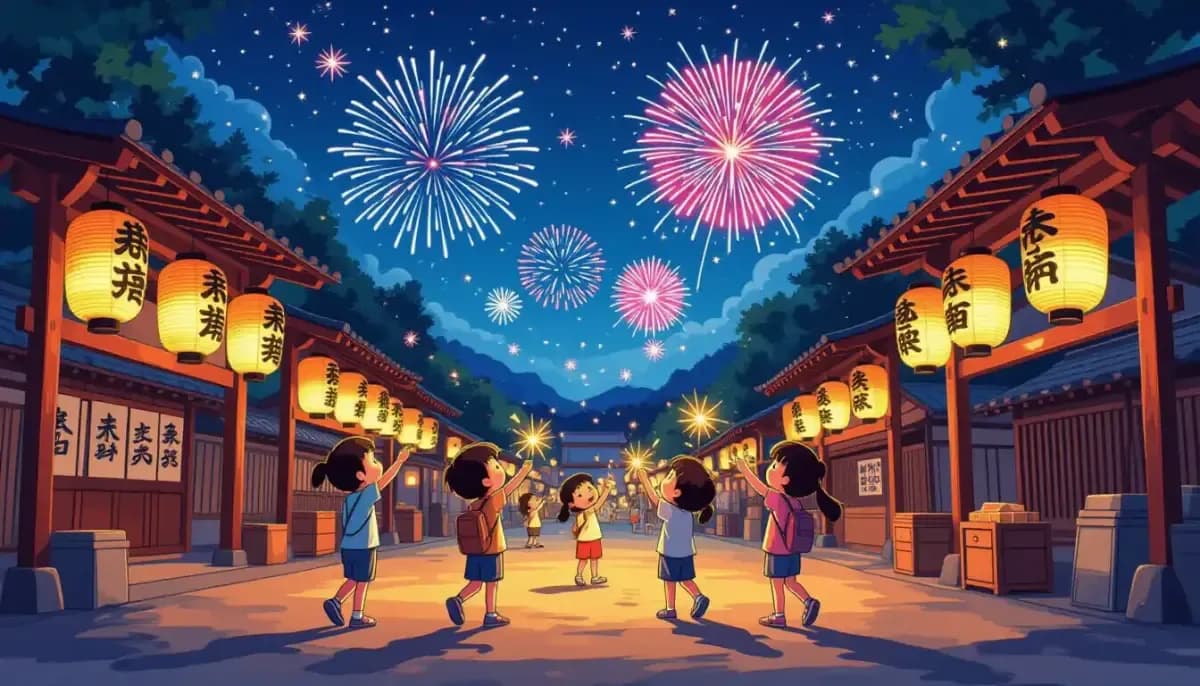
Complete guide to summer activities and programs for kids in Japan. Discover English camps, traditional festivals, water sports, theme parks, and indoor activities for expat families.
Summer Activities and Programs for Kids in Japan: The Complete Guide for Foreign Families
Japan's summer is a magical, if sweltering, season for children. From vibrant traditional festivals and fireworks shows to world-class theme parks and outdoor adventures, there is no shortage of things to keep kids engaged during the long school break. As a foreign parent in Japan, you have access to a fantastic mix of international summer programs, English-language camps, and cultural experiences that your children simply won't find anywhere else in the world.
This guide covers everything you need to know about keeping your kids entertained, enriched, and cool during Japan's summer months—whether you've just arrived or have been living here for years.
!Children enjoying a Japanese summer festival with lanterns and fireworks

Understanding Japan's Summer School Holidays
Japanese public school summer vacation typically runs from late July to the end of August—a relatively short break compared to many Western countries. However, international schools and some private schools may follow different schedules, sometimes starting their break as early as mid-June.
During this period, children are often assigned homework (夏休みの宿題, natsuyasumi no shukudai) including reading logs, science projects, and a daily diary. Even during the break, many Japanese kids attend juku (cram schools) or extracurricular clubs. As a foreign parent, you can choose how much to align with this approach or take advantage of the time for travel, camps, and cultural exploration.
Key dates to know:
- Public school summer break: late July–end of August
- International school summer programs: often June–August
- Obon holiday period: mid-August (expect busy travel and closures)
For more context on the Japanese school system and how it affects your family, see our guide on raising children in Japan.
Summer Camps and Structured Programs for Kids
One of the best investments you can make for your child's summer is enrolling them in a structured program. Japan offers a surprisingly wide variety of options catering to foreign and bilingual families.
English Immersion and International Day Camps
Tokyo has a growing number of English-language day camps designed for children aged 5 to 12. Elev8, operating in the Tokyo area, runs a premium day camp where kids learn coding, mathematics, and language arts entirely in English. They also offer chaperone services from major stations including Shibuya, Hiroo, Tokyo, and Yokohama—a huge convenience for working parents.
Harajuku Kids Club Tokyo runs a Summer School Camp that combines English with traditional Japanese summer activities like suika-wari (watermelon smashing), washi paper crafts, origami, and ice cream making—a wonderful blend of cultures for 3–12 year olds.
International schools across Japan often open their summer programs to non-enrolled students. Many programs run weekly from mid-June through August, covering themes like science, arts, and outdoor exploration.
Outdoor and Adventure Camps
For older kids and teens who crave adventure, Japan's natural landscape provides spectacular settings:
- Niseko (Hokkaido): Bilingual, action-packed camps for ages 6–14 featuring hiking, outdoor adventures, and cultural activities in one of Japan's most beautiful mountain regions.
- Hakuba (Nagano): Evergreen runs 5-day and 10-day English camps for children aged 7 and above in this popular ski-resort-turned-summer-escape.
- EdVenture Niseko: English immersive, multi-activity camps for children and young teens in Niseko's natural surroundings.
- Gokizuna (various locations): Nature-focused camps emphasizing teamwork, resilience, and outdoor skills.
STEAM and Technology Programs
Japan is increasingly offering STEM and coding camps for children during summer:
- Tokyo Coding Club: Both a day camp in Tokyo and an overnight camp in Gunma for ages 5 and up, combining outdoor activities with technology learning in English.
- Laurus: STEAM-themed summer programs running from late June through August, open to both enrolled and non-enrolled students.
Important note: Some camps require proof of Japanese National Health Insurance for participation. Always check requirements in advance and register early—popular programs fill up fast.
For broader information about family life and resources, the team at Living in Nihon provides excellent guides specifically for foreign families navigating Japanese childhood education and activities.
Traditional Japanese Summer Experiences for Children
Beyond organized camps, Japan's summer is defined by deeply-rooted cultural traditions that children absolutely love.
Summer Festivals (夏祭り, Natsu Matsuri)
Summer in Japan means festivals. Nearly every neighborhood holds its own matsuri during July and August, featuring:
- Bon Odori: Traditional folk dances performed around a central wooden scaffold (yagura). Kids can join in the slow, circular dance—no experience needed.
- Fireworks displays (花火大会, *hanabi taikai*): Major fireworks shows draw hundreds of thousands of visitors. Notable events include the Sumida River Fireworks (Tokyo), Nagaoka Fireworks (Niigata), and PL Fireworks (Osaka).
- Festival games and food stalls: Children love the rows of stalls selling yakitori, takoyaki, kakigori (shaved ice), and classic games like goldfish scooping (kingyo sukui) and yo-yo fishing.
Wearing a yukata (summer kimono) to a festival is a cherished experience—rental shops near major festival sites make this easy for foreign families. For a deeper look at Japanese summer traditions, GaijinPot's guide to Japanese summer traditions is a great read.
For a comprehensive overview of Japan's seasonal celebrations, see our guide to Japanese festivals and traditions.
Obon Holiday (お盆)
Mid-August marks Obon, a Buddhist festival when Japanese families honor their ancestors. While much of Japan essentially shuts down for travel during this period (making it a challenging time to book transportation), it's also when communities host some of the most beautiful Bon Odori events. Witnessing this tradition with your children is a memorable cultural experience.
!Kids in yukata at a Japanese summer festival with taiko drums

Water Activities and Beach Fun
Japan's coastline stretches for thousands of kilometers, and the summer months are perfect for water-based adventures.
Beaches and Water Sports
Okinawa is the undisputed king of Japanese beach experiences, with crystal-clear water and family-friendly resorts. The surrounding islands of Ishigaki and Miyako offer:
- Snorkeling with tropical fish
- Glass-bottom boat tours
- Parasailing (from age 4 at many operators)
- Banana boat rides
On the mainland, popular beach destinations include Shonan (near Tokyo), Kamakura, and the Izu Peninsula—all reachable by train and featuring calmer conditions suitable for families.
For river adventures, many inland regions offer:
- Rafting and kayaking (typically age 5+)
- Canyoning (age 5+ at many operators)
- Canoe tours (suitable from age 3 with parents)
- Stand-up paddleboarding (SUP)
Many activity operators can provide English-speaking guides—always confirm in advance when booking. The Activity Japan platform lists hundreds of family-friendly summer activities with English booking support.
Indoor Activities for Hot Summer Days
Japan's summer heat and humidity can be relentless, with temperatures regularly exceeding 35°C in major cities. Smart planning means having great indoor options for the hottest part of the day (typically 11am–4pm).
Museums and Science Centers
| Facility | Location | Best For | Age Range |
|---|---|---|---|
| Miraikan (National Museum of Emerging Science) | Tokyo (Odaiba) | Robots, space, technology | 5+ |
| National Museum of Nature and Science | Tokyo (Ueno) | Dinosaurs, natural history | 4+ |
| Kids Plaza Osaka | Osaka | Hands-on interactive exhibits | 2–12 |
| Kidzania Tokyo / Osaka | Tokyo, Osaka | Role-play career experiences | 3–15 |
| Aqua Park Shinagawa | Tokyo | Aquarium and dolphin shows | All ages |
| Osaka Aquarium Kaiyukan | Osaka | Whale sharks, deep sea exhibits | All ages |
| Nagoya City Science Museum | Nagoya | Planetarium, science exhibits | 5+ |
Most major museums offer air-conditioned comfort, English signage or audio guides, and dedicated children's areas. Check websites for summer school holiday pricing, as many offer family discounts.
Theme Parks
Japan's theme parks are legendary:
- Universal Studios Japan (Osaka): Super Nintendo World, Harry Potter's Wizarding World, Minion Park
- Tokyo Disneyland / DisneySea: Classic Disney magic in an immaculate setting
- FujiQ Highland (Yamanashi): Thrill rides with Mt. Fuji as a backdrop (older kids and teens)
- Sanrio Puroland (Tokyo): Hello Kitty-themed indoor park, great for younger children
- Legoland Japan (Nagoya): Perfect for ages 2–12
Book theme park tickets well in advance during summer—the busiest period of the year for domestic travel.
Practical Tips for Parents: Surviving the Japan Summer
Managing a Japanese summer with children requires some planning. Here's what experienced expat parents recommend:
Beat the heat strategically:
- Head out early (before 9am) for outdoor activities
- Plan indoor activities for noon–4pm
- Return outdoors in the evening for festivals and fireworks
- Keep hydration snacks like sports drinks, cold edamame, and kakigori on hand
Cultural tips:
- Dress kids in yukata for festivals—rental shops are widely available near major venues
- Teach children the basics of festival etiquette: queue politely, dispose of trash at the stall
- Many shrines and temples host summer events that are free and family-friendly
Health and safety:
- Apply SPF 50+ sunscreen diligently—Japan's UV index is extremely high in summer
- Ensure your child's Japanese health insurance card is up to date
- Know the nearest byoin (hospital) and yakkyoku (pharmacy) to your home
- Watch for signs of heat exhaustion in young children, especially during outdoor festivals
Budgeting for summer:
- Day camps: ¥3,000–¥15,000 per day depending on program
- Overnight camps: ¥50,000–¥150,000 per week
- Theme park entry: ¥4,000–¥10,000 per person
- Beach/water activities: ¥2,000–¥8,000 per person per activity
For practical support navigating family life in Japan as a foreigner, For Work in Japan's family life guide offers useful resources on daily life logistics.
Cultural Workshops and Creative Activities
Summer is an excellent time to deepen your children's connection with Japanese culture through hands-on workshops.
Traditional Crafts
Many cultural centers, craft studios, and tourist facilities offer workshops in:
- Origami (paper folding)—widely available, even for very young children
- Washi paper making—traditional Japanese paper crafting
- Pottery and ceramics—from simple pinch pots to wheel throwing
- Calligraphy (Shodo)—learning to write Japanese characters with a brush
- Dyeing (Roketsu-zome)—traditional wax-resist fabric dyeing
- Noodle making—hands-on ramen or udon workshops
Platforms like Airbnb Experiences and Voyagin list English-friendly cultural workshops across Japan, including Tokyo, Kyoto, and Osaka.
Language and Academic Programs
Some children use the summer to accelerate their Japanese language learning. Options include:
- Genki Japanese and Culture School runs summer packages for teenagers in Fukuoka and Kyoto, combining language learning with cultural activities
- Japanese community centers (Kominkan) often offer free or low-cost summer programs that integrate foreign kids with local children—an excellent language immersion experience
- If your child is in a Japanese school, summer homework often includes an activity journal (nikki) that can double as a language practice tool
For guidance on helping your child learn Japanese, see our guide on learning Japanese as a foreigner.
Planning Your Summer: A Month-by-Month Overview
| Month | Key Highlights | Tips |
|---|---|---|
| June | International school summer programs begin; rainy season ending | Book camps early; weather still mild |
| July | Public school holidays begin (late July); major fireworks season starts | Festival season peaks; book accommodations early |
| August | Peak summer; Obon (mid-August); beach season; most activities in full swing | Obon travel is extremely busy—book trains weeks ahead |
| September | Schools resume (early September); some programs continue | Typhoon season—have backup indoor plans |
Final Thoughts: Making the Most of Summer in Japan
Japan's summer offers an unparalleled mix of the traditional and the modern, the organized and the spontaneous. From structured English-language camps in Tokyo to spontaneous evening matsuri in your neighborhood, there is truly something for every child and every family budget.
The key is to plan ahead—popular camps, theme park tickets, and Obon-season travel all require advance booking. But don't over-schedule either: some of the best summer memories come from wandering into a neighborhood festival, stumbling upon a fireworks show, or watching your child's face light up as they catch a goldfish for the first time.
For career-focused expats wondering how work-life balance plays out in Japan's corporate environment, Ittenshoku offers insights into Japanese workplace culture that can help you plan your time off effectively.
Japan's summer is intense, hot, and unforgettable. Dive in—your kids will love it.
Related guides you may find helpful:

Originally from Vietnam, living in Japan for 16+ years. Graduated from Nagoya University, with 11 years of professional experience at Japanese and international companies. Sharing information about living in Japan for foreigners.
View Profile →Related Articles
Special Needs Education in Japan for Foreign Families
A complete guide to special needs education in Japan for foreign families. Learn about school types, support levels, enrollment process, international school options, and key resources for expat parents.
Read more →
Is Homeschooling Legal in Japan Guide for Foreigners
Is homeschooling legal in Japan for foreigners? Learn about the legal gray area, steps to homeschool your child, curriculum options, and support organizations for expat families in Japan.
Read more →
Japanese Education System Explained for Foreign Parents
A complete guide to Japan's education system for foreign parents. Learn about school types, enrollment steps, costs, language support, and tips for raising bilingual children in Japan.
Read more →
Dealing with Bullying Ijime in Japanese Schools
Learn how to recognize, report, and respond to ijime (bullying) in Japanese schools. A practical guide for foreign and expat parents in Japan, with key statistics and action steps.
Read more →
After School Activities and Juku in Japan for Kids
Complete guide to after-school activities (naraigoto) and juku cram schools in Japan for expat families. Learn about costs, enrollment, popular activities, and tips for foreign children.
Read more →
PTA Involvement in Japanese Schools Guide for Foreign Parents
Everything foreign parents need to know about PTA involvement in Japanese schools: how it works, the roles, language tips, how to decline gracefully, and how to connect with the school community.
Read more →