
After School Activities and Juku in Japan for Kids

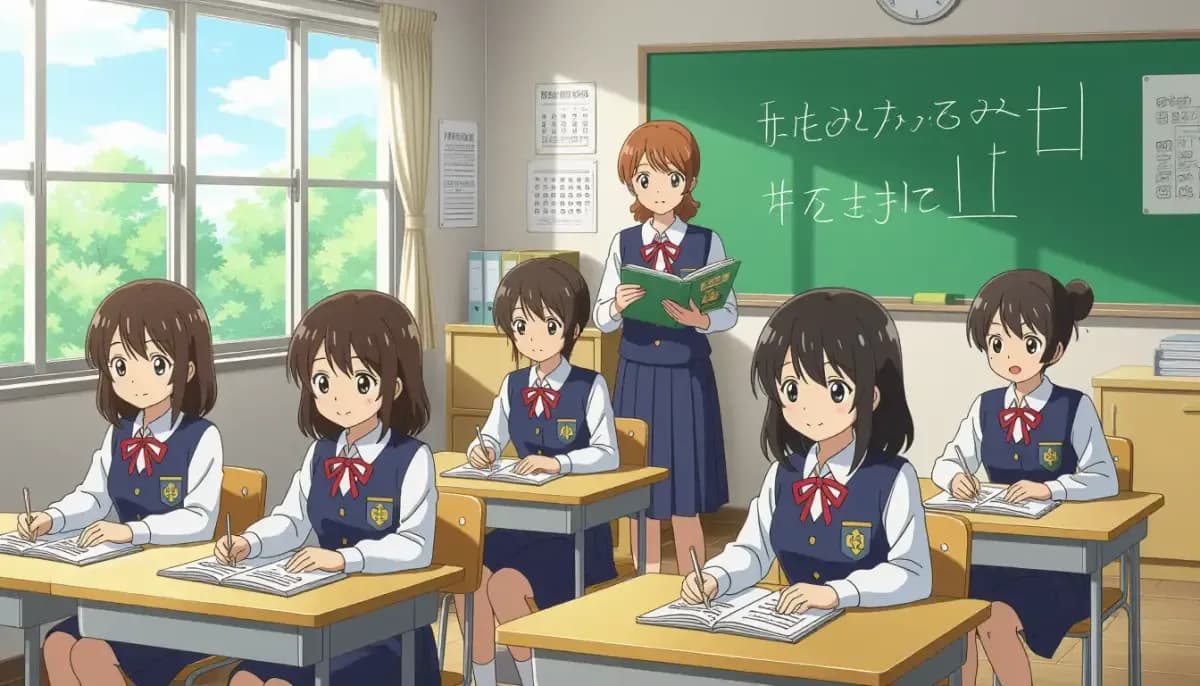
Complete guide to after-school activities (naraigoto) and juku cram schools in Japan for expat families. Learn about costs, enrollment, popular activities, and tips for foreign children.
After School Activities and Juku in Japan for Kids
If you're raising children in Japan as a foreigner, one of the first things you'll notice is how busy Japanese kids are after school. Between cram schools, swimming lessons, piano practice, and English conversation classes, the world of after-school activities — known as naraigoto (習い事) — is a major part of childhood here. Understanding this system is essential for expat parents who want their children to thrive socially and academically in Japan.
This guide covers everything you need to know about after-school activities and juku (塾) cram schools in Japan: what they are, how much they cost, how to enroll your foreign child, and what to expect.
What Are Naraigoto? Japan's After-School Activities Culture
Naraigoto literally means "things you learn" and refers to the wide variety of private extracurricular lessons Japanese children attend outside of regular school hours. Unlike school clubs (bukatsu), naraigoto are privately operated and cover everything from arts and sports to academic tutoring.
Japanese parents view naraigoto as an essential investment in their child's development. These activities help children build discipline, develop social skills, and discover their talents. For foreign families, enrolling in naraigoto is also an excellent way for children to integrate into Japanese society, make local friends, and improve their Japanese language skills.
The most popular naraigoto in Japan include:
- Swimming (水泳) — consistently Japan's most popular after-school activity
- Piano and music lessons (ピアノ・音楽)
- English conversation (英会話)
- Karate and martial arts (空手・武道)
- Soroban (abacus) (そろばん)
- Ballet and dance
- Juku (cram school) — for academic subjects and test preparation
For most children, naraigoto begins in early elementary school, typically around ages 6–8, and the schedule intensifies as they approach middle school entrance exams.
Understanding Juku: Japan's Cram School System
Juku (塾) are private supplementary schools that operate after regular school hours, on weekends, and during school holidays. There are two main types:
Academic juku (gakushū juku 学習塾): These focus on reinforcing school subjects — math, Japanese, English, science — and preparing students for school entrance exams. Many parents send children to academic juku to keep up with the highly competitive Japanese school system.
Non-academic juku: These include lessons in swimming, music, arts, and other skills. In common usage, when Japanese people say "juku," they usually mean the academic variety.
How Prevalent Is Juku Attendance?
Juku is deeply embedded in Japanese educational culture. The statistics are striking:
- Over 30% of elementary school students attend some form of juku
- By junior high school (grades 7–9), the rate rises to 47–58%
- Roughly 60% of all Japanese students participate in supplementary education at some point
- According to the Ministry of Education, about 53.5% of public junior high students attend academic tutoring schools
Children typically begin attending academic juku around Grade 3 or 4 (ages 9–10), with intensity ramping up in the final year of elementary school when students prepare for prestigious middle school entrance exams.
Popular After-School Activities: Types, Benefits, and Costs
Here's a comprehensive overview of the most common naraigoto in Japan, along with typical costs and what to expect:
| Activity | Monthly Cost | Best Age to Start | Key Benefits |
|---|---|---|---|
| Swimming (水泳) | ¥5,000–¥10,000 | 3–5 years | Fitness, water safety, endurance |
| English conversation (英会話) | ¥6,000–¥12,000 | 4–6 years | Language skills, cultural awareness |
| Piano / music (ピアノ) | ¥5,000–¥15,000 | 4–6 years | Brain development, fine motor skills |
| Karate / martial arts (空手) | ¥4,000–¥8,000 | 5–8 years | Discipline, fitness, etiquette |
| Soroban / abacus (そろばん) | ¥3,000–¥7,000 | 6–8 years | Math skills, mental calculation |
| Ballet / dance (バレエ) | ¥8,000–¥20,000 | 4–7 years | Flexibility, performance, confidence |
| Academic juku (学習塾) | ¥10,000–¥50,000 | Grade 3–4 | Academic support, exam preparation |
| Art / drawing (絵画) | ¥4,000–¥8,000 | 4–8 years | Creativity, expression |
Swimming
Swimming is consistently Japan's most popular naraigoto for children. Most cities have large swimming school chains (like KONAMI Sports and Central Sports) that offer structured lessons for all ages. Lessons are affordable, classes are safe and well-organized, and many parents value the water safety skills their children develop. Sessions typically run 60–90 minutes, 1–2 times per week.
English Conversation
English conversation classes (eikaiwa) are extremely popular, reflecting Japan's desire for global communication skills. Chains like NOVA Kids, ECC Junior, and Kumon English offer structured programs. For foreign families, enrolling your child in an English class might seem redundant — but bilingual programs that teach academic English skills can still be valuable.
Piano and Music
Piano lessons remain a classic naraigoto choice. Many Japanese children learn piano from an early age, and the investment is considered worthwhile for cognitive development. Be prepared for additional costs: home practice is essential, so many families purchase a keyboard or upright piano.
Karate and Martial Arts
Karate lessons teach children discipline, physical fitness, and traditional Japanese etiquette (bowing, respect for teachers). Many dojos welcome foreign children, and karate's structured progression (belt system) gives children clear goals to work toward.
Soroban (Abacus)
Soroban is a traditional Japanese abacus used to develop rapid mental calculation skills. Many children who learn soroban develop exceptional arithmetic abilities. Classes are affordable and a uniquely Japanese cultural experience.
After-School Care: Gakudō and Hoikuen Options
Beyond lessons and juku, Japan has formal after-school care systems for working parents:
Gakudō (学童保育 / Gakudō Hoshō): Government-subsidized after-school care programs for elementary school children. These are available to working parents and provide supervised care, homework time, and play from after school until 6–7pm. Costs are typically ¥5,000–¥15,000 per month depending on your municipality, with income-based subsidies available.
Private after-school care: Private centers offer enrichment programs alongside care. Costs range from ¥20,000–¥50,000 per month for comprehensive programs.
For working expat families, applying for gakudō early is essential — spots are limited and applications are accepted in autumn for the following school year.
Juku for Foreign Children: What You Need to Know
Many juku welcome foreign children, but there are some important things to understand:
Language Requirements
Most academic juku in Japan conduct classes entirely in Japanese. If your child's Japanese is not at grade level, they may struggle to keep up. Before enrolling, assess your child's Japanese proficiency honestly. Some options for foreign children:
- Bilingual juku — Some juku in major cities (Tokyo, Osaka, Nagoya) offer bilingual instruction or support for non-native speakers
- Specialized foreign-student juku — Institutions like Freedom Language School in Aichi offer individualized academic support specifically designed for foreign children in Japanese schools
- Kumon — The self-paced worksheet method works well for children of any language background, as the format is highly visual and repetitive
Enrollment Process
- Find local juku: Search online for juku near your address, or ask at your child's school for recommendations
- Request a trial lesson (taiken ressun 体験レッスン): Most juku offer free or low-cost trial sessions — always take advantage of these before committing
- Attend an information session (setsumeikai 説明会): Larger juku chains hold information sessions for prospective families
- Submit enrollment documents: You'll typically need your child's name, school grade, and emergency contact information
- Pay registration fee: Most juku charge a registration fee (nyūkai-kin 入会金) of ¥5,000–¥20,000 in addition to monthly tuition
Costs
Academic juku costs vary widely based on the type and intensity:
- Major chain juku (e.g., Kumon, Benesse): ¥5,000–¥15,000/month
- Neighborhood juku (kojin juku): ¥10,000–¥20,000/month
- Prestigious exam-prep juku: ¥30,000–¥80,000/month or more
- Average fee is approximately ¥16,000–¥18,000/month for elementary school students
How to Choose the Right Activities for Your Child
With so many options available, here are practical tips for expat parents:
Let your child guide the process. Modern parenting experts in Japan recommend allowing children to express interest rather than having parents choose. A child who chose their own activity is far more likely to stick with it.
Start with free trials. Almost every naraigoto offers taiken ressun (trial lessons) or kengaku (observation visits). Use these to assess fit before paying registration fees.
Consider language integration. For foreign children still developing Japanese, enrolling in activities where they'll interact with Japanese peers (swimming, karate, art) naturally accelerates language acquisition in a low-pressure environment.
Balance academic and non-academic activities. Japanese children often attend multiple naraigoto simultaneously. Internationally, child development experts recommend limiting activities to 1–2 per week for elementary-aged children to avoid burnout.
Factor in location and schedule. Japan's public transportation system makes it easy to travel to activities, but consider how lessons fit into your family's weekly schedule, especially if you have multiple children.
For more comprehensive guidance on raising children in Japan, check out Living in Nihon's complete guide to childcare and education in Japan.
Resources for Expat Parents
Navigating the Japanese after-school system can feel overwhelming at first, but there are great resources available:
- Savvy Tokyo: Skill-Building Through Extracurriculars — Excellent overview of naraigoto with firsthand expat perspectives
- Real Life Japan: Popular Extracurricular Activities for Kids — Detailed breakdowns of popular activities and costs
- Tofugu: Japanese Cram Schools — In-depth look at the juku culture and what to expect
- For Work in Japan: Family Life Guide — Resources for foreign workers with families in Japan
- Ittenshoku: Living in Japan Resources — Additional guidance for foreigners navigating life in Japan
For general guidance on daily life and raising children in Japan, our Complete Guide to Raising Children in Japan covers the school system, childcare options, and more. You may also want to read our Complete Guide to Learning Japanese to help your children build the language skills they need for activities conducted in Japanese.
Final Thoughts
After-school activities and juku are a fundamental part of childhood in Japan. For expat families, participating in naraigoto offers children the chance to make Japanese friends, develop cultural competency, and build skills that will serve them throughout their lives.
The key is finding the right balance: activities that your child genuinely enjoys, at a pace that complements rather than overwhelms their schedule. With free trial lessons widely available, you can explore the options without overcommitting.
Whether your child discovers a passion for piano, earns their karate belt, or masters mental math on the soroban, Japan's rich tradition of after-school enrichment has something for every child — and every family.

Originally from Vietnam, living in Japan for 16+ years. Graduated from Nagoya University, with 11 years of professional experience at Japanese and international companies. Sharing information about living in Japan for foreigners.
View Profile →Related Articles

Summer Activities and Programs for Kids in Japan
Complete guide to summer activities and programs for kids in Japan. Discover English camps, traditional festivals, water sports, theme parks, and indoor activities for expat families.
Read more →
Special Needs Education in Japan for Foreign Families
A complete guide to special needs education in Japan for foreign families. Learn about school types, support levels, enrollment process, international school options, and key resources for expat parents.
Read more →
Is Homeschooling Legal in Japan Guide for Foreigners
Is homeschooling legal in Japan for foreigners? Learn about the legal gray area, steps to homeschool your child, curriculum options, and support organizations for expat families in Japan.
Read more →
Japanese Education System Explained for Foreign Parents
A complete guide to Japan's education system for foreign parents. Learn about school types, enrollment steps, costs, language support, and tips for raising bilingual children in Japan.
Read more →
Dealing with Bullying Ijime in Japanese Schools
Learn how to recognize, report, and respond to ijime (bullying) in Japanese schools. A practical guide for foreign and expat parents in Japan, with key statistics and action steps.
Read more →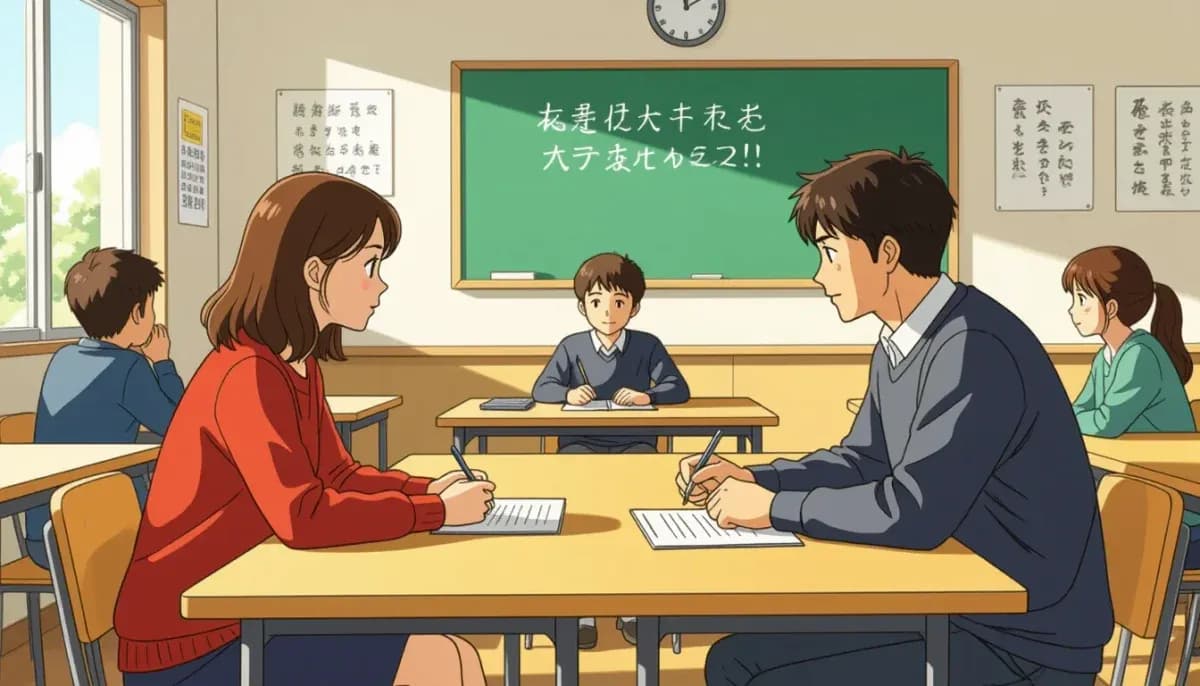
PTA Involvement in Japanese Schools Guide for Foreign Parents
Everything foreign parents need to know about PTA involvement in Japanese schools: how it works, the roles, language tips, how to decline gracefully, and how to connect with the school community.
Read more →