
Dealing with Bullying Ijime in Japanese Schools

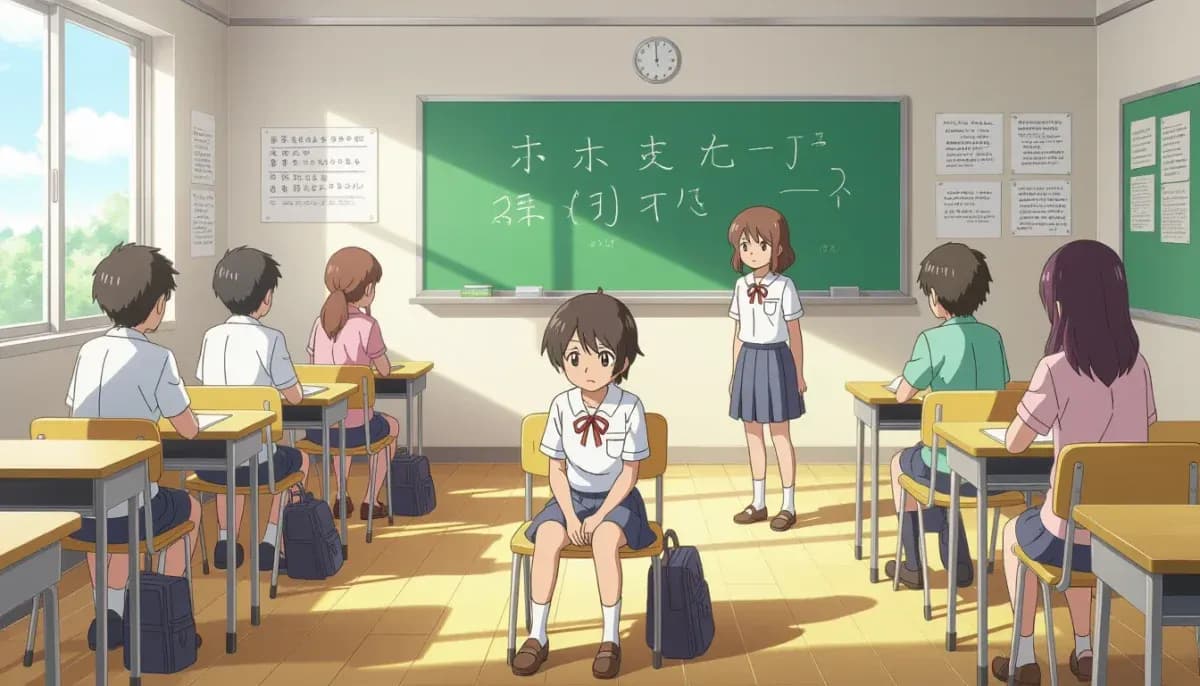
Learn how to recognize, report, and respond to ijime (bullying) in Japanese schools. A practical guide for foreign and expat parents in Japan, with key statistics and action steps.
Dealing with Bullying (Ijime) in Japanese Schools: A Guide for Foreign Families
Sending your child to school in Japan can be one of the most rewarding experiences for your family — but it can also be one of the most stressful if your child encounters ijime (いじめ), the Japanese term for bullying. Japan's school culture is unique, and bullying often manifests in ways that differ from what foreign parents might expect. Understanding how ijime works, why it happens, and what you can do about it is essential for any expat parent raising children in Japan.
This guide is specifically designed to help foreign families navigate the complex world of Japanese school bullying, from recognizing the warning signs to taking effective action.
What Is Ijime? Understanding Japanese School Bullying
Ijime (いじめ) is the Japanese term for bullying, but it carries cultural nuances that set it apart from bullying in Western countries. In Japan, bullying often takes the form of group exclusion, silent treatment (known as mushi), hiding or damaging belongings, and spreading rumors — rather than overt physical violence.
The collectivistic nature of Japanese society means that conformity is highly valued. Students who stand out — whether for their appearance, behavior, language ability, or cultural background — can become targets. For foreign or mixed-heritage children, this risk is even higher.
Key characteristics of ijime:
- Often perpetrated by a group against a single individual
- Frequently involves psychological and social exclusion rather than just physical violence
- Can be subtle and hard to detect, especially for parents unfamiliar with Japanese school culture
- May go unreported due to fear, shame, or lack of trust in authorities
- Increasingly includes cyberbullying via SNS and messaging apps
The 2013 Ijime Prevention Methods Promotion Law (いじめ防止対策推進法) legally defines ijime as "psychological or physical distress caused by acts from other students at the same school." Schools are now legally required to investigate and respond to reported cases.
The Scale of the Problem: Ijime by the Numbers
Japan's Ministry of Education, Culture, Sports, Science and Technology (MEXT) conducts annual surveys on school bullying. The statistics paint a stark picture:
| Year | Reported Bullying Cases | Change |
|---|---|---|
| FY2019 | ~610,000 | - |
| FY2021 | ~615,000 | +0.8% |
| FY2022 | ~681,000 | +10.6% |
| FY2023 | 733,568 | +7.7% |
| FY2024 | 769,022 | +5.0% |
The FY2024 figure of 769,022 cases is the highest ever recorded in Japan. Experts attribute this partly to a broader legal definition of bullying that now includes cases where "a child feels they have been bullied," as well as increased awareness and reporting.
According to PISA 2018 data, 17.3% of children in Japan reported being bullied several times a month or more — slightly below the OECD average of 22.7%, but still a significant concern.
For foreign families, the record-high absenteeism figures reported alongside these bullying statistics are particularly worrying, as the two issues are closely linked. Children experiencing ijime are far more likely to refuse school (futoko).
Why Are Foreign and Mixed-Heritage Children at Higher Risk?
Foreign children and hafu (ハーフ — children of mixed Japanese and non-Japanese heritage) face unique vulnerabilities in the Japanese school system. Japan's schools are historically homogeneous environments, and students who appear or behave differently can become targets.
Risk factors for foreign children include:
- Language barrier: Limited Japanese proficiency can isolate children and make them appear "different"
- Physical appearance: Children who look visibly foreign may attract unwanted attention
- Cultural differences: Different behavior norms, eating habits, or social cues can make children stand out
- Being new: Transferring schools (tenkousei) is inherently disruptive, and new students are sometimes targeted
- Hafu identity: Children of mixed heritage may face questions about identity, belonging, and appearance from peers
That said, many foreign children thrive in Japanese schools and make lifelong friends. The key is being prepared, staying observant, and maintaining open communication with your child and their school.
For more context on navigating Japanese education as a foreign parent, see our guide: The Complete Guide to Raising Children in Japan.
Recognizing the Warning Signs of Ijime
One of the biggest challenges for foreign parents is recognizing that their child is being bullied. Japanese children are often taught to endure difficulties (gaman) and may be reluctant to speak up, especially if they see their parents as unable to help due to language barriers.
Behavioral warning signs to watch for:
- Sudden reluctance or refusal to go to school
- Coming home with damaged or missing belongings
- Unexplained bruises or physical injuries
- Loss of appetite, trouble sleeping, or other physical symptoms
- Withdrawal from family and friends, seeming sad or depressed
- Dropping grades or loss of interest in school activities
- Asking for extra money (which may be extortion)
- Spending unusually long time on their phone or hiding their screen
- Making excuses to stay home on school days
- Mentioning being excluded from games or group activities
What to ask your child:
- "Who did you play with at lunchtime today?"
- "Is everyone getting along in your class?"
- "Did anything happen that made you feel uncomfortable at school?"
- "Is there anyone who says mean things to you?"
Avoid putting your child in a position where they feel they need to "prove" the bullying — instead, listen calmly and validate their feelings.
Steps to Take If Your Child Is Being Bullied
If you suspect or confirm that your child is experiencing ijime, here is a practical action plan for foreign parents:
Step 1: Talk to Your Child
Have a calm, supportive conversation. Don't immediately promise to "fix" things or rush to the school — first understand what happened, how long it has been going on, and what your child wants. This helps preserve their sense of agency.
Step 2: Document Everything
Keep a detailed written record of:
- Dates and descriptions of incidents
- Names of people involved (if known)
- Any evidence such as messages, photos, or damaged items
- Your child's emotional and physical condition
This documentation will be essential if you need to escalate the matter.
Step 3: Contact the Class Teacher (Tantou Kyoushi)
Your first point of contact should be your child's homeroom teacher (tantou kyoushi / 担当教師). Request a face-to-face meeting (mendan / 面談). Be calm and factual — avoid accusations. In Japan, preserving the relationship and allowing the school to "save face" while addressing the issue often leads to better outcomes.
If you need translation support, ask the municipal international affairs office or a Japanese-speaking friend for help.
Step 4: Escalate to the School Principal if Needed
If the homeroom teacher is unresponsive or the bullying continues, request a meeting with the vice-principal (kyoutousensei / 教頭先生) or principal (kouchou / 校長). Schools in Japan are legally required to respond to ijime complaints.
Step 5: Contact the Board of Education
If the school fails to act, you can escalate to your local Board of Education (Kyouiku Iinkai / 教育委員会). This is a significant escalation and may change the relationship with the school, but it is a legitimate and important option.
Step 6: Use National Hotlines
Japan has several child counseling and bullying hotlines:
- Moshi Moshi Children's Counseling Hotline: 0120-0-78310 (free, 24 hours)
- #7110 (Police consultation line)
- Kyoto/Tokyo/Osaka Ijime Counseling hotlines — check your prefecture's education board
How Japanese Schools Handle Ijime: What to Expect
Understanding how Japanese schools typically respond to bullying allegations will help you set realistic expectations and advocate more effectively.
Typical school response process:
- Teacher acknowledges the report and investigates internally
- School may hold a meeting with both families involved
- Disciplinary guidance (shidou) may be given to the perpetrator
- Follow-up monitoring is conducted
Common frustrations for foreign parents:
- Schools may downplay incidents as "just fooling around" (ijime to wa chigau)
- The school may not share details about what action was taken against the bully (privacy concerns)
- Resolution may focus on reconciliation rather than accountability
- Language barriers can make communication slow and difficult
For additional support navigating daily life challenges in Japan, the For Work in Japan Family Life Guide offers helpful resources for foreign residents.
Cyberbullying: The Growing Digital Threat
Modern ijime increasingly takes place online. Japanese children use LINE, TikTok, Twitter/X, and private group chats to coordinate exclusion and spread harmful content. Cyberbullying can be particularly cruel because it follows children home — there is no escape.
Warning signs of cyberbullying:
- Child becomes distressed or upset after using their phone or computer
- Hides their screen or suddenly closes apps when you approach
- Becomes withdrawn after online activity
- Receives large volumes of messages that seem to cause anxiety
What you can do:
- Have open conversations about online behavior and safety
- Know which apps your child uses and review privacy settings
- Consider parental controls for younger children
- If cyberbullying involves threats or criminal content, report it to the police
For more on safety and emergency resources in Japan, see our guide: The Complete Guide to Safety and Emergency Preparedness in Japan.
Supporting Your Child Through the Experience
Ijime can leave lasting emotional scars. Regardless of how quickly the bullying is resolved at school, your child will need ongoing emotional support.
Practical ways to support your child:
- Validate their feelings: Avoid minimizing with phrases like "it's just kids being kids"
- Maintain routine: Stability at home helps buffer against school stress
- Build outside connections: Enroll your child in sports, arts, or hobby clubs where they can build friendships outside school
- Seek professional help if needed: Child counselors and psychologists are available in Japan, including English-speaking options in major cities
- Stay in contact with teachers: Regular check-ins show teachers that you are involved and paying attention
For resources on making friends and building social connections in Japan, see: The Complete Guide to Making Friends and Social Life in Japan.
Resources for Foreign Parents
Here are key resources to help you navigate ijime as a foreign parent in Japan:
| Resource | Contact / Access |
|---|---|
| Children's Counseling Hotline | 0120-0-78310 (free, 24 hours) |
| Police Consultation Line | #9110 |
| MEXT Ijime Information | mext.go.jp |
| Local International Affairs Office | City Hall (Shiyakusho / 市役所) |
| Child Guidance Center (Jidosodan) | Via City Hall |
| TELL Japan (English counseling) | telljp.com |
Living in Nihon also provides a comprehensive guide for foreign parents navigating Japan's education system: Raising Children and Education in Japan.
If you are working in Japan's education sector yourself, the Ittenshoku IT Career Guide offers broader career transition resources for those working in Japan.
Final Thoughts: You Are Not Alone
Dealing with ijime is one of the hardest challenges a parent can face, and it is even more daunting in a foreign country where language, culture, and systems may feel unfamiliar. But Japan does have legal protections, support systems, and dedicated professionals who take ijime seriously.
The most important thing you can do is stay connected to your child, stay calm, document carefully, and escalate methodically through the proper channels. Japanese schools, for all their challenges, do respond when parents are persistent and informed.
For a broader perspective on Japanese school life and the education system, our main pillar guide The Complete Guide to Raising Children in Japan covers everything from school enrollment to cultural adjustment for foreign families.
You can also find relevant research and expat perspectives at Savvy Tokyo's guide to ijime and recent statistics covered by Japan Today.
Stay informed, stay involved, and remember: your advocacy makes a real difference for your child.

Originally from Vietnam, living in Japan for 16+ years. Graduated from Nagoya University, with 11 years of professional experience at Japanese and international companies. Sharing information about living in Japan for foreigners.
View Profile →Related Articles

Summer Activities and Programs for Kids in Japan
Complete guide to summer activities and programs for kids in Japan. Discover English camps, traditional festivals, water sports, theme parks, and indoor activities for expat families.
Read more →
Special Needs Education in Japan for Foreign Families
A complete guide to special needs education in Japan for foreign families. Learn about school types, support levels, enrollment process, international school options, and key resources for expat parents.
Read more →
Is Homeschooling Legal in Japan Guide for Foreigners
Is homeschooling legal in Japan for foreigners? Learn about the legal gray area, steps to homeschool your child, curriculum options, and support organizations for expat families in Japan.
Read more →
Japanese Education System Explained for Foreign Parents
A complete guide to Japan's education system for foreign parents. Learn about school types, enrollment steps, costs, language support, and tips for raising bilingual children in Japan.
Read more →
After School Activities and Juku in Japan for Kids
Complete guide to after-school activities (naraigoto) and juku cram schools in Japan for expat families. Learn about costs, enrollment, popular activities, and tips for foreign children.
Read more →
PTA Involvement in Japanese Schools Guide for Foreign Parents
Everything foreign parents need to know about PTA involvement in Japanese schools: how it works, the roles, language tips, how to decline gracefully, and how to connect with the school community.
Read more →