
Bilingual Parenting Tips for Raising Kids in Japan

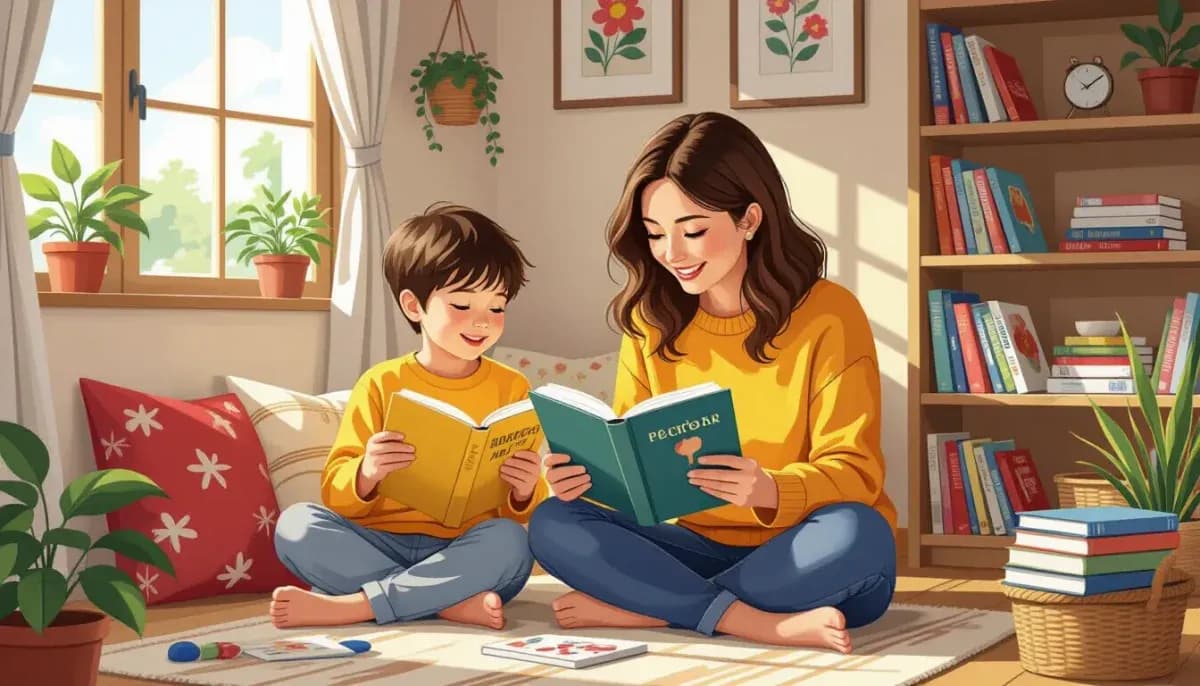
Practical bilingual parenting tips for raising children in Japan. Learn OPOL strategy, daily habits, English playgroups, Saturday schools, and how to maintain minority language skills through the Japanese school years.
Bilingual Parenting Tips for Raising Kids in Japan
Raising bilingual children in Japan is one of the most rewarding — and challenging — journeys a foreign parent can undertake. Whether you are an expat on a long-term visa, married to a Japanese partner, or planning to settle in Japan permanently, giving your child the gift of two languages opens doors academically, professionally, and culturally. But bilingualism in Japan does not happen automatically, even when one parent speaks English and the other speaks Japanese. It takes deliberate effort, consistent strategies, and a supportive community. This guide covers practical bilingual parenting tips tailored for foreigners raising children in Japan, from the baby years through elementary school and beyond.
Why Bilingual Parenting in Japan Takes Deliberate Effort
Many foreign parents assume that because their child lives in Japan and hears Japanese all day, while also hearing the minority language at home, bilingualism will develop naturally. Unfortunately, the reality is more complicated. Japanese is omnipresent — at daycare, kindergarten, elementary school, with neighbors, and among friends. Without active intervention, children tend to shift toward the dominant language (Japanese) and gradually reduce their use of the minority language.
Research confirms this challenge. Studies of Japanese-English bilingual children show that after entering the Japanese school system, children often experience a language shift where the home language weakens unless parents work to counteract it. According to MEXT (2024), Chinese-speaking bilingual students represent approximately 10% of children needing language support in Japan — the largest non-Japanese language group — underscoring how many families are navigating multilingual life here.
The critical window for balanced bilingual development is ages 0 through 6 or 7. Before elementary school begins, children's brains are most plastic and receptive to acquiring multiple languages simultaneously. After that, rebalancing two languages becomes progressively harder. This is why starting early and being consistent matters enormously.
For more context on raising children in Japan as a foreigner, see our Complete Guide to Raising Children in Japan.
The One Parent, One Language (OPOL) Strategy
The most widely recommended approach for bilingual families is One Parent, One Language (OPOL). Under this method, each parent consistently speaks only their own native language to the child — always. The Japanese-speaking parent speaks Japanese; the English-speaking parent speaks English. Mixing languages or switching based on convenience undermines the effectiveness.
Why OPOL works:
- It gives the child clear, consistent exposure to each language from a reliable source
- It avoids confusion about when each language is "appropriate"
- It maximizes the total hours of exposure to the minority language
- It creates emotional associations with each language tied to a specific person
OPOL challenges to expect:
- The child will likely respond in Japanese to the foreign parent, especially after starting school — this is normal
- Maintaining the minority language requires patience when the child resists
- Partners need to agree on the approach and support each other
Not every family can follow strict OPOL — single parents, parents with lower proficiency in the target language, or families where both parents share one language face different circumstances. In those cases, dedicated minority-language time (specific hours, settings, or activities conducted in the minority language) is a workable alternative.
Daily Habits That Build Bilingual Skills
Consistent daily routines are the backbone of bilingual development. Research and experienced bilingual parents in Japan recommend the following habits:
Read Aloud Every Day
Reading aloud to your child in their minority language for at least 15 minutes per day is widely cited as the single most impactful practice. Books expose children to vocabulary they do not encounter in everyday conversation, reinforce grammar structures, and build a love of the language. Build a substantial home library — aim for at least 50 books for toddlers and grow it from there. Series of 5 to 25 volumes work especially well as children become attached to characters and eagerly request the next installment.
Tips for effective read-alouds:
- Stagger bedtimes if you have multiple children and give each child individual reading time
- Let the child choose books to maintain motivation
- Act out stories with funny voices to make reading memorable
- Re-read favorites repeatedly — repetition builds retention
Create an English-Rich Home Environment
Beyond books, surround your child with the minority language:
- Labels: Post written labels around the house in English (refrigerator, window, door)
- Music: Play English-language songs and nursery rhymes in the background
- Games and toys: Choose games where English is the natural language of play
- Media: Use English-language cartoons, apps, and audiobooks as supplemental exposure — but mindfully, not as a replacement for interactive time
Language educator Adam Beck advises using technology "mindfully, as supplemental exposure to more interactive input," warning that excessive screen time risks crowding out the rich parent-child language exchanges that drive real acquisition.
English Playgroups and Saturday Schools
One of the most practical strategies for foreign parents in Japan is building a community of minority-language speakers. When children discover that other children speak English (or French, German, Spanish, etc.), the language stops feeling like just a "parent thing" and becomes social currency.
English playgroups — informal weekly meetups where parents bring young children to sing, dance, do crafts, and listen to stories in English — are available in most major Japanese cities and many smaller ones. They serve two purposes: language input for the child and emotional support for the parent. Search for groups through expat communities, Facebook groups, or international school networks.
Saturday schools take the concept further. Some communities have organized groups where parents pool resources to hire a professional teacher for weekend English literacy sessions. These are especially valuable for building reading and writing skills in English — skills that pure conversation cannot easily develop. Biliteracy (reading and writing in both languages) requires explicit instruction beyond just speaking.
Organizations like the Association for Language Awareness (ALA) and various church-based English programs in major cities also run structured bilingual support programs.
For broader support on daily life in Japan, check out our Complete Guide to Daily Life in Japan for Foreigners.
Maintaining the Minority Language Through School Years
The elementary school years are the biggest test for bilingual families. Japanese school is demanding — six days a week in the past, now five, with homework and club activities. Many children rebel against minority-language homework or weekend English study because their Japanese peers do not have to do the same. Managing this resistance is a long-term parenting challenge.
Strategies that work:
- Keep reading aloud even as children get older — chapter books maintain engagement and vocabulary growth
- Encourage correspondence with grandparents or relatives overseas in the minority language (letters, video calls, emails)
- Plan regular overseas visits for immersive exposure with native-speaking peers and family; even a few weeks in an English-speaking country can dramatically recharge a child's minority language motivation
- Enroll in weekend or online classes for reading and writing if the child's school does not provide it
- Celebrate bilingualism as a superpower rather than treating it as a burden — identity and pride matter
One experienced bilingual parent in Japan who raised three children through the Japanese school system noted that all three eventually became fully bilingual adults, though each child's trajectory was different. The eldest adapted to English after moving to the US at age 4; the youngest, born in Japan and initially Japanese-dominant, needed more deliberate support. The takeaway: flexibility within consistency is key.
For insights on learning Japanese as a foreign parent yourself, see our Complete Guide to Learning Japanese as a Foreigner.
Bilingual Parenting Resources and Schools in Japan
| Resource Type | What It Provides | Best For |
|---|---|---|
| Public School (Japanese) | Full Japanese immersion, free | Japanese language mastery |
| International Schools | English or other language instruction, expensive | Expats on short-term stays |
| English Playgroups | Minority language social interaction | Toddlers and preschoolers |
| Saturday Schools | Literacy instruction, community | School-age bilingual children |
| Online Tutors | Flexible reading/writing support | Busy families, remote areas |
| Overseas Homestays | Full immersion in minority language | Teens and older children |
| Video Calls with Family | Maintained family relationships and language | All ages |
Costs to Consider
International schools in Japan are costly — annual tuition typically ranges from ¥1,000,000 to ¥3,000,000 or more per year depending on the school and grade level. For most families with multiple children, this is not sustainable. English playgroups are usually free or low-cost, Saturday schools vary widely, and online tutoring offers a middle ground.
For help planning the financial side of raising children in Japan, see our Complete Guide to Raising Children in Japan.
Cognitive and Long-Term Benefits of Bilingualism
Research consistently shows cognitive advantages for bilingual children. Studies involving Japanese-English bilingual children in England found that they significantly outperformed Japanese monolinguals on tasks measuring conversational understanding and perspective-taking — skills tied to reading social situations accurately.
Beyond cognition, bilingual children raised in Japan develop:
- Cultural fluency: The ability to navigate both Japanese and their home culture authentically
- Career advantages: Bilingual professionals are in high demand in Japan's international business environment
- Personal identity: Children who maintain their minority language often report a stronger connection to their heritage and family history
- Academic flexibility: Students with strong English skills have access to international university programs and scholarships
The benefits compound over time. An investment in bilingual parenting during the early years pays dividends across a lifetime.
Practical Resources for Bilingual Families in Japan
Several excellent resources can support your bilingual parenting journey:
- Japan Today's bilingual parenting series: Practical tips from real families in Japan — see 16 Tips for Raising a Bilingual Child in Japan
- Savvy Tokyo's bilingual parenting columns: Personal stories and strategies from experienced parents — Raising Bilingual Children in Japan
- Living in Nihon's raising children guide: Comprehensive information on education and child-rearing in Japan for foreigners — Complete Guide to Raising Children in Japan
- For Work in Japan's family life guide: Practical guide for foreigners managing family life in Japan — Family Life in Japan for Foreigners
- Ittenshoku's Japan resources: Career and life resources for those making Japan their home — Ittenshoku
- Adam Beck's Bilingual Monkeys blog: One of the most comprehensive English-language resources on bilingual parenting strategies
Also explore our Complete Guide to Japanese Culture and Etiquette to help your child develop cultural fluency alongside language skills.
Final Thoughts: Consistency Is Everything
Raising a bilingual child in Japan is a marathon, not a sprint. There will be weeks when your child refuses to speak English, months when progress seems invisible, and moments of doubt about whether all the effort is worth it. It is worth it.
The families who succeed share one characteristic: consistency. They read every night. They show up to playgroup every week. They maintain the habits even when life is busy. They celebrate every small milestone. And years later, they watch their children move effortlessly between two languages and two cultures — a capability that only a small percentage of the world's population ever achieves.
Start early, stay consistent, build community, and trust the process. Your child's bilingual future is being built one story, one conversation, and one shared meal at a time.
For more on building a full life in Japan as a foreigner, explore our Complete Guide to Daily Life in Japan for Foreigners and Complete Guide to Making Friends and Social Life in Japan.

Originally from Vietnam, living in Japan for 16+ years. Graduated from Nagoya University, with 11 years of professional experience at Japanese and international companies. Sharing information about living in Japan for foreigners.
View Profile →Related Articles

Summer Activities and Programs for Kids in Japan
Complete guide to summer activities and programs for kids in Japan. Discover English camps, traditional festivals, water sports, theme parks, and indoor activities for expat families.
Read more →
Special Needs Education in Japan for Foreign Families
A complete guide to special needs education in Japan for foreign families. Learn about school types, support levels, enrollment process, international school options, and key resources for expat parents.
Read more →
Is Homeschooling Legal in Japan Guide for Foreigners
Is homeschooling legal in Japan for foreigners? Learn about the legal gray area, steps to homeschool your child, curriculum options, and support organizations for expat families in Japan.
Read more →
Japanese Education System Explained for Foreign Parents
A complete guide to Japan's education system for foreign parents. Learn about school types, enrollment steps, costs, language support, and tips for raising bilingual children in Japan.
Read more →
Dealing with Bullying Ijime in Japanese Schools
Learn how to recognize, report, and respond to ijime (bullying) in Japanese schools. A practical guide for foreign and expat parents in Japan, with key statistics and action steps.
Read more →
After School Activities and Juku in Japan for Kids
Complete guide to after-school activities (naraigoto) and juku cram schools in Japan for expat families. Learn about costs, enrollment, popular activities, and tips for foreign children.
Read more →