
Pre-Move Checklist Before Moving to Japan

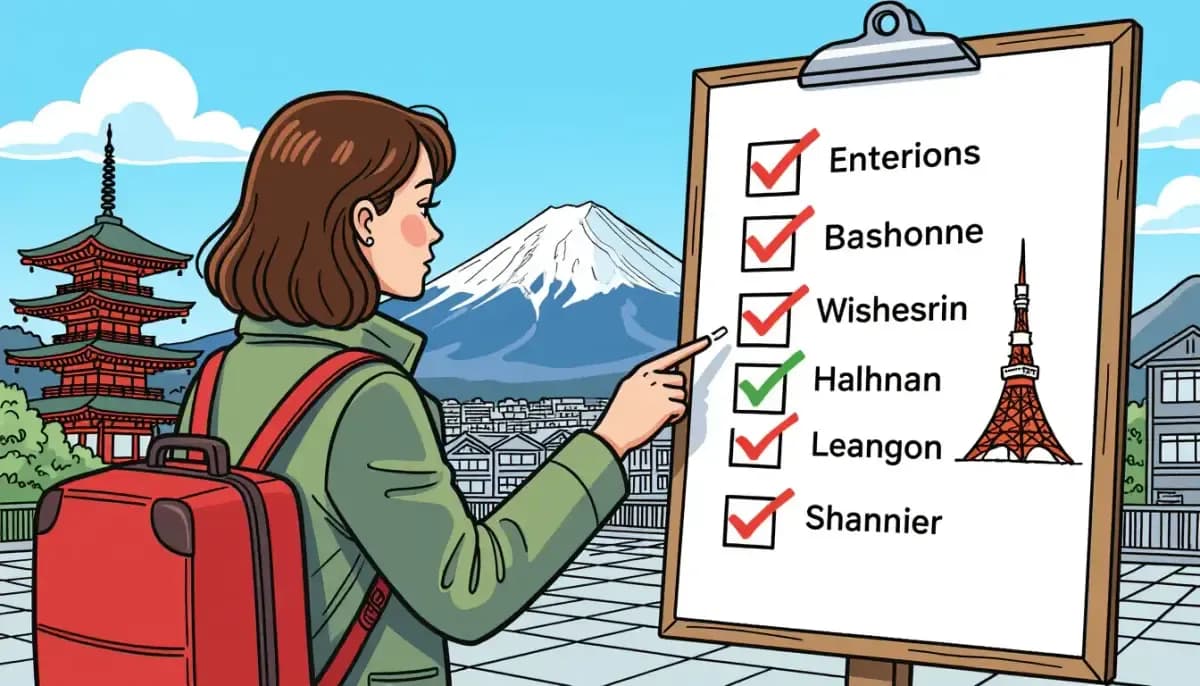
Complete pre-move checklist for moving to Japan as a foreigner. Covers visa documents, financial preparation, housing, healthcare, packing, and cultural tips to ensure a smooth relocation.
Pre-Move Checklist Before Moving to Japan
Moving to Japan is an exciting life decision, but without proper preparation, the process can quickly become overwhelming. With over 3.95 million foreign residents currently living in Japan, the country has become a popular destination for expats worldwide. Whether you are relocating for work, study, or personal reasons, having a thorough pre-move checklist ensures you arrive ready to start your new life smoothly. This guide covers everything you need to organize before your departure.
Visa and Immigration Documents
The most critical step before moving to Japan is securing the right visa. Japan offers several visa categories depending on your purpose of stay. Your employer or educational institution will typically sponsor your visa application, so make sure this process starts well in advance.
Documents you need to prepare:
- Valid passport (must remain valid for the duration of your intended stay)
- Passport-sized photos (45mm x 45mm, taken within the last six months)
- Completed visa application form
- Certificate of Eligibility (COE) issued by Japanese immigration
- Proof of financial capability or employment contract
- Educational certificates and transcripts if applicable
Keep digital copies of all documents stored in cloud storage as backup. You should also have printed copies ready in your carry-on luggage for immigration inspection upon arrival. For a detailed breakdown of visa types including work visas, student visas, and the Highly Skilled Professional Visa, check our complete guide to Japan visa and immigration.
For more information about visa categories and residency status requirements, read the comprehensive visa guide on Living in Nihon.
Financial Preparation and Budget Planning
Moving to Japan requires significant financial preparation. The average cost of relocating from the US ranges from $3,000 to $11,800 depending on the volume of belongings you ship and your departure location. Beyond shipping costs, you need savings to cover initial living expenses.
You should have at least ¥500,000 (approximately $3,200) in savings to cover upfront costs after arrival. Housing alone requires 4 to 6 months of rent paid upfront, including key money, security deposit, real estate agency fees, and guarantor company fees.
| Expense Category | Estimated Cost | Notes |
|---|---|---|
| Visa application fees | $20–$60 | Varies by visa type |
| Flight tickets | $500–$1,500 | Depends on origin country |
| Shipping (sea freight) | $1,500–$5,000 | Takes 4–8 weeks |
| Shipping (air freight) | $3,000–$10,000 | Takes 1–2 weeks |
| Initial housing costs | ¥300,000–¥600,000 | Key money + deposit + fees |
| First month's rent | ¥50,000–¥150,000 | Varies by city and size |
| Furniture and appliances | ¥50,000–¥200,000 | If apartment is unfurnished |
| Emergency cash reserve | ¥100,000+ | For unexpected expenses |
Consider opening an international bank account or getting a travel card with low foreign transaction fees before departure. Many small shops and rural areas in Japan still rely on cash, so plan to carry some yen when you arrive. Learn more about managing your finances in Japan in our banking and finance guide for foreigners.
Housing Research and Arrangements
Securing housing before you arrive is ideal but not always possible. If your employer does not arrange accommodation, start researching rental options early. Not all landlords in Japan are willing to rent to foreigners, so working with a foreigner-friendly real estate agency can save time and frustration.
Key things to know about Japanese rentals:
- Key money (reikin): A non-refundable gift to the landlord, typically 1–2 months' rent
- Security deposit (shikikin): Usually 1–2 months' rent, partially refundable
- Agency fee: Typically one month's rent
- Guarantor requirement: Most rentals require a guarantor; foreigner-friendly guarantor companies are available
- Apartment sizes: Expect significantly smaller living spaces than Western standards
If you cannot secure long-term housing before arrival, consider booking a furnished monthly apartment, share house, or temporary accommodation like an Airbnb for your first few weeks. This gives you time to apartment-hunt in person after arriving. For detailed guidance on finding apartments, see our complete guide to finding housing in Japan.
For practical housing tips and living infrastructure information, visit the housing and living guide at For Work in Japan.
Healthcare and Insurance Preparation
Japan has a mandatory health insurance system for all residents staying longer than three months. National Health Insurance (NHI) covers approximately 70% of medical costs, making healthcare affordable compared to many Western countries.
Before you leave your home country:
- Get a comprehensive health checkup including dental and eye exams
- Request copies of your medical records and prescriptions
- Check whether your current medications are available in Japan (some medications like certain ADHD drugs and strong painkillers are restricted or banned)
- Stock up on any prescription medications for at least 3 months
- Consider purchasing travel health insurance to cover the gap between arrival and NHI enrollment
- Get any recommended vaccinations updated
You must enroll in National Health Insurance within 14 days of registering at your local city office. If you work for a company, your employer will typically enroll you in their health insurance plan instead. Read our healthcare guide for foreigners in Japan for the full details on navigating the medical system.
Packing and Shipping Strategy
Deciding what to bring and what to leave behind is one of the most practical challenges of an international move. Sea freight is the most affordable option for shipping household goods, taking 4 to 8 weeks. Air freight arrives in 1 to 2 weeks but costs significantly more.
What to bring:
- Important documents (originals and copies)
- Medications and prescriptions (with English documentation)
- Clothing suitable for all four seasons (Japan has hot, humid summers and cold winters)
- Electronics with appropriate voltage adapters (Japan uses 100V, Type A plugs)
- Personal comfort items that may be hard to find in Japan (specific sizes of shoes and clothing for larger body types)
What to leave behind:
- Large furniture (Japanese apartments are small and often come with built-in features)
- Excessive kitchen appliances (different voltage and available cheaply in Japan)
- Prohibited items like certain foods, firearms, or flammable materials
What to buy in Japan:
- Futon or mattress (sized for Japanese rooms)
- Rice cooker and kitchen essentials
- Bicycle (a common transport method)
- Household goods from 100-yen shops (similar to dollar stores)
For tips on managing your expenses while setting up in Japan, check our cost of living guide.
Essential Pre-Departure Tasks
In the weeks before your departure, work through these critical administrative and practical tasks to avoid problems after arrival.
Administrative tasks:
- Notify your bank and credit card companies about your international move
- Set up mail forwarding or a trusted contact to manage mail
- Cancel or transfer utility accounts, subscriptions, and memberships
- Obtain an International Driving Permit if you plan to drive in Japan
- Download essential apps: Google Maps, Google Translate, Japan Transit Planner
- Get a Japanese phone number or eSIM card arranged before departure
At the city or ward office within 14 days of arrival, you must:
- Submit your residence registration (juminhyo)
- Apply for National Health Insurance
- Receive your My Number card (individual identification number)
Language preparation:
Only about 28% of Japan's population speaks English as a second language, and fewer than 10% speak it fluently. Learning basic Japanese phrases before arrival will significantly improve your daily life. Focus on greetings, numbers, directions, and essential phrases for shopping and transportation. Explore our guide to learning Japanese as a foreigner for study resources and strategies.
For career-related transition guidance and IT industry insights, check out the resources at Ittenshoku.
Cultural Preparation and Daily Life Basics
Understanding Japanese cultural norms before arrival helps you integrate smoothly and avoid common misunderstandings. Japan has specific unwritten rules about daily life that differ significantly from most Western countries.
Garbage disposal: Japan has strict garbage separation rules that vary by city. You will need to sort waste into categories including burnable, non-burnable, plastics, glass, and oversized items. Your local city office provides a detailed schedule of collection days for each category.
Transportation: Japan's train system is one of the most efficient in the world, but rush hour trains can be extremely crowded. Get a Suica or PASMO IC card for convenient payment on trains, buses, and even convenience stores. See our full transportation guide for Japan.
Cash culture: While digital payments are growing rapidly, many establishments still prefer cash. Keep at least ¥10,000 on hand for emergencies and small purchases. Convenience store ATMs (7-Eleven, FamilyMart) accept most international cards.
Social etiquette: Remove shoes when entering homes and some restaurants. Bow when greeting people. Avoid talking on the phone on trains. Keep noise levels low in residential areas, especially at night. Our Japanese culture and etiquette guide covers these customs in depth.
Final Week Countdown Checklist
Use this checklist during your last week before departure to make sure nothing falls through the cracks:
- Confirm flight details and airport transportation
- Verify visa and all required documents are packed in carry-on
- Exchange some money to Japanese yen (at least ¥50,000 for immediate needs)
- Download offline maps and translation apps
- Pack a day bag with essentials for the first 24–48 hours in case luggage is delayed
- Inform your embassy or consulate about your move
- Save emergency contacts: nearest embassy, local police (110), ambulance (119)
- Print your accommodation address in Japanese for the taxi driver
- Confirm shipping tracking numbers and estimated delivery dates
- Take photos of your packed boxes for insurance purposes
Moving to Japan is a journey that rewards thorough preparation. With this checklist complete, you can board your flight with confidence knowing you have covered every essential base. For a broader overview of everything that awaits you, visit our complete guide to moving to Japan as a foreigner and start planning your new chapter in Japan.
For additional expat insights and relocation tips, see the comprehensive moving to Japan guide on Remitly and the relocation checklist on Expatica.

Originally from Vietnam, living in Japan for 16+ years. Graduated from Nagoya University, with 11 years of professional experience at Japanese and international companies. Sharing information about living in Japan for foreigners.
View Profile →Related Articles
Buying vs Shipping Furniture When Moving to Japan
Should you ship furniture to Japan or buy new? Compare costs, timelines, and options including Nitori, IKEA, recycle shops, and rental services for foreigners moving to Japan.
Read more →
Registering at City Hall After Moving to Japan
Step-by-step guide to registering your address at city hall in Japan as a foreigner. Learn the 14-day deadline, required documents, My Number process, and tips for a smooth registration.
Read more →
How to Find a Guarantor in Japan as a Foreigner
Complete guide to finding a guarantor (hoshonin) in Japan as a foreigner. Compare guarantor companies like GTN, learn costs, required documents, and alternatives like UR housing and shared houses.
Read more →
Japan Move-In Costs Explained for Foreigners
Understand every move-in cost when renting an apartment in Japan. Breakdown of security deposit, key money, agent fees, and proven strategies to save money as a foreigner.
Read more →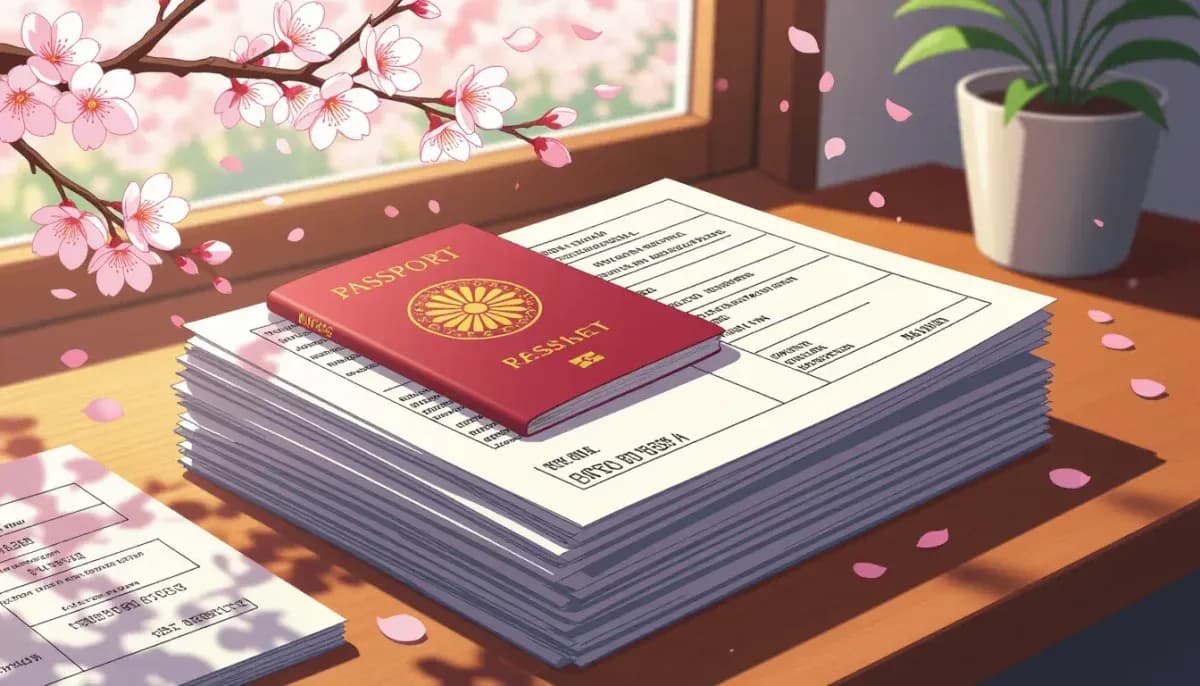
Essential Documents You Need Before Moving to Japan
Complete checklist of essential documents you need before moving to Japan including visa paperwork, COE, financial documents, medical records, and post-arrival registration requirements.
Read more →
Best Cities in Japan for Foreign Residents
Compare the best cities in Japan for foreign residents including Tokyo, Osaka, Fukuoka, Yokohama, Kyoto, and Sapporo. Cost of living, jobs, and lifestyle comparison for expats.
Read more →