
What to Pack When Moving to Japan

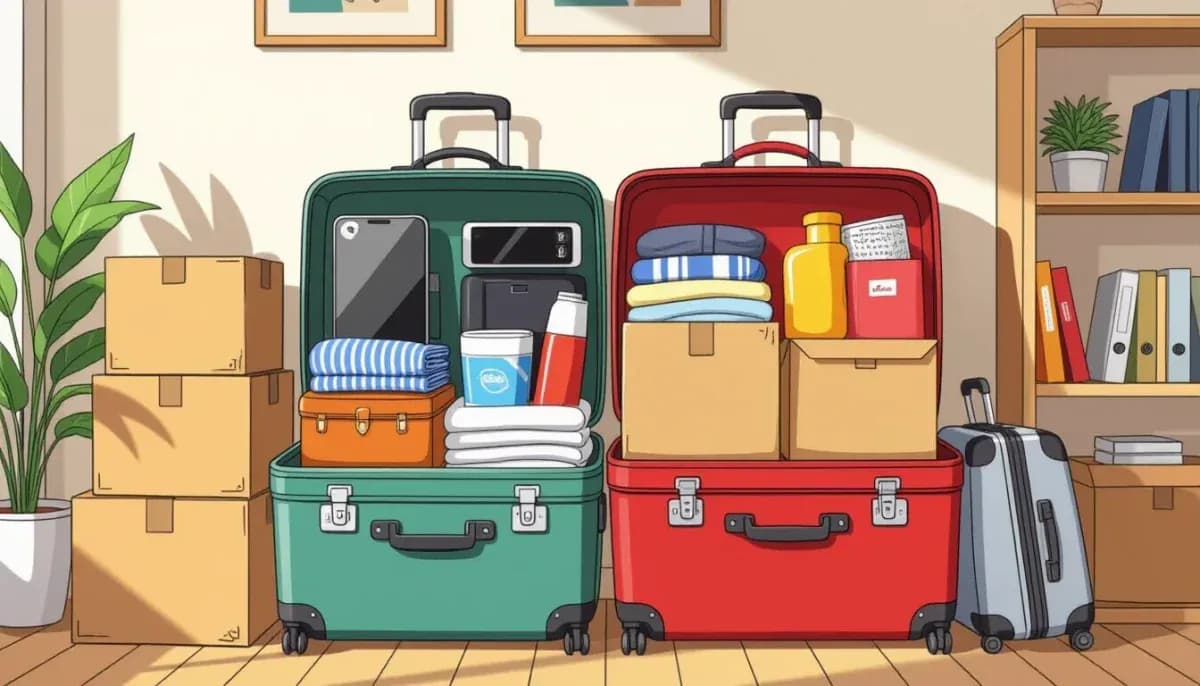
The ultimate packing checklist for foreigners moving to Japan. Covers essential documents, personal care items unavailable in Japan, clothing tips, electronics, food from home, and what to leave behind.
What to Pack When Moving to Japan: The Ultimate Checklist for Foreigners
Moving to Japan is one of the most exciting decisions you will ever make, but packing for a permanent move across the world requires careful planning. Unlike a short vacation, relocating means thinking about what you genuinely cannot find in Japan, what will cost you significantly more, and what you will regret leaving behind. This comprehensive guide covers everything foreigners need to know about packing smart for their new life in Japan.
Whether you are coming for work, study, or to start a new chapter with your family, this packing checklist will help you avoid common mistakes and arrive prepared. For a broader overview of the relocation process, check out our complete guide to moving to Japan.
Essential Documents and Paperwork
Your documents are the most critical items to pack, and forgetting even one can cause serious delays at immigration. Japan requires foreigners to carry identification at all times, so keeping your documents organized and accessible is non-negotiable.
Here is what you absolutely need:
- Passport with at least six months of validity and one blank page
- Visa documentation and Certificate of Eligibility (COE)
- Birth certificate (original and translated copy)
- Marriage certificate if applicable
- University diplomas and transcripts (originals with apostille)
- Medical records and prescription documentation
- International Driver's Permit (valid for up to 12 months in Japan)
- Employment contract or letter of acceptance from your school
Make photocopies and digital scans of everything. Store digital copies in cloud storage so you can access them from anywhere. For detailed visa requirements, refer to our Japan visa and immigration guide.
Clothing and Footwear
Japan has four distinct seasons with dramatic temperature changes, so your clothing strategy matters. However, the single most important clothing fact for foreigners is this: Japanese sizes run significantly smaller than Western sizes. A Japanese medium is closer to a Western small, and finding anything above a Japanese XL in regular stores is difficult.
What to bring:
- Layerable clothing for all four seasons (lightweight for humid summers, warm layers for cold winters)
- Slip-on shoes — you will remove your shoes dozens of times daily when entering homes, temples, some restaurants, and fitting rooms
- Hole-free socks — everyone will see your socks when you take off your shoes, so stock up
- Professional attire if working in an office — suits tailored to Western body frames are hard to find
- Shoes in your size if you wear anything above US men's 10 or women's 8
What NOT to bring:
- Excessive dressy or formal party clothes — Japan is surprisingly casual in daily life
- Bulky winter coats if moving to Tokyo or further south — you can buy affordable layers at Uniqlo
- Clothes you have not worn in the past year
For more about daily life in Japan, including dress codes and cultural expectations, check our dedicated guide.
Personal Care and Hygiene Products
This is where many foreigners get caught off guard. Several everyday personal care items that you take for granted back home are either unavailable, significantly different, or much more expensive in Japan.
| Item | Availability in Japan | Recommendation |
|---|---|---|
| Anti-perspirant deodorant | Nearly unavailable (only weak spray types) | Bring a full year's supply |
| Fluoride toothpaste | Limited options | Pack several tubes |
| Western-style tampons | Limited and less absorbent | Bring preferred brands |
| Anti-dandruff shampoo | Rare; Japanese formulas differ | Bring from home |
| Sunscreen (high SPF) | Excellent selection | Buy in Japan |
| Foundation for non-Asian skin tones | Very limited shade range | Bring your own |
| Contact lens solution | Available but expensive | Bring initial supply |
| Prescription medications | Requires documentation | Bring 3-month supply with prescriptions |
Antacids like TUMS, Pepcid Complete, and Pepto-Bismol are not available over the counter in Japan. If you rely on these, pack generously. Japanese hair dyes also contain bleach formulated for thick, dark Asian hair, which can severely damage lighter or finer hair types.
For information about navigating the Japanese healthcare system and finding English-speaking doctors, see our healthcare guide for foreigners.
Medications and Health Supplies
Japan has strict regulations on importing medications. Some common Western medicines contain ingredients that are controlled substances in Japan, including certain ADHD medications and strong painkillers containing codeine.
Before you move:
- Get a letter from your doctor listing all medications, dosages, and the medical necessity
- Check Japan's Ministry of Health guidelines for restricted substances
- Bring prescriptions in their original packaging with pharmacy labels
- Pack a 3-month supply — you can arrange refills through a Japanese doctor afterward
Essential health items to pack:
- Over-the-counter pain relievers (ibuprofen, acetaminophen)
- Antihistamines for allergies
- Cold and flu medicine
- First aid kit
- Any vitamins or supplements you take regularly
Electronics and Technology
Japan runs on 100V power with Type A two-flat-prong outlets. This is lower voltage than most other countries (the US uses 120V, Europe uses 220-240V), and three-prong plugs will not fit without an adapter.
Must-pack electronics:
- Laptop with your native keyboard layout — Japanese keyboards have a different layout with additional keys for typing Japanese characters
- Universal power adapter for any three-prong devices
- Unlocked smartphone — make sure your phone is unlocked so you can use a Japanese SIM card or eSIM
- Portable charger — essential for long commutes on Japanese trains
- E-reader — English books in physical form are expensive and hard to find outside major cities
Most modern electronics (laptops, phone chargers) handle 100-240V automatically, so check your device labels before buying voltage converters. For tips on setting up your phone and internet in Japan, visit our guide to daily life in Japan.
Food Items From Home
Japanese cuisine is incredible, but there are certain comfort foods and ingredients from home that are either impossible to find or absurdly expensive in Japan. The general rule: if it is a staple in your home country but not common in Japanese cooking, bring it.
Popular items expats wish they had packed:
- Peanut butter — virtually unavailable outside Costco and a few import shops
- Quality cheese — Japanese cheese options are limited and taste noticeably different from Western varieties
- Your favorite tea or coffee — Japanese tea is excellent but different from Western-style tea bags; decaf options are extremely rare
- Spices and seasonings from your home cuisine — cumin, paprika, and other non-Japanese spices are pricey at import stores
- Baking supplies — vanilla extract, baking soda, and chocolate chips are hard to find
- Snacks and candy from home — for those inevitable moments of homesickness
You can find some imported goods at stores like Kaldi, Jupiter, and Costco, but prices are typically two to three times what you would pay at home. For more about shopping in Japan and where to find international products, see our dedicated guide.
Financial Preparation
Japan is still a heavily cash-based society despite recent modernization efforts. Many restaurants, small shops, and local businesses do not accept credit cards. Preparing your finances before arrival will save you significant stress.
Financial packing list:
- Visa and MasterCard — most widely accepted cards in Japan (American Express has limited acceptance)
- Cash in Japanese yen — bring enough for your first two weeks (around 50,000-100,000 yen)
- Copies of bank statements — sometimes needed for apartment applications
- Notification to your home bank about your move to prevent fraud blocks
For a thorough breakdown of setting up bank accounts and managing money in Japan, read our banking and finance guide. Understanding the cost of living in Japan will also help you budget for your first few months.
Household Items Worth Shipping
Japanese apartments are notoriously small, and most come unfurnished. While you can buy household items in Japan, certain things are worth bringing if you have the luggage space or are shipping a container.
Worth packing:
- Bath towels — Japanese towels tend to be thin and small by Western standards
- Bed linens in your preferred size — Japanese bed sizes differ from Western standards
- Photos, decorations, and sentimental items — these cannot be replaced and help make a small apartment feel like home
- Holiday decorations — Christmas ornaments and other cultural holiday items are limited in Japan
- English-language books — physical English books are expensive in Japan
- Greeting cards — Western-style cards for birthdays and holidays are rare
Do not bring large furniture — it likely will not fit in a Japanese apartment, and disposal fees are expensive. For more about finding and setting up your apartment, explore our guide to finding housing in Japan. You can also find helpful advice at Living in Nihon's housing guide and For Work in Japan's living infrastructure guide.
What NOT to Bring
Knowing what to leave behind is just as important as knowing what to pack. Japan excels at many things, and there is no point in wasting luggage space on items you can easily and affordably buy locally.
Skip these items:
- Umbrellas — available everywhere for as little as 500 yen at convenience stores
- Stationery and office supplies — Japan produces the world's best pens, notebooks, and stationery
- Skincare products — Japanese skincare is world-renowned and affordable
- Kitchen gadgets — 100-yen shops have excellent kitchen tools
- Towels for daily use — small face towels are everywhere and Japanese people carry them daily
- Excessive luggage — Japanese trains and apartments are not designed for lots of bags
- Drugs or supplements with restricted ingredients — check Japan's import regulations carefully
For career-related planning, including tips on workplace expectations and professional development, check out resources at Ittenshoku for IT career guidance in Japan.
Packing Strategy and Shipping Options
When deciding what to bring versus what to ship, consider these practical tips:
Carry-on and checked luggage (essentials for your first week):
- Documents, medications, one week of clothing, electronics, toiletries
- Cash and financial items
- Phone charger and adapter
Shipped box (items needed within 2-4 weeks):
- Remaining clothing for all seasons
- Personal care stockpile (deodorant, shampoo, etc.)
- Food items from home
- Books and sentimental items
Surface mail (items that can wait 1-2 months):
- Household linens and towels
- Holiday decorations
- Non-urgent comfort items
International shipping services like Japan Post's surface mail are surprisingly affordable for heavy items, though delivery takes six to eight weeks. EMS and courier services like DHL or FedEx are faster but significantly more expensive.
For more practical advice on settling into your new home and navigating the transportation system in Japan, explore our other guides. Understanding Japanese culture and etiquette will also help you feel more confident from day one.
Final Checklist Before You Leave
Before you zip up that suitcase, run through this quick final check:
- All documents photocopied and digitally backed up
- Prescriptions in original packaging with doctor's letters
- Home bank notified of international move
- Phone unlocked and ready for Japanese SIM
- Emergency cash in yen
- First accommodation address written in both English and Japanese
- Travel insurance active until your Japanese health insurance kicks in
- Important contact numbers saved offline on your phone
Moving to Japan is a life-changing adventure, and being well-prepared will let you enjoy it from the moment you land. The items you cannot find in Japan are a small inconvenience compared to everything this incredible country has to offer. Pack smart, travel light where you can, and remember that anything you forget can usually be ordered online through Amazon Japan or found at your nearest Don Quijote.
For more tips on building your social life in Japan and navigating everything from banking to healthcare, explore our complete library of guides for foreigners living in Japan.

Originally from Vietnam, living in Japan for 16+ years. Graduated from Nagoya University, with 11 years of professional experience at Japanese and international companies. Sharing information about living in Japan for foreigners.
View Profile →Related Articles
Buying vs Shipping Furniture When Moving to Japan
Should you ship furniture to Japan or buy new? Compare costs, timelines, and options including Nitori, IKEA, recycle shops, and rental services for foreigners moving to Japan.
Read more →
Registering at City Hall After Moving to Japan
Step-by-step guide to registering your address at city hall in Japan as a foreigner. Learn the 14-day deadline, required documents, My Number process, and tips for a smooth registration.
Read more →
How to Find a Guarantor in Japan as a Foreigner
Complete guide to finding a guarantor (hoshonin) in Japan as a foreigner. Compare guarantor companies like GTN, learn costs, required documents, and alternatives like UR housing and shared houses.
Read more →
Japan Move-In Costs Explained for Foreigners
Understand every move-in cost when renting an apartment in Japan. Breakdown of security deposit, key money, agent fees, and proven strategies to save money as a foreigner.
Read more →
Essential Documents You Need Before Moving to Japan
Complete checklist of essential documents you need before moving to Japan including visa paperwork, COE, financial documents, medical records, and post-arrival registration requirements.
Read more →
Best Cities in Japan for Foreign Residents
Compare the best cities in Japan for foreign residents including Tokyo, Osaka, Fukuoka, Yokohama, Kyoto, and Sapporo. Cost of living, jobs, and lifestyle comparison for expats.
Read more →