The Complete Guide to Permanent Residency and Citizenship in Japan
For many foreigners living in Japan, obtaining permanent residency (PR) or Japanese citizenship is the ultimate goal — a way to truly settle down, remove the stress of visa renewals, and build a long-term life in one of the world's most unique countries. But navigating Japan's immigration system can be complex, and the rules are evolving rapidly.
As of 2025-2026, Japan has introduced new language requirements for PR applicants and is considering extending the naturalization residency requirement from 5 to 10 years. Whether you're just starting your Japan journey or you're years into it and planning your next step, this guide covers everything you need to know about permanent residency and citizenship in Japan.
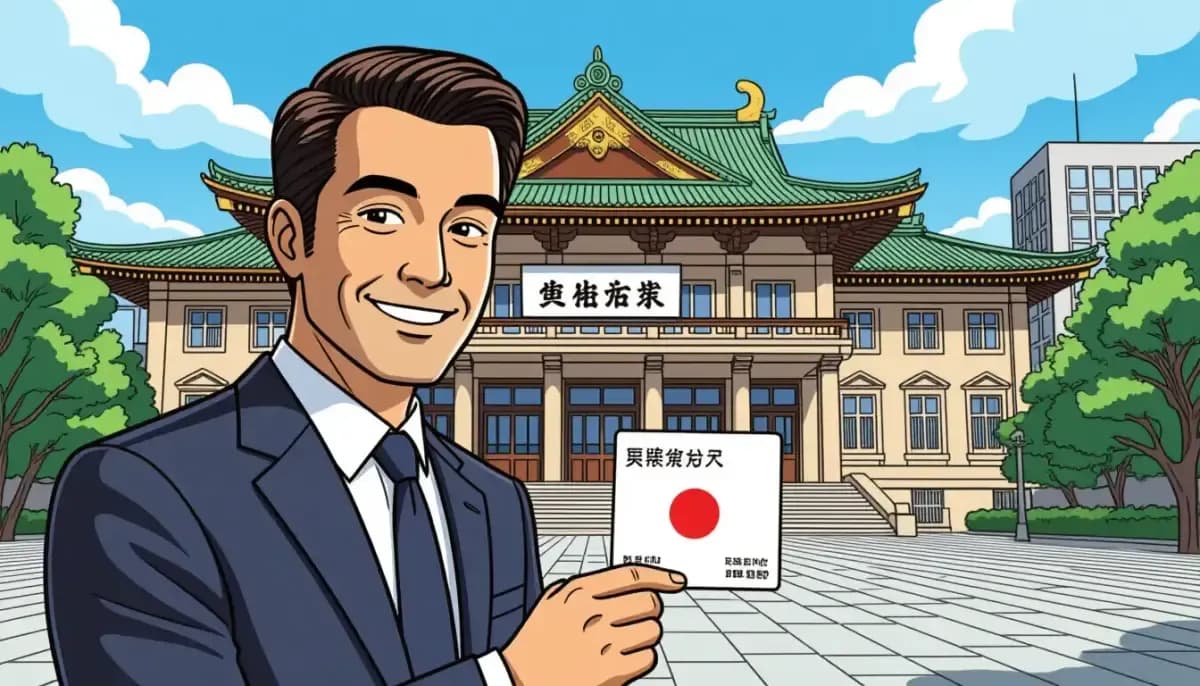
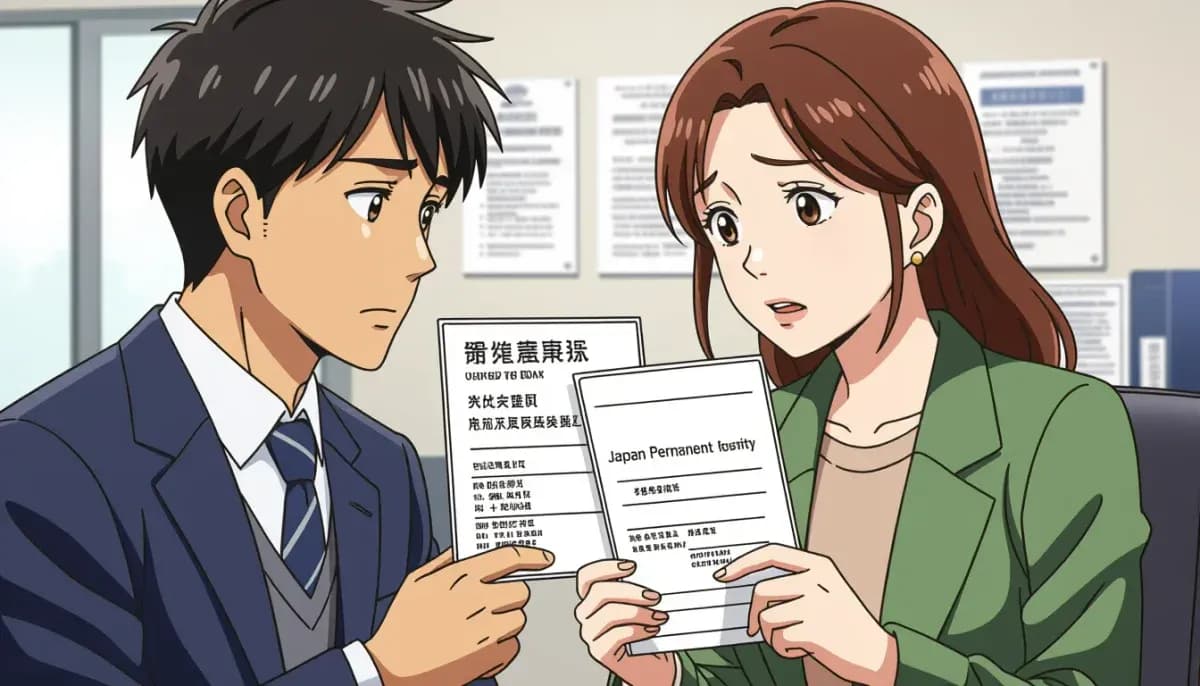
!Foreigner holding Japanese permanent residency card at government office
What Is Permanent Residency in Japan?
Permanent residency (永住権, eijuuken) is a special residence status that allows a foreign national to live and work in Japan indefinitely — without the restrictions of a typical work or activity visa. It is not the same as Japanese citizenship.
Key features of permanent residency:
- No restrictions on where you can work or what activities you can do
- No visa renewal required (though your residence card must be renewed every 7 years)
- You remain a citizen of your home country
- No voting rights in Japanese elections
- You must maintain valid re-entry permits if leaving Japan for extended periods
Permanent residents make up a significant portion of Japan's foreign population. As of June 2025, there were 932,090 permanent residents — representing 23.6% of Japan's 3.96 million foreign residents, a record high.
For more details on the different visa and residence statuses in Japan, see our guide: The Complete Guide to Japan Visa and Immigration.
Requirements for Japan Permanent Residency
Getting permanent residency in Japan requires meeting strict criteria across several categories. Here's what you need:
1. Residency Duration
The standard requirement is 10 continuous years of legal residence in Japan, including at least 5 years on a work-type visa. However, there are fast-track options:
| Route | Years Required |
|---|
| Standard (general visa) | 10 years (5+ on work visa) |
| Spouse of Japanese citizen | 3 years married + 1 year in Japan |
| Highly Skilled Professional (70+ points) | 3 years |
| Highly Skilled Professional (80+ points) | 1 year |
| Special Permanent Resident | Separate category |
2. Good Conduct
You must have no criminal record, no serious traffic violations, and a history of good behavior. Even minor issues can lead to rejection.
3. Financial Stability
Applicants must demonstrate stable income and assets. The general guideline is an annual income of ¥3 million or more, though the actual threshold varies depending on family size and situation. You must not have relied on public assistance.
4. Tax and Social Insurance Compliance
You must have paid all income taxes, residence taxes, and contributions to the national pension and health insurance systems — on time. Late payments are a common reason for rejection.
5. Valid Current Status
You must currently hold the longest period of stay (3 years in most cases) for your visa type.
6. Japanese Language Proficiency (New Requirement)
As of 2025-2026, Japan now requires proof of Japanese language ability for PR applicants. This is a significant change from previous practice, where language ability was not formally tested. The exact level and format are still being finalized but applicants should aim for at least JLPT N4 or equivalent.
7. Guarantor
You need at least one guarantor who is a Japanese national or permanent resident. This person signs a Letter of Guarantee. While they bear no financial liability, having a trusted guarantor shows your integration into Japanese society.
For a detailed breakdown of the application process and documents needed, read our guide: Japan Permanent Residency Application Complete Guide.
The Highly Skilled Professional (HSP) Fast-Track
One of the most powerful routes to permanent residency is the Highly Skilled Professional (高度人材) Points System. This system assigns points based on academic background, professional experience, salary, age, and other factors. If you accumulate enough points, you can qualify for PR in as little as 1 year.
How the points system works:
| Points | PR Eligibility |
|---|
| 80+ points | After 1 year of residence |
| 70–79 points | After 3 years of residence |
| Below 70 points | Standard 10-year route |
Even if you're not on the official Highly Skilled Professional visa, you can still qualify — you just need to demonstrate you would have scored the required points at the relevant time.
Learn more about this route in our dedicated guide: Highly Skilled Professional PR Fast Track in Japan.
For a deeper dive into how the points calculation works, see: Japan PR Points System Explained in Detail.
What Documents Do You Need?
The permanent residency application requires extensive documentation. Generally, you'll need:
- Application form (Application for Permission of Permanent Residence)
- Reason for application (written statement)
- Passport and residence card copies
- Certificate of residence (住民票)
- Tax payment certificates (past 3–5 years)
- Social insurance payment records
- Proof of income (salary slips, tax returns)
- Employment certificate
- Guarantor's documents and Letter of Guarantee
- Photos
The exact documents vary depending on your visa type and personal circumstances. For a complete checklist, see: Documents Required for Japan PR Application.
How Long Does the PR Application Take?
Processing times for permanent residency applications in Japan are notoriously slow. The typical range is 4 to 8 months, though it can sometimes extend beyond that. Some applicants wait over a year.
Tips to avoid delays:
- Submit a complete application with all required documents
- Respond promptly to any requests for additional information
- Apply with sufficient time remaining on your current visa
The current application fee is ¥8,000, though the Japanese government has announced plans to significantly increase this fee (potentially to around ¥100,000) by FY2027.
For more tips on speeding up your application and what to expect, read: Japan PR Processing Time and Application Tips.
Benefits of Having Permanent Residency
Why go through all this effort? Here's what you gain:
- No work restrictions: Work in any job, industry, or start your own business freely
- No visa renewals: Only renew your residence card every 7 years
- Easier banking and financial services: PR holders often get better terms on loans, mortgages, and credit cards
- Stability for family: Spouses and children may also be eligible for PR
- Reduced discrimination: Many landlords and employers prefer or require PR status
- Access to national pension system benefits on the same terms as Japanese nationals
For a full breakdown, see: Benefits of Getting Permanent Residency in Japan.
!Benefits of Japan permanent residency for expats
Common Reasons for PR Application Rejection
Many applications are rejected each year. The most frequent reasons include:
- Insufficient residency duration — not meeting the 10-year or fast-track requirements
- Low income — annual income below ¥3 million or recent income drops
- Unpaid taxes or pension contributions — even a single missed payment can cause rejection
- Criminal record or traffic violations — DUIs and reckless driving are serious red flags
- Extended absences from Japan — spending too much time abroad can break residency continuity
- Inadequate guarantor — guarantor with poor financial or legal standing
- False statements — any inconsistency in your application is grounds for rejection
For a comprehensive guide on avoiding these pitfalls, read: Common Japan PR Rejection Reasons and How to Avoid Them.
Japanese Citizenship (Naturalization)
While permanent residency lets you stay in Japan indefinitely, naturalization (帰化, *kika*) makes you a Japanese citizen. This is a fundamentally different legal status.
Key Differences: PR vs Citizenship
| Feature | Permanent Residency | Citizenship |
|---|
| Nationality | Keeps home country nationality | Becomes Japanese |
| Residency requirement | 10 years (standard) | 5 years (standard) |
| Voting rights | No | Yes |
| Residence card | Required (renew every 7 years) | Not required |
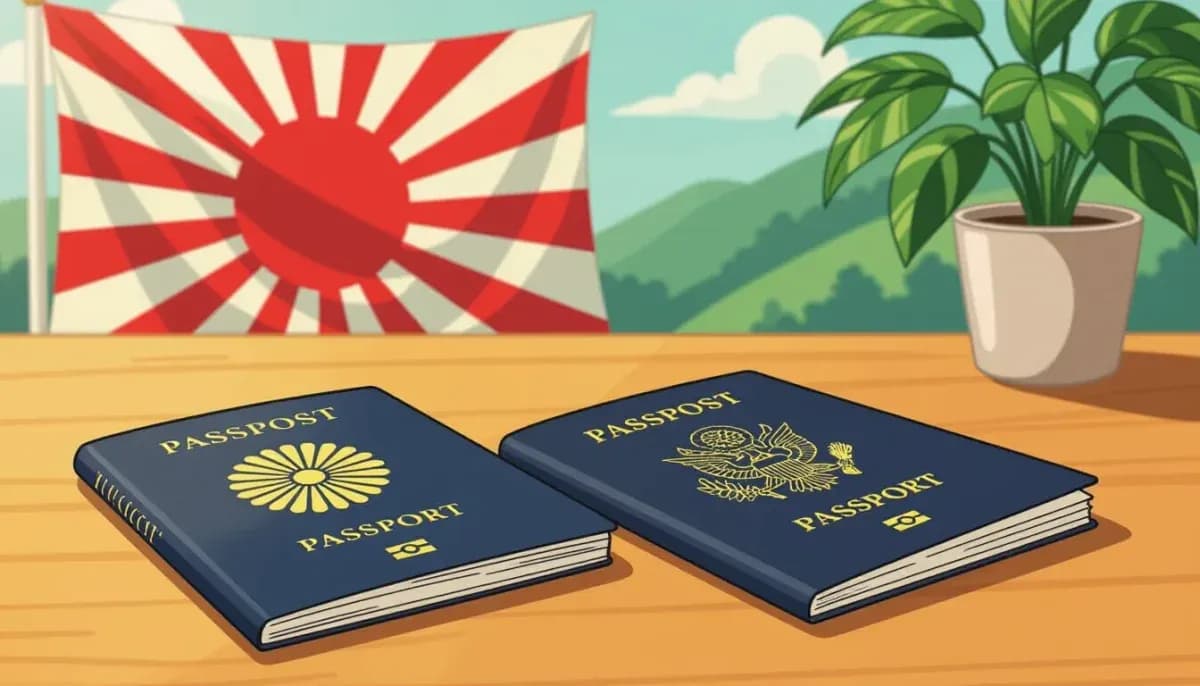
| Passport | Home country passport | Japanese passport |
| Dual nationality | Allowed (Japan has no rule against PR) | Not allowed (must renounce prior) |
| Processing fee | ¥8,000 (increasing) | No fee |
For a full comparison, read: Permanent Residency vs Citizenship in Japan Compared.
Naturalization Requirements
The standard requirements for Japanese naturalization are:
- 5 years of continuous residence in Japan (including 3+ years working)
- Age 18 or older
- Good conduct (no criminal history)
- Financial self-sufficiency
- Willingness to renounce prior nationality
- Basic Japanese language ability (no formal test, but ability is assessed)
Important 2025-2026 update: The Japanese government and ruling parties are considering extending the residency requirement for naturalization to 10 years (up from 5), to match the standard PR requirement. If passed, this would be a major change. Check the latest news from the Japan Times for updates.
Naturalization Statistics
In 2023, 8,800 people were naturalized as Japanese citizens. This is down significantly from the peak of 16,000+ in 2008, reflecting both stricter screening and the fact that many long-term residents choose PR over full citizenship.
For a full guide to the naturalization process, see: Japan Naturalization and Citizenship Application Guide.
Dual Citizenship in Japan
Japan does not officially recognize dual citizenship. When you naturalize as Japanese, you are required to renounce your original nationality. However, Japan does not actively monitor whether people actually renounce their foreign citizenship, and enforcement has historically been limited.
This is a nuanced and sensitive topic, especially for people who hold citizenship in countries that automatically strip citizenship upon naturalization elsewhere. For a detailed explanation of how this works in practice, see: Dual Citizenship Rules in Japan — What Foreigners Should Know.
Choosing Between PR and Citizenship
Neither path is objectively better — it depends on your personal situation, goals, and ties to your home country.
Choose Permanent Residency if:
- You want to keep your home country passport
- You travel frequently and want to use a powerful passport
- You're not sure you want to commit fully to Japan
- Your country doesn't allow re-naturalization if you change your mind
Choose Citizenship (Naturalization) if:
- You want full legal equality with Japanese nationals
- You want voting rights and political participation
- You have no strong ties to your home country
- You're committed to Japan as your permanent home
Practical Tips for Success
Here are key takeaways to maximize your chances of approval:
- Keep your tax and insurance records impeccable — pay everything on time, every time
- Avoid extended trips abroad — especially trips over 3 months; document your reasons if unavoidable
- Build a solid financial record — consistent employment and income history matters
- Start preparing early — gather documents and fix any issues years before applying
- Find a good guarantor — someone who is a stable Japanese national or PR holder
- Learn Japanese — now a formal requirement; JLPT N4 or above is a good target
- Consider consulting an immigration lawyer (行政書士) — for complex cases, professional help is worth the cost
Further Resources
For more detailed guidance on specific aspects of permanent residency and citizenship:
External resources worth bookmarking:
Whether you're aiming for permanent residency or full Japanese citizenship, the key is preparation, consistency, and patience. Japan rewards those who demonstrate a genuine commitment to living and contributing to the country. Start building your record early, stay on top of your legal obligations, and your path to a secure future in Japan will be well within reach.