
Japan PR Processing Time and Application Tips

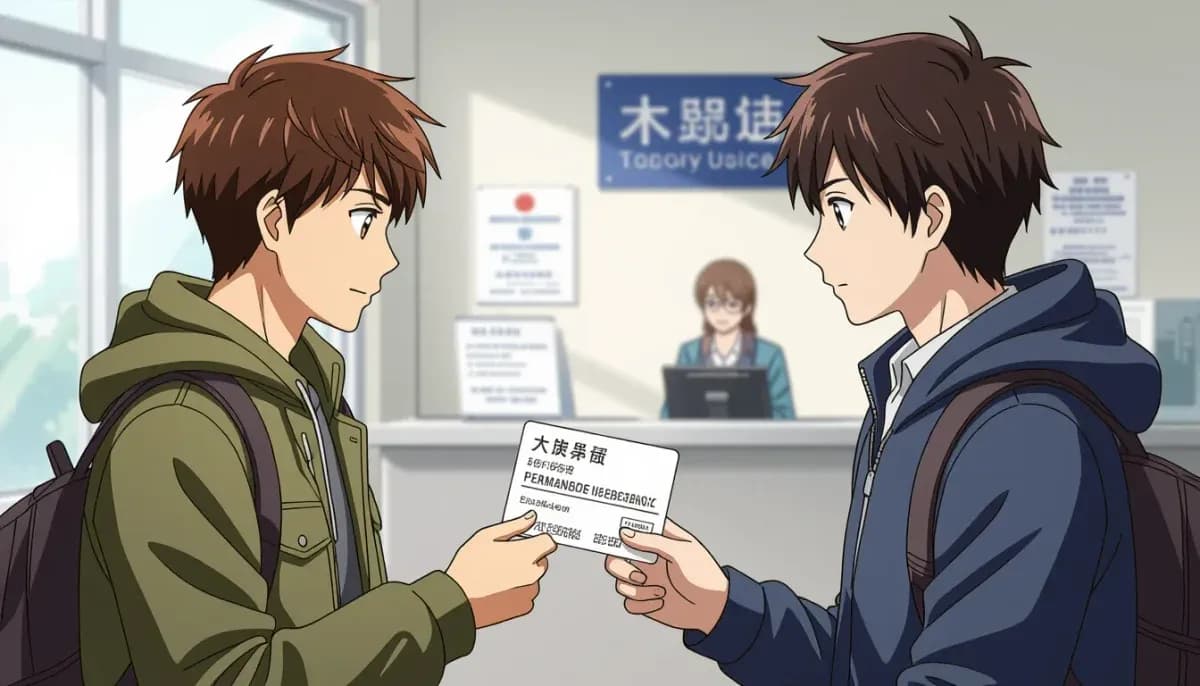
Learn the realistic Japan PR processing times in 2025 (17-19 months in Tokyo), eligibility requirements, common rejection reasons, and expert tips to improve your permanent residence application.
Japan PR Processing Time and Application Tips: The Complete Guide (2025)
Applying for permanent residence (PR) in Japan is one of the most significant milestones for any foreigner living in the country. But in 2025, the process is longer and more competitive than ever. Processing times have stretched dramatically, approval rates have fallen, and screening has become stricter. Whether you're just beginning to plan your PR application or you're mid-process and wondering what to expect, this guide covers everything you need to know — from eligibility routes and required documents to realistic timelines and proven application tips.
!Japan permanent residence card at immigration office
How Long Does Japan PR Processing Take in 2025?
The official figure from Japan's Immigration Services Agency states that PR applications take approximately 4 months to process. In practice, however, 2025 applicants are experiencing dramatically longer waits.
According to data compiled by immigration specialists at IMS Legal Professional Corporation, actual processing times have increased significantly:
| Year | Average Processing Time |
|---|---|
| 2022 | 6–8 months |
| 2023 | 8–10 months |
| 2024 | 12–15 months |
| 2025 | 17–19 months |
The Tokyo Immigration Bureau — where the majority of PR applications are submitted — is experiencing the longest delays. Applicants in less congested regional offices may see faster turnaround, but should still expect to wait 10–14 months.
Why are processing times so long?
- Application volumes have surged as more foreigners reach the 10-year residency milestone
- The Immigration Services Agency has tightened its review process, conducting more thorough checks
- Stricter scrutiny of tax compliance, pension enrollment, and income documentation takes more time
- Staff at immigration offices has not kept pace with the increase in applications
One important note: if your current residence status expires during this waiting period, you must renew it separately. Your PR application does not extend your current status.
Japan PR Eligibility: Which Route Are You On?
There are several pathways to permanent residence in Japan. Understanding which route applies to you is the first step.
1. Standard 10-Year Residency Route
The most common path requires:
- 10+ years of continuous residence in Japan
- At least 5 of those years on a work or family visa (technical intern training and Specified Skilled Worker Type 1 don't count toward the 5-year requirement)
- Stable annual income of approximately ¥3 million or more
- Clean conduct record with no criminal history
- Consistent payment of taxes, health insurance, and pension
2. Highly Skilled Professional (HSP) Fast Track
Japan's points-based system rewards highly skilled workers with dramatically shorter wait times:
- 70–79 points: Eligible after 3 years of residence
- 80+ points: Eligible after just 1 year of residence
Points are calculated based on academic background, professional experience, annual salary, and other factors. Use Japan's official HSP points calculator to check your score.
3. Spouse/Child of Japanese National
- Spouse: 3+ years of marriage plus 1+ year of residence
- Child: 1+ year of continuous residence
4. Long-Term Resident Status
Holders of the long-term resident visa can apply after 5 years of continuous residence.
For a comprehensive overview of all Japan visa categories and how they relate to PR eligibility, see our Japan Visa and Immigration Guide.
Required Documents for Japan PR Application
Submitting a complete and accurate application package is the single most impactful thing you can do to improve your chances. Missing or inconsistent documents are a leading cause of both delays and rejections.
Core Documents Required
- Application form (Form for Permanent Residence, available at immigration offices and online)
- Reason for application letter (written in Japanese — this is mandatory)
- Passport (current and all previous passports held during Japan residence)
- Residence card (zairyu card)
- Certificate of residence (juminhyo) — obtain at your local city hall
- Guarantor letter from a Japanese citizen or permanent resident
- Guarantor's financial documents (tax return, income certificate)
Income and Tax Documents
- Tax return (kakutei shinkoku) for the past 3–5 years
- Income certificate (shotoku shomeisho) from your local tax office
- Employment certificate from your current employer
- Pay stubs for the past 3–6 months
Social Insurance Records
- National Pension payment records (nenkin teichosho) — showing no gaps for the past 2 years
- Health insurance card and enrollment records
Employer Documents
- Certificate of employment (zairyu shikaku wo yusuru shain no shomeisho)
- Company registration (if self-employed or business owner)
If you're self-employed or running your own business, additional documentation about your business finances will be required.
For practical help with Japanese paperwork and navigating bureaucratic processes, Living in Nihon's permanent residency guide provides helpful step-by-step guidance.
!Documents preparation for Japan PR application
Top Reasons Japan PR Applications Are Rejected
The PR approval rate has declined from over 70% in 2015 to approximately 50% in 2025, according to Ministry of Justice data. Understanding why applications fail is just as important as knowing what's required.
1. Recent Job Change (Within 6 Months)
Applying immediately after changing jobs is one of the top rejection reasons. Immigration officers want to see stability in your employment record. If you changed jobs recently, it's generally advisable to wait at least 6 months — ideally a full year — before applying.
2. Late or Unpaid Taxes in the Last 3 Years
Tax compliance is scrutinized closely. Even if you've since paid everything back, having a record of late or unpaid taxes within the last three years can trigger a rejection. If this applies to you, wait until your record has been clean for at least 3 years before applying.
3. Pension Payment Gaps
Missing National Pension (kokumin nenkin) payments is another common red flag. Ensure you have at least 2 years of continuous, complete pension payment records.
4. Long or Frequent Overseas Absences
Spending more than 3 consecutive months outside Japan can affect your continuous residence status. Even shorter, frequent trips abroad may raise concerns. Minimize overseas absences in the year or two before and during your application.
5. Insufficient Income
While there's no official minimum, an annual income below ¥3 million (plus ¥50,000–70,000 per dependent) is a risk factor. Make sure your income documents clearly demonstrate financial independence.
6. Incomplete or Inconsistent Documents
Names, addresses, dates, and other details must match across all submitted documents. Discrepancies — even minor ones — can lead to additional document requests or rejection.
For guidance on understanding your working rights and visa obligations in Japan, see For Work in Japan's visa and residence status guide.
How to Speed Up Your Japan PR Application
While you can't control how fast the immigration office processes your case, there are several strategies that can prevent unnecessary delays.
Submit a Complete Application the First Time
Additional document requests (called tsuika shorui) add weeks or months to your wait. The best way to avoid them is to submit an exhaustive, well-organized application packet from the start.
Write a Strong Reason Letter
The reason letter (riyusho) is your opportunity to tell your story — your contributions to Japan, your ties to the community, your plans to remain long-term. A compelling, well-written reason letter in Japanese can make a meaningful difference. Consider having a professional write or review it.
Apply at the Right Time
- Your current residence status is valid for more than 6 months remaining
- You've been with your current employer for at least 1 year
- Your tax and pension records are clean for the past 3+ years
- You have no upcoming extended overseas travel planned
Use a Certified Administrative Scrivener (Gyoseishoshi)
An experienced immigration administrative scrivener (行政書士) who specializes in PR applications can:
- Review your documents for red flags before submission
- Prepare a strong reason letter
- Handle communication with the immigration office on your behalf
- Potentially identify if HSP points could qualify you for a faster track
While not required, professional assistance significantly reduces the risk of rejection, especially for complex cases.
For broader context on the Japanese work and immigration environment, Ittenshoku's resources for foreign workers provide useful background on navigating Japanese professional life.
What Happens After You Submit Your Application
Once your application is submitted, here's what to expect:
- Receipt issued: You'll receive a receipt card (jurishosho) immediately. Use this to continue working and staying in Japan legally while you wait.
- Document review period: Immigration officers review your documents. This is the lengthy phase — expect 10–19 months in 2025.
- Additional document requests: You may receive a request for more materials. Respond promptly and completely.
- Decision notification: You'll receive a postcard notification when a decision is made. If approved, visit the immigration office to receive your permanent residence card.
- If denied: You will receive a notice of denial. You can reapply after improving your situation. Denials are not permanent and many applicants succeed on a second or third attempt.
Permanent Residence vs. Naturalization: Which Is Right for You?
Many long-term residents face the choice between PR and naturalization. Here's a quick comparison:
| Factor | Permanent Residence | Naturalization (Citizenship) |
|---|---|---|
| Nationality | Keep original | Become Japanese citizen |
| Passport | Keep original | Japanese passport only |
| Voting rights | No | Yes |
| Residency requirement | 10 years (standard) | 5 years |
| Processing time | 17–19 months (2025) | 8–12 months |
| Cost (approximate) | ¥8,000–100,000 (fees rising) | ¥8,000 |
| Renewal required | No (card renewal every 7 years) | N/A (citizen) |
Permanent residence lets you keep your original nationality and passport while eliminating the need to renew your work visa. Naturalization grants full citizenship rights including a Japanese passport, but requires giving up your original nationality. Your choice depends on your long-term life plans and career goals.
For more on the broader experience of building a life in Japan long-term, see our guides on Working in Japan as a Foreigner and Cost of Living in Japan.
2025 and 2026 Policy Updates to Watch
Japan's immigration landscape is evolving. Here are key changes to be aware of:
- Fee increases coming: The government has announced plans to raise PR-related application fees significantly by FY2027, with permanent residency fees potentially reaching approximately ¥100,000 (up from the current ¥8,000).
- Stricter HSP screening: The points-based system has seen enhanced scrutiny, with officers more carefully verifying claimed qualifications and salaries.
- Naturalization changes: Proposed legislation could extend the naturalization residency requirement from 5 to 10 years — another reason to apply sooner rather than later if that path interests you.
- Record applications: PR applications have hit record highs in recent years, contributing directly to processing delays.
For more detailed and up-to-date processing time data, resources like IMS Legal's 2025 PR guide and the MailMate PR guide provide regularly updated information.
Final Tips: Setting Yourself Up for Success
- Start preparing at least a year before you plan to apply. Gather all tax and pension records well in advance.
- Keep a clean record. No traffic violations accumulation, no late tax payments, no pension gaps.
- Minimize overseas trips. Especially in the 1–2 years before applying.
- Check your HSP points. You may qualify for a faster track without realizing it.
- Get a professional review. A certified administrative scrivener can identify issues before they become rejections.
- Submit complete documents. The number one cause of delays is incomplete applications.
- Be patient. With processing times now at 17–19 months, applying and waiting is simply part of the process.
Japan's PR process is demanding, but it is achievable with proper preparation. Thousands of foreigners successfully obtain permanent residence every year. With the right approach, thorough documentation, and patience, you can join them.
For more about life in Japan as a permanent resident, explore our guide on Daily Life in Japan for Foreigners and our overview of the Japan Visa and Immigration system.

Originally from Vietnam, living in Japan for 16+ years. Graduated from Nagoya University, with 11 years of professional experience at Japanese and international companies. Sharing information about living in Japan for foreigners.
View Profile →Related Articles
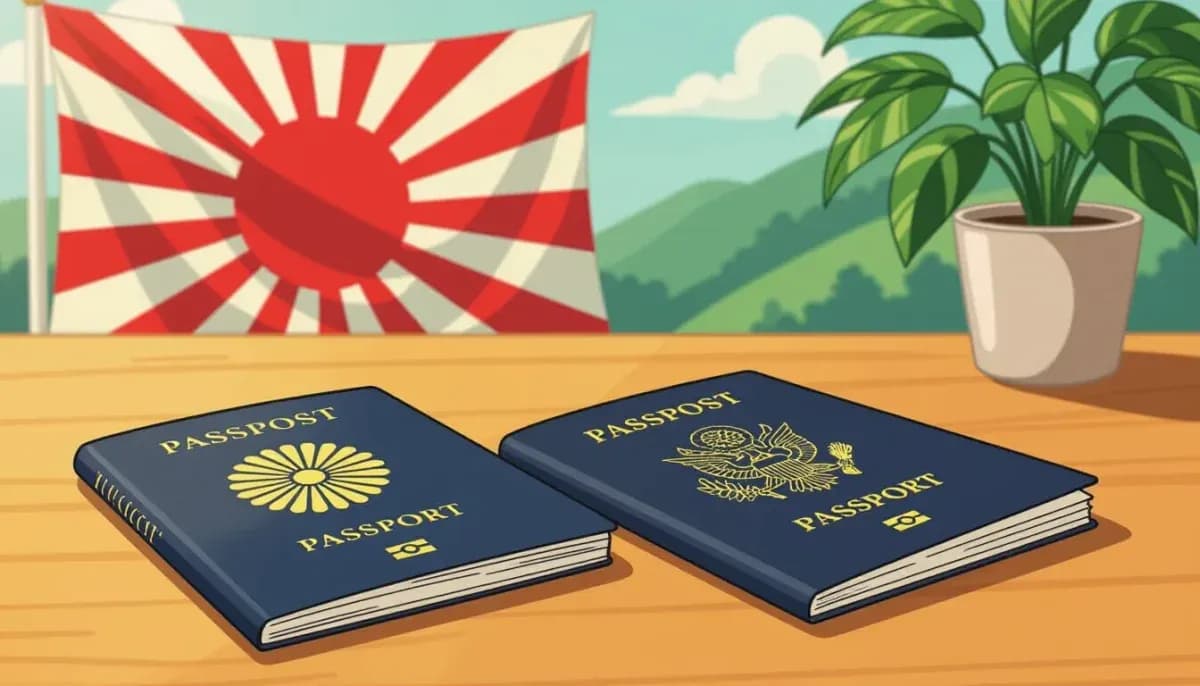
Dual Citizenship Rules in Japan What Foreigners Should Know
Japan officially prohibits dual citizenship for adults, but enforcement is inconsistent. Learn the rules, deadlines, naturalization requirements, and what this means for foreigners living in Japan.
Read more →
Benefits of Getting Permanent Residency in Japan
Discover the key benefits of Japan permanent residency — from employment freedom and mortgage access to family stability and no visa renewals. Full guide for foreigners planning long-term life in Japan.
Read more →
Common Japan PR Rejection Reasons and How to Avoid Them
Discover the most common Japan permanent residency rejection reasons and expert tips to avoid them. Covers income, taxes, residency, documentation, and 2025 immigration changes.
Read more →
Spouse Permanent Residency Application in Japan
Complete guide to applying for permanent residency in Japan as a spouse of a Japanese national or PR holder. Learn requirements, documents, income thresholds, and how to avoid rejection.
Read more →
Japan PR Interview Tips and What to Expect
Learn what to expect during Japan's permanent residency (PR) application process. Discover when an interview occurs, naturalization interview tips, common questions, and how to maximize your chances of approval.
Read more →
How to Maintain Your Permanent Residency in Japan
Learn the essential obligations for keeping your Japan permanent residency: residence card renewal, tax compliance, overseas stay rules, and the new 2027 revocation law. Complete guide for PR holders.
Read more →