
How to Maintain Your Permanent Residency in Japan

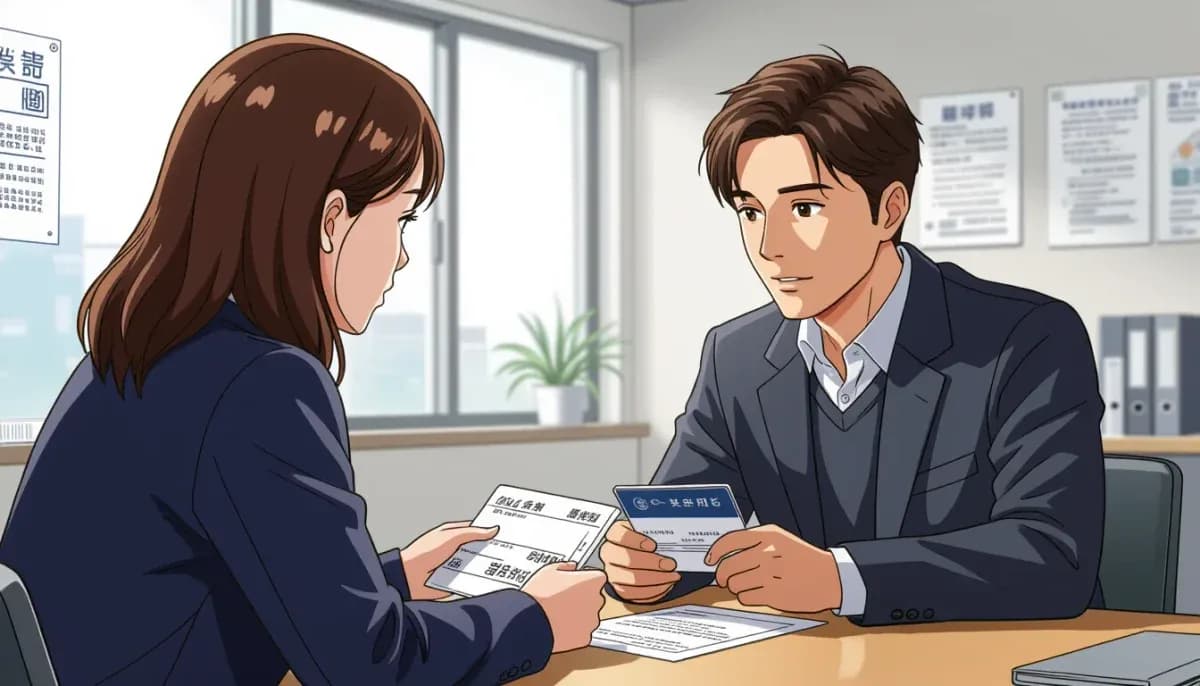
Learn the essential obligations for keeping your Japan permanent residency: residence card renewal, tax compliance, overseas stay rules, and the new 2027 revocation law. Complete guide for PR holders.
How to Maintain Your Permanent Residency in Japan: Essential Guide for Foreign Residents
Congratulations on obtaining permanent residency (PR) in Japan — one of the most valuable immigration statuses available to foreigners. But many PR holders are surprised to learn that this status requires ongoing attention. Permanent residency is not unconditional: failing to meet your obligations can put your status at risk. This guide explains exactly what you need to do to protect your PR and stay compliant with Japanese immigration law.
As of June 2025, over 932,000 foreign nationals hold permanent residency in Japan — representing 23.6% of the total foreign resident population. While only 22 revocation cases were recorded between 2019 and 2023, new legislation taking effect in 2027 will make compliance even more critical. Understanding your responsibilities now is the best way to keep your status secure.
The Three Pillars of Maintaining Your Permanent Residency
Permanent residency in Japan rests on three core obligations that every PR holder must continuously fulfill:
| Pillar | What It Requires | Consequences of Failure |
|---|---|---|
| Administrative Compliance | Renewing residence card, reporting address changes | Risk of revocation for failing to report |
| Financial Responsibility | Paying taxes, health insurance, and pension | New 2027 law allows revocation for deliberate nonpayment |
| Physical Presence | Keeping Japan as your primary base of living | Exceeding 1 year abroad causes automatic cancellation |
These three pillars work together. Neglecting even one of them can jeopardize the status you worked so hard to obtain.
Residence Card Renewal: What You Need to Know
Unlike most visa types in Japan, your PR status itself does not expire — but your residence card does. All permanent residents must renew their residence card every 7 years. This is often misunderstood, so let's be clear:
- Your permanent residency status is indefinite
- Your physical residence card must be renewed every 7 years
- You can apply for renewal starting 3 months before the card's expiration date
How to renew your residence card:
- Visit your regional immigration office (入管)
- Bring your current residence card, passport, and a passport-size photo
- Submit the renewal application form (available at the immigration office or online)
- Processing typically takes 2–4 weeks
Failing to renew your residence card on time can cause problems with daily life — banks, employers, and government services all require a valid residence card. While this alone may not immediately revoke your PR status, it creates unnecessary complications.
For more detailed guidance on the overall PR application and documentation process, see our article on documents required for Japan PR application.
Tax and Social Insurance: The Financial Obligations
One of the most important aspects of maintaining PR is staying current with all financial obligations to the Japanese government. These include:
- Income Tax (所得税): Must be filed annually; Japan's National Tax Agency (NTA) tracks your payment history
- Residence Tax (住民税): Paid to your local municipality based on the previous year's income
- National Health Insurance (国民健康保険) or employer health insurance
- National Pension (国民年金) or employee pension (厚生年金)
The New 2027 Revocation Law
Starting in April 2027, Japan's revised immigration law will give authorities the power to revoke permanent residency for deliberate nonpayment of taxes and social insurance. This is a significant change that all PR holders should be aware of.
Importantly, the guidelines define "deliberate nonpayment" strictly — it means knowingly evading payment when you have the financial means to pay. People who genuinely cannot pay due to unemployment or illness are protected. The law targets willful evasion of large tax bills, not honest financial hardship.
Practical tips for staying compliant:
- Set calendar reminders for tax filing deadlines (usually March 15 for individual returns)
- Request exemption or deferral if you're facing financial hardship — this shows good faith
- Keep records of all tax payments and social insurance contributions
- If you change jobs or become self-employed, ensure your pension enrollment is updated immediately
Learn more about your tax obligations on our complete guide to taxes in Japan for foreigners.
Managing Time Abroad: The Overseas Stay Rules
This is where many PR holders unknowingly put their status at risk. Here are the critical rules:
Standard rule: If you leave Japan without re-entry permission and stay abroad for more than 1 year, your permanent residency is automatically canceled.
Special re-entry permit: By obtaining a special re-entry permit before departure, you can stay abroad for up to 5 years. However, even with this permit, exceeding the approved period causes loss of status.
The "deemed re-entry permission" rule: Holders of a valid residence card who leave Japan for less than 1 year are automatically granted "deemed re-entry permission" at departure — no special permit is needed for short trips.
| Overseas Stay Duration | What You Need |
|---|---|
| Under 1 year | Deemed re-entry permission (automatic at departure) |
| 1–5 years | Special re-entry permit (apply before leaving) |
| Over 5 years | Generally not possible while maintaining PR |
Beyond the technical rules, immigration authorities also assess whether Japan remains your actual primary base of living. Even if you have a re-entry permit, spending the majority of your time abroad may raise questions about whether you genuinely reside in Japan. Keep documentation of your ties to Japan: lease agreements, bank accounts, employer records, and community activities all help demonstrate your connection.
For comprehensive guidance on the PR application requirements that led to your current status, visit our article on Japan permanent residency application guide.
Address and Registration Updates
Japanese law requires residents to notify their local municipal office of any address changes within 14 days. For permanent residents, this obligation applies just as it does for all foreign residents in Japan.
When you move:
- Register your new address at the city/ward/town office (市区町村役所)
- Update your residence card address (the office will update it at the same time)
- Notify your employer, bank, pension, and insurance providers
Failing to report an address change, or reporting a false address, can be grounds for PR revocation under existing law. Keep your registration information accurate and up to date at all times.
Maintaining Good Legal Standing
Permanent residency can be revoked for serious criminal offenses. The types of crimes that can lead to revocation include:
- Theft, fraud, extortion, or violent crimes
- Drug-related offenses
- Dangerous driving causing death or injury
- Any crime that results in a prison sentence
Minor offenses like unpaid parking fines won't revoke your PR, but they can complicate your residence card renewal and any future immigration applications. Maintaining a clean legal record is an important part of being a responsible permanent resident.
Practical Checklist for PR Holders
Use this checklist to stay on top of your obligations throughout the year:
Every 7 years:
- [ ] Renew your residence card before it expires
Annually:
- [ ] File income tax return (by March 15)
- [ ] Pay residence tax (installments due June, August, October, January)
- [ ] Confirm pension and health insurance contributions are current
Within 14 days of any change:
- [ ] Report address changes to municipal office
- [ ] Update employer information with immigration if required
Before any overseas trip:
- [ ] Check if you need a special re-entry permit (for stays over 1 year)
- [ ] Confirm your residence card is valid for the duration of your trip
Ongoing:
- [ ] Keep Japan as your primary place of residence
- [ ] Maintain documentation of your ties to Japan (lease, bank accounts, etc.)
Resources for Permanent Residents
Staying informed is essential. Here are some trusted resources:
- Living in Nihon: Permanent Residency and Naturalization Guide — Comprehensive guidance on PR status in Japan including re-entry requirements and long-term management
- For Work in Japan: Visa and Residence Status Guide — Detailed information on residence status requirements and the 14-day notification rules
- Ittenshoku Career and Immigration Resources — Resources for foreigners navigating Japanese immigration and employment
- Office Ishinagi: PR Obligations and Cancellation Guide — In-depth legal guidance on PR obligations under Japanese immigration law
- Erickson Immigration Group: 2026 PR Revocation Guidelines — Expert analysis of the new revocation rules taking effect in 2027
- VisaJapan: Overseas Stay Rules for PR Holders — Detailed rules on days abroad for permanent residents
Understanding the Bigger Picture
Permanent residency in Japan is a remarkable privilege that opens doors to a stable, long-term life in Japan. PR holders enjoy:
- No employment restrictions — work in any field or industry
- No need for visa renewals (only residence card renewal every 7 years)
- Ability to sponsor family members for residence
- Eligibility to apply for Japanese citizenship after additional years of residence
The obligations that come with this status are, in reality, quite manageable. Pay your taxes, keep your residence card current, report address changes, and maintain Japan as your genuine home. Do these things, and your permanent residency will remain secure for life.
For those considering the next step, our article on Japan naturalization and citizenship explains how PR holders can eventually apply for Japanese citizenship. And if you're comparing your options, see our comparison of permanent residency vs. citizenship in Japan.
Permanent residency is not just a document — it's a commitment to life in Japan. Honor that commitment, and it will serve you well for decades to come.

Originally from Vietnam, living in Japan for 16+ years. Graduated from Nagoya University, with 11 years of professional experience at Japanese and international companies. Sharing information about living in Japan for foreigners.
View Profile →Related Articles
Dual Citizenship Rules in Japan What Foreigners Should Know
Japan officially prohibits dual citizenship for adults, but enforcement is inconsistent. Learn the rules, deadlines, naturalization requirements, and what this means for foreigners living in Japan.
Read more →
Benefits of Getting Permanent Residency in Japan
Discover the key benefits of Japan permanent residency — from employment freedom and mortgage access to family stability and no visa renewals. Full guide for foreigners planning long-term life in Japan.
Read more →
Common Japan PR Rejection Reasons and How to Avoid Them
Discover the most common Japan permanent residency rejection reasons and expert tips to avoid them. Covers income, taxes, residency, documentation, and 2025 immigration changes.
Read more →
Spouse Permanent Residency Application in Japan
Complete guide to applying for permanent residency in Japan as a spouse of a Japanese national or PR holder. Learn requirements, documents, income thresholds, and how to avoid rejection.
Read more →
Japan PR Interview Tips and What to Expect
Learn what to expect during Japan's permanent residency (PR) application process. Discover when an interview occurs, naturalization interview tips, common questions, and how to maximize your chances of approval.
Read more →
Long Term Resident Status in Japan Explained
Understand Japan's Long-Term Resident status (定住者). Learn who qualifies (Nikkei, divorced spouses), required documents, how to apply, and the pathway to permanent residency.
Read more →