
Permanent Residency vs Citizenship in Japan Compared

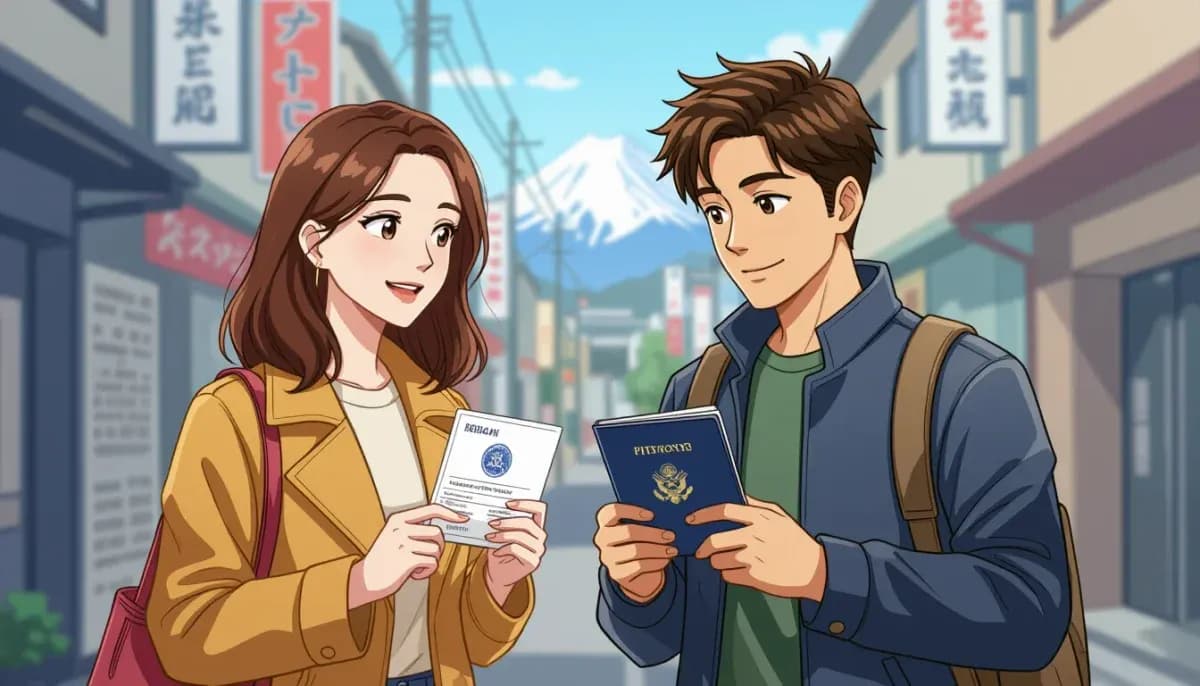
Should you get Japanese permanent residency or citizenship? Compare requirements, pros and cons, costs, and 2025 policy changes to make the right choice.
Permanent Residency vs Citizenship in Japan: The Complete Comparison Guide
After years of living and working in Japan, many foreigners eventually face a pivotal question: should you apply for Permanent Residency (PR) or take the bigger step and naturalize as a Japanese citizen? Both pathways offer stability and long-term security, but they come with very different trade-offs. This guide breaks down everything you need to know to make an informed decision.
Understanding the distinction matters more than ever in 2025, as Japan is actively tightening its immigration rules. Whether you want to keep your original nationality or fully embrace life as a Japanese national, the right choice depends on your personal goals, family situation, and long-term plans.
What Is Permanent Residency in Japan?
Permanent Residency (永住許可, eijyu kyoka) is a residence status that allows foreign nationals to live and work in Japan indefinitely without restrictions — while keeping their original nationality. As of June 2025, 932,090 foreigners hold PR status in Japan, representing about 23.6% of the total foreign resident population.
With PR, you can:
- Work in any industry or job type without restriction
- Stay in Japan without renewing your work or student visa
- Access Japan's social welfare and national pension systems
- Apply for longer-term mortgages and financial products more easily
- Sponsor family members for visas
However, permanent residents are still technically foreign nationals. You must renew your residence card every 7 years, and if you stay outside Japan for more than a year without a re-entry permit, you risk losing your status entirely. You also have no political rights — no voting in national or local elections.
For more context on residence statuses in Japan, see our Complete Guide to Japan Visa and Immigration.
What Is Japanese Citizenship (Naturalization)?
Naturalization (帰化, kika) means legally becoming a Japanese citizen. You give up your foreign nationality, obtain a Japanese family register (koseki), and gain all the same rights as a person born in Japan.
Key benefits include:
- Full political rights: You can vote in all elections and even run for office
- No residency card: You are no longer subject to immigration controls
- Japanese passport: Ranked among the world's most powerful, offering visa-free access to 190+ countries
- Public sector jobs: Most government and public service positions require Japanese citizenship
- Irreversible status: Unlike PR, citizenship cannot be revoked (except in extreme circumstances)
The trade-off is significant: Japan does not recognize dual citizenship. When you naturalize, you must formally renounce your home country's nationality. This is a permanent and life-changing decision that affects your ability to inherit property abroad, vote in your home country, and return there without a visa (depending on your home country's rules).
Key Requirements: PR vs Naturalization Compared
One of the most surprising facts for many people is that naturalization actually has a shorter residency requirement than permanent residency.
| Criteria | Permanent Residency | Naturalization (Citizenship) |
|---|---|---|
| General residency requirement | 10+ years | 5+ years |
| Spouse of Japanese national | 3+ years marriage + 1+ year residence | 3 years marriage or 1+ year residence |
| Highly skilled professional (HSP) | 1–3 years (point system) | Standard 5 years |
| Language requirement | None currently | Conversational Japanese expected |
| Documents required | 10–20 documents | 100–200 documents |
| Processing time | 4–6 months | 8–12 months |
| Interviews | Rare | Multiple interviews required |
| Dual nationality | Yes — keep your passport | No — must renounce |
| Voting rights | No | Yes |
| Residence card renewal | Every 7 years | Not required (you are Japanese) |
Note: Proposed 2025–2027 policy changes may raise the naturalization residency requirement to 10 years and add language proficiency requirements for PR.
2025 Policy Changes: What You Need to Know
Japan's immigration landscape is shifting rapidly. The government is considering major reforms that could affect both pathways:
For permanent residency:
- Japanese language proficiency may become a new requirement
- Applicants may need to complete a mandatory integration course covering Japanese culture, language, and social rules (planned for 2027)
- Renewal fees may increase to approximately JPY 30,000–40,000, with initial application fees rising to around JPY 100,000
For naturalization:
- The residency requirement may be doubled from 5 to 10 years, aligning it with the current PR standard
- This proposed change would significantly impact people planning their long-term immigration pathway
In 2024, 36,766 people were granted permanent residency out of 116,919 applications. That same year, 12,248 citizenship applications were filed, with a 72.4% approval rate.
If you are close to meeting the current requirements, acting sooner rather than later may be advantageous. For general planning, read our Complete Guide to Moving to Japan.
Permanent Residency: Pros and Cons
Pros
- Keep your nationality: You remain a citizen of your home country with all associated rights
- Flexible future: If you ever decide to return home, you are not permanently tied to Japan
- Easier application: Fewer documents and a more straightforward process
- Still works for most needs: You can work freely, own property, and access social services
Cons
- No voting rights: You cannot participate in Japanese democracy
- Still subject to immigration control: You can be deported in serious circumstances
- Re-entry permit required: Trips abroad of more than 1 year require a special permit
- Card renewal required: Every 7 years, you must renew at immigration
- New language requirements coming: May add a new hurdle by 2027
Japanese Citizenship: Pros and Cons
Pros
- Full legal equality: Same rights as any Japanese-born citizen
- Powerful passport: Visa-free travel to 190+ countries
- Career opportunities: Opens doors to government jobs and top companies
- No immigration bureaucracy: No more residence cards or re-entry permits
- Your children are Japanese: Children born after naturalization are Japanese nationals
Cons
- Loss of original nationality: Japan requires renouncing your home passport
- Complicated paperwork: Up to 200 documents, multiple interviews in Japanese
- Long process: 8–12 months from application to approval
- Difficult to reverse: Once done, it is essentially permanent
- Language barrier: Conversational Japanese expected; interviews are in Japanese
Who Should Choose Permanent Residency?
Permanent residency is the better fit if you:
- Want to maintain ties to your home country (voting rights, inheritance, visiting family without a visa)
- Are not yet fluent in Japanese and unlikely to pass citizenship interviews
- May return to your home country at some point in the future
- Have professional certifications or licenses tied to your original nationality
- Are in a binational family where keeping your passport matters for practical reasons
For expats who plan to stay long-term but want flexibility, PR offers an excellent middle ground. Learn more about building your life in Japan in our Complete Guide to Working in Japan as a Foreigner.
Who Should Choose Japanese Citizenship?
Naturalization makes more sense if you:
- Are committed to living in Japan permanently with no plans to return
- Want to vote and participate in Japanese civic life
- Need a Japanese passport for career advancement or travel convenience
- Have children who you want to be Japanese citizens
- Are willing and able to renounce your home country's nationality
For families raising children in Japan, citizenship ensures your kids grow up with full Japanese rights. See our guide on Raising Children in Japan for more context.
How to Apply: Step-by-Step Overview
Applying for Permanent Residency
- Gather required documents: residence certificate, tax payment records, employment certificate, and withholding slip
- Submit application at your local Regional Immigration Services Bureau
- Wait 4–6 months for processing
- Attend notification interview if requested
- Collect your new permanent resident card
Applying for Naturalization
- Contact your local Legal Affairs Bureau (法務局) to receive the application packet
- Compile 100–200 documents including your full life history, family records, and reason statement (riyusho)
- Submit application and wait for review (typically 8–12 months)
- Attend multiple interviews, conducted in Japanese
- Receive approval notification and complete paperwork for renouncing your original nationality
For detailed guidance on each step, Living in Nihon's Permanent Residency and Naturalization Guide provides in-depth Japanese-language support resources. For work visa information as a foundation, For Work in Japan's Visa and Residence Status Guide covers the basics of legal residence. An updated comparison from Visa Japan's 2025 PR vs Naturalization Guide is also helpful. For legal details, the Kamakura International Legal Service overview explains both pathways clearly.
Frequently Asked Questions
Can I hold dual citizenship in Japan? No. Japan does not recognize dual nationality. If you naturalize, you must renounce your home country's citizenship. Japan has never made exceptions to this policy, though it is occasionally debated in the government.
Does permanent residency expire? The PR status itself does not expire, but your residence card must be renewed every 7 years. You also risk losing PR if you stay abroad for more than 1 year without obtaining a special re-entry permit in advance.
Is the Japanese language required for PR? Currently, no language test is required. However, proposed changes for 2027 may add a Japanese proficiency requirement. Naturalization does expect conversational Japanese ability, as interviews are conducted in Japanese.
Can I work in any job with permanent residency? Yes. Permanent residents have no work restrictions and can take any job, including part-time, self-employment, and positions typically restricted to work visa holders.
What happens to my children if I naturalize? Children born after naturalization automatically become Japanese citizens. For children born before naturalization, they may be eligible depending on their circumstances — consult an immigration lawyer for specific cases.
For comprehensive information on the legal side of life in Japan, see Ittenshoku's resources for foreigners in Japan.
Making Your Decision
The choice between permanent residency and Japanese citizenship is deeply personal. There is no universally correct answer — it depends on your life goals, family, career, and emotional ties to both Japan and your home country.
If you are comfortable giving up your original passport and are committed to Japan as your forever home, naturalization gives you the most rights and the most freedom. If you want the security of long-term residence while keeping your original nationality and the flexibility to return home someday, permanent residency is an excellent and often sufficient choice.
Whatever path you choose, start planning early. Given the 2025 policy proposals, requirements may become stricter in the coming years. Understanding your options now gives you the best chance to qualify under the current, more accessible rules.
For more on navigating life in Japan as a foreigner, explore our Daily Life in Japan Guide for Foreigners.

Originally from Vietnam, living in Japan for 16+ years. Graduated from Nagoya University, with 11 years of professional experience at Japanese and international companies. Sharing information about living in Japan for foreigners.
View Profile →Related Articles
Dual Citizenship Rules in Japan What Foreigners Should Know
Japan officially prohibits dual citizenship for adults, but enforcement is inconsistent. Learn the rules, deadlines, naturalization requirements, and what this means for foreigners living in Japan.
Read more →
Benefits of Getting Permanent Residency in Japan
Discover the key benefits of Japan permanent residency — from employment freedom and mortgage access to family stability and no visa renewals. Full guide for foreigners planning long-term life in Japan.
Read more →
Common Japan PR Rejection Reasons and How to Avoid Them
Discover the most common Japan permanent residency rejection reasons and expert tips to avoid them. Covers income, taxes, residency, documentation, and 2025 immigration changes.
Read more →
Spouse Permanent Residency Application in Japan
Complete guide to applying for permanent residency in Japan as a spouse of a Japanese national or PR holder. Learn requirements, documents, income thresholds, and how to avoid rejection.
Read more →
Japan PR Interview Tips and What to Expect
Learn what to expect during Japan's permanent residency (PR) application process. Discover when an interview occurs, naturalization interview tips, common questions, and how to maximize your chances of approval.
Read more →
How to Maintain Your Permanent Residency in Japan
Learn the essential obligations for keeping your Japan permanent residency: residence card renewal, tax compliance, overseas stay rules, and the new 2027 revocation law. Complete guide for PR holders.
Read more →