
Spouse Permanent Residency Application in Japan

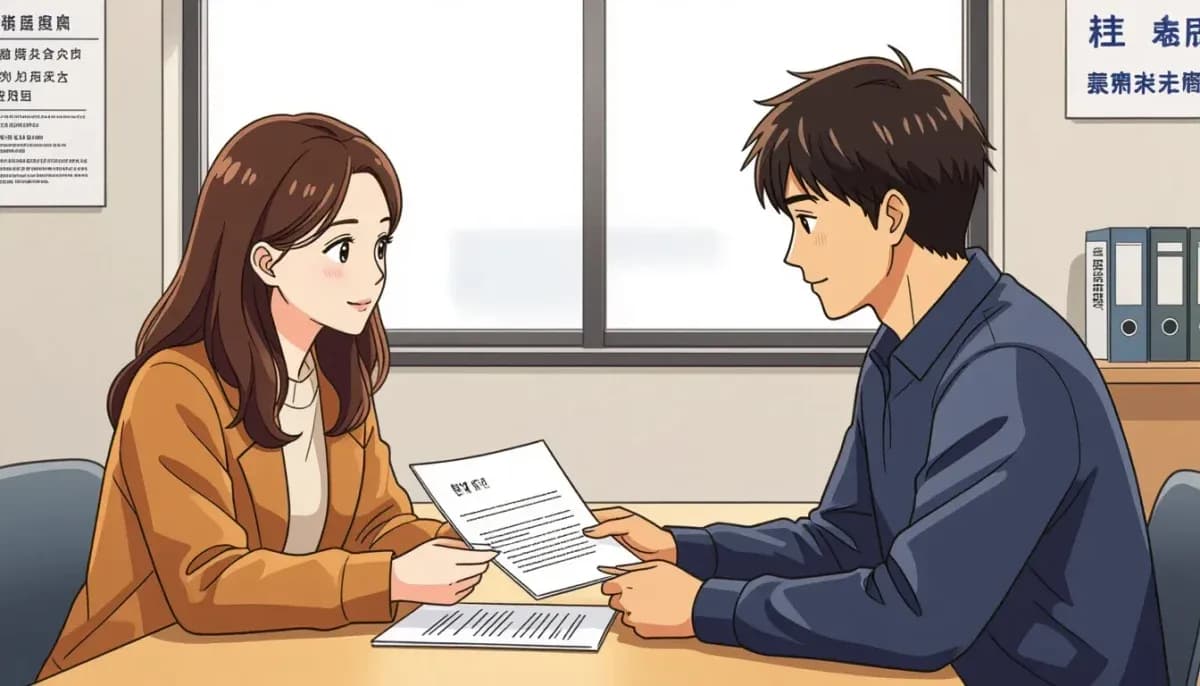
Complete guide to applying for permanent residency in Japan as a spouse of a Japanese national or PR holder. Learn requirements, documents, income thresholds, and how to avoid rejection.
Spouse Permanent Residency Application in Japan: The Complete Guide
Getting permanent residency (PR) in Japan as the spouse of a Japanese national or permanent resident is one of the most common pathways to long-term settlement in Japan. While the process is more accessible than for work visa holders, it still requires careful preparation, thorough documentation, and a solid understanding of Japan's immigration requirements. This guide walks you through everything you need to know — from eligibility and required documents to common pitfalls and expert tips.
Who Qualifies for Spouse PR in Japan?
Japan's Immigration Services Agency (ISA) grants permanent residency to spouses under two main scenarios:
Spouse of a Japanese National: You must meet both of these conditions:
- Married to your Japanese spouse for at least 3 years
- Residing continuously in Japan for at least 1 year
Spouse of a Permanent Resident: The same dual requirements apply:
- Married for at least 3 years
- Living continuously in Japan for at least 1 year
These are the minimum requirements. Meeting them does not guarantee approval — the immigration authorities conduct a holistic review of your application, looking at financial stability, tax and social security compliance, and the genuineness of the marriage.
Note: "Continuous residence" means you cannot have gaps longer than what immigration considers acceptable. Extended overseas stays (generally over 3 months at a stretch) can reset the clock or require additional explanation.
For a broader overview of all PR pathways, check the Complete Guide to Japan Visa and Immigration.
The Three Core PR Screening Criteria
Regardless of your pathway, every PR application in Japan is evaluated against three fundamental criteria:
1. Good Conduct (素行が善良であること) You must have a clean record — no criminal history, no serious traffic violations, and no history of visa overstays. Even minor traffic violations can raise red flags. Immigration takes behavioral compliance seriously.
2. Financial Independence (独立の生計を営む) The authorities want to see that you (and your household) can financially support yourselves without government assistance. For work visa holders, the commonly cited threshold is around ¥3 million annual income. For spouse applicants, the immigration bureau looks at total household income rather than the applicant's individual income alone, which gives more flexibility — but you still need to demonstrate financial stability.
3. Alignment with Japan's National Interest (国益に合すること) This broadly means that granting you permanent residency benefits Japan. In practice, it means you've been a law-abiding taxpayer, you contribute to Japanese society, and you intend to continue living in Japan long-term.
Required Documents for Spouse PR Application
The document checklist can seem overwhelming at first, but organizing it systematically makes the process manageable. Here is what you will typically need:
| Document | Purpose | Where to Get It |
|---|---|---|
| Application for Permission for Permanent Residence (Form) | Main application | Immigration Bureau |
| Residence Card (在留カード) | Proof of current status | Already issued |
| Valid Passport | ID and travel history | Already have |
| ID Photos (4cm × 3cm, taken within 3 months) | Application photo | Photo studio |
| Certificate of Residence (住民票) | Proof of address | City/ward office |
| Marriage Certificate | Proof of marriage | Family register office |
| Family Register (戸籍謙本) | Relationship documentation | City/ward office |
| Employment Certificate (在職証明書) | Proof of employment | Employer HR dept |
| Tax Payment Certificate (納税証明書) | Tax compliance | Tax office |
| Resident Tax Certificate (住民税課税証明書) | Income verification | City/ward office |
| Pension Payment Records (年金保険料納付証明書) | Social security compliance | Japan Pension Service |
| Health Insurance Card | Insurance compliance | Employer/municipality |
| Guarantor Form + Guarantor's Documents | Required endorsement | Japanese national/PR holder |
For detailed information on navigating Japanese paperwork, see our Marriage and Relationships in Japan Guide.
Step-by-Step Application Process
Step 1: Check Your Eligibility Timeline
Confirm that you meet the marriage (3+ years) and residence (1+ year) requirements before starting. Pull your passport entry/exit stamps to calculate days in Japan and abroad.
Step 2: Gather Your Documents
Start collecting documents at least 2–3 months before you plan to apply. Some certificates (like pension payment records) require requesting in advance, and getting everything translated or apostilled takes time.
Step 3: Find a Guarantor (身元保証人)
Your guarantor must be a Japanese national or permanent resident who vouches for you. This is typically your Japanese spouse. The guarantor needs to submit their own documents — residence certificate, tax records, and a completed guarantor form.
Step 4: Submit at Your Regional Immigration Bureau
Submit your complete application at the immigration bureau that covers your area of residence. You can submit in person, or authorize a representative (such as an immigration lawyer or administrative scrivener) to submit on your behalf.
Step 5: Wait for Processing
As of 2025, processing times have increased significantly. While the standard estimate was once 6 months, many applicants are reporting waits of over 12 months. Be patient and do not make major life changes (job changes, extended overseas trips) during this period.
Step 6: Collect Your Permanent Residence Card
If approved, you will receive a notification to collect your new residence card. This card is valid for 7 years (renewable) and does not expire unless you voluntarily give it up or become absent from Japan for more than 5 years.
For comprehensive guidance on living and settling in Japan, visit Living in Nihon's Permanent Residency and Naturalization Guide.
Common Rejection Reasons (and How to Avoid Them)
Understanding why applications get rejected is just as important as knowing what to submit. The overall PR approval rate in Japan hovers around 50–60%, meaning nearly half of all applicants are rejected. Here are the most common reasons:
Unpaid or Late Taxes/Pension/Health Insurance This is the number one reason for rejection. Even a single late payment can raise questions. Before applying, ensure you have zero arrears and can demonstrate a clean payment history for the past 3–5 years.
Job Change Within 6 Months of Application If you recently changed employers, immigration may view your income stability as uncertain. Wait at least 6 months after starting a new job before applying.
Excessive Days Abroad Spending more than approximately 100 days per year outside Japan triggers additional scrutiny. If you travel frequently for work or family reasons, prepare documentation explaining your reasons and confirming your life base is in Japan.
Sham Marriage Suspicions Immigration officers are trained to detect fraudulent marriages. If documents are inconsistent, or if you and your spouse live separately without explanation, the application may be denied. Be prepared to demonstrate the genuine nature of your relationship.
Insufficient Income While household income is considered for spouses, very low combined income can still result in rejection. Aim for at least ¥3 million in household annual income, adding approximately ¥700,000 per dependent.
Traffic Violations and Criminal History Serious or repeated violations work against you. Resolve any outstanding violations before applying.
For work-related visa guidance that may overlap with your situation, For Work in Japan's Visa and Residence Status Guide offers useful background.
Income and Financial Requirements Explained
One of the most confusing aspects of spouse PR applications is the income requirement. Unlike work visa PR pathways where the applicant's own income is primarily assessed, spouse applicants benefit from household income evaluation.
This means:
- If your Japanese spouse earns ¥4 million and you earn ¥0 (as a homemaker), the household may still qualify
- If you have children, you need to demonstrate higher combined income (~¥700,000 additional per dependent is a common benchmark)
- Both applicants' tax records, pension contributions, and insurance payments are reviewed
The immigration bureau does not publish a strict income cutoff for spouse applicants, but demonstrating household financial stability — through employment certificates, tax records, and savings statements — significantly strengthens your application.
Tips for a Successful Application
Based on common experiences from expats who have successfully obtained PR as a spouse:
- Start collecting documents early. Tax certificates and pension records require advance requests. Give yourself 2–3 months minimum.
- Use a professional if your situation is complex. If you have changed jobs, have periods abroad, or have any payment irregularities, an immigration lawyer or certified administrative scrivener (行政書士) can help craft a stronger application.
- Include a cover letter for irregularities. If you have gaps, late payments, or extended overseas stays, proactively explain them in a written statement. Transparency builds trust with immigration officers.
- Confirm your guarantor's eligibility. Your guarantor must be in good standing — a Japanese national or permanent resident with clean tax and residency records.
- Don't move or change jobs after submitting. Immigration will contact your employer and verify your situation. Major changes during review can complicate your case.
- Keep your current visa valid throughout. Your residence card must remain valid during the entire review period.
For broader context on settling in Japan long-term, see our guide on Daily Life in Japan for Foreigners.
What Happens After PR Approval?
Receiving permanent residency changes your life in Japan in meaningful ways:
- No more visa renewals — your status is permanent (card renewal every 7 years)
- Freedom to change jobs without immigration implications
- Access to better mortgage terms from Japanese banks
- Ability to sponsor family members for certain visa categories
- Pathway toward naturalization if you later wish to pursue Japanese citizenship
For further reading on PR and naturalization options, Ittenshoku's career and life resources provide useful context for those building long-term lives in Japan.
You can also explore related topics in our Complete Guide to Banking and Finance in Japan, as PR status often opens new financial opportunities.
Frequently Asked Questions
For official immigration requirements and document lists, refer to the Japan Permanent Residency Application Guide 2025 at Visa Japan and the comprehensive Japan PR overview at VisaGuide.World.
Can I apply for PR if my spouse is a Japanese national but I don't work? Yes. For spouse applicants, household income is evaluated rather than individual income alone. A non-working spouse can still qualify if the household demonstrates sufficient combined financial stability.
How long does the PR application take in 2025? Processing times have extended significantly. Expect 6–12+ months, with some applications in 2025 taking over a year.
Can I travel outside Japan while my application is pending? Yes, but get a re-entry permit before leaving. Extended absences (over 3 months) during the review period may complicate your case.
What if my application is rejected? You can reapply after addressing the reasons for rejection. Ask immigration for written clarification on why the application was denied. Working with an immigration lawyer for a second attempt significantly improves success rates.
Do I need to speak Japanese for the application? All forms must be submitted in Japanese. If you cannot complete Japanese forms yourself, an immigration lawyer or administrative scrivener can prepare them for you.
Getting PR as a spouse in Japan is a realistic goal for most long-term residents who have kept their immigration records clean. With careful preparation, thorough documentation, and patience, you can join the growing community of foreigners who call Japan their permanent home.
For more guidance on life as a permanent resident in Japan, explore our Complete Guide to Healthcare in Japan and Cost of Living in Japan Guide.

Originally from Vietnam, living in Japan for 16+ years. Graduated from Nagoya University, with 11 years of professional experience at Japanese and international companies. Sharing information about living in Japan for foreigners.
View Profile →Related Articles
Dual Citizenship Rules in Japan What Foreigners Should Know
Japan officially prohibits dual citizenship for adults, but enforcement is inconsistent. Learn the rules, deadlines, naturalization requirements, and what this means for foreigners living in Japan.
Read more →
Benefits of Getting Permanent Residency in Japan
Discover the key benefits of Japan permanent residency — from employment freedom and mortgage access to family stability and no visa renewals. Full guide for foreigners planning long-term life in Japan.
Read more →
Common Japan PR Rejection Reasons and How to Avoid Them
Discover the most common Japan permanent residency rejection reasons and expert tips to avoid them. Covers income, taxes, residency, documentation, and 2025 immigration changes.
Read more →
Japan PR Interview Tips and What to Expect
Learn what to expect during Japan's permanent residency (PR) application process. Discover when an interview occurs, naturalization interview tips, common questions, and how to maximize your chances of approval.
Read more →
How to Maintain Your Permanent Residency in Japan
Learn the essential obligations for keeping your Japan permanent residency: residence card renewal, tax compliance, overseas stay rules, and the new 2027 revocation law. Complete guide for PR holders.
Read more →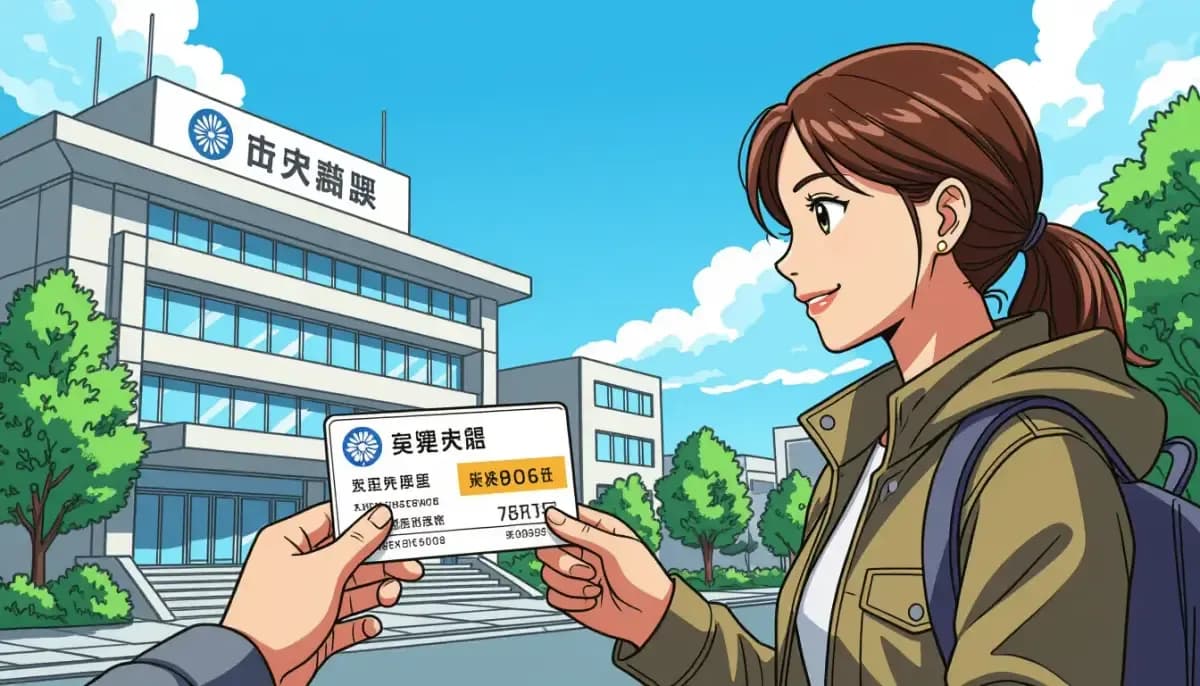
Long Term Resident Status in Japan Explained
Understand Japan's Long-Term Resident status (定住者). Learn who qualifies (Nikkei, divorced spouses), required documents, how to apply, and the pathway to permanent residency.
Read more →