
How to Ship Your Belongings to Japan

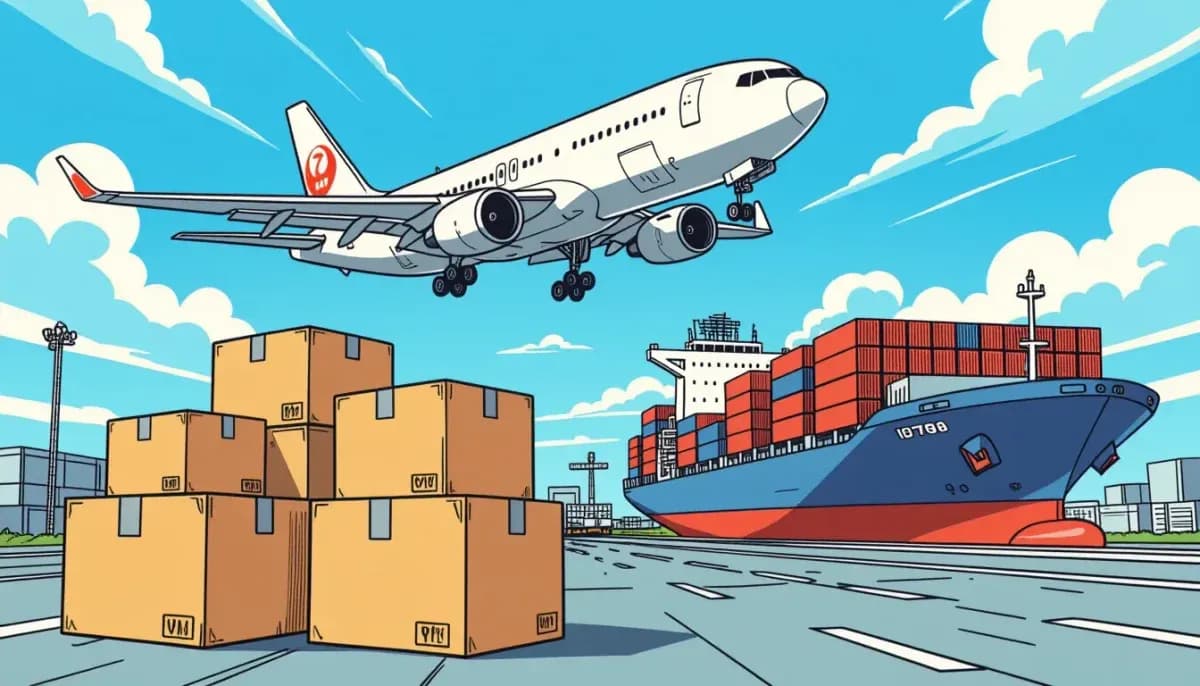
Learn how to ship your belongings to Japan including shipping methods, costs, customs regulations, packing tips, and timelines for foreigners moving to Japan.
How to Ship Your Belongings to Japan
Moving to Japan is an exciting step, but figuring out how to get all your belongings across the ocean can feel overwhelming. Whether you are relocating for work, study, or a fresh start, choosing the right shipping method and understanding Japanese customs regulations will save you time, money, and stress. This guide covers everything you need to know about shipping your personal items to Japan as a foreigner.
Choosing the Right Shipping Method
The first decision you need to make is how to ship your belongings. Each method has different costs, delivery times, and weight limits. Your choice depends on how much you are sending, your budget, and how quickly you need your items to arrive.
!Choosing the Right Shipping Method - illustration for How to Ship Your Belongings to Japan
Sea freight is the most popular option for larger shipments. It is affordable for heavy or bulky items, but delivery takes 4 to 8 weeks depending on your origin country. You can choose between a Full Container Load (FCL) for an entire household or a Less-than-Container Load (LCL) where your items share space in a container with other shipments. LCL is more cost-effective for smaller moves.
Air freight is the fastest option, with delivery times of 1 to 2 weeks. However, it is significantly more expensive than sea freight and typically charges by volumetric weight. Air freight makes sense for essential items you need immediately after arriving. Services like My Baggage offer competitive air freight rates for expats.
Postal services like USPS, Royal Mail, or your country's national post offer an affordable option for shipping individual boxes. This method works well if you are sending a few boxes of personal items rather than a full household.
Door-to-door moving services from companies like Yamato Transport (Kuroneko), Seven Seas Worldwide, or My Baggage handle everything from packing to customs clearance. These services are convenient but come at a premium price. For more details about setting up your life after arrival, check out our first week in Japan survival guide.
Shipping Costs Breakdown
Costs vary widely depending on the method, weight, and origin country. Here is a comparison of typical shipping costs to help you budget your move. For a full overview of relocation expenses, see our guide on how much it costs to move to Japan.
!Shipping Costs Breakdown - illustration for How to Ship Your Belongings to Japan
| Shipping Method | Cost Estimate | Delivery Time | Best For |
|---|---|---|---|
| Sea Freight (LCL) | $500–$2,000 per cubic meter | 4–8 weeks | Large shipments, furniture |
| Sea Freight (FCL 20ft) | $2,000–$5,000 | 4–8 weeks | Full household moves |
| Air Freight | $5–$10 per kg | 1–2 weeks | Essential items, documents |
| USPS Priority Mail (2lb) | ~$75 | 6–10 business days | Small packages from USA |
| FedEx International (2lb) | ~$52 | 6–10 business days | Small packages, tracked |
| UPS Worldwide Saver (2lb) | ~$54 | 2–5 business days | Fast small packages |
| Door-to-Door Service | $1,500–$8,000+ | 2–8 weeks | Full-service convenience |
Keep in mind that fuel surcharges and peak season rates can add 15 to 20 percent to base shipping costs. Always request quotes from multiple companies before committing. You can learn more about postal and delivery services in Japan at Living in Nihon.
Understanding Japanese Customs Regulations
Japan has strict customs rules, so understanding them before shipping is essential. The Expatica relocation guide provides additional details on customs procedures. The good news is that used personal belongings are generally exempt from import duty and consumption tax if you meet these conditions:
- You have lived outside Japan for at least 6 months
- You hold a valid Japanese residence status
- Your belongings arrive within 6 months of your entry to Japan
- Items have been in your personal use
Japan uses the CIF (Cost, Insurance, and Freight) method for calculating customs duties, meaning taxes are based on the value of goods plus shipping costs. The de minimis threshold is 10,000 JPY (approximately $70 USD), so packages valued below this amount may be exempt from duties.
Required documents for customs clearance:
- Customs declaration form (CN22 or CN23 for postal shipments)
- Detailed packing list with item descriptions and values
- Copy of your passport and visa
- Duty-free import application (Unaccompanied Baggage Declaration)
Make sure to prepare all your essential documents before moving to Japan. For information about housing and living infrastructure, visit For Work in Japan's housing guide.
What You Can and Cannot Ship to Japan
Japan prohibits or restricts many items from entering the country. Sending prohibited items can result in your entire shipment being seized or heavy fines of up to 500,000 JPY.
Prohibited items:
- Narcotics and controlled substances
- Firearms and ammunition
- Counterfeit goods
- Obscene materials
- Fresh fruits, vegetables, and meat products
- Certain plants and soil
Restricted items (require special permits):
- Prescription medications (bring documentation from your doctor)
- Alcohol (limited quantities duty-free)
- Tobacco products
- Cosmetics in large quantities
- Pet food containing certain ingredients
Items to leave behind:
- Large furniture that will not fit Japanese apartments (see our guide on Japanese apartment layouts)
- Electronics that are incompatible with Japan's 100V power supply
- Excessive clothing for all seasons — Japanese apartments have limited closet space
For a detailed comparison of whether to bring or buy items locally, read our guide on buying vs shipping furniture to Japan.
How to Pack for International Shipping
Proper packing reduces the risk of damage and speeds up customs clearance. International shipments go through rough handling, so invest time in packing carefully.
Packing tips:
- Use sturdy double-walled cardboard boxes
- Wrap fragile items individually with bubble wrap and packing paper
- Fill empty spaces with packing peanuts or air pillows
- Label every box clearly with contents in English and Japanese if possible
- Place a backup inventory list inside each box
- Do not mix personal items with new purchased goods in the same box
Create a detailed inventory list for each box. Japanese customs officers may inspect your shipment, and a clear list speeds up the process. Include item descriptions, approximate values, and whether items are new or used. Keep copies of your inventory with you when you enter Japan.
Consider shipping insurance for valuable items. Standard carrier coverage typically covers $0 to $100 for free, with additional coverage costing approximately $1 to $2 per $100 of declared value. Third-party insurance providers often offer competitive rates for international shipments.
Step-by-Step Shipping Timeline
Planning your shipping timeline is crucial because sea freight takes weeks to arrive. Here is a recommended schedule for your move. You can also use our pre-move checklist to stay organized.
| Weeks Before Move | Action |
|---|---|
| 12–8 weeks | Get quotes from shipping companies; decide on method |
| 8–6 weeks | Declutter and decide what to ship vs. sell vs. donate |
| 6–4 weeks | Purchase packing supplies; begin packing non-essentials |
| 4–2 weeks | Pack remaining items; schedule pickup or drop-off |
| 2–1 weeks | Ship sea freight; prepare carry-on essentials |
| 1 week | Ship air freight for immediate-need items |
| Arrival day | Carry essential documents, medications, and 1–2 weeks of clothing |
If you are moving to Japan alone, consider shipping fewer items and purchasing essentials locally. Those moving with family will likely need a larger shipment.
Tips to Save Money on Shipping
Shipping internationally is expensive, but there are ways to cut costs:
- Ship fewer items. Evaluate whether each item is worth shipping. Many household goods are cheaper to buy in Japan than to ship.
- Use LCL sea freight for medium-sized shipments instead of paying for a full container.
- Compare at least 3 to 5 quotes from different shipping companies.
- Avoid peak moving seasons (March–April and August–September) when rates are highest.
- Consolidate shipments into fewer, larger boxes rather than many small packages.
- Check if your employer covers relocation costs. Many companies that sponsor your work visa also provide moving allowances.
- Use Japan Post for small shipments. Surface mail (SAL) from many countries is the cheapest postal option, though it takes 1 to 3 months.
For more on managing your finances during the move, check our guides on banking in Japan and understanding Japan move-in costs. You can also find career and relocation resources at Ittenshoku for IT professionals considering a move to Japan.
Receiving Your Shipment in Japan
Once your items arrive in Japan, the process is not over yet. Here is what to expect:
Customs clearance: Your shipping company will usually handle customs paperwork, but you may need to provide additional documents. If you filed an Unaccompanied Baggage Declaration at the airport when you arrived, customs clearance is faster.
Delivery scheduling: Japanese delivery services are extremely punctual. You will receive a notification with a delivery window, and you can often reschedule online or by phone. Learn more about Japan's transportation and delivery systems.
Inspection: Customs may open and inspect some boxes. This is normal and does not mean anything is wrong. Keep your inventory list handy to verify contents.
After delivery: Check all items against your inventory immediately. If anything is damaged or missing, document it with photos and contact your shipping company within the timeframe specified in your contract (usually 7 to 14 days).
Once you have your belongings, the next step is getting settled. Make sure to register at your local city hall within 14 days of moving in, and start setting up your daily life in Japan.
Frequently Asked Questions
How long does shipping to Japan take? Air freight takes 1 to 2 weeks, while sea freight takes 4 to 8 weeks depending on your origin country and port.
Can I ship my car to Japan? Yes, but it is complicated and expensive (starting at $1,095 for Roll-on/Roll-off service). Japan also requires vehicles to pass a shaken inspection, and left-hand drive cars face additional restrictions.
Do I have to pay customs duty on personal belongings? Used personal items are generally duty-free if you meet the requirements: lived abroad 6+ months, valid residency, and items arrive within 6 months of entry. New items may be taxed.
What is the cheapest way to ship to Japan? Sea freight LCL is the cheapest for larger shipments. For small packages, postal surface mail is the most affordable option. Always compare quotes from multiple shipping services.
Should I ship furniture to Japan? In most cases, no. Japanese apartments are much smaller than Western homes, and buying furniture locally is often cheaper than shipping. Focus on shipping sentimental or irreplaceable items.

Originally from Vietnam, living in Japan for 16+ years. Graduated from Nagoya University, with 11 years of professional experience at Japanese and international companies. Sharing information about living in Japan for foreigners.
View Profile →Related Articles
Buying vs Shipping Furniture When Moving to Japan
Should you ship furniture to Japan or buy new? Compare costs, timelines, and options including Nitori, IKEA, recycle shops, and rental services for foreigners moving to Japan.
Read more →
Registering at City Hall After Moving to Japan
Step-by-step guide to registering your address at city hall in Japan as a foreigner. Learn the 14-day deadline, required documents, My Number process, and tips for a smooth registration.
Read more →
How to Find a Guarantor in Japan as a Foreigner
Complete guide to finding a guarantor (hoshonin) in Japan as a foreigner. Compare guarantor companies like GTN, learn costs, required documents, and alternatives like UR housing and shared houses.
Read more →
Japan Move-In Costs Explained for Foreigners
Understand every move-in cost when renting an apartment in Japan. Breakdown of security deposit, key money, agent fees, and proven strategies to save money as a foreigner.
Read more →
Essential Documents You Need Before Moving to Japan
Complete checklist of essential documents you need before moving to Japan including visa paperwork, COE, financial documents, medical records, and post-arrival registration requirements.
Read more →
Best Cities in Japan for Foreign Residents
Compare the best cities in Japan for foreign residents including Tokyo, Osaka, Fukuoka, Yokohama, Kyoto, and Sapporo. Cost of living, jobs, and lifestyle comparison for expats.
Read more →