
Your First Week in Japan Survival Guide

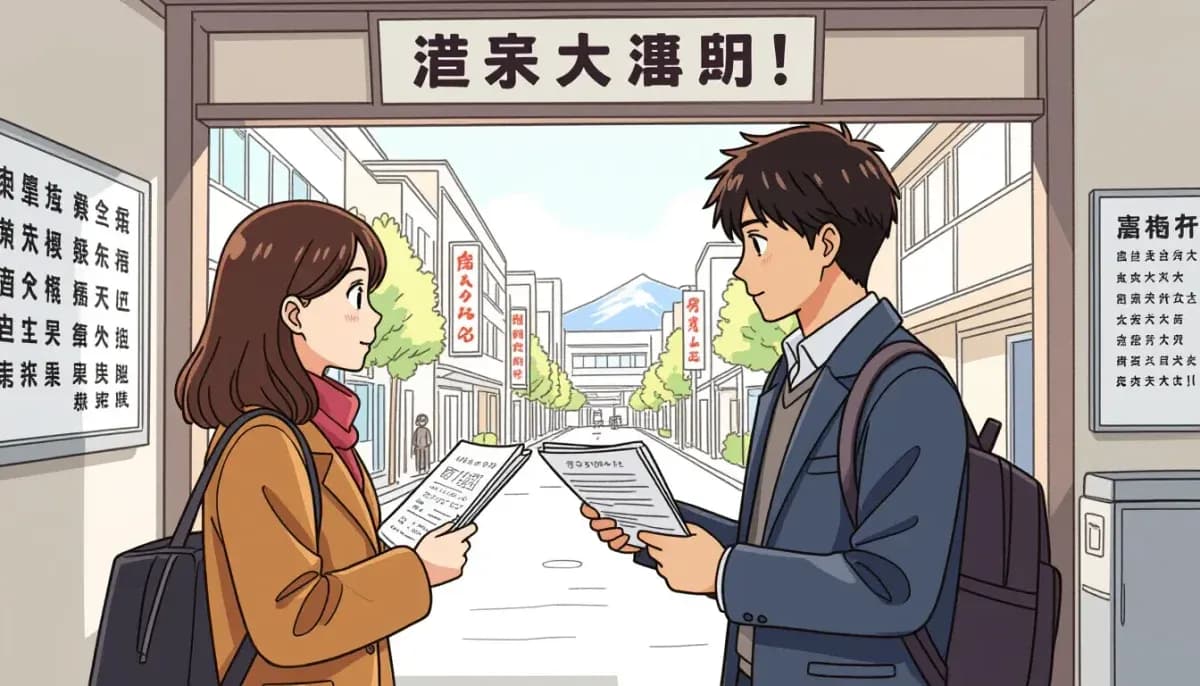
A day-by-day survival guide for your first week in Japan as a foreigner. Covers ward office registration, bank accounts, phone setup, housing essentials, and cultural tips to help you settle in smoothly.
Your First Week in Japan Survival Guide
Moving to Japan is one of the most exciting decisions you will ever make, but the first week can feel overwhelming. Between jet lag, language barriers, and a mountain of paperwork, it is easy to feel lost. This guide walks you through everything you need to do during your first seven days in Japan so you can settle in smoothly and start enjoying your new life.
Whether you are arriving on a work visa, student visa, or spouse visa, these steps apply to almost every foreigner relocating to Japan. Follow this day-by-day checklist and you will have all the essentials covered before the week is over.
Day 1: Arrival at the Airport and Getting to Your New Home
Your first task begins at the airport. When you pass through immigration, you will receive your Residence Card (zairyu card). This small card is arguably the most important document you will carry in Japan, so keep it safe at all times.
Here is what to do before leaving the airport:
- Get your Residence Card stamped at immigration
- Exchange currency or withdraw yen from an ATM (7-Eleven ATMs accept most international cards)
- Buy an IC card such as Suica or PASMO and load at least 1,000 yen for train travel
- Pick up a temporary SIM card or pocket Wi-Fi from airport vendors
Once you have yen, an IC card, and internet access, take the train to your new home. If you have heavy luggage, consider using a takkyubin (luggage delivery service) to ship bags directly to your address for around 2,000 yen per suitcase. This makes navigating the train system much easier on your first day.
For detailed visa information, check out our complete guide to Japan visa and immigration.
Day 2: Ward Office Registration — The Most Important Task
Registering your address at your local city hall or ward office (kuyakusho) is the single most critical administrative task of your first week. By law, you must complete this within 14 days of moving into your permanent residence.
What to Bring
| Document | Required? | Notes |
|---|---|---|
| Residence Card | Yes | Received at airport immigration |
| Passport | Yes | With valid visa stamp |
| Proof of Address | Recommended | Rental contract or letter from landlord |
| Hanko (Personal Seal) | Optional | Katakana name stamp; useful but not always required |
| My Number Notification | No | You will receive this after registration |
What Happens at the Ward Office
- Submit a moving-in notification (tennyuu todoke) at the resident registration counter
- Your address will be printed on the back of your Residence Card
- You will be directed to the National Health Insurance counter to enroll
- You will receive information about your My Number card, which arrives by mail later
The ward office staff are generally patient with foreigners and many offices have multilingual support or translation tablets. Arrive early in the morning to avoid long waits.
For more about healthcare enrollment in Japan, see our dedicated guide.
Day 3: Opening a Bank Account
A Japanese bank account is essential for receiving salary, paying rent, and setting up automatic bill payments. Japan Post Bank (Yucho Bank) is the easiest option for newcomers because branches exist inside nearly every post office across the country.
Requirements for Opening an Account
- Residence Card with registered address
- Passport
- Hanko or signature (Japan Post accepts signatures from foreigners)
- Phone number (even a temporary one works)
Some banks require you to have lived in Japan for at least six months, but Japan Post Bank and Shinsei Bank often accept applications from new arrivals. If you need to send money internationally, consider services like Wise or Revolut alongside your Japanese account.
Read our full banking and finance guide for foreigners in Japan for detailed comparisons of Japanese banks.
Day 4: Getting a Phone Plan and Internet Connection
Having reliable mobile service is not optional in Japan. You will need a phone number for everything from bank verification to restaurant reservations. The three major carriers are Docomo, SoftBank, and AU (KDDI), but budget MVNOs like Rakuten Mobile, IIJmio, and LINE Mobile offer much cheaper plans.
Phone Plan Comparison
| Provider | Monthly Cost | Data | Contract | English Support |
|---|---|---|---|---|
| Rakuten Mobile | ~3,278 yen | Unlimited | No contract | Limited |
| IIJmio | ~990 yen | 2GB | No contract | Limited |
| Docomo (ahamo) | ~2,970 yen | 20GB | No contract | Yes |
| SoftBank (LINEMO) | ~990 yen | 3GB | No contract | Yes |
| AU (povo) | ~990 yen | 3GB | No contract | Limited |
For your home internet, NTT Flets Hikari and NURO Hikari are popular fiber options, though installation can take two to four weeks. In the meantime, your mobile data or pocket Wi-Fi will keep you connected.
To learn more about daily life essentials in Japan, check our comprehensive guide.
Day 5: Setting Up Your Living Space
If you moved into an unfurnished apartment, day five is a great time to stock up on household essentials. Japan has excellent budget-friendly stores where you can furnish your entire apartment without breaking the bank.
Where to Shop
- Daiso, Seria, CanDo — 100-yen stores for kitchen items, cleaning supplies, storage containers, and small household goods
- Nitori — Japan's answer to IKEA, offering affordable furniture, bedding, curtains, and home accessories
- Don Quijote (Donki) — A discount chain selling everything from electronics to toiletries at competitive prices
- Recycle shops (risaikuru shoppu) — Secondhand stores like Hard Off and Treasure Factory where you can find appliances, furniture, and electronics at steep discounts
Do not forget to learn your neighborhood's garbage sorting rules. Japan takes recycling seriously, and each municipality has its own schedule and categories. Your ward office should have provided a garbage calendar during registration. You can also find resources about housing options in Japan on our site.
For insights on managing expenses, read our cost of living in Japan guide.
Day 6: Exploring Your Neighborhood and Transportation
By day six, you should start getting familiar with your local area. Walk around and locate these essential spots:
- Nearest train station — Learn the lines and transfer points for your commute
- Supermarkets — Chains like Life, Seiyu, Aeon, and OK Store offer good value
- Convenience stores — FamilyMart, 7-Eleven, and Lawson are lifesavers for quick meals, ATM access, bill payments, and package pickup
- Clinic or hospital — Find a nearby medical facility that accepts your National Health Insurance
- Post office — Useful for banking (Japan Post), sending packages, and receiving deliveries
- Koban (police box) — Your local koban can help with directions and is important to know for emergencies
Japan's public transportation system is world-class but can feel intimidating at first. Download Google Maps or Yahoo! Transit apps to navigate train lines easily. Your IC card works on virtually all trains, buses, and even some vending machines.
Learn more about getting around in our transportation in Japan guide.
Day 7: Cultural Basics and Social Customs
Your first week is also the perfect time to learn some essential cultural norms that will make your life in Japan much smoother.
!Day 7: Cultural Basics and Social Customs - illustration for Your First Week in Japan Survival Guide
Key Cultural Rules
- Remove your shoes when entering homes, many restaurants, temples, and some workplaces. Look for a genkan (entryway) and slippers
- Bow when greeting people, especially in professional settings. A slight nod works for casual encounters
- Do not tip — Tipping is not customary in Japan and can even be considered rude
- Keep your voice down on public transportation. Talking on the phone on trains is considered very impolite
- Carry cash — Despite growing cashless options, many small shops, restaurants, and clinics still only accept cash
- Sort your garbage — Follow your local garbage schedule strictly
Omiyage: The Gift-Giving Custom
When you meet your new neighbors or coworkers for the first time, it is a nice gesture to bring omiyage (small gifts). These are typically sweets or snacks from your home country or a well-known local brand. A box of cookies or chocolates from your country goes a long way in building goodwill.
For deeper insights into Japanese customs, visit our Japanese culture and etiquette guide. You might also find our guide on making friends and social life in Japan helpful for building connections.
First Week Checklist at a Glance
| Day | Priority Task | Status |
|---|---|---|
| Day 1 | Airport arrival, IC card, SIM card, get to your home | Essential |
| Day 2 | Ward office registration, health insurance enrollment | Critical — Legal requirement |
| Day 3 | Open bank account (Japan Post Bank recommended) | High priority |
| Day 4 | Get a phone plan and arrange home internet | High priority |
| Day 5 | Buy household essentials, learn garbage rules | Important |
| Day 6 | Explore neighborhood, learn transportation routes | Important |
| Day 7 | Learn cultural basics, bring omiyage to neighbors | Recommended |
Bonus Tips for a Smooth First Week
Here are some extra tips that experienced expats wish they had known:
- Keep copies of all documents — Photograph your Residence Card, passport, and rental contract. Store them in cloud storage as backup. Go! Go! Nihon's arrival guide is an excellent resource for detailed checklists
- Download translation apps — Google Translate with the camera feature can read Japanese text in real time, which is invaluable for reading signs, menus, and mail
- Visit a 100-yen store first — Before buying household items at full price, check Daiso or Seria. You will be amazed at what you can find for just 100 yen
- Learn basic Japanese phrases — Even simple phrases like "sumimasen" (excuse me), "arigatou gozaimasu" (thank you), and "eigo de daijoubu desu ka" (is English okay?) will earn you goodwill. See our guide to learning Japanese for more
- Join expat communities — Facebook groups, Reddit's r/japanlife, and local international associations can provide invaluable advice and social connections. Tokyo Room Finder's expat guide also offers practical first-week advice
For additional support, organizations like foreigner support NPOs can help you navigate bureaucratic challenges. You can also explore housing comparison resources if you are still deciding between different living arrangements. If you are considering a career change in the IT sector, resources like Ittenshoku offer guidance on job transitions in Japan.
What Comes After the First Week
Once you survive your first week, the next priorities include:
- Getting your My Number card — Apply at the ward office once you receive the notification
- Setting up utility autopay — Link your bank account to electricity, gas, water, and internet bills
- Finding a doctor and dentist — Register with local clinics before you actually need them
- Starting Japanese lessons — Even basic Japanese dramatically improves your daily experience
Your first week in Japan sets the foundation for everything that follows. By tackling these essential tasks systematically, you free yourself to actually enjoy living in one of the most fascinating countries in the world. The paperwork may feel tedious, but every stamp on your Residence Card and every form you submit brings you one step closer to feeling at home.
For a broader overview of the relocation process, visit our complete guide to moving to Japan.

Originally from Vietnam, living in Japan for 16+ years. Graduated from Nagoya University, with 11 years of professional experience at Japanese and international companies. Sharing information about living in Japan for foreigners.
View Profile →Related Articles
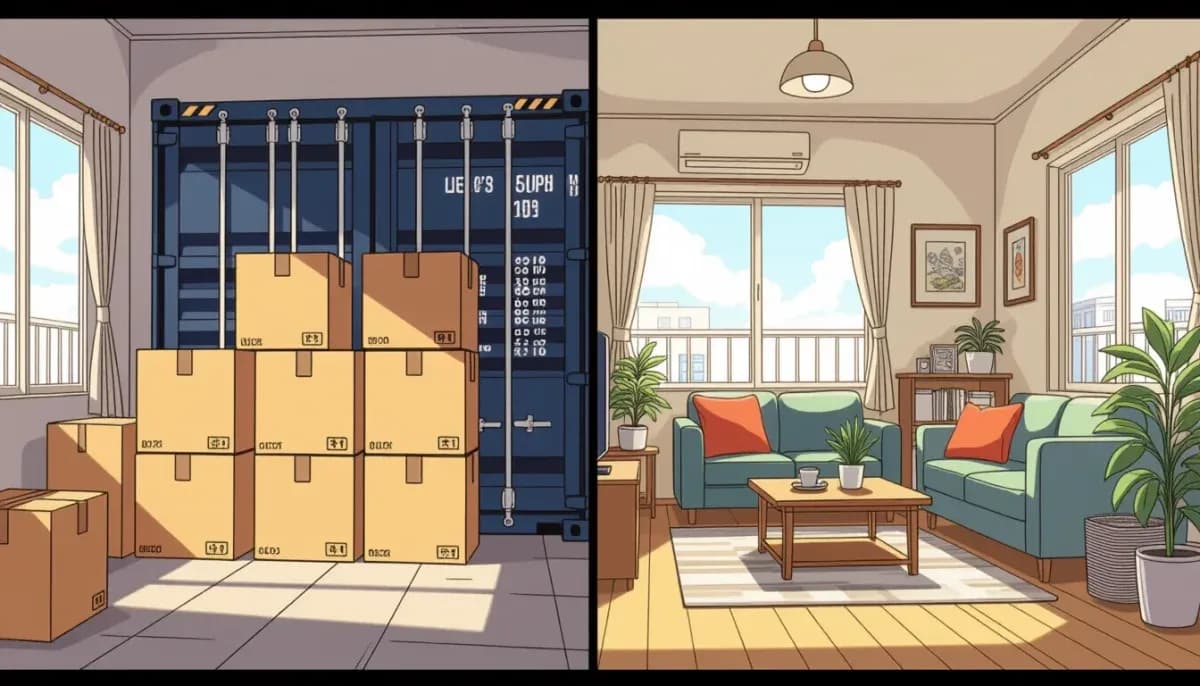
Buying vs Shipping Furniture When Moving to Japan
Should you ship furniture to Japan or buy new? Compare costs, timelines, and options including Nitori, IKEA, recycle shops, and rental services for foreigners moving to Japan.
Read more →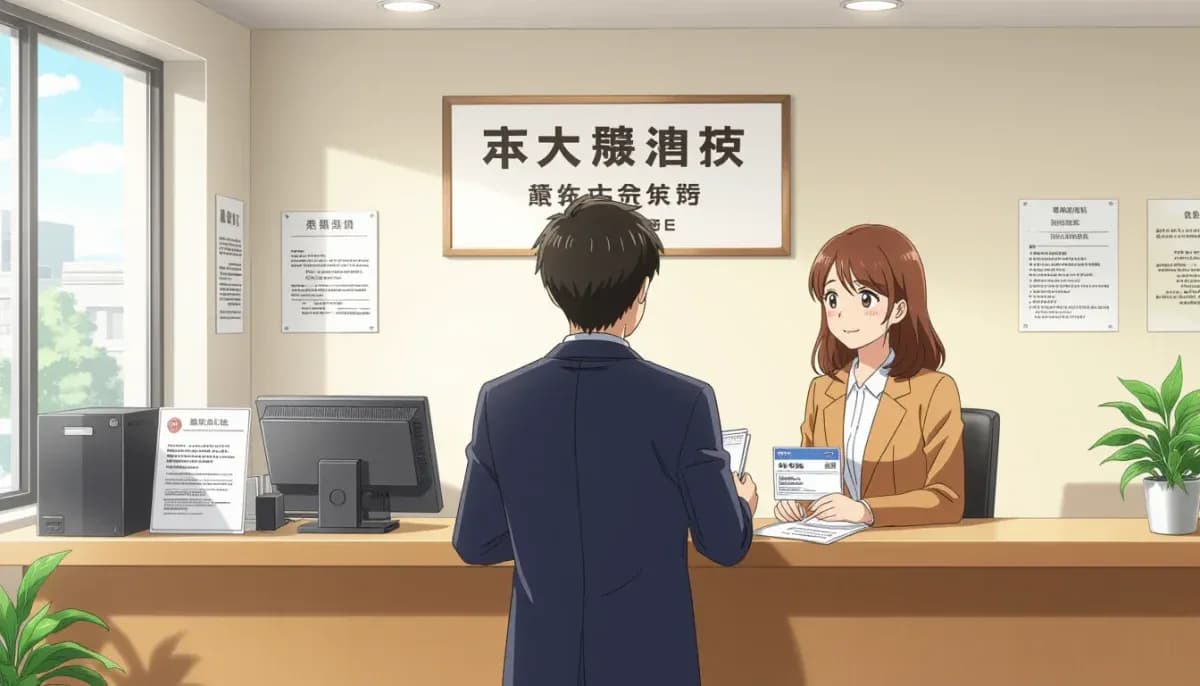
Registering at City Hall After Moving to Japan
Step-by-step guide to registering your address at city hall in Japan as a foreigner. Learn the 14-day deadline, required documents, My Number process, and tips for a smooth registration.
Read more →
How to Find a Guarantor in Japan as a Foreigner
Complete guide to finding a guarantor (hoshonin) in Japan as a foreigner. Compare guarantor companies like GTN, learn costs, required documents, and alternatives like UR housing and shared houses.
Read more →
Japan Move-In Costs Explained for Foreigners
Understand every move-in cost when renting an apartment in Japan. Breakdown of security deposit, key money, agent fees, and proven strategies to save money as a foreigner.
Read more →
Essential Documents You Need Before Moving to Japan
Complete checklist of essential documents you need before moving to Japan including visa paperwork, COE, financial documents, medical records, and post-arrival registration requirements.
Read more →
Best Cities in Japan for Foreign Residents
Compare the best cities in Japan for foreign residents including Tokyo, Osaka, Fukuoka, Yokohama, Kyoto, and Sapporo. Cost of living, jobs, and lifestyle comparison for expats.
Read more →