
Buying vs Shipping Furniture When Moving to Japan

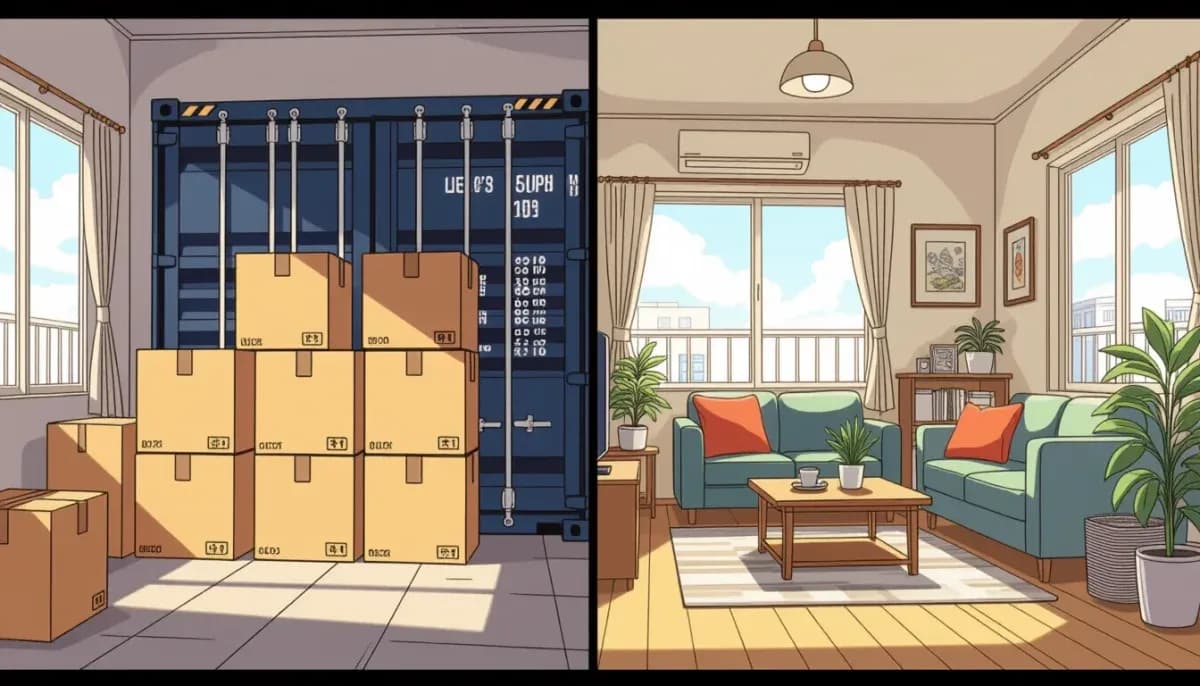
Should you ship furniture to Japan or buy new? Compare costs, timelines, and options including Nitori, IKEA, recycle shops, and rental services for foreigners moving to Japan.
Buying vs Shipping Furniture When Moving to Japan
Moving to Japan is exciting, but one of the most practical decisions you will face is what to do about furniture. Should you ship your existing furniture from your home country, or buy everything new once you arrive? The answer depends on your budget, timeline, apartment size, and how long you plan to stay. This guide breaks down the costs, pros, cons, and best strategies so you can make the smartest choice for your move.
If you are still planning the logistics of your relocation, check out our complete moving to Japan guide for a full overview of everything you need to prepare.
Why Japanese Apartments Are Different
Before deciding whether to ship or buy, you need to understand a fundamental truth: Japanese apartments are significantly smaller than homes in North America, Europe, or Australia. A standard one-room apartment in Tokyo might be just 20 to 25 square meters, and even family-sized apartments rarely exceed 70 square meters.
This means your king-size bed, oversized sofa, and large dining table from back home may literally not fit through the door. Japanese doorways, hallways, and elevators are narrower than Western standards. Even if furniture fits inside, it can overwhelm a small room and make daily life uncomfortable.
Before shipping anything, measure the dimensions of your new apartment carefully. Our guide to understanding Japanese apartment layouts explains the unique floor plan system used in Japan, including what those LDK numbers actually mean.
The True Cost of Shipping Furniture to Japan
International shipping costs are calculated primarily by volume, not weight. Here are real-world cost examples based on recent data:
| Scenario | Origin | Volume | Approximate Cost |
|---|---|---|---|
| Single person, minimal items | Hong Kong | ~4 cubic meters | ¥400,000 (~$2,700) |
| Couple, no large furniture | France | ~6 cubic meters | ¥600,000 (~$4,000) |
| Family with furniture | Hong Kong | ~50 cubic meters | ¥700,000 (~$4,700) |
| Full household, 20ft container | USA East Coast | 30 cubic meters | $5,000–$12,000+ |
The key number to remember is 30 cubic meters, which is the maximum that fits in a standard 20-foot shipping container. Once you exceed this, costs jump significantly because you need a larger container or multiple shipments.
Shipping Timeline by Origin
Sea freight is the most affordable option, but it takes time:
- USA/Canada East Coast or Europe: 8–9 weeks
- USA/Canada West Coast or Australia: 6–7 weeks
- Nearby Asian countries: 4–5 weeks
Air freight is faster but dramatically more expensive, typically three to five times the cost of sea freight. Most expats only use air freight for essentials they need immediately.
For a detailed breakdown of shipping logistics, see our guide on how to ship your belongings to Japan. You should also review how much it costs to move to Japan for a complete budget picture.
The Cost of Buying Furniture in Japan
Japan has an excellent range of affordable furniture stores, and buying new locally is often cheaper than shipping. Here is a price comparison of popular stores:
| Store | Style | Price Range (2-Seat Sofa) | Best For |
|---|---|---|---|
| IKEA | Scandinavian, modern | ¥10,000–¥20,000 | Budget flat-pack furniture |
| Nitori | Japanese functional | ¥20,000–¥30,000 | Compact, apartment-sized items |
| Muji | Minimalist, clean | ¥50,000–¥60,000 | Quality minimalist design |
| Recycle shops | Varies | ¥3,000–¥15,000 | Budget second-hand bargains |
| Sayonara sales | Varies | Free–¥10,000 | Departing expat deals |
Nitori is often the best choice for foreigners setting up a Japanese apartment. With over 1,000 stores across Japan, their products are specifically designed for compact Japanese living spaces. They offer free delivery on orders over ¥11,000 and paid assembly for approximately ¥2,750 per item. You can learn more about shopping options in our complete guide to shopping in Japan.
Purchasing the bare necessities for a Japanese apartment, including basic furniture, bedding, kitchen items, and small appliances, typically costs around ¥200,000 to ¥300,000. This is often less than the cost of shipping a partial container from overseas.
Where to Buy Affordable Furniture in Japan
Major Retail Chains
Nitori is Japan's answer to IKEA, generating over $6 billion in annual revenue. Their compact wardrobes, slim desks, and modular storage units are designed specifically for Japanese apartment dimensions. Browse their full catalog at Nitori's online store.
IKEA Japan has locations in major cities including Harajuku and Shibuya in Tokyo. Prices are competitive, but be aware that some Western-sized IKEA products may be too large for typical Japanese apartments. Avoid visiting on weekends when stores are extremely crowded.
Muji offers a no-brand, minimalist aesthetic with an emphasis on sustainability and recycling. Mid-range pricing makes it ideal if you want clean, contemporary Japanese design.
Second-Hand and Budget Options
Recycle shops (リサイクルショップ) are found throughout Japan and sell used furniture, appliances, and household goods at steep discounts. A second-hand washing machine costs around ¥10,000, roughly half the price of buying new. Look for signs reading リサイクル in any neighborhood.
Sayonara sales are informal sales held by expats leaving Japan. These are posted on platforms like GaijinPot Classifieds, Facebook groups, and Craigslist Tokyo. You can often get quality furniture for free or near-free prices.
Online platforms such as Amazon Japan, Rakuten, and Mercari offer extensive furniture selections with home delivery. Mercari is particularly useful for second-hand items where you can negotiate prices directly with sellers.
For comprehensive information about housing and furnishing your home, check out the housing and living infrastructure guide at For Work in Japan.
Furniture Rental: The Smart Temporary Solution
If you are unsure how long you will stay in Japan, furniture rental is an increasingly popular option. Rental services provide complete furnishing packages including furniture, appliances, bedding, curtains, and lighting for just a few hundred yen per month per item.
This is dramatically cheaper than buying everything upfront, and you have zero disposal responsibility when you leave. Many multinational companies use rental services when relocating employees to Japan. Rental also works well as a temporary bridge while waiting for shipped items to arrive.
The Plaza Homes furniture guide provides detailed information about rental services with English-speaking support, which is invaluable when first arriving in Japan.
Shipping vs Buying: A Direct Comparison
Here is a side-by-side comparison to help you decide:
| Factor | Shipping from Home | Buying in Japan |
|---|---|---|
| Cost | ¥400,000–¥1,500,000+ | ¥200,000–¥400,000 |
| Timeline | 4–9 weeks transit | Available immediately |
| Size fit | Risk of items not fitting | Designed for Japanese spaces |
| Emotional value | Keep familiar belongings | Start fresh |
| Disposal on departure | Must sell or ship again | Easier to sell locally |
| Customs duty | Usually duty-free for personal items | No import concerns |
| Environmental impact | High carbon footprint | Lower footprint |
| Convenience | Must coordinate international logistics | Walk into store and buy |
For most foreigners moving to Japan for one to three years, buying locally is the more practical and affordable choice. Shipping makes more sense if you own high-value furniture, are moving permanently, or are relocating with a family and company sponsorship covering moving costs.
When planning what essentials to bring versus buy, our guide on what to pack when moving to Japan can help you prioritize.
Tips for Making the Best Decision
Ship only sentimental or high-value items. If you own an heirloom piece or expensive designer furniture, shipping may be worth it. For mass-market furniture, buying new in Japan is almost always cheaper.
Never ship large appliances. Voltage differences between countries mean your home appliances will not work properly in Japan without expensive converters. Japanese apartments also have specific hookups for washing machines and air conditioners that may not be compatible with foreign models.
Take advantage of your first month. During your first month living in Japan, explore local stores, recycle shops, and online classifieds before making big purchases. Prices and selection vary significantly between neighborhoods.
Budget for disposal fees. In Japan, you cannot simply leave unwanted furniture on the street. Large item disposal requires scheduling with your local ward office and paying disposal fees, typically ¥300 to ¥2,000 per item. Understanding move-out costs and restoration requirements is essential before you commit to large furniture purchases.
Consider your move-in costs. Japanese move-in costs including key money, deposit, and agent fees can total four to six months of rent. Factor furniture purchases into your overall budget so you are not caught short.
You can find additional career and lifestyle transition resources at Ittenshoku, which provides guidance for professionals making major life changes including international relocations.
Recommended Strategy by Situation
Short-term stay (under 1 year): Rent furnished apartment or use furniture rental service. Do not ship anything except personal items in suitcases.
Medium-term stay (1–3 years): Buy affordable furniture from Nitori, IKEA, or recycle shops. Ship only one or two small boxes of personal items via sea freight. Plan to sell furniture through sayonara sales when leaving.
Long-term or permanent move: Consider shipping a small selection of high-value or sentimental items. Buy the rest locally. If your company covers relocation costs, take advantage of the full shipping allowance.
Family relocation with company support: Use the company's relocation package to ship essential items, especially children's belongings. Supplement with local purchases for items that need to fit Japanese apartment dimensions.
For a complete overview of budgeting your move, read our guide on the cost of living in Japan, and make sure you have reviewed the pre-move checklist before departure.
Final Thoughts
The furniture question is ultimately about balancing cost, convenience, and comfort. Most experienced expats recommend selling or donating the majority of your furniture before moving and starting fresh in Japan. The money you save on shipping can be better spent on quality items that actually fit your new Japanese lifestyle.
Japanese furniture stores understand compact living better than anyone, and the second-hand market is excellent thanks to Japan's culture of maintaining items in good condition. Whether you choose Nitori's purpose-built apartment furniture, a curated collection from recycle shops, or a mix of new and sayonara sale finds, you will find that furnishing a Japanese home is easier and more affordable than most newcomers expect.
Start your journey with our complete guide to finding housing in Japan, and be sure to read about your first week in Japan so you know exactly what to prioritize when you arrive.

Originally from Vietnam, living in Japan for 16+ years. Graduated from Nagoya University, with 11 years of professional experience at Japanese and international companies. Sharing information about living in Japan for foreigners.
View Profile →Related Articles
Registering at City Hall After Moving to Japan
Step-by-step guide to registering your address at city hall in Japan as a foreigner. Learn the 14-day deadline, required documents, My Number process, and tips for a smooth registration.
Read more →
How to Find a Guarantor in Japan as a Foreigner
Complete guide to finding a guarantor (hoshonin) in Japan as a foreigner. Compare guarantor companies like GTN, learn costs, required documents, and alternatives like UR housing and shared houses.
Read more →
Japan Move-In Costs Explained for Foreigners
Understand every move-in cost when renting an apartment in Japan. Breakdown of security deposit, key money, agent fees, and proven strategies to save money as a foreigner.
Read more →
Essential Documents You Need Before Moving to Japan
Complete checklist of essential documents you need before moving to Japan including visa paperwork, COE, financial documents, medical records, and post-arrival registration requirements.
Read more →
Best Cities in Japan for Foreign Residents
Compare the best cities in Japan for foreign residents including Tokyo, Osaka, Fukuoka, Yokohama, Kyoto, and Sapporo. Cost of living, jobs, and lifestyle comparison for expats.
Read more →
How Much Does It Cost to Move to Japan
Complete cost breakdown for moving to Japan as a foreigner. Covers visa fees, flights, shipping, housing deposits, monthly expenses, and money-saving tips with real numbers in yen and USD.
Read more →