
How to Get a Guarantor Company in Japan

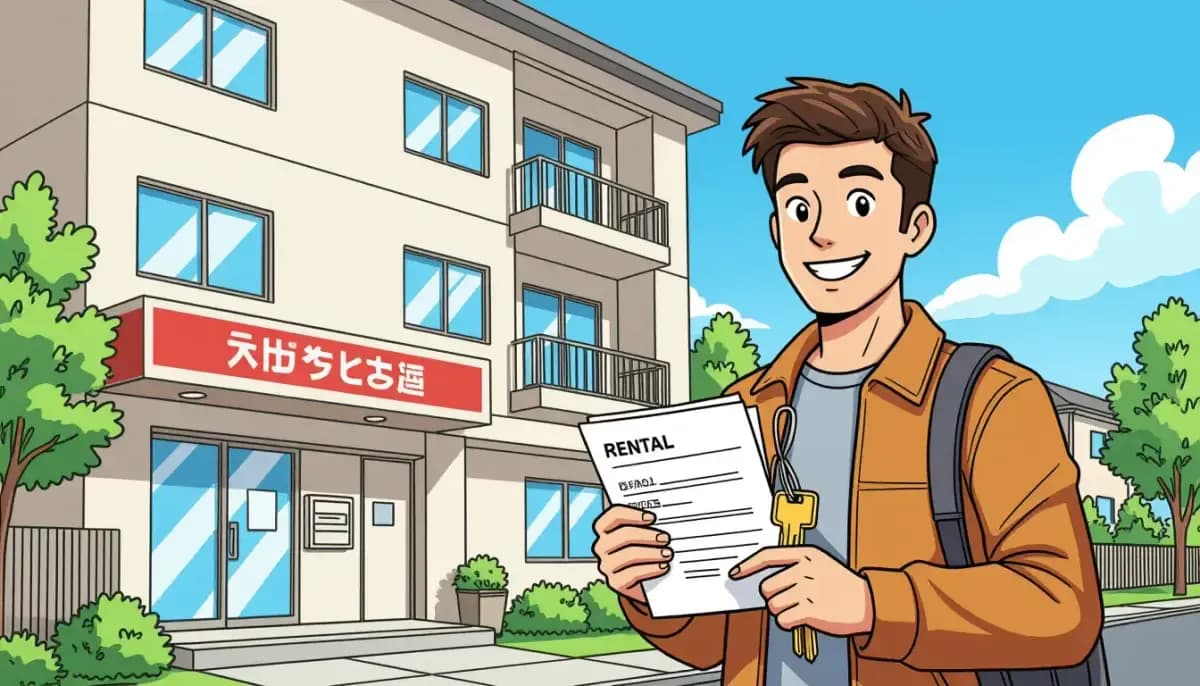
Complete guide to getting a guarantor company (hoshō kaisha) in Japan as a foreigner. Learn about types, costs, application process, required documents, and tips for approval.
How to Get a Guarantor Company in Japan: The Complete Guide for Foreigners
Renting an apartment in Japan as a foreigner comes with one major hurdle that trips up nearly everyone: the guarantor requirement. Most landlords in Japan require a guarantor (rentai hoshounin) who is a Japanese resident willing to take financial responsibility if you fail to pay rent. Since most foreigners do not have a Japanese family member or close contact who can fill this role, a guarantor company (hoshō kaisha) becomes the practical solution. This guide explains everything you need to know about finding, applying for, and getting approved by a guarantor company in Japan.
What Is a Guarantor Company (Hoshō Kaisha)?
A guarantor company is a private business that acts as your financial co-signer on a rental lease. If you cannot pay rent due to unforeseen circumstances, the guarantor company steps in and covers the payment to the landlord on your behalf. You then owe the guarantor company that amount instead.
This system has become the standard for apartment rentals across Japan. Even Japanese tenants increasingly use guarantor companies rather than asking family members. For foreigners, these companies are especially important because finding a personal guarantor who is a Japanese resident with stable income can be extremely difficult.
The guarantor company conducts its own screening of your application, separate from the landlord's screening. Once approved, you pay a fee and the company guarantees your lease for the contract period. For a deeper overview of the entire housing search process, check out our complete guide to finding housing in Japan.
Types of Guarantor Companies in Japan
Not all guarantor companies are the same. They fall into three main categories, each with different screening standards and approval rates for foreigners.
| Type | Screening Method | Difficulty for Foreigners | Examples |
|---|---|---|---|
| Credit Card Company-Affiliated | Uses CIC/JICC credit databases | Hardest — requires Japanese credit history | Orico Forrent Insure, Epos Card |
| LICC-Affiliated (Association) | Shares rental industry databases | Moderate — checks past rent payment records | LICC member companies |
| Independent Companies | Uses own internal criteria | Easiest — many actively support foreigners | GTN, Casa, Japan Safety, Four Seasons, J-Lease |
For most foreigners, independent guarantor companies are the best option. They do not rely on Japanese credit history databases, which means newcomers without any credit record in Japan still have a fair chance of approval. Companies like GTN (Global Trust Networks) specifically cater to foreign residents and offer multilingual customer support in over 10 languages.
How Much Does a Guarantor Company Cost?
Guarantor company fees are one of the many upfront costs of renting in Japan. Here is a breakdown of typical charges:
| Fee Type | Typical Amount | When You Pay |
|---|---|---|
| Initial Guarantee Fee | 50–100% of one month's rent | At move-in |
| Annual Renewal Fee | ¥10,000–¥20,000 | Every year |
| Monthly Administration Fee | ~¥500 (some companies) | Monthly |
| Late Payment Penalty | Varies by company | When applicable |
Example: For an apartment with ¥80,000 monthly rent, you can expect to pay ¥40,000–¥80,000 as the initial guarantee fee, plus ¥10,000–¥20,000 each year to renew.
These fees are non-refundable and are separate from key money, deposit, and agency fees. If you are concerned about the total cost of moving into a Japanese apartment, our cost of living in Japan guide covers all the expenses you should budget for.
How to Apply for a Guarantor Company
The application process is straightforward but requires preparation. Here are the steps:
Step 1: Find an Apartment You do not apply to a guarantor company independently. Your real estate agent submits the application on your behalf as part of the apartment application process.
Step 2: Submit Required Documents You will need to provide:
- Valid passport and residence card (zairyu card)
- Employment contract or offer letter
- Recent salary statements (usually 3 months)
- Tax withholding certificate (gensen chōshū-hyō)
- Emergency contact information (a person in Japan)
Step 3: Screening Process The guarantor company reviews your documents and may call you or your employer for verification. This typically takes 2–3 business days.
Step 4: Approval and Payment Once approved, you pay the guarantee fee. The guarantee contract begins simultaneously with your rental contract.
The entire process takes roughly one week from document submission to final approval. If you are new to Japan and still sorting out your visa situation, our Japan visa and immigration guide can help you understand the visa types that allow you to rent.
Tips for Getting Approved by a Guarantor Company
Rejection by a guarantor company means you cannot rent that apartment. Here are proven strategies to increase your chances:
Meet the Income Requirement Most guarantor companies require your annual income to be at least 36 times the monthly rent. For a ¥70,000/month apartment, you need at least ¥2,520,000 annual income. If your income is borderline, consider apartments with lower rent.
Prepare Bank Statements If you are self-employed, a freelancer, or recently started a new job, bring recent bank statements showing sufficient savings. This demonstrates financial stability even without a long employment history in Japan.
Choose the Right Company Ask your real estate agent which guarantor company the landlord uses. If it is a credit-card-affiliated company and you have no Japanese credit history, ask if an independent company is an option instead.
Answer the Verification Call When the guarantor company calls you for verification, make sure you answer. Missed calls can delay or derail your application.
Have Your Documents Ready Incomplete applications are a common reason for delays and rejections. Prepare all documents before you start apartment hunting. For tips on getting settled in Japan, see our guide to daily life in Japan.
Popular Guarantor Companies for Foreigners
Here are the most foreigner-friendly guarantor companies operating in Japan:
| Company | Languages Supported | Key Feature |
|---|---|---|
| GTN (Global Trust Networks) | 10+ languages | Most popular among foreigners |
| Casa | Multiple languages | Nationwide coverage |
| JID (Japan ID) | Japanese, English | Widely accepted by landlords |
| J-Lease | 17+ languages | Strong multilingual support |
| Four Seasons | Multiple languages | Easier screening criteria |
| InTrust | 25 languages | Broadest language support |
| Japan Safety | Multiple languages | Independent screening |
GTN is widely regarded as the go-to option for foreigners. They provide customer service in Japanese, English, Chinese, Korean, Vietnamese, Nepali, Portuguese, and more. Their screening criteria are designed with foreign residents in mind, considering factors beyond just Japanese credit history.
For additional details on guarantor options and fee structures, Selectra's guarantor guide and A-Realty's fee breakdown provide excellent references. You can also find general housing tips at For Work in Japan's housing guide.
Alternatives to Using a Guarantor Company
If you want to avoid the guarantor company system entirely, you do have some options:
UR (Urban Renaissance Agency) Apartments UR apartments are government-managed housing that does not require a guarantor, key money, or agency fees. The trade-off is that selection is limited and competition can be high, especially in popular areas like Tokyo and Osaka. Learn more about UR housing in Living in Nihon's public housing guide.
Company-Provided Housing Some employers, particularly those hiring foreign workers, provide company housing or dormitories. Teaching positions through programs like JET or major eikaiwa chains often include housing arrangements. Check our teaching English in Japan guide for details.
Share Houses and Guest Houses Share houses typically do not require a guarantor and often have shorter lease commitments. They are popular among newcomers who want to settle in before finding a regular apartment.
Employer as Guarantor In some cases, your employer may act as your guarantor. This is more common with larger companies that regularly hire foreign employees.
For information on navigating career changes and employer benefits in Japan, Ittenshoku covers useful resources for professional transitions.
Common Questions About Guarantor Companies
Can I be rejected by a guarantor company? Yes. Common reasons include insufficient income, short remaining visa duration, unstable employment, or a history of rent delinquency in Japan. If rejected, ask your agent to try a different guarantor company with less strict criteria.
Do I still need a guarantor if I have a Japanese spouse? In many cases, your Japanese spouse can serve as a personal guarantor, eliminating the need for a guarantor company. However, some landlords still require a guarantor company regardless.
What happens if I cannot pay rent? The guarantor company pays the landlord on your behalf, but you then owe the guarantor company. They will pursue collection from you, and non-payment can affect your ability to rent in the future.
Can I change my guarantor company mid-lease? Generally no. The guarantor company is tied to your lease contract. You would need to negotiate with your landlord and potentially sign a new contract.
Is the guarantor fee negotiable? The fee is set by the guarantor company and is typically non-negotiable. However, your real estate agent may have flexibility on other fees like agency commission.
Understanding financial matters in Japan, including banking and payments, is essential when renting. Our banking and finance guide can help you set up the accounts you need. For more tips on managing money, see GaijinPot's rental guarantor overview and Apts.jp's guarantor options guide.

Originally from Vietnam, living in Japan for 16+ years. Graduated from Nagoya University, with 11 years of professional experience at Japanese and international companies. Sharing information about living in Japan for foreigners.
View Profile →Related Articles
Tokyo Apartment Hunting Tips for Foreigners
Complete guide to finding an apartment in Tokyo as a foreigner. Learn about rental costs, required documents, guarantor system, best neighborhoods, and negotiation strategies for expats.
Read more →
Short Term Housing Options in Japan for Foreigners
Discover the best short term housing options in Japan for foreigners, including monthly apartments, share houses, serviced apartments, and vacation rentals with costs and tips.
Read more →
Furnished vs Unfurnished Apartments in Japan
Compare furnished and unfurnished apartments in Japan with detailed cost breakdowns, pros and cons, and practical tips for foreigners choosing the right rental option.
Read more →
Complete Guide to Moving Out of a Japanese Apartment
Step-by-step guide to moving out of a Japanese apartment as a foreigner. Learn about notice periods, security deposits, restoration fees, cleaning tips, and how to protect your deposit refund.
Read more →
Monthly Apartment Costs in Japan Fully Explained
Complete breakdown of monthly apartment costs in Japan including rent by city, utilities, internet, management fees, and budget-saving tips for foreign residents.
Read more →
UR Housing in Japan Complete Guide for Foreigners
Everything foreigners need to know about UR housing in Japan, including eligibility requirements, costs, application process, apartment types, and practical tips for a smooth move-in.
Read more →