


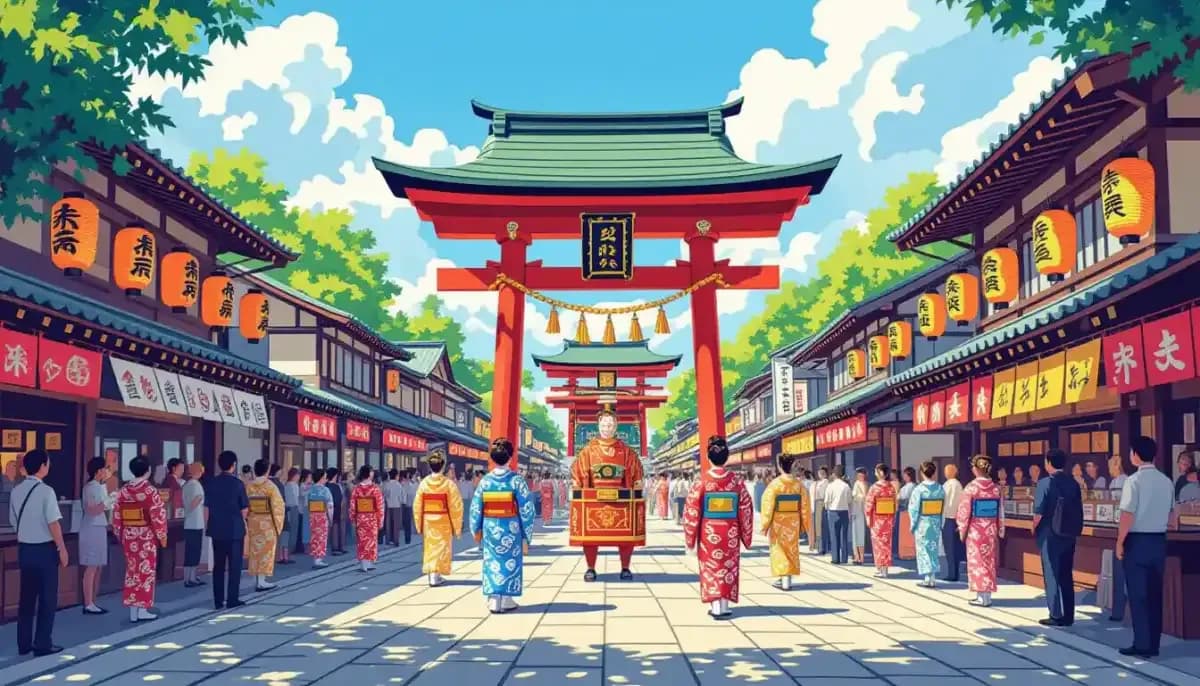
Spiritual and Religious Festivals in Japan Guide
Discover Japan's spiritual and religious festivals — from Gion Matsuri to Obon. A complete guide for foreigners on Shinto and Buddhist celebrations, etiquette, and participation tips.
Read more →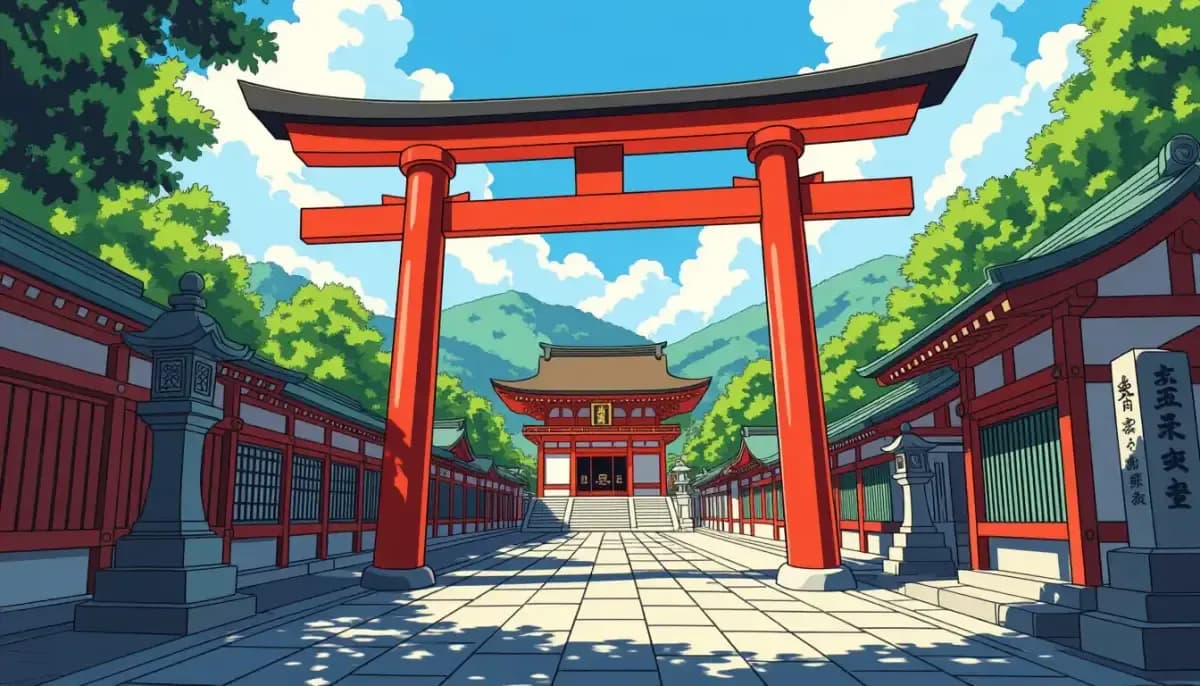
Everything foreigners need to know about religion and spirituality in Japan. Covers Shinto, Buddhism, Christianity, Islam, shrine etiquette, and finding your faith community as an expat.
Japan is a country where ancient spiritual traditions blend seamlessly with modern life. Whether you arrive as a curious traveler, a long-term expat, or someone seeking spiritual community, understanding Japan's religious landscape will enrich your experience immeasurably. This guide covers everything foreigners need to know about religion and spirituality in Japan — from the basics of Shinto and Buddhism to finding your own faith community as a resident.
!Japanese shrine with torii gate surrounded by trees in Japan
Japan's approach to religion is unlike anything most Westerners have encountered. Rather than following a single exclusive faith, the majority of Japanese people practice a fluid blend of Shinto and Buddhist traditions throughout their lives — often without considering themselves deeply religious at all.
According to Japan's Agency for Cultural Affairs, religious affiliation includes approximately 87.2 million Shinto followers (48.6%) and 83.2 million Buddhists (46.4%), plus 1.9 million Christians (1.1%) and 7.1 million adherents of other traditions. Fascinatingly, these numbers add up to more than 150% of Japan's total population — because most Japanese are counted in both Shinto and Buddhist statistics simultaneously.
This is not inconsistency; it reflects a deeply practical spirituality. Japanese people typically mark births and weddings at Shinto shrines, celebrate Christmas (often as a cultural rather than religious event), and hold Buddhist funerals. A home might contain both a Shinto kamidana (household altar) and a Buddhist butsudan (family altar). The two faiths have coexisted and intertwined for over 1,400 years.
For foreigners, this means Japan is remarkably tolerant and open. Article 20 of the Japanese Constitution guarantees full religious freedom, and you will find spaces for nearly every major world religion in urban areas. For more on daily life as a foreigner, see our Complete Guide to Daily Life in Japan.
Shinto (神道, literally "the way of the gods") is Japan's oldest spiritual tradition, rooted in reverence for kami — spirits or divine forces found in nature, ancestors, and important events. Mountains, rivers, rocks, trees, and animals can all be inhabited by kami. There is no single founder, no central scripture, and no defined afterlife theology. Shinto is primarily concerned with this world and this life.
Shinto shrines (jinja) are identifiable by the distinctive torii gate (鳥居) marking the boundary between the ordinary world and sacred space. Here is proper etiquette:
Important: clapping at shrines is proper etiquette — but never clap at Buddhist temples, as this is considered disrespectful.
Key annual events include Hatsumōde (初詣), the first shrine visit of the new year, when tens of millions of Japanese visit shrines in January to pray for good fortune. Most foreigners are warmly welcomed to participate.
Buddhism arrived in Japan from China and Korea in the 6th century CE and has profoundly shaped Japanese art, philosophy, architecture, and daily life. Unlike Shinto's focus on this world, Buddhism addresses the cycle of birth, death, and rebirth, and the path to enlightenment.
Japan has dozens of Buddhist sects, each with distinct practices and teachings:
| Buddhist Sect | Key Teaching | Notable Temples |
|---|---|---|
| Pure Land (Jōdo-shū) | Nembutsu recitation, rebirth in Pure Land | Chion-in (Kyoto) |
| Zen (Rinzai/Sōtō) | Meditation (zazen), direct experience | Eiheiji (Fukui) |
| Tendai | Comprehensive practice, esoteric elements | Enryakuji (Shiga) |
| Shingon | Esoteric rituals, mantras, mandalas | Koyasan (Wakayama) |
| Nichiren | Chanting Nam-myoho-renge-kyo | Kuonji (Yamanashi) |
| Soka Gakkai | Lay Buddhism, founded 1930, approx 4 million members | Various centers nationwide |
Pure Land Buddhism is the most widely practiced school, emphasizing the recitation of Amida Buddha's name (nembutsu) as a path to rebirth in the Pure Land.
Buddhist temples (tera or ji) are identifiable by their sanmon gate (山門) and often a large incense burner. Etiquette includes:
The Obon Festival (お盆), held in mid-August, is one of Japan's most important Buddhist observances, when spirits of ancestors are believed to return home. Families clean graves, light lanterns, and dance the Bon Odori to welcome and then send off ancestral spirits.
For more on Japanese cultural traditions, see our Complete Guide to Japanese Festivals and Traditions.
Japan's cities, especially Tokyo, Osaka, and Nagoya, host substantial communities for nearly every world religion. Here is an overview of resources available to foreign residents:
Christianity accounts for about 1% of Japan's population, but there are hundreds of international churches offering services in English, Korean, Portuguese, and other languages. Notable options include:
Japan has a growing Muslim population, primarily foreign residents. Key resources include:
For support finding communities, forworkinjapan.com's guide to religious communities in Japan provides detailed information on connecting with faith-based groups including Tokyo Union Church, Tokyo Camii, and international Buddhist organizations.
Even if you are not religious yourself, you will encounter Japan's spiritual traditions constantly in daily life. Understanding these contexts helps you participate respectfully and build deeper connections with Japanese colleagues and neighbors.
!Buddhist incense and prayer beads at a Japanese temple
| Life Event | Typical Religious Tradition |
|---|---|
| Birth and First shrine visit | Shinto (O-miyamairi) |
| Coming of Age (20 years old) | Shinto (Seijin-shiki) |
| Wedding ceremony | Often Shinto or Christian-style |
| Funeral | Almost always Buddhist |
| Obon (ancestor veneration) | Buddhist |
| New Year (Hatsumōde) | Shinto |
| Setsubun (bean throwing) | Mixed Shinto and Buddhist |
As a foreigner, you may be invited to participate in any of these. Attendance is generally welcome; just follow the lead of those around you and ask questions — Japanese people appreciate genuine curiosity about their traditions.
For insights on social life and making friends, see our Complete Guide to Making Friends and Social Life in Japan.
Japan offers some of the world's most profound spiritual travel experiences, open to people of all faiths and backgrounds.
Koyasan (高野山), Wakayama The mountain temple complex of Koyasan is one of Japan's most sacred sites, headquarters of Shingon esoteric Buddhism. Visitors can stay overnight in temple lodgings (shukubo), join morning prayers, and walk through the hauntingly beautiful Okunoin Cemetery — the largest in Japan, where over 200,000 graves line a mossy cedar forest.
Ise Grand Shrine (伊勢神宮), Mie The most sacred Shinto shrine in Japan, dedicated to Amaterasu, the sun goddess and mythological ancestor of the Imperial family. The shrine is rebuilt every 20 years in a ceremony of ritual renewal.
Shikoku Pilgrimage (四国遍路) An 88-temple pilgrimage circuit across Shikoku island associated with the Buddhist monk Kukai (Kobo Daishi). The full circuit is about 1,200 km and takes 30 to 60 days on foot, though many complete sections by bus or car.
Kyoto's Temple District With over 1,600 Buddhist temples and 400 Shinto shrines, Kyoto is Japan's spiritual heartland. Highlights include Fushimi Inari (thousands of torii gates), Kinkakuji (the Golden Pavilion), and Ryoanji (Japan's most famous zen rock garden).
Many Zen temples offer zazen sessions open to foreigners, including Eiheiji Temple in Fukui (the main temple of Soto Zen Buddhism) and various temples in Kyoto and Kamakura that offer English-friendly introductory sessions.
For more travel inspiration and living guides, Living in Nihon has extensive resources for foreigners exploring Japan.
Whether you are religious or not, these practical tips will help you navigate Japan's spiritual landscape with confidence and respect.
If you practice a specific religion, Japan's major cities have communities for you. Recommended starting points:
For career and community integration resources, Ittenshoku provides helpful guides for foreigners navigating life and careers in Japan.
In most workplaces, religion is a private matter and rarely discussed. If you need accommodations (time for prayers, dietary restrictions for Ramadan, holidays for religious observances), Japanese law protects your rights and most employers are accommodating when approached respectfully and in advance. See our Complete Guide to Working in Japan as a Foreigner for more on workplace culture.
| Resource | Description | Type |
|---|---|---|
| Tokyo Camii | Japan's largest mosque, Shibuya | Mosque |
| Tokyo Union Church | English services, Omotesando area | Church |
| Jewish Community of Japan | Shabbat services, Tokyo | Synagogue |
| Shirdi Saibaba Temple | Hindu temple, Tokyo | Hindu Temple |
| Japan-Guide.com Religion | Comprehensive shrine and temple etiquette | Website |
| JNTO (Japan Tourism) | Spiritual travel guides | Tourism |
Japan's religious and spiritual landscape is one of its most fascinating and distinctive features. Rather than a rigid adherence to dogma, Japanese spirituality is characterized by flexibility, seasonal ritual, and a deep connection to nature and community. As a foreigner in Japan, you do not need to adopt any specific beliefs — but engaging respectfully with Japan's spiritual traditions will open doors to deeper cultural understanding and meaningful human connections.
Whether you are lighting incense at a Buddhist temple, tossing a coin at a New Year shrine, or finding fellowship in an international church or mosque, Japan offers a rich spiritual environment that welcomes all. Take the time to explore it with an open heart.
For more resources on living in Japan as a foreigner, check out our guides on Japanese Culture and Etiquette and Making Friends and Social Life in Japan. Additional reading on religion in Japan is available from Japan-Guide.com and JoynTokyo.
Discover Japan's spiritual and religious festivals — from Gion Matsuri to Obon. A complete guide for foreigners on Shinto and Buddhist celebrations, etiquette, and participation tips.
Read more →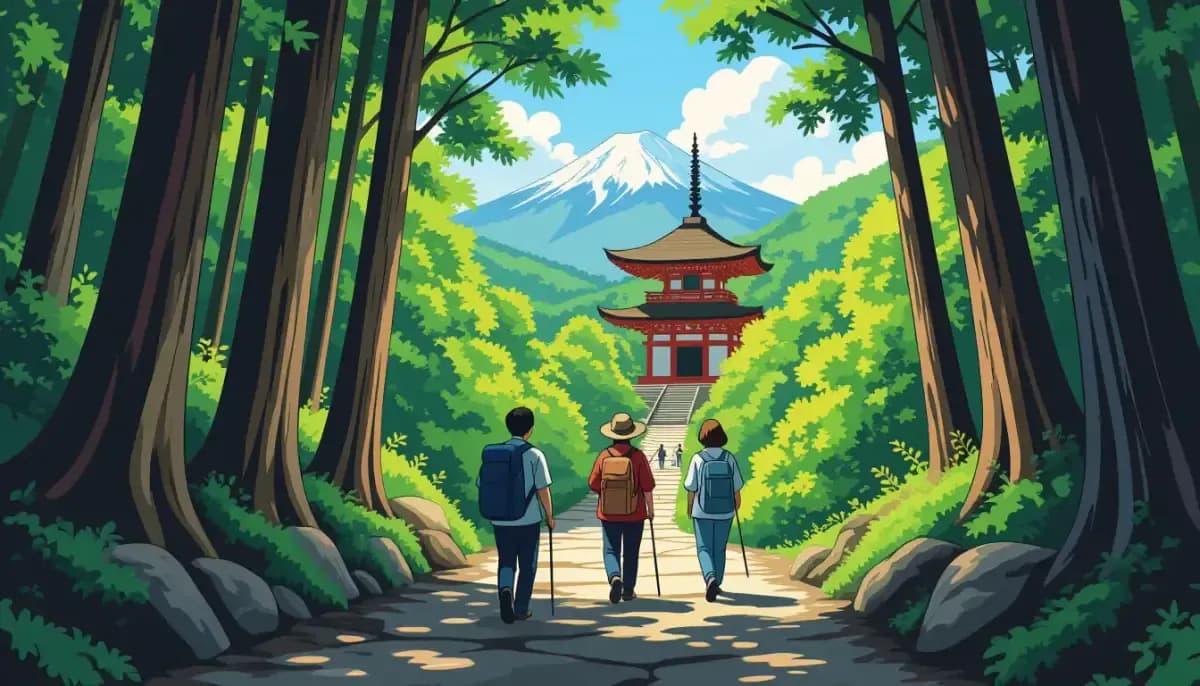
Discover Japan's most famous pilgrimage routes including Kumano Kodo, Shikoku Henro, and Dewa Sanzan. A complete guide for foreigners with practical tips, distances, costs, and cultural advice.
Read more →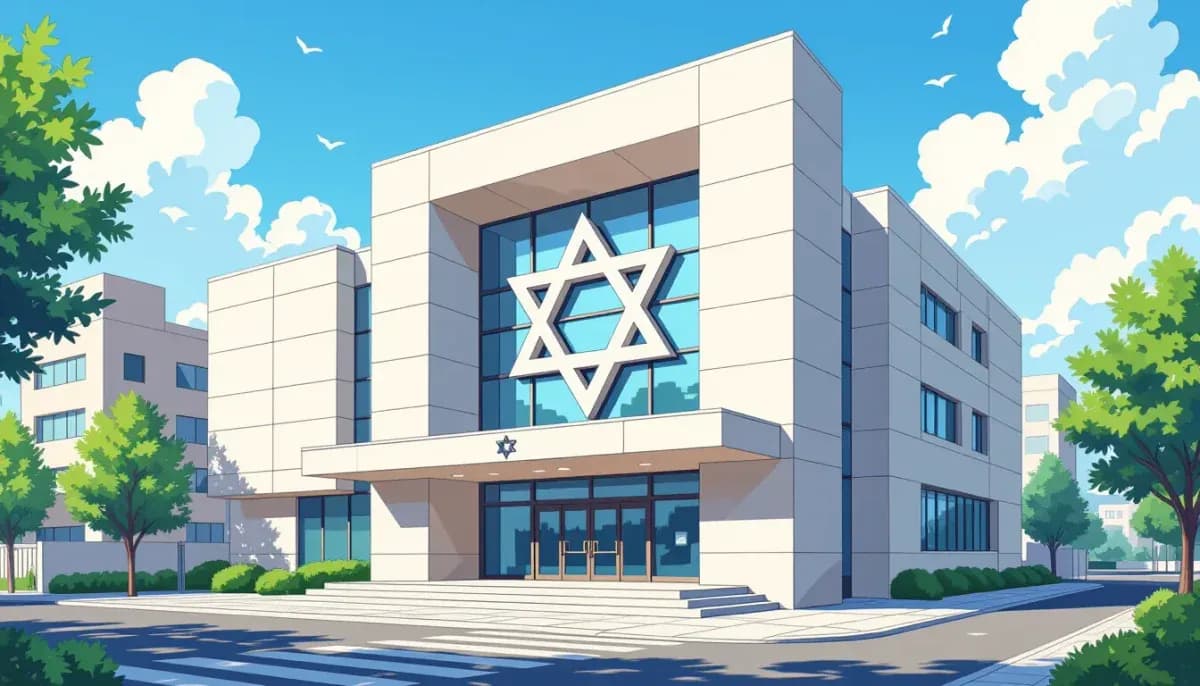
Complete guide to the Jewish community and synagogues in Japan. Find synagogues in Tokyo, Kobe, and Kyoto, kosher food resources, Chabad locations, and tips for Jewish expats and travelers living in Japan.
Read more →
Discover Hindu temples, Little India in Nishi-Kasai, Indian schools, festivals like Diwali, and community resources for Indian expats living in Japan.
Read more →
Complete guide to religious freedom in Japan for expats. Covers legal rights, Muslim, Christian, Hindu, Jewish communities, halal food, mosques, churches, and workplace accommodation tips.
Read more →
A complete guide to Japanese funeral and memorial customs for foreigners. Learn about the wake (otsuya), funeral ceremony, koden etiquette, dress code, cremation, kotsuage, and ongoing memorial services including Obon.
Read more →
Everything you need to know about temple stays (shukubo) in Japan: where to go, how to book, what to expect, costs, rules, and tips for foreigners experiencing this unique overnight Buddhist experience.
Read more →
Discover the best meditation retreats in Japan for foreigners — from Zen temple stays at Mount Koya to forest therapy. Costs, booking tips, and top retreat centers covered.
Read more →
A comprehensive guide to Muslim life in Japan for foreign residents. Discover mosques, halal food, prayer facilities, Ramadan tips, and how to build a thriving Muslim community life in Japan.
Read more →
A comprehensive guide to finding Christian churches in Japan for foreigners and expats. Discover English-speaking churches in Tokyo, Osaka, Yokohama, Fukuoka, and Nagasaki with services for all denominations.
Read more →
A complete guide to Shinto practices and beliefs for foreigners in Japan. Learn about kami, shrine etiquette, purification rituals, major festivals, and how to respectfully participate in Japan's ancient indigenous religion.
Read more →
Everything foreigners need to know about Buddhism in Japan — temple etiquette, major sects, zazen meditation, shukubo stays, and how Buddhist traditions shape everyday Japanese life.
Read more →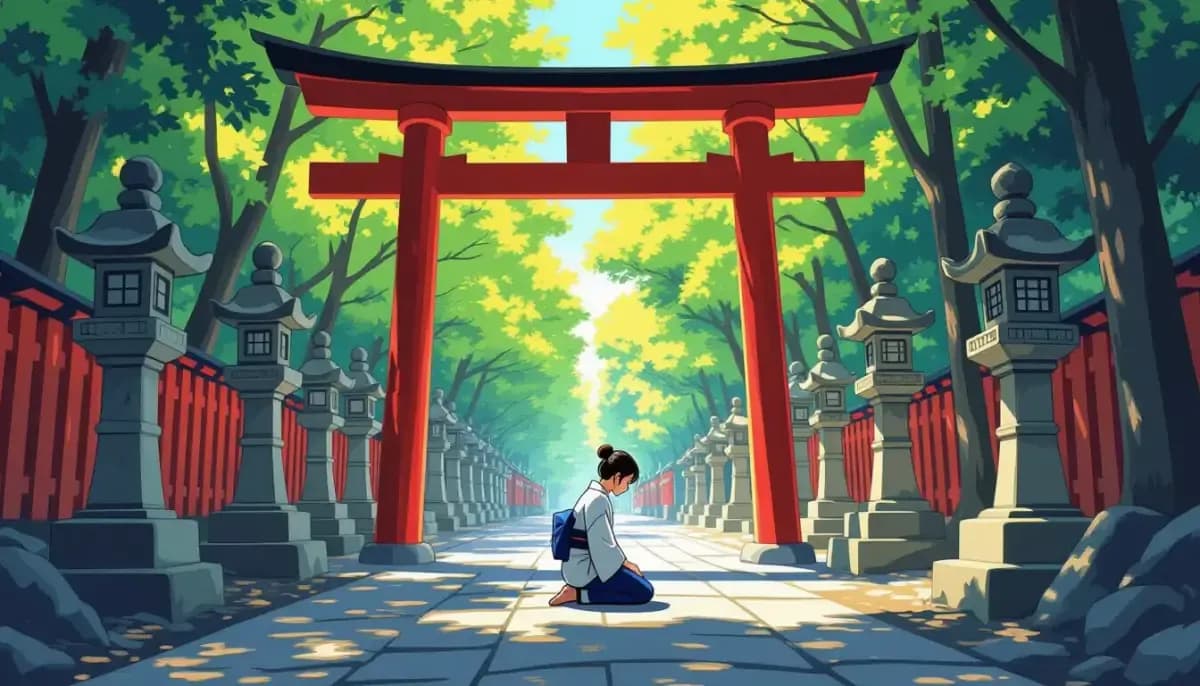
Learn the complete etiquette for visiting Shinto shrines in Japan: torii gate rules, purification rituals, prayer steps, dress code, photography rules, and more. A must-read guide for foreigners.
Read more →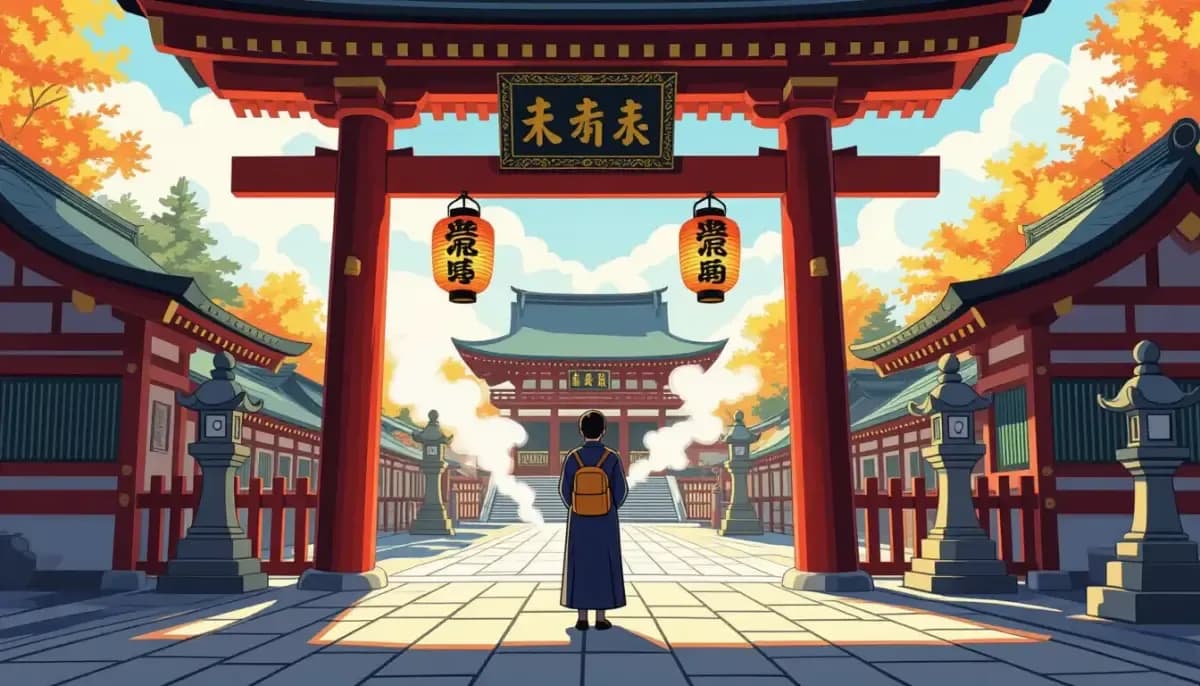
Complete guide to visiting Buddhist temples in Japan. Learn essential etiquette rules, how to pray, use incense, make offerings, and experience temple culture respectfully as a foreigner.
Read more →