
Famous Pilgrimage Routes in Japan Guide

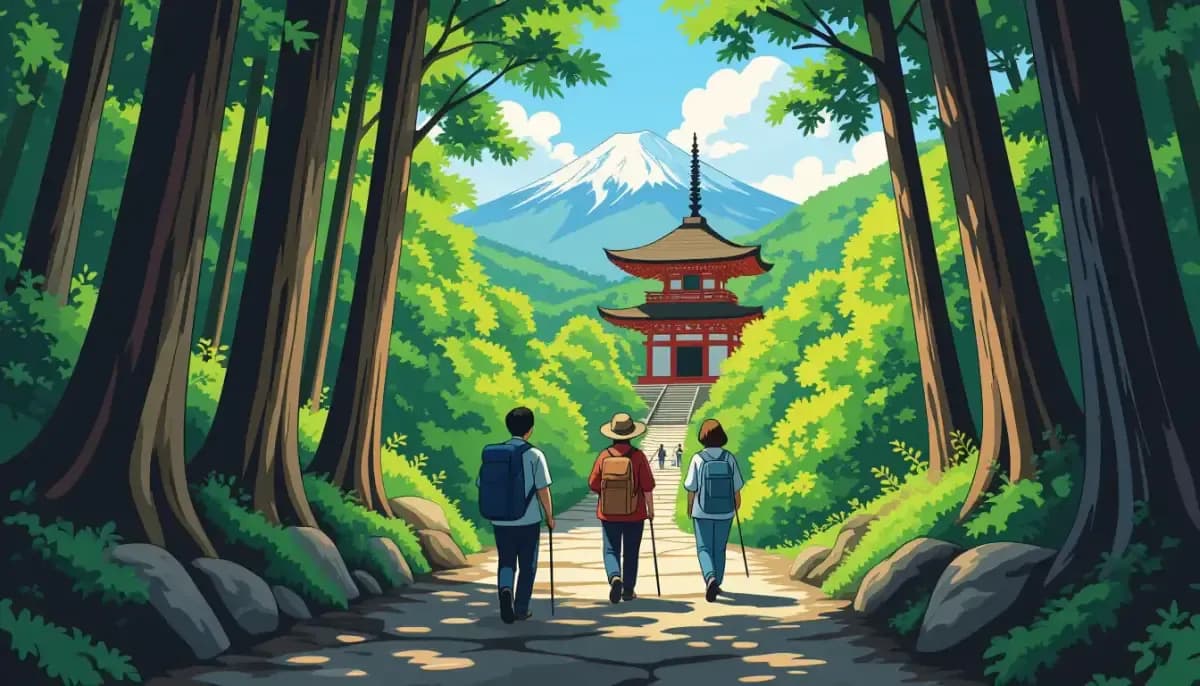
Discover Japan's most famous pilgrimage routes including Kumano Kodo, Shikoku Henro, and Dewa Sanzan. A complete guide for foreigners with practical tips, distances, costs, and cultural advice.
Famous Pilgrimage Routes in Japan: A Complete Guide for Foreigners
Japan is home to some of the world's most ancient and spiritually significant pilgrimage routes, attracting millions of visitors every year. Whether you're seeking spiritual enrichment, a physical challenge, or simply a unique way to explore the Japanese countryside, these sacred trails offer an unforgettable experience. This guide covers everything foreigners need to know about Japan's most famous pilgrimage routes — from the UNESCO-listed Kumano Kodo to the legendary Shikoku Henro.
What Are Japan's Pilgrimage Routes?
Japan's pilgrimage tradition stretches back over a millennium. During the Heian Period (794–1185), even retired emperors and aristocrats made arduous journeys to sacred mountain sites and shrines in search of spiritual enlightenment. Today, these routes remain living cultural traditions that welcome pilgrims of all backgrounds, nationalities, and belief systems.
Unlike pilgrimage routes in some other countries, Japan's trails are remarkably open and inclusive. You don't need to be Buddhist or Shinto to walk them — many foreigners complete these routes purely for the scenery, history, and personal challenge. Communities along the routes typically view pilgrims as welcome guests rather than tourists, and the infrastructure is often excellent even in remote areas.
Japan officially recognizes seven major historic pilgrimages. Each offers something different: some are short urban circuits, while others require weeks of mountain hiking. No matter your fitness level or available time, there's a pilgrimage route suited to you.
Kumano Kodo: Japan's UNESCO World Heritage Pilgrimage
The Kumano Kodo is arguably Japan's most internationally famous pilgrimage route, and for good reason. In 2004, it became the first road in Japan to receive UNESCO World Heritage designation — and it is one of only two pilgrimage networks in the world with this distinction, the other being the Camino de Santiago in Spain.
The Kumano Kodo is a network of five trails — Nakahechi, Kohechi, Iseji, Oheji, and Omine Okugake — that wind through the mountains of the Kii Peninsula, spanning Wakayama, Nara, Osaka, and Mie prefectures. All routes connect to the three grand shrines known as Kumano Sanzan: Hongu Taisha, Nachi Taisha, and Hayatama Taisha.
The most popular route for foreign visitors is the Nakahechi (Imperial Route), which takes about five days to complete and passes through dense forest, ancient cedar groves, and mountain passes. It culminates near Nachi Taisha and Japan's highest single-drop waterfall, Nachi Falls, at 133 meters.
The Kumano Kodo area draws up to 15 million visitors annually. Accommodation ranges from family-run minshuku (guesthouses) serving local home-cooked meals to refined ryokan with natural hot spring baths. Trail signs are bilingual and the tourism infrastructure is strong, making it highly accessible for first-time visitors.
Tips for Foreigners:
- Book accommodation 6–12 months in advance during peak seasons (March–May and September–November)
- The Tanabe City Kumano Tourism Bureau website (kumano-travel.com) has an excellent English booking system
- Hire a local guide for the Kohechi route, which is more remote and demanding
- A pilgrim's stamp book (nōkyōchō) can be stamped at each shrine to mark your journey
For more information on navigating Japan as a foreigner, including transportation tips, visit Living in Nihon for practical expat resources.
Shikoku Henro: The 88-Temple Pilgrimage
The Shikoku Henro is one of Japan's most beloved and demanding pilgrimage routes. It loops around Shikoku island — Japan's smallest main island — covering approximately 1,200 kilometers and visiting 88 Buddhist temples across four prefectures: Tokushima, Kochi, Ehime, and Kagawa.
This route is associated with the legendary monk Kobo Daishi (also known as Kukai), who founded Shingon Buddhism in Japan in the 8th century and is said to have practiced asceticism across Shikoku. Pilgrims who walk the route wear white robes (byakue) and carry walking staffs (kongozue), which represent Kobo Daishi's spiritual presence walking alongside them.
Walking the entire route takes 30 to 60 days depending on pace. However, many pilgrims choose to complete sections over multiple trips, by bicycle, by car, or by bus tour. The Shikoku community warmly welcomes all pilgrims, who are called henro (遍路), regardless of transportation method or religion.
One of the most charming aspects of the Shikoku Henro is osettai — a tradition where local residents offer free hospitality to pilgrims: tea, snacks, meals, accommodation, or even car rides. This reflects deeply held Buddhist beliefs about generosity and merit-making.
Key Shikoku Henro Facts:
- Over 1,200 km total distance across four prefectures
- 88 official temples plus 20 additional "bangai" temples
- Traditional walking time: 6–8 weeks
- White pilgrim robes and staffs can be purchased at the start temple (Ryōzen-ji, Temple 1)
- English-language guides and maps are available at major temples
For career and work information if you're planning to live in Japan while pursuing these routes, check out For Work in Japan.
Dewa Sanzan: Japan's Mountain Asceticism Route
The Dewa Sanzan pilgrimage in Yamagata Prefecture (Northern Japan) is one of the country's most spiritually intense routes. It centers on three sacred mountains — Mt. Haguro, Mt. Gassan, and Mt. Yudono — which together represent birth, death, and rebirth in Japanese cosmology.
This route is the core of Shugendo, Japan's unique mountain ascetic religion that blends nature worship with elements of Buddhism, Shintoism, and Taoism. Shugendo practitioners (called Yamabushi) undergo rigorous physical and spiritual training in these mountains. The three peaks are among the oldest sites of mountain worship in Japan.
Mt. Haguro is the most accessible, featuring a 2,446-step cedar-lined stone staircase leading to a five-story pagoda and summit shrine. Mt. Gassan is the highest at 1,984 meters and is only accessible from July to September due to heavy snow. Mt. Yudono is considered the most sacred and photography is prohibited in certain areas.
The Dewa Sanzan route is perfect for those who want a meaningful but relatively contained pilgrimage experience — it can be completed in 2–3 days, making it ideal for foreigners with limited vacation time.
For cultural tips on navigating Japanese etiquette at religious sites, read our guide on Japanese Culture and Etiquette.
Other Famous Pilgrimage Routes in Japan
Japan's pilgrimage tradition extends well beyond Kumano Kodo and Shikoku. Here are four more routes worth considering:
Chichibu 34 Kannon (Near Tokyo) Just a couple of hours from Tokyo, this 100-km circuit visits 34 temples dedicated to Kannon, the Buddhist goddess of mercy. It dates to the early 13th century and is popular with both beginners and experienced pilgrims. The route passes through charming rural Saitama countryside and can be completed in sections over weekends.
Aizu 33 Kannon (Fukushima Prefecture) This route traces 33 Kannon halls throughout western Fukushima. Several temples date back over 1,000 years. The route is flexible — pilgrims can start anywhere and complete the circuit across multiple visits, making it very beginner-friendly.
Nakasendo (Tokyo to Kyoto) The Nakasendo is a historic Edo period (1603–1867) highway that connected Edo (Tokyo) and Kyoto with 69 post towns. Today, the most popular walking section is the Kisoji (Kiso Valley) portion through Nagano and Gifu prefectures, which can be walked in 4–5 days. Although more of a historical trail than a religious pilgrimage, many walk it as a spiritual journey.
Mount Mitoku (Tottori Prefecture) Called "Japan's most dangerous national treasure" by priests, Mount Mitoku in Tottori features the famous Nageiredo Hall, built into a cliffside cave. The trail climbs chains, ladders, and exposed rock — not for the faint of heart, but extraordinary for those seeking extreme spiritual experiences.
For more information on Japan travel planning, including transportation guides, visit Ittenshoku. Also see our complete Transportation in Japan Guide for getting around.
Comparison of Japan's Major Pilgrimage Routes
| Route | Location | Distance | Duration | Temples/Sites | Difficulty | Best For |
|---|---|---|---|---|---|---|
| Kumano Kodo (Nakahechi) | Kii Peninsula | ~70 km | 5 days | 3 grand shrines | Moderate | First-timers, international visitors |
| Shikoku Henro | Shikoku Island | ~1,200 km | 30–60 days | 88 temples | Hard | Committed walkers, spiritual seekers |
| Dewa Sanzan | Yamagata | Short trails | 2–3 days | 3 sacred mountains | Moderate-Hard | Mountain worship, Shugendo |
| Chichibu 34 Kannon | Near Tokyo | ~100 km | Flexible | 34 temples | Easy-Moderate | Beginners, Tokyo-based visitors |
| Aizu 33 Kannon | Fukushima | Variable | Flexible | 33 Kannon halls | Easy | Beginners, history lovers |
| Nakasendo (Kisoji) | Nagano/Gifu | ~70 km | 4–5 days | 69 post towns | Easy-Moderate | History lovers, cultural walkers |
| Mount Mitoku | Tottori | Short | Half-day | 1 sacred mountain | Very Hard | Extreme challenge seekers |
Practical Tips for Walking Japan's Pilgrimage Routes
Getting Started
Before embarking on a Japanese pilgrimage, do your research and plan accordingly. Most major routes have official English-language tourism websites with detailed maps, accommodation booking, and practical guidance.
- Gear: Comfortable hiking boots, moisture-wicking clothing, and a light backpack. For Shikoku, many start with the white pilgrim robe and staff.
- Stamp Books: Purchase a pilgrim's stamp book (nōkyōchō or stamp rally book) to collect stamps at each temple or shrine.
- Navigation: Download offline maps before heading into remote areas. Many routes have bilingual signage, but cell coverage can be limited.
- Budget: Costs vary widely. The Kumano Kodo Nakahechi route might cost ¥50,000–¥100,000 (USD $330–$660) for accommodation and meals over 5 days. Shikoku on foot averages ¥3,000–¥5,000/day for budget pilgrims using tsuyado (free pilgrim lodges).
Cultural Etiquette at Religious Sites
When visiting temples and shrines along pilgrimage routes:
- Dress respectfully — avoid tank tops and shorts when entering main halls
- Purify your hands at the water basin (temizuya) before approaching shrines
- Do not photograph areas where signs prohibit it (especially common at Mt. Yudono)
- Bow when entering and exiting temple gates
Language
While many major pilgrimage routes now have English resources, learning basic Japanese phrases will greatly enhance your experience — especially on less-traveled routes. See our complete Learning Japanese Guide for foreigners.
Combining Pilgrimage with Daily Life in Japan
Many expats living in Japan incorporate pilgrimage routes into their life here, walking sections during holidays or long weekends. The Chichibu and Aizu routes are particularly suitable for residents who want to explore Japan spiritually without taking extended leave.
For more on living in Japan as a foreigner, including guides to housing, culture, and daily life, visit our Daily Life in Japan Guide and Japanese Festivals and Traditions Guide.
Useful External Resources:
- Japan National Tourism Organization - Seven Historic Pilgrimages
- Tanabe City Kumano Tourism Bureau - Official Kumano Kodo Information
- UNESCO World Heritage - Sacred Sites and Pilgrimage Routes in the Kii Mountain Range
- Tokyo Weekender - Japan Pilgrimage Routes
Conclusion
Japan's pilgrimage routes are among the most extraordinary walking experiences in the world. Whether you choose the internationally renowned Kumano Kodo with its UNESCO status, the epic Shikoku Henro with its 88-temple circuit, or the mystical Dewa Sanzan mountain trails, each route offers a unique window into Japan's spiritual heritage, natural beauty, and community culture.
As a foreigner, you are warmly welcome on all of Japan's pilgrimage routes. The key is to come prepared, be respectful, and embrace the journey with an open mind. These ancient paths have been transforming those who walk them for over a thousand years — and they will undoubtedly leave a mark on you too.
Start planning your Japanese pilgrimage adventure today. Check the resources linked throughout this guide, pack your walking boots, and take your first step on one of history's most remarkable spiritual journeys.

Originally from Vietnam, living in Japan for 16+ years. Graduated from Nagoya University, with 11 years of professional experience at Japanese and international companies. Sharing information about living in Japan for foreigners.
View Profile →Related Articles
Spiritual and Religious Festivals in Japan Guide
Discover Japan's spiritual and religious festivals — from Gion Matsuri to Obon. A complete guide for foreigners on Shinto and Buddhist celebrations, etiquette, and participation tips.
Read more →
Jewish Community and Synagogues in Japan
Complete guide to the Jewish community and synagogues in Japan. Find synagogues in Tokyo, Kobe, and Kyoto, kosher food resources, Chabad locations, and tips for Jewish expats and travelers living in Japan.
Read more →
Hindu Temples and Indian Community in Japan
Discover Hindu temples, Little India in Nishi-Kasai, Indian schools, festivals like Diwali, and community resources for Indian expats living in Japan.
Read more →
Religious Freedom and Practice in Japan for Foreigners
Complete guide to religious freedom in Japan for expats. Covers legal rights, Muslim, Christian, Hindu, Jewish communities, halal food, mosques, churches, and workplace accommodation tips.
Read more →
Japanese Funeral and Memorial Customs Explained
A complete guide to Japanese funeral and memorial customs for foreigners. Learn about the wake (otsuya), funeral ceremony, koden etiquette, dress code, cremation, kotsuage, and ongoing memorial services including Obon.
Read more →
Temple Stay Overnight Experience in Japan Guide
Everything you need to know about temple stays (shukubo) in Japan: where to go, how to book, what to expect, costs, rules, and tips for foreigners experiencing this unique overnight Buddhist experience.
Read more →