
Spiritual and Religious Festivals in Japan Guide

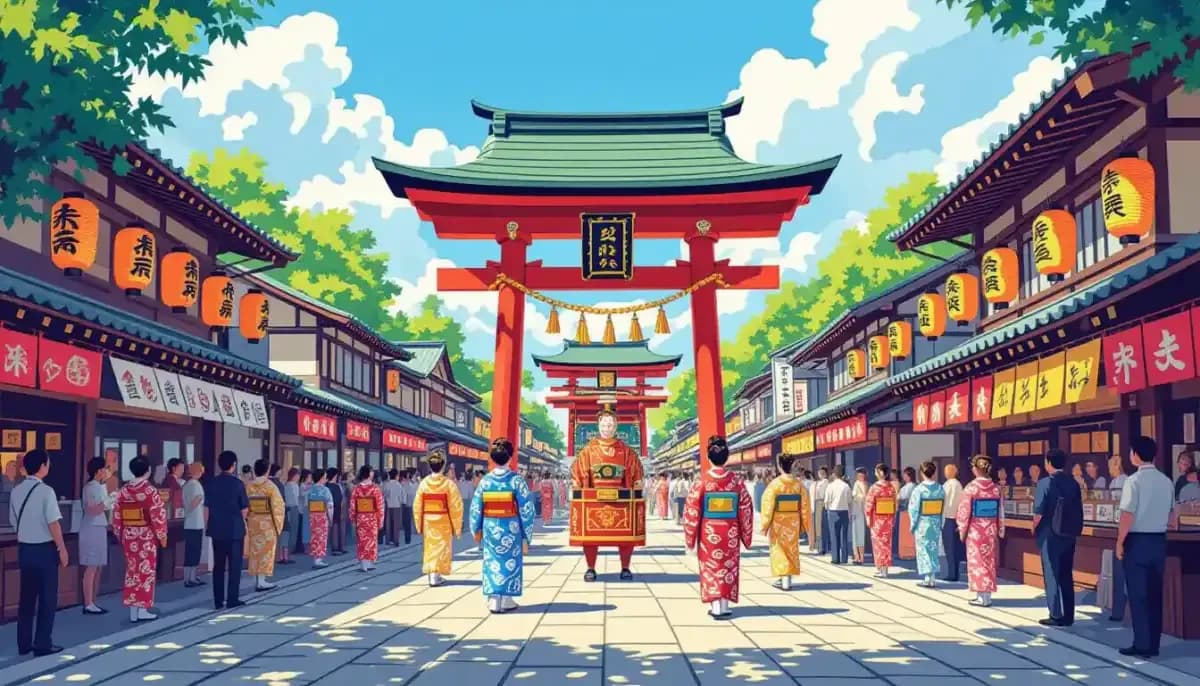
Discover Japan's spiritual and religious festivals — from Gion Matsuri to Obon. A complete guide for foreigners on Shinto and Buddhist celebrations, etiquette, and participation tips.
Spiritual and Religious Festivals in Japan: A Complete Guide for Foreigners
Japan is a land of profound spiritual heritage, where ancient rites meet vibrant community celebration. Every year, between 100,000 and 300,000 festivals — known as matsuri (祭り) — take place across the country, generating an economic impact of over 530 billion yen. With over 90% of Japanese people attending Shinto-rooted matsuri at some point in their lives, these celebrations are far more than entertainment — they are living expressions of Japan's soul.
For foreigners living in or visiting Japan, spiritual and religious festivals offer one of the most meaningful windows into Japanese culture. Whether you witness the ghostly beauty of Obon lanterns floating on dark water, join the roaring crowds of Gion Matsuri in Kyoto, or simply stumble upon a neighborhood shrine ceremony, these experiences can be transformative. This guide will help you understand, appreciate, and respectfully participate in Japan's most important spiritual and religious festivals.
!Colorful Japanese matsuri festival with mikoshi portable shrine, lanterns and traditional costumes
Understanding the Spiritual Roots of Japanese Festivals
To truly understand Japanese festivals, you need to understand the two main spiritual traditions that shape them: Shinto and Buddhism.
Shinto (神道) is Japan's indigenous spiritual tradition. It holds that divine spirits called kami (神) inhabit everything — mountains, rivers, trees, ancestors, and even extraordinary people. Shinto festivals are fundamentally ceremonies to honor, welcome, and commune with these kami. The word "matsuri" itself is thought to derive from "matsurau" (奉う), meaning "to obey the kami" or "to make offerings to the kami."
Buddhism arrived in Japan from Korea and China in the 6th century and became deeply intertwined with Shinto over the centuries. Buddhist festivals typically center on temples and honor the teachings of the Buddha, ancestral spirits, and various bodhisattvas.
Interestingly, most Japanese people practice elements of both traditions simultaneously — Shinto rituals for births and festivals, Buddhist rites for funerals and memorials. This harmonious coexistence is uniquely Japanese and helps explain why the festival calendar is so rich and varied.
For a deeper understanding of Japan's religious landscape, see the Complete Guide to Japanese Culture and Etiquette. The Living in Nihon religion and spirituality guide is also an excellent resource for foreigners exploring Japan's spiritual traditions.
Major Shinto Festivals: Honoring the Kami
Shinto festivals are centered on the belief that kami descend from the spiritual realm to bless the community. At the heart of most Shinto matsuri is the mikoshi (神輿), a portable shrine carried through the streets. This is considered the only time of year that the kami leaves the shrine — a profound event for the community.
Here are the most important Shinto festivals you should know:
| Festival | Location | Timing | Significance |
|---|---|---|---|
| Gion Matsuri | Kyoto | July | 1,100-year history; one of Japan's top 3 festivals; honors Yasaka Shrine's kami |
| Kanda Matsuri | Tokyo | May (odd years) | Major Tokyo Shinto festival; 200+ mikoshi parade through the city |
| Sanja Matsuri | Tokyo | May | Honors three founders of Sensoji Temple; 1 million+ visitors |
| Tenjin Matsuri | Osaka | July 24-25 | One of Japan's top 3 festivals; spectacular river procession |
| Sanno Matsuri | Tokyo | June (even years) | One of Tokyo's oldest and grandest Shinto festivals |
| Aoi Matsuri | Kyoto | May | Ancient imperial procession with participants in Heian-era costumes |
| Nachi Fire Festival | Wakayama | July | Priests carry massive torches up to Nachi Taisha shrine |
Gion Matsuri is perhaps the most famous, with a history stretching back over 1,100 years. Originally performed to appease kami during a deadly epidemic, it now draws millions of visitors every July to Kyoto. The highlight is the Yamaboko Junko — a grand parade of enormous decorated floats, some standing over 20 meters tall. 33 of these float festivals have been recognized as UNESCO Intangible Cultural Heritage.
Sanja Matsuri in Asakusa, Tokyo, is one of the city's most energetic festivals. Held in May, it honors the three men who founded Sensoji Temple and draws over 1 million visitors over three days. The sight of massive mikoshi being carried through the streets by teams of enthusiastic participants — often chanting "wasshoi! wasshoi!" — is unforgettable.
Major Buddhist Festivals: Honoring Ancestors and the Buddha
Japan's Buddhist festivals carry a quieter, more reflective energy than Shinto matsuri, though many are just as visually spectacular.
Obon (お盆) — held in mid-August (or mid-July in some regions) — is the most important Buddhist festival in Japan. Based on the belief that ancestral spirits return to the living world for a brief period, Obon involves welcoming these spirits home, then sending them off again with lanterns and ceremonial fires. Families visit and clean graves, light ceremonial fires called mukaebi (welcoming fire) and okuribi (sending-off fire), and participate in Bon Odori (盆踊り) community dances.
Obon is one of the biggest travel periods in Japan, as millions of people return to their hometowns. For foreigners, Bon Odori dances are particularly accessible — the movements are simple, welcoming to newcomers, and a wonderful way to connect with neighbors.
Omizutori at Nara's Todaiji Temple (March 1-14) is one of Japan's oldest rituals, dating back over 1,200 years. Monks perform fire rituals with massive torches, sending cascades of sparks raining down over awed spectators. The ceremony marks the arrival of spring and represents one of the most spiritually powerful events on the Japanese calendar.
Hanamatsuri (April 8) celebrates the birth of Siddhartha Gautama, the historical Buddha. At temples across Japan, a small statue of the baby Buddha is placed in a flower-decorated pavilion, and devotees pour sweet amazake tea over it as an act of devotion. It's a peaceful, accessible event that welcomes curious visitors.
For more on navigating Japanese cultural traditions, check out the Complete Guide to Japanese Festivals and Traditions.
Seasonal Festival Calendar: When to Experience Japan's Spiritual Celebrations
Japan's festival calendar flows with the seasons, each bringing its own spiritual significance:
| Season | Major Festivals | Key Themes |
|---|---|---|
| Winter/New Year | Hatsumode (Jan 1-3), Setsubun (Feb 3) | New beginnings, purification, driving away evil |
| Spring | Omizutori (Mar), Hanamatsuri (Apr 8), Aoi Matsuri (May) | Renewal, Buddha's birthday, imperial tradition |
| Early Summer | Kanda Matsuri (May), Sanja Matsuri (May), Sanno Matsuri (June) | Community celebration, kami processions |
| Summer | Gion Matsuri (July), Tenjin Matsuri (July), Obon (Aug), Awa Odori (Aug) | Kami worship, ancestor honors, dance |
| Autumn | Jidai Matsuri (Oct), Chichibu Night Festival (Dec) | Historical pageantry, dramatic rituals |
Hatsumode (初詣) — the first shrine or temple visit of the New Year — is technically not a "festival" but is the most widely practiced spiritual act in Japan. Tens of millions of people visit shrines and temples in the first three days of January to pray for good fortune. Participating in Hatsumode is one of the most meaningful cultural experiences available to foreigners in Japan.
Setsubun (節分, February 3) marks the traditional start of spring and involves throwing roasted soybeans to drive away evil spirits, shouting "Oni wa soto! Fuku wa uchi!" ("Devils out! Good luck in!"). Many shrines host public Setsubun events where you can participate.
!Traditional Japanese lanterns and festival decorations at a Shinto shrine during matsuri season
How to Attend and Participate Respectfully
Attending Japanese spiritual festivals as a foreigner requires some cultural awareness. The good news is that most festivals warmly welcome foreign visitors.
At Shinto Shrines (during festivals):
- Pass through the torii gate and cleanse your hands at the temizuya (water basin) using a bamboo ladle
- Approach the main hall, toss a coin into the offering box, bow twice, clap twice, bow once — this is the standard prayer etiquette
- Do not enter areas marked as restricted to priests or festival participants
- Wearing a yukata (casual summer kimono) to summer festivals is welcomed and appreciated
At Buddhist Temples (during festivals):
- Remove shoes when entering indoor areas as indicated
- Burning senko (incense sticks) and waving the smoke over yourself is a common practice believed to bring healing and purification
- Photography policies vary — always check for signs and be discreet
General Festival Etiquette:
- Never touch a mikoshi unless specifically invited to participate in carrying it
- Move respectfully through crowds, especially during ritual processions
- Festival food stalls (yatai, 屋台) are a beloved part of matsuri culture — enjoy them freely
- Follow guidance from festival staff and volunteers
For more on navigating Japanese cultural norms, For Work in Japan's cultural resources and Ittenshoku's Japan guides offer practical perspectives for foreigners building a life in Japan.
Regional Gems: Lesser-Known Spiritual Festivals Worth Discovering
Beyond the famous national festivals, Japan's regional spiritual celebrations are often more intimate and equally profound:
Awa Odori (Tokushima, August) attracts over 1 million visitors to Shikoku for a spectacular Buddhist Obon dance festival. The dancing style — deliberately off-balance and slightly comical — comes with a beloved saying: "The dancing fool and the watching fool are both fools, so you might as well dance!"
Nebuta Matsuri (Aomori, August) features enormous illuminated paper float sculptures of warriors and mythological figures. Attracting over 2 million visitors annually, it ranks as Japan's second most recognized festival. The drumming, dancing, and sheer scale of the floats is breathtaking.
Chichibu Night Festival (Saitama, December 2-3) is one of Japan's most dramatic autumn festivals — massive float shrines are paraded through the streets accompanied by thunderous fireworks, creating a scene that feels genuinely ancient and magical.
Nachi Fire Festival in Wakayama (July 14) involves priests carrying massive 50kg torches up the steep steps to Nachi Taisha shrine, symbolically purifying the giant Nachi waterfall behind the shrine. It's a deeply atmospheric Shinto ritual in a stunning natural setting.
For more on exploring Japan's incredible regional culture and travel opportunities, see the Complete Guide to Daily Life in Japan.
What Foreigners Often Find Surprising About Japanese Festivals
Many foreigners arrive expecting Japanese festivals to feel solemn or distant. The reality is often the opposite:
Festivals are communal and participatory. Many Bon Odori dances actively invite spectators to join in. Festival carry teams for mikoshi often welcome enthusiastic foreign participants. The atmosphere is warm, loud, and joyful.
Sacred and secular coexist comfortably. You'll find ancient ritual processions passing right by stalls selling takoyaki, yakisoba, and candy apples. This is not irreverent — it's exactly how Japanese festivals have always worked.
Neighborhood festivals are everywhere. Beyond the famous national events, almost every neighborhood shrine hosts its own annual matsuri. These small, local festivals often offer the most authentic and accessible experience of Japan's spiritual culture.
Foreigners are genuinely welcomed. Japan's festival culture has been warming to international visitors, with many events creating multilingual information and actively encouraging foreign participation.
Understanding these realities can transform your festival experiences from passive observation to genuine cultural connection. For tips on building deeper social connections in Japan, see the Complete Guide to Making Friends and Social Life in Japan.
For authoritative English-language coverage of Japan's festivals, Japan-Guide's matsuri section and Japan Travel Pros' festival guide are excellent resources to bookmark.
Final Thoughts: Embracing Japan's Festival Culture
Japan's spiritual and religious festivals are not museum pieces — they are living traditions that continue to evolve while remaining rooted in centuries of devotion, community, and joy. Whether you spend years in Japan or visit for a few weeks, making time to experience at least a few matsuri will give you an understanding of Japanese life that no guidebook can fully capture.
Start with what's accessible: attend your local neighborhood shrine's annual matsuri, join a Bon Odori dance circle in August, or visit a temple for Hatsumode on New Year's morning. From there, the depth and variety of Japan's festival culture will unfold naturally.
Japan has between 100,000 and 300,000 festivals every year. There's always one somewhere nearby. Go find it.

Originally from Vietnam, living in Japan for 16+ years. Graduated from Nagoya University, with 11 years of professional experience at Japanese and international companies. Sharing information about living in Japan for foreigners.
View Profile →Related Articles
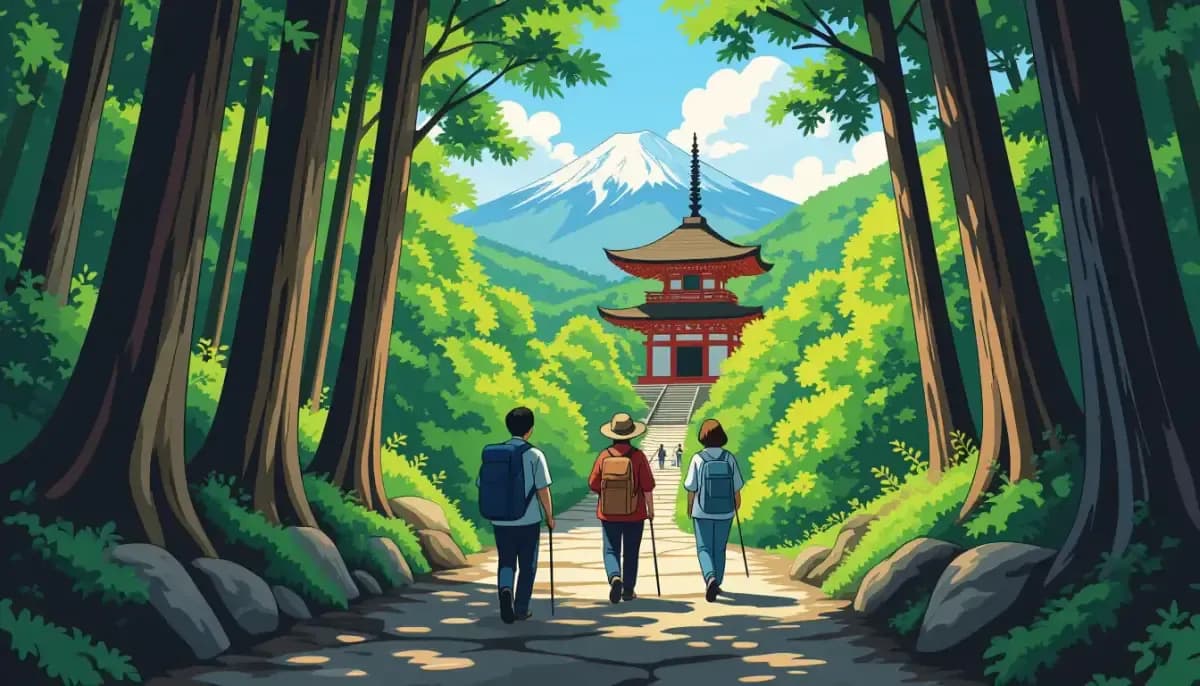
Famous Pilgrimage Routes in Japan Guide
Discover Japan's most famous pilgrimage routes including Kumano Kodo, Shikoku Henro, and Dewa Sanzan. A complete guide for foreigners with practical tips, distances, costs, and cultural advice.
Read more →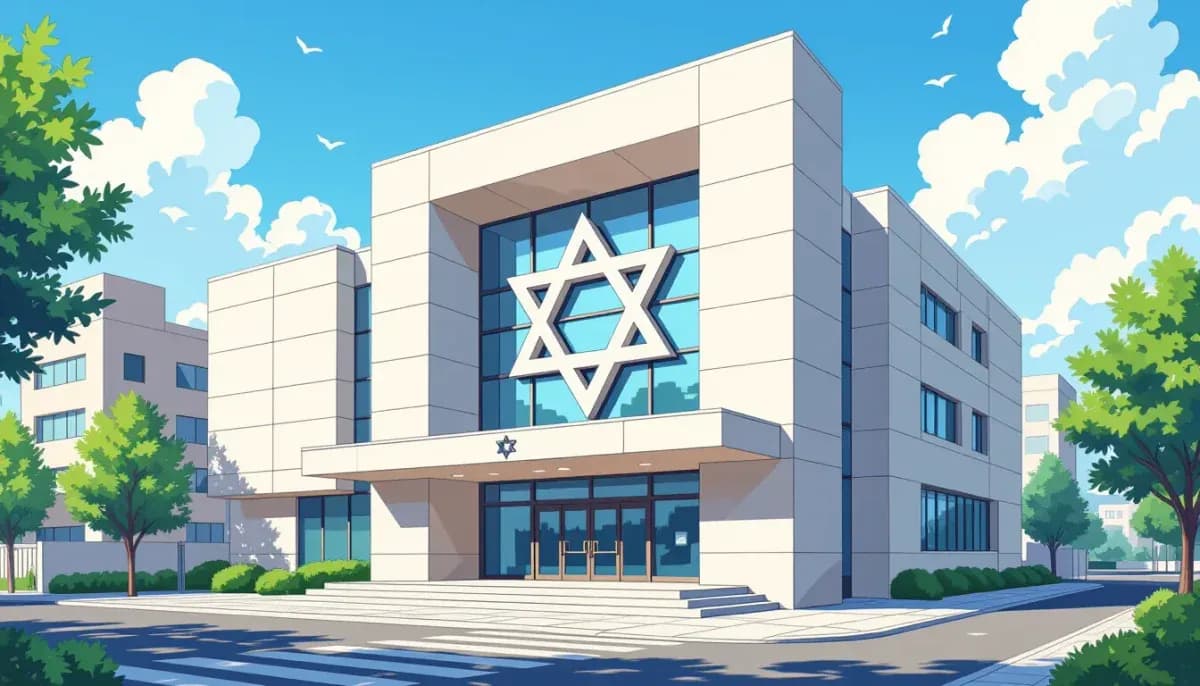
Jewish Community and Synagogues in Japan
Complete guide to the Jewish community and synagogues in Japan. Find synagogues in Tokyo, Kobe, and Kyoto, kosher food resources, Chabad locations, and tips for Jewish expats and travelers living in Japan.
Read more →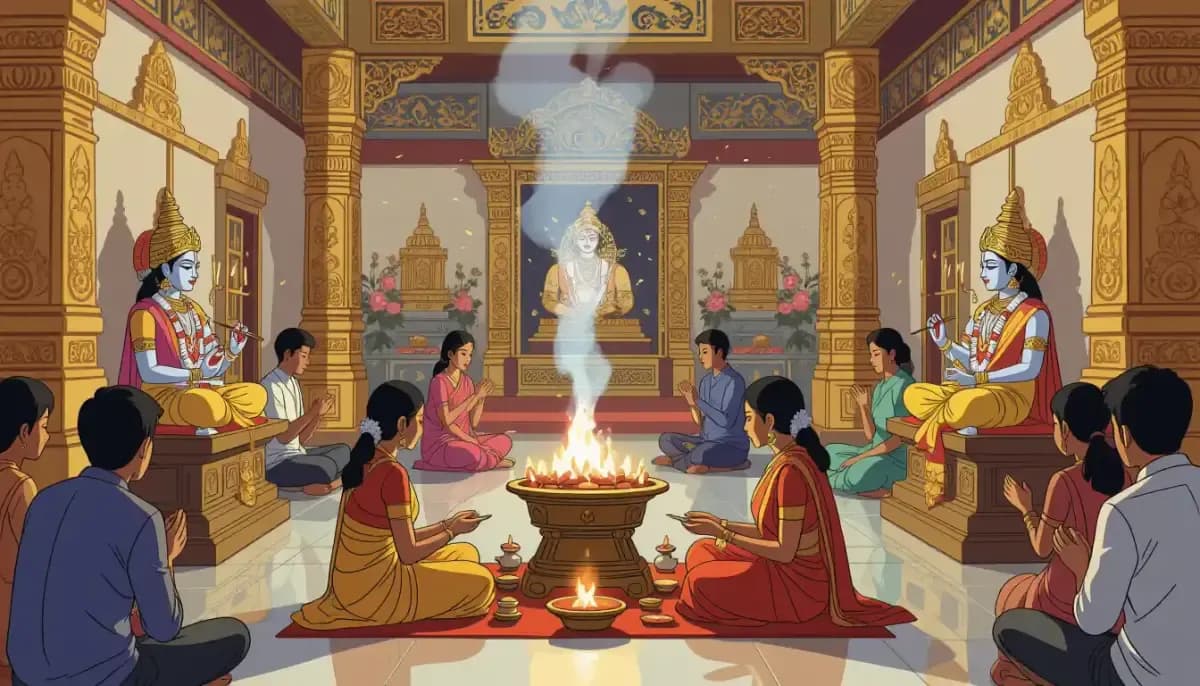
Hindu Temples and Indian Community in Japan
Discover Hindu temples, Little India in Nishi-Kasai, Indian schools, festivals like Diwali, and community resources for Indian expats living in Japan.
Read more →
Religious Freedom and Practice in Japan for Foreigners
Complete guide to religious freedom in Japan for expats. Covers legal rights, Muslim, Christian, Hindu, Jewish communities, halal food, mosques, churches, and workplace accommodation tips.
Read more →
Japanese Funeral and Memorial Customs Explained
A complete guide to Japanese funeral and memorial customs for foreigners. Learn about the wake (otsuya), funeral ceremony, koden etiquette, dress code, cremation, kotsuage, and ongoing memorial services including Obon.
Read more →
Temple Stay Overnight Experience in Japan Guide
Everything you need to know about temple stays (shukubo) in Japan: where to go, how to book, what to expect, costs, rules, and tips for foreigners experiencing this unique overnight Buddhist experience.
Read more →