
Temple Stay Overnight Experience in Japan Guide

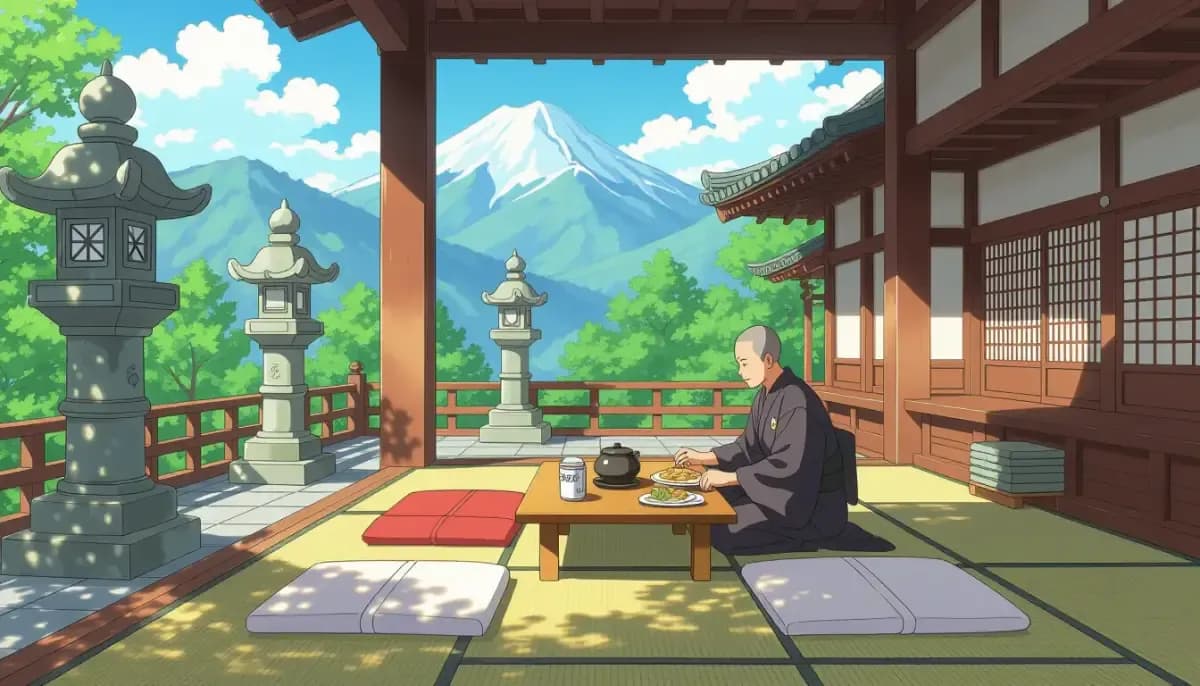
Everything you need to know about temple stays (shukubo) in Japan: where to go, how to book, what to expect, costs, rules, and tips for foreigners experiencing this unique overnight Buddhist experience.
Temple Stay Overnight Experience in Japan: The Complete Guide
If you've ever dreamed of spending the night in an ancient Buddhist temple, waking before dawn for meditation, and eating a carefully crafted vegetarian meal prepared by monks, Japan makes that dream accessible to everyone. Known as shukubo (宿坊), temple stays have welcomed pilgrims for over a thousand years and are now open to curious travelers from around the world—no Buddhist background required.
This guide covers everything you need to know about experiencing a temple stay in Japan as a foreigner: what to expect, where to go, how to book, how much it costs, and how to make the most of this uniquely spiritual overnight experience.
!Temple Stay in Japan: Peaceful Buddhist Temple at Dawn

What Is a Temple Stay (Shukubo)?
A shukubo (宿坊) is lodging provided by a Buddhist temple or Shinto shrine. The word literally combines "shuku" (lodging) and "bou" (monks' quarters). Originally, these accommodations housed traveling monks and religious pilgrims. Today, they welcome anyone seeking a deeper connection with Japanese spiritual culture.
Unlike a regular hotel or even a traditional ryokan, a temple stay immerses you in the rhythms of monastic life. Guests are invited—though never forced—to participate in morning prayers, meditation, and other rituals alongside the resident monks. The experience is quiet, contemplative, and remarkably affordable given how much you receive.
Temple stays differ from tourist attractions in one important way: you are a guest in a living, functioning religious community. The monks still conduct their daily practices whether or not guests join. This authenticity is what makes shukubo so memorable.
Top Destinations for Temple Stays in Japan
Japan has hundreds of temples offering overnight accommodation, but some locations are particularly well-suited to foreign visitors.
| Destination | Region | Highlights | English Support | Price Range |
|---|---|---|---|---|
| Koyasan (Mt. Koya) | Wakayama | 50+ temples, UNESCO site, Okunoin cemetery | Excellent | ¥10,000–¥20,000 |
| Kyoto | Kansai | Historic Zen temples, traditional gardens | Good | ¥8,000–¥18,000 |
| Nagano | Chubu | Zenkoji Temple, mountain setting | Moderate | ¥7,000–¥15,000 |
| Mt. Mitake | Tokyo area | Day trips from Tokyo, forested trails | Limited | ¥8,000–¥14,000 |
| Dewa Sanzan | Yamagata | Ancient mountain pilgrimage route | Limited | ¥7,000–¥15,000 |
| Nara | Kansai | Todai-ji surroundings, deer park | Moderate | ¥8,000–¥16,000 |
Koyasan is the undisputed top choice for first-time visitors and foreign guests. This sacred mountaintop town in Wakayama Prefecture was founded by the Buddhist monk Kukai (Kobo Daishi) in 816 CE. With over 50 shukubo operating on the mountain, competition keeps quality high and English support is widely available. Most Koyasan temples allow bookings through platforms like Booking.com, making the reservation process simple.
Koyasan sits at over 800 meters elevation, so temperatures are cooler than the lowlands year-round. Pack warm layers even in summer, and note that reaching the mountain requires a combination of train and cable car.
What to Expect During a Temple Stay
Arrival and Check-In
Most shukubo check-in between 3:00 PM and 5:00 PM. You'll be shown to your room, which will typically feature:
- Tatami mat flooring
- Futon bedding (laid out by staff in the evening)
- Low table and floor cushions
- Sliding shoji screen doors
- Minimal but elegant decor
Bathrooms are usually communal, with separate facilities for men and women. Some higher-end shukubo offer private en suite bathrooms, but shared facilities are the norm. Most temples also have communal baths (ofuro), and bathing before the communal bath is expected.
Evening Meal: Shojin Ryori
Dinner at a shukubo is one of the highlights of the entire experience. Shojin ryori (精進料理) is the traditional Buddhist vegetarian cuisine served at temples. The philosophy behind shojin ryori reflects Buddhist values: it excludes meat, fish, dairy, eggs, and even strongly flavored vegetables like garlic and onions (which were traditionally believed to excite the passions).
What shojin ryori lacks in animal products, it makes up for in artistry. Meals are beautifully presented and rely on:
- Seasonal vegetables
- Tofu and other soy products
- Mountain vegetables (sansai)
- Pickles (tsukemono)
- Rice and miso soup
- Sesame, seaweed, and mushrooms
The food philosophy follows the principle of go-mi (five flavors: sweet, bitter, spicy, sour, salty), go-shoku (five cooking methods: raw, steamed, grilled, boiled, fried), and go-shiki (five colors: yellow, red, white, green, black). This framework produces extraordinary variety without animal products.
Meals are served in your room or a communal dining area. Eat slowly—the flavors are subtle and deeply considered.
Morning Rituals
This is often the most powerful part of a temple stay. Morning ceremonies typically begin between 5:30 AM and 6:30 AM. You'll be invited (not required) to join the monks for morning prayers, known as gongyo or choka. What this involves depends on the Buddhist sect:
- Zen temples: Silent meditation (zazen), then chanting
- Shingon temples (like those on Koyasan): Fire rituals, sutra chanting, incense
- Tendai temples: Complex liturgical ceremonies with multiple priests
Even if you don't understand a word of the chanting, the atmosphere is extraordinary. The smell of incense, the rhythm of sutras, the flickering candlelight in ancient halls—it's genuinely moving regardless of your personal religious views.
After morning prayers, breakfast is served. This is typically a lighter version of shojin ryori: rice porridge (okayu), pickles, miso soup, and small vegetable dishes.
!Buddhist monk serving traditional shojin ryori vegetarian meal at temple

How to Book a Temple Stay in Japan
Booking a shukubo is easier than it used to be, especially for popular destinations.
Online Booking Platforms
For Koyasan and major tourist destinations, you can book directly through:
- Booking.com: Many Koyasan shukubo are listed with English interfaces
- Official Koyasan Shukubo Association (eng-shukubo.net): The official English booking portal for Koyasan
- Japan Travel by NAVITIME: Growing selection of temple accommodations
- Direct email: Many temples accept English email reservations
For less-visited temples, direct contact in Japanese (or with a Japanese-speaking friend's help) may be necessary.
Booking Tips
- Book at least 2–4 weeks in advance for popular locations; months ahead for peak season (Golden Week, autumn leaves, cherry blossoms)
- Confirm payment method: Many temples are cash only. This is critical—no ATM nearby means no room
- Ask about English support: Some shukubo have English-speaking monks; others provide written English instructions
- Mention dietary restrictions: Shojin ryori is vegetarian, but if you have allergies, notify the temple in advance
For guidance on navigating daily life logistics as a foreigner in Japan, the Living in Nihon resource covers practical aspects of Japan life comprehensively.
Temple Stay Rules and Etiquette
Respecting the rules of a shukubo ensures a good experience for you and the resident monks.
Key Rules
- Observe quiet hours: Most temples ask guests to be quiet after 9:00 PM
- No alcohol in common areas: Some temples prohibit alcohol entirely
- Remove shoes: Follow all shoe-removal protocols carefully
- Dress modestly: Bring modest sleepwear; robes (yukata) may be provided
- Don't disturb monks during practice: They're working, not performing
- Rooms may not lock: Security is based on trust—this is unusual for travelers used to hotels
- Attend morning prayers if you said you would: Don't sign up and then skip
What to Bring
- Cash: Assume cash-only until confirmed otherwise
- Warm layers: Temples can be cold, especially in the morning
- Quiet mind: Leave your busy schedule mentality behind
- Modest clothing: For participating in ceremonies
- Earplugs (optional): Bells and chanting start early
Temple Stay Costs: What to Budget
The good news: temple stays are often comparable in price to mid-range accommodation, and the two meals included add exceptional value.
| Type | Price Per Person | What's Included |
|---|---|---|
| Budget shukubo | ¥6,000–¥8,000 | Room, breakfast, sometimes dinner |
| Standard shukubo | ¥8,000–¥15,000 | Room, full shojin ryori dinner + breakfast |
| Premium Koyasan | ¥15,000–¥25,000 | Private rooms, elaborate meals, ceremonies |
| Luxury options | ¥25,000+ | Suites, private baths, exclusive experiences |
Most people opt for the standard range with both meals included—this is the full experience. Remember that two shojin ryori meals alone would cost ¥3,000–¥8,000 at a restaurant, so the all-in price represents good value.
For context on budgeting your Japan stay, see our guide to cost of living in Japan.
Best Experiences to Add to Your Temple Stay
A temple stay doesn't have to be limited to the overnight accommodation itself. Many locations offer additional activities:
Zazen Meditation
Formal seated meditation under the guidance of a monk. Sessions typically last 30–60 minutes and are accessible to complete beginners. At Zen temples in Kyoto, you can often book standalone zazen sessions without staying overnight. For a full temple stay, ask your shukubo if they offer guided meditation.
Sutra Copying (Shakyou)
The meditative practice of copying Buddhist sutras by brush. No Japanese reading ability required—you trace over pre-printed text. It's calming, focused work that many guests find surprisingly meaningful.
Cemetery Tours at Okunoin (Koyasan)
Koyasan's Okunoin is Japan's largest cemetery, containing over 200,000 gravestones and memorial monuments. The cemetery is the spiritual heart of Koyasan, where the monk Kukai is believed to remain in eternal meditation. Many shukubo offer lantern-lit evening tours through the cedar-forested paths, which is one of the most atmospheric experiences available anywhere in Japan.
Fire Ceremonies (Goma Rituals)
Specific to Shingon Buddhism (common on Koyasan), goma rituals involve chanting while burning cedar sticks as offerings. The heat and smoke and chanting create a powerful atmosphere. Some temples allow guest participation.
Temple Stays for Foreigners: Practical Tips
If you're visiting Japan as a foreigner—whether as a tourist, resident, or long-term expat—temple stays offer a completely different window into Japanese culture than regular sightseeing.
You don't need to be Buddhist. Shukubo are genuinely open to people of all religions and backgrounds. The monks don't expect you to convert or even believe anything specific. Respectful curiosity is all that's required.
Language is rarely a barrier at top destinations. Koyasan in particular is accustomed to international visitors. Many monks there have some English, and even where English is limited, the activities (meditation, meals, prayers) communicate through experience rather than words.
For those working in Japan, a weekend shukubo trip is one of the most effective ways to recharge and step outside the often-intense professional culture. The enforced quiet and early schedule reset your relationship with time. Resources like For Work in Japan can help you balance work and cultural exploration as a foreign professional.
Families are generally welcome, though check with specific temples. Some shukubo can accommodate children; others prefer adult guests for the early morning schedule reasons.
For broader cultural context to deepen your time in Japan, our Japanese culture and etiquette guide is a useful companion read.
Comparing Temple Stays to Other Traditional Accommodation
| Shukubo | Ryokan | Business Hotel |
|---|---|---|
| Price | ¥6,000–¥25,000 | ¥10,000–¥50,000+ |
| Meals | Shojin ryori (vegetarian) | |
| Usually none | Experience | |
| Traditional hospitality | Practical, modern | |
| Limited to moderate English | Moderate to limited | Often English available |
| Bathroom | Usually shared | Often private onsen |
| Check-in | 3–5 PM (strict) | |
| Flexible | Early wake | |
| No | No | |
| Cultural immersion | Luxury relaxation | Budget/convenience |
Both ryokan and shukubo represent the traditional Japanese hospitality concept of omotenashi (selfless service), but in very different registers. A ryokan pampers; a shukubo reflects.
The Spiritual Dimension: What Temple Stays Really Offer
Beyond the logistics, what makes a temple stay worth doing?
For many travelers, it's the only time they've experienced genuine stillness. In a world of constant connectivity, temples enforce a different pace. The morning bell, the cold wooden floors, the smell of incense, the taste of simple but immaculate food—these experiences don't translate well to photographs. They settle into memory differently.
For foreigners living in Japan long-term, shukubo can be particularly meaningful. Daily life in Japan—commuting, working, navigating bureaucracy—exists at street level. A temple stay lifts you out of that context entirely. Suddenly you're not a worker or a resident; you're a guest in a tradition that predates modern Japan by more than a millennium.
That perspective shift is worth at least one night's stay.
For additional insights on Japanese festivals and spiritual traditions, see our Japanese festivals and traditions guide.
For more on temple stays and related travel experiences, the official Japan Tourism guide to temple stays and Japan Guide's temple lodgings page are excellent authoritative resources. The Koyasan Shukubo Association's English site is the best starting point for actually booking your first temple stay at Japan's most accessible shukubo destination.
For a personal account of the Koyasan experience, The Navigatio's shukubo review captures the atmosphere well, and Ittenshoku provides related perspectives on living and working in Japan.
Quick Reference: Temple Stay Checklist
Before your stay:
- [ ] Book 2–4 weeks in advance (months for peak season)
- [ ] Confirm meals included and any dietary needs
- [ ] Ask about payment method (cash vs. card)
- [ ] Confirm English support availability
- [ ] Check check-in/check-out times
What to pack:
- [ ] Sufficient cash
- [ ] Warm layers (especially for mountain temples)
- [ ] Modest sleepwear
- [ ] Early alarm (ceremonies start at 5:30–6:00 AM)
- [ ] Open mind
During your stay:
- [ ] Participate in morning prayers (optional but highly recommended)
- [ ] Eat slowly—savor the shojin ryori
- [ ] Ask questions respectfully
- [ ] Keep noise low after 9 PM
- [ ] Tip: Not customary in Japanese temple settings
A temple stay in Japan is one of those experiences that exceeds expectations not because it's flashy, but because it's real. Ancient tradition, simple food, early mornings, and the quiet presence of monks going about their practice—this is Japan at its most layered and its most honest.

Originally from Vietnam, living in Japan for 16+ years. Graduated from Nagoya University, with 11 years of professional experience at Japanese and international companies. Sharing information about living in Japan for foreigners.
View Profile →Related Articles
Spiritual and Religious Festivals in Japan Guide
Discover Japan's spiritual and religious festivals — from Gion Matsuri to Obon. A complete guide for foreigners on Shinto and Buddhist celebrations, etiquette, and participation tips.
Read more →
Famous Pilgrimage Routes in Japan Guide
Discover Japan's most famous pilgrimage routes including Kumano Kodo, Shikoku Henro, and Dewa Sanzan. A complete guide for foreigners with practical tips, distances, costs, and cultural advice.
Read more →
Jewish Community and Synagogues in Japan
Complete guide to the Jewish community and synagogues in Japan. Find synagogues in Tokyo, Kobe, and Kyoto, kosher food resources, Chabad locations, and tips for Jewish expats and travelers living in Japan.
Read more →
Hindu Temples and Indian Community in Japan
Discover Hindu temples, Little India in Nishi-Kasai, Indian schools, festivals like Diwali, and community resources for Indian expats living in Japan.
Read more →
Religious Freedom and Practice in Japan for Foreigners
Complete guide to religious freedom in Japan for expats. Covers legal rights, Muslim, Christian, Hindu, Jewish communities, halal food, mosques, churches, and workplace accommodation tips.
Read more →
Japanese Funeral and Memorial Customs Explained
A complete guide to Japanese funeral and memorial customs for foreigners. Learn about the wake (otsuya), funeral ceremony, koden etiquette, dress code, cremation, kotsuage, and ongoing memorial services including Obon.
Read more →