
Hindu Temples and Indian Community in Japan

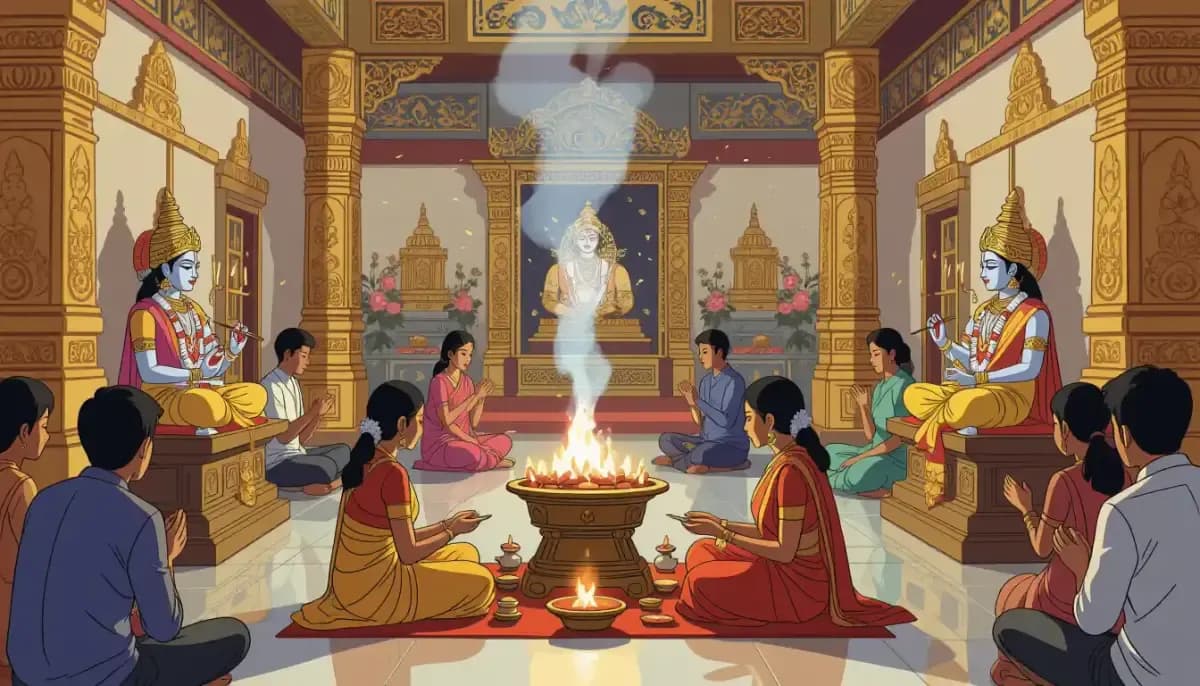
Discover Hindu temples, Little India in Nishi-Kasai, Indian schools, festivals like Diwali, and community resources for Indian expats living in Japan.
Hindu Temples and Indian Community in Japan: A Complete Guide for Foreigners
Japan may not be the first place that comes to mind when thinking about Indian culture, but the country has a surprisingly vibrant Indian community with active Hindu temples, cultural centers, and community organizations. If you're an Indian expat, a Hindu practitioner, or simply curious about multicultural life in Japan, this guide will walk you through everything you need to know — from finding Hindu temples to connecting with the Indian community across the country.
!Hindu temple with colorful decorations and offerings in Japan

The Indian Community in Japan: Population and Distribution
Japan's Indian community has grown significantly over the past two decades. As of early 2026, approximately 55,000 Indian nationals reside in Japan, making Indians one of the most prominent South Asian expat groups in the country. Tokyo is home to the largest concentration, with around 19,290 Indians living in the capital.
Beyond Indians, the wider Hindu-practicing population includes approximately 63,000 Sri Lankans and 273,000 Nepalis, bringing the total Hindu community in Japan to an estimated 320,000 people — roughly 0.07% of Japan's total population.
Where Do Indians Live in Japan?
Indian residents are distributed across Japan's major urban centers, though concentration is highest in the Tokyo metropolitan area. Key neighborhoods include:
| City/Area | Notable Feature |
|---|---|
| Nishi-Kasai, Tokyo | "Little India" — highest concentration of Indian residents |
| Shinjuku, Tokyo | Hindu temple, Indian restaurants, diverse expat community |
| Ikebukuro, Tokyo | Shirdi Sai Baba Temple, Indian shopping area |
| Nakano, Tokyo | ISKCON temple, residential community |
| Osaka | Growing Indian IT community, Indian restaurants |
| Nagoya | Automotive industry professionals, Indian cultural events |
| Pune/Gurgaon ex-pats → Yokohama | Growing family-oriented community |
The Nishi-Kasai neighborhood in Edogawa Ward, Eastern Tokyo, is the undisputed heart of Indian life in Japan. The area has earned its nickname "Little India" due to its high concentration of Indian restaurants, grocery stores, two international schools, and cultural venues. The community there was largely founded under the leadership of Jagmohan Chandrani, a trader from Kolkata, and has grown to approximately 5,035 Indian residents in that ward alone.
Hindu Temples in Japan: Where to Worship
Finding a place of worship is one of the first concerns for many Hindu expats moving to Japan. Fortunately, several temples and religious centers serve the community.
Major Hindu Temples
1. Shiva Shakti Temple and Ashram (Shinjuku, Tokyo) One of the most prominent Hindu places of worship in Japan, the Shiva Shakti Temple in Shinjuku serves both Indian residents and spiritual seekers from other South Asian communities. The temple conducts regular pujas and hosts religious events throughout the year, including major Hindu festivals.
2. Shirdi Sai Baba Tokyo Temple (Ikebukuro, Tokyo) Dedicated to Shirdi Sai Baba, this temple in Ikebukuro has become an important gathering place for devotees from Maharashtra and across India. It holds regular prayer services and celebrates key Hindu festivals. Website: shirdisaibaba.jp
3. ISKCON Temple, Tokyo (Nakano) The International Society for Krishna Consciousness (ISKCON) operates a temple in Nakano, Tokyo at 4-19-6 Kamatikada Nakano. ISKCON is globally known for its Vaishnava Hindu tradition and welcomes people of all backgrounds. Regular programs include Bhagavad Gita classes, kirtan (devotional singing), and prasadam (free food distribution). Phone: +81 (03) 5343-9417.
4. Ganesha Temple (Asakusa, Tokyo) A smaller but beloved temple dedicated to Lord Ganesha is located in Asakusa, one of Tokyo's most traditional neighborhoods. Visiting the Ganesha Temple here blends nicely with exploring the historic Senso-ji area.
5. Shiva Vishnu Temple (Tokyo) Featuring traditional South Indian temple architecture with intricate carvings, a sacred Shiva Lingam, and idols of Lord Vishnu's various incarnations, this temple holds daily pujas and meditation sessions. It celebrates Hindu festivals such as Diwali and Navratri with community participation.
6. BAPS Shri Swaminarayan Mandir For those following the Swaminarayan tradition, there is a BAPS presence in Japan offering satsang (devotional gatherings) and community programs.
7. Vedanta Society of Japan The Vedanta Society offers philosophical and meditation programs based on the teachings of Swami Vivekananda and Ramakrishna, appealing to a broad audience including non-Indians interested in Hindu philosophy.
!Indian community gathering at a festival in Japan

Sikh Gurudwaras in Japan
While not Hindu temples per se, Sikh Gurudwaras serve as important spiritual and community hubs for many Indian expats:
- Guru Nanak Durbar (Otsuka, Tokyo) — Offers regular religious services and langar (free communal meals open to all)
- Osaka/Kobe locations — Gurudwaras in the Kansai region also serve the local Sikh community
The langar at Gurudwaras is particularly notable — anyone, regardless of religion or nationality, is welcome to join the free communal meal, making these places accessible to all expats curious about Indian and Sikh culture.
Indian Festivals and Cultural Events in Japan
One of the most exciting aspects of the Indian community in Japan is the vibrant calendar of festivals and cultural events held throughout the year.
Annual Festival Calendar
| Festival | Typical Month | Location | Notes |
|---|---|---|---|
| Holi | March | Tokyo | Color festival, community event |
| Vaisakhi | April | Ibaraki | Sikh harvest festival |
| Navratri | October | Tokyo | Nine nights of devotional dance |
| Diwali | October-November | Yokohama (Yamashita Park) | Attracts ~200,000 attendees |
| Durga Puja | October | Various Tokyo venues | Bengali community celebration |
The Diwali celebration at Yamashita Park in Yokohama deserves special mention — with approximately 200,000 attendees annually, it is one of the largest Indian cultural events in Japan and a major multicultural festival that draws Japanese visitors as well.
Indian Schools and Education in Japan
For Indian families with children, education in a familiar curriculum is a significant concern. Japan has two main Indian schools catering to the expat community:
- India International School of Japan (IISJ) — Provides an Indian curriculum for Indian expat children, maintaining continuity with the education system back home
- Global Indian International School Tokyo (GIIS) — Another option offering an internationally recognized curriculum with an Indian focus
Both schools are centered in the Tokyo area, close to the Nishi-Kasai "Little India" neighborhood, making them convenient for families in that area. For more information on raising children in Japan as a foreigner, see our guide on raising children in Japan.
Indian Grocery Stores and Restaurants
Maintaining familiar foods is an important part of cultural life. Japan's Indian community has developed an excellent supply chain for Indian ingredients and cuisine.
Indian Grocery Options
- Indobazaar — Online and physical stores for Indian groceries
- Ambika — Indian grocery store popular in Tokyo
- Sartaj — Another well-known Indian grocery option
- Many stores in Nishi-Kasai carry fresh Indian vegetables, spices, and specialty items
Finding Vegetarian and Vegan Food
One challenge for Hindu expats in Japan is finding vegetarian options, as Japanese cuisine often contains fish broth (dashi) even in seemingly vegetarian dishes. However, the Indian restaurant scene has grown enormously, and dedicated vegetarian Indian restaurants can be found in major cities.
For more context on navigating Japanese food culture, check out our guide to Japanese food and cooking.
Community Organizations
Staying connected to the Indian community helps ease the challenges of expat life. Key organizations include:
- All Japan Association of Indians (AJAI) — The primary umbrella organization for Indians in Japan. Visit ajai-indians.org for events, resources, and community news
- Japan Cricket Association — Connects cricket enthusiasts; cricket clubs across Japan provide social connection for South Asian communities
- Japan Kabaddi Association — Kabaddi leagues connect fans of this traditional Indian sport
- Yoga and Cultural Groups — Various yoga classes and cultural organizations operate in major cities
For broader tips on making friends and building a social life in Japan, our guide to social life in Japan has helpful advice.
Practical Tips for Indian and Hindu Expats in Japan
Moving to Japan as an Indian comes with unique challenges and rewards. Here are practical tips to help you settle in:
Language: Japan has limited English signage outside major tourist areas. Learning basic Japanese is highly recommended. See our guide to learning Japanese for resources.
Visa and Immigration: India-Japan relations have strengthened considerably, and there are now streamlined pathways for skilled workers. The 2025 Japan-India Action Plan aims to bring 50,000 skilled Indian workers to Japan by 2030. Check our Japan visa guide for details on visa categories.
Banking: Setting up a Japanese bank account can be challenging for new arrivals. Our banking in Japan guide has step-by-step instructions.
Healthcare: Japan has excellent healthcare but navigating it in Japanese can be daunting. Learn how to access healthcare as a foreigner in our healthcare guide for foreigners in Japan.
Cultural Adjustment: Japanese culture differs significantly from Indian culture in many ways — communication styles, punctuality expectations, and social norms. Our Japanese culture and etiquette guide will help you adapt successfully.
The Growing Indian Presence in Japan
The Indian community in Japan is not just surviving — it is thriving and growing. Indian restaurants have proliferated since the 1990s, Bollywood film screenings are organized regularly (venues like Spacebox in Tokyo), and select Indian dramas are available on Netflix Japan with Japanese subtitles.
For more information about living in Japan as a foreigner, the team at Living in Nihon provides practical guides covering many aspects of expat life. Those looking for career opportunities can explore resources at For Work in Japan, and job seekers can also find valuable guidance at Ittenshoku.
Additionally, the GaijinPot blog has a detailed article on Finding Pieces of India in Japan that covers cultural spots and community life in depth.
Conclusion
Japan's Indian community is well-established, particularly in Tokyo's Nishi-Kasai "Little India," and has built a rich network of Hindu temples, cultural organizations, festivals, and support systems for newcomers. Whether you're seeking a place of worship, Indian food, or simply the comfort of community, you'll find a welcoming and organized Indian expat network across Japan's major cities.
As the community continues to grow — driven by Japan's increasing demand for skilled IT and engineering professionals — resources and infrastructure for Indian and Hindu expats will only improve. If you're planning a move to Japan, know that you won't be starting from scratch: a vibrant community awaits you.
For further reading on life in Japan as a foreigner, explore our complete guide to daily life in Japan and our guide to moving to Japan.

Originally from Vietnam, living in Japan for 16+ years. Graduated from Nagoya University, with 11 years of professional experience at Japanese and international companies. Sharing information about living in Japan for foreigners.
View Profile →Related Articles
Spiritual and Religious Festivals in Japan Guide
Discover Japan's spiritual and religious festivals — from Gion Matsuri to Obon. A complete guide for foreigners on Shinto and Buddhist celebrations, etiquette, and participation tips.
Read more →
Famous Pilgrimage Routes in Japan Guide
Discover Japan's most famous pilgrimage routes including Kumano Kodo, Shikoku Henro, and Dewa Sanzan. A complete guide for foreigners with practical tips, distances, costs, and cultural advice.
Read more →
Jewish Community and Synagogues in Japan
Complete guide to the Jewish community and synagogues in Japan. Find synagogues in Tokyo, Kobe, and Kyoto, kosher food resources, Chabad locations, and tips for Jewish expats and travelers living in Japan.
Read more →
Religious Freedom and Practice in Japan for Foreigners
Complete guide to religious freedom in Japan for expats. Covers legal rights, Muslim, Christian, Hindu, Jewish communities, halal food, mosques, churches, and workplace accommodation tips.
Read more →
Japanese Funeral and Memorial Customs Explained
A complete guide to Japanese funeral and memorial customs for foreigners. Learn about the wake (otsuya), funeral ceremony, koden etiquette, dress code, cremation, kotsuage, and ongoing memorial services including Obon.
Read more →
Temple Stay Overnight Experience in Japan Guide
Everything you need to know about temple stays (shukubo) in Japan: where to go, how to book, what to expect, costs, rules, and tips for foreigners experiencing this unique overnight Buddhist experience.
Read more →