
Jewish Community and Synagogues in Japan

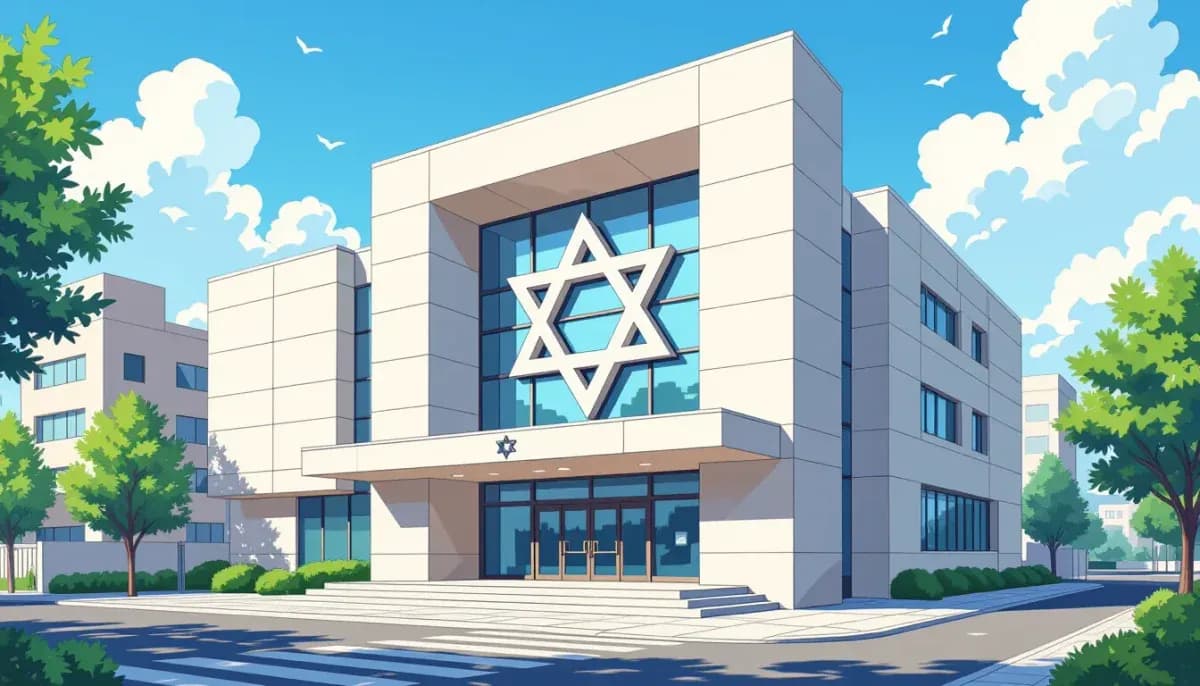
Complete guide to the Jewish community and synagogues in Japan. Find synagogues in Tokyo, Kobe, and Kyoto, kosher food resources, Chabad locations, and tips for Jewish expats and travelers living in Japan.
Jewish Community and Synagogues in Japan: A Complete Guide for Foreigners
Japan may not be the first country that comes to mind when thinking about Jewish life abroad, but the country has a small, vibrant, and welcoming Jewish community that has existed for over 160 years. Whether you are a Jewish expat moving to Japan, a traveler looking to observe Shabbat, or simply curious about religious life in this unique country, this guide covers everything you need to know about the Jewish community and synagogues in Japan.

A Brief History of Jews in Japan
Jews have maintained a presence in Japan since the modern era began. The first recorded Jewish settler arrived in Yokohama in 1861, following Japan's opening to the world in the late 1850s. Early Jewish residents came mostly from the Middle East, South Asia, and Europe, drawn by commercial opportunities.
The first formal Jewish congregation in Japan was established in Nagasaki in 1889. Kobe became the most significant hub of Jewish life in the early 20th century, with the Ohel Shelomoh synagogue formally established in 1937. The Kobe community comprised Russian, German, and Baghdadi Jews, and at its peak was one of the most vibrant Jewish communities in Asia.
One of the most remarkable chapters in this history occurred during World War II. Chiune Sugihara, a Japanese diplomat stationed as consul in Kaunas, Lithuania, defied orders and issued approximately 6,000 transit visas to Jewish refugees fleeing Nazi persecution. His courage allowed thousands of Jews to reach safety via Japan, and he is now recognized as one of the righteous among the nations.
The demographic center of Japanese Jewish life shifted significantly after World War II. As many pre-war residents left for Israel, the United States, or other destinations, Tokyo gradually became the primary hub of Jewish activity. The Jewish Community of Japan (JCJ) was formally chartered on May 3, 1953, with the inaugural gala hosted by Prince and Princess Mikasa — a testament to the goodwill between the Japanese government and its Jewish residents.
The Jewish Community Today: Size and Demographics
Japan's Jewish population is small by global standards. Estimates range from 1,000 to 2,500 people, with most Jews in Japan being expatriates — employees of foreign businesses, banks, financial institutions, diplomatic missions, and international organizations. There is also a smaller cohort of educators, students, and long-term residents.
The community is concentrated primarily in three cities:
| City | Key Jewish Institutions | Estimated Community Size |
|---|---|---|
| Tokyo | JCJ Synagogue (Hiroo), Chabad House Sengakuji, Chabad House Omori | Largest, several hundred families |
| Kobe | Ohel Shelomoh Synagogue, Chabad Kobe & Osaka | Historically significant, smaller today |
| Kyoto | Chabad Kyoto | Smallest, active since 2019 |
Japan's Jewish community is notably welcoming to visitors and temporary residents, making it accessible even for short-term stays.
Synagogues and Jewish Organizations in Japan
Jewish Community of Japan (JCJ) — Tokyo
The Jewish Community of Japan is the largest and most established Jewish organization in the country. Located in Hiroo, roughly between Roppongi and Ebisu in Tokyo, the JCJ serves members across the spectrum of Jewish observance and affiliation.
The current building, inaugurated in September 2009, was designed by renowned architect Fumihiko Maki, a Pritzker Prize laureate — a distinction that speaks to the community's commitment to excellence. The modern facility houses the synagogue, a mikveh (ritual bath), a library containing books in English, Hebrew, and Japanese, a kosher kitchen, classrooms, and offices.
Services and programs offered:
- Friday evening Kabbalat Shabbat, Ma'ariv, and Shabbat dinner
- Saturday morning Shachrit service followed by kiddush and lunch
- High Holiday services (Rosh Hashanah and Yom Kippur)
- Religious school and adult education classes
- Community lectures and social events
Important: Advance reservations are required by Thursday evening for Shabbat attendance. Visitors are warmly welcomed. The JCJ's current rabbi is Rabbi Andrew Scheer, who was born in New York and has extensive ties to Japan.
Website: jccjapan.jp
Chabad Japan — Tokyo
Chabad, the global Hasidic outreach organization, operates two active centers in Tokyo, providing Shabbat services and meals, holiday celebrations, kosher food assistance, adult and youth education, and pastoral support.
Chabad House Tokyo (Sengakuji): Located approximately 5 minutes from Sengakuji Station, this center welcomes visitors and residents for Friday evening and Saturday Shabbat services and meals. Website: chabad.jp
Chabad House Tokyo (Omori): Located south of Shinagawa in the Omori area, this center also provides full Shabbat services and meals and welcomes newcomers. Website: chabadjapan.org
Chabad has maintained an active presence in Japan since 2000, providing an important safety net for Jewish travelers and expats who need reliable access to religious services and kosher food.
Jewish Community Chabad Kobe & Osaka
Kobe has the oldest and most historically significant Jewish community outside of Tokyo. The Ohel Shelomoh synagogue has been serving the local community since the 1930s and remains active today.
The Chabad Kobe & Osaka center is located at 4-12-12 Kitanocho, Chuo-ku, Kobe (650-0002) and provides:
- Regular religious services
- Shabbat meals (reservation required)
- Mikveh access
- Passover seders, Purim parties, Shavuot celebrations
- A kosher food store
- Tourist information for Jewish visitors
Contact: +81-90-8482-4770 (also available via WhatsApp) Website: jewishkobeosaka.com
Chabad Kyoto
Since 2019, Chabad Kyoto has served as the only Jewish religious presence in Japan's ancient cultural capital. Run by Rabbi Moti and Libi Grumach, it serves both Jews and non-Jews interested in Jewish culture and spirituality. For visitors spending time in Kyoto, Chabad Kyoto is the go-to resource for Shabbat services and community connection.
Kosher Food in Japan
One of the most practical concerns for observant Jewish residents and visitors is access to kosher food. Options have improved in recent years, though Japan remains challenging compared to major Jewish centers worldwide.
!Kosher food and Jewish cultural items in Tokyo - what to expect for observant Jews in Japan

Kosher Restaurants and Food Sources
| Resource | Location | What's Available |
|---|---|---|
| David's Deli | Mita, Tokyo | Jewish and Israeli food, kosher certified |
| Chabad House Tokyo (Sengakuji) | Sengakuji, Tokyo | Shabbat meals, holiday meals |
| Chabad House Tokyo (Omori) | Omori, Tokyo | Shabbat meals, holiday meals |
| Chabad Kobe & Osaka | Kitanocho, Kobe | Kosher food store, Shabbat meals |
| JCJ Community Center | Hiroo, Tokyo | Shabbat and holiday meals for members/guests |
Beyond these dedicated resources, some imported packaged kosher products can be found in international supermarkets such as Kinokuniya and National Azabu in Tokyo. Items with recognized kosher certification marks (OU, OK, Kof-K, Star-K) are accepted by most observant Jews.
For travelers, Chabad centers are invaluable for arranging kosher food, especially during major Jewish holidays. It is strongly recommended to contact Chabad or the JCJ in advance for holiday arrangements.
Practical Tips for Jewish Expats and Travelers
Moving to Japan as a Jewish person — whether observant or not — involves some specific planning. Here are key practical points to keep in mind:
Religious observance:
- Shabbat candle lighting times vary significantly across seasons due to Japan's latitude. Always check a reliable Jewish calendar app or website for local times.
- All synagogues and Chabad centers in Japan require advance reservation for Shabbat and holiday meals. Do not show up without contacting them first.
- The JCJ in Tokyo maintains a mikveh, as does Chabad Kobe & Osaka.
Community integration:
- Japan's Jewish community is tight-knit and extremely welcoming to newcomers. Reaching out before your arrival is warmly encouraged.
- English is widely used in all of Japan's Jewish institutions, making communication straightforward for English-speaking expats.
- The community hosts social events, educational programs, and holiday celebrations that provide a natural entry point for newcomers.
Holidays:
- The JCJ and Chabad centers observe all major Jewish holidays with public services and communal meals. Advance registration is typically required due to limited space.
- During Passover, the JCJ and Chabad organize community seders that welcome visitors.
For broader guidance on expat community life in Japan, Living in Nihon's guide to other religious communities in Japan provides helpful context on how minority religious groups navigate life in this country.
Antisemitism and Jewish Safety in Japan
Japan has a largely positive historical relationship with Jewish people. While anti-Jewish conspiracy theories have had some fringe presence in Japanese publishing in the past, overt antisemitism is rare and the government has been consistently supportive of the Jewish community.
The JCJ's inaugural gala was attended by members of the Japanese imperial family, reflecting the respectful and supportive attitude toward the community at the highest levels. Jewish institutions in Japan operate openly and without significant security concerns, though standard community security practices are maintained.
For those concerned about safety and security issues in Japan more broadly, our guide to safety and emergency preparedness in Japan covers everything expats should know about staying safe in this remarkably low-crime country.
Connecting with Japan's Jewish Community
Whether you are planning a short visit or a long-term relocation, connecting with Japan's Jewish community is straightforward if you reach out in advance.
Key contacts:
- Jewish Community of Japan (Tokyo): jccjapan.jp | Tel: 03-3400-2559
- Chabad Japan (Sengakuji, Tokyo): chabad.jp
- Chabad Japan (Omori, Tokyo): chabadjapan.org
- Chabad Kobe & Osaka: jewishkobeosaka.com | +81-90-8482-4770
Online communities:
- Facebook groups for expats in Tokyo and Kobe often have Jewish community threads
- The JCJ mailing list and website keep members informed of events
For expats navigating the broader challenges of relocating to Japan — finding housing, registering as a resident, and building a social life — our guides on moving to Japan and making friends and social life in Japan are useful starting points.
Additionally, For Work in Japan offers excellent resources for expats navigating professional life in Japan, and Ittenshoku provides valuable career and relocation information for those making Japan their long-term home.
Conclusion
Japan's Jewish community may be small, but it is vibrant, welcoming, and deeply rooted in history. From the heroism of Chiune Sugihara to the modern synagogue designed by a Pritzker Prize-winning architect, the story of Jews in Japan is one of resilience and quiet persistence. For Jewish expats and travelers, Japan's Jewish institutions — particularly the JCJ in Tokyo and the Chabad centers in Tokyo, Kobe, and Kyoto — provide a genuine home away from home.
Whether you are seeking Shabbat services, kosher food, holiday celebrations, or simply the comfort of a familiar community in an unfamiliar land, Japan's Jewish community is ready to welcome you. Reach out early, make a reservation, and prepare to be pleasantly surprised by the warmth and depth of Jewish life in this remarkable country.
For more information on religious and cultural life for foreigners in Japan, explore our guide to Japanese culture and etiquette.

Originally from Vietnam, living in Japan for 16+ years. Graduated from Nagoya University, with 11 years of professional experience at Japanese and international companies. Sharing information about living in Japan for foreigners.
View Profile →Related Articles

Spiritual and Religious Festivals in Japan Guide
Discover Japan's spiritual and religious festivals — from Gion Matsuri to Obon. A complete guide for foreigners on Shinto and Buddhist celebrations, etiquette, and participation tips.
Read more →
Famous Pilgrimage Routes in Japan Guide
Discover Japan's most famous pilgrimage routes including Kumano Kodo, Shikoku Henro, and Dewa Sanzan. A complete guide for foreigners with practical tips, distances, costs, and cultural advice.
Read more →
Hindu Temples and Indian Community in Japan
Discover Hindu temples, Little India in Nishi-Kasai, Indian schools, festivals like Diwali, and community resources for Indian expats living in Japan.
Read more →
Religious Freedom and Practice in Japan for Foreigners
Complete guide to religious freedom in Japan for expats. Covers legal rights, Muslim, Christian, Hindu, Jewish communities, halal food, mosques, churches, and workplace accommodation tips.
Read more →
Japanese Funeral and Memorial Customs Explained
A complete guide to Japanese funeral and memorial customs for foreigners. Learn about the wake (otsuya), funeral ceremony, koden etiquette, dress code, cremation, kotsuage, and ongoing memorial services including Obon.
Read more →
Temple Stay Overnight Experience in Japan Guide
Everything you need to know about temple stays (shukubo) in Japan: where to go, how to book, what to expect, costs, rules, and tips for foreigners experiencing this unique overnight Buddhist experience.
Read more →